Self-sabotage is not a character flaw. It is a protective mechanism your brain uses to avoid perceived threats like failure, rejection, or success that feels unsafe. To stop it, you need to identify your specific patterns, understand the fear behind them, and build small systems that make following through easier than avoiding.
You know the pattern. You set a goal, start strong, build momentum, and then right when things are about to work, you do something that blows it up. You procrastinate on the project until it is too late. You pick a fight with your partner when the relationship is going well. You overspend the week after you finally got your budget under control.
Self-sabotage feels like weakness, but it is actually your brain’s misguided attempt to protect you. Somewhere in your history, your nervous system learned that success, visibility, or change is dangerous, and it developed strategies to keep you in familiar territory. The familiar territory is uncomfortable, but it is known. And your brain prefers known discomfort over unknown possibility every time.
Breaking self-sabotage is not about willpower or discipline. It is about understanding the mechanism and building workarounds that are smarter than your fear.
Building structure helps fight self-sabotage. The Self-Care & Wellness Planner gives you a daily framework that makes following through easier than avoiding.
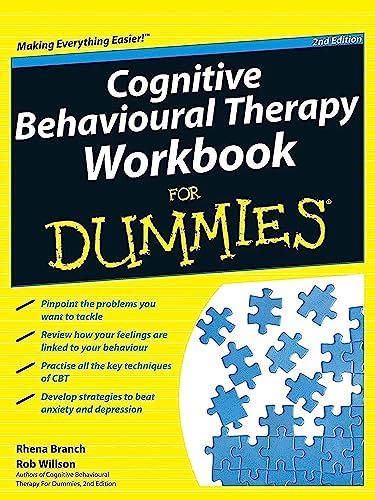
Recommended Products to Break Self-Sabotage Cycles



What Causes Self-Sabotage?
Self-sabotage almost always traces back to fear. Fear of failure is the obvious one, but fear of success is equally common and far more insidious. If you grew up in an environment where standing out was punished, where success attracted jealousy or resentment, or where good things were always followed by bad things, your brain learned that staying small is safer than growing.
There is also the comfort zone factor. Your brain has a set point for what feels “normal,” and it will actively work to return you to that set point whenever you deviate. If struggling is your normal, your brain will create struggle even when circumstances have improved. This is not conscious. It is a survival mechanism operating below your awareness.
Low self-worth is another root cause. If you fundamentally believe you do not deserve good things, you will unconsciously arrange your life to confirm that belief. The promotion you torpedoed, the relationship you pushed away, the savings you depleted. Each act of sabotage reinforces the belief that you are not capable of having what you want.
Understanding your specific root cause matters because the solution is different for each one. Fear of failure requires exposure to small, safe failures. Fear of success requires expanding your identity to include the possibility of good things lasting. Low self-worth requires evidence collection, actively noticing and recording moments that contradict the “I do not deserve this” narrative.
What Are the Most Common Self-Sabotage Patterns?
Procrastination
The most socially acceptable form of self-sabotage. You delay the important thing until the deadline creates a crisis, then rush through it at lower quality and use “I did not have enough time” as a shield against judgment. The procrastination protects you from finding out whether your best effort is actually good enough.
Perfectionism
Perfectionism looks productive from the outside, but it is sabotage in disguise. By refusing to ship anything that is not perfect, you guarantee that very little ever gets finished. The thing you spent three months polishing could have been done in three weeks and improved with feedback. Perfectionism is not high standards. It is fear of being seen as imperfect.
Self-Medicating
Using food, alcohol, shopping, or screen time to numb uncomfortable emotions instead of processing them. The temporary relief creates a longer-term problem, which creates more uncomfortable emotions, which requires more numbing. The cycle escalates until the coping mechanism itself becomes the primary source of pain.
Picking Fights
Creating conflict in relationships that are going well. If intimacy feels dangerous or vulnerability feels like exposure, manufacturing a fight creates safe distance. You get to feel angry (which feels more powerful than vulnerable) and you get to keep the other person at arm’s length without having to admit that closeness scares you.
Quitting Early
Abandoning goals, projects, or commitments right before they succeed. The uncomfortable middle phase where results are not yet visible but effort is very real is where most self-saboteurs bail. Quitting early protects you from the possibility of giving your full effort and still not getting the result you wanted.
How Do You Actually Stop Self-Sabotaging?
The first step is awareness. You cannot change a pattern you cannot see. For one week, track every moment you notice yourself avoiding, procrastinating, numbing, or undermining your own progress. Write down what you were doing, what you were feeling right before the sabotage impulse, and what you did instead of the constructive thing. This data reveals your specific triggers.
The second step is shrinking the gap between intention and action. Self-sabotage thrives in the space between deciding to do something and actually doing it. The larger that gap, the more time your fear has to intervene. If you want to exercise, put your shoes on and walk out the door before your brain has time to generate excuses. If you want to write, open the document and type one sentence before the resistance kicks in. Building micro habits makes the gap almost nonexistent.
The third step is building a tolerance for discomfort. Self-sabotage is fundamentally an avoidance strategy. You sabotage to avoid the feelings associated with risk, vulnerability, or potential failure. The antidote is gradually increasing your capacity to sit with those feelings without acting on them. This is where practices like positive mindset work and mindful breathing become invaluable.
The fourth step is changing your environment. Remove temptations and barriers. If you sabotage your diet by ordering takeout, stock your fridge on Sunday so the easier option is cooking. If you sabotage your sleep by scrolling, charge your phone in another room. Do not rely on willpower when design can do the heavy lifting.
How Do You Rebuild Trust With Yourself After Self-Sabotage?
One of the most painful consequences of chronic self-sabotage is the erosion of self-trust. You stop believing your own promises because you have broken them so many times. “I will start on Monday” rings hollow when you have said it 47 times before. Rebuilding that trust is slow, deliberate work.
Start with promises so small they are almost impossible to break. “I will drink one glass of water when I wake up.” “I will put my phone down at 10 PM tonight.” Keep those promises for a week. Then add another. The point is not the size of the promise. The point is the streak of kept commitments that teaches your brain you can be trusted.
Forgive past sabotage specifically. Not a vague “I forgive myself for everything” but a specific acknowledgment: “I forgive myself for quitting that course. I understand now that I was scared of succeeding at something new, and I did not have the tools to handle that fear yet.” Specific forgiveness closes the loop. Vague forgiveness just sweeps it under the rug where it continues to fester.
Document your follow-through. Every time you do the thing you said you would do, write it down. Not because it is impressive, but because it is evidence. Over time, that evidence stacks into a case for your own reliability. You stop being the person who always quits and start being the person who follows through, and that identity shift is the real breakthrough. Building healthy habits becomes the vehicle for restoring that self-trust.
Can You Fully Overcome Self-Sabotage?
The honest answer is that you manage it rather than eliminate it. The protective mechanisms that drive self-sabotage are deeply wired, and they do not disappear. What changes is your relationship to them. You learn to notice the impulse earlier, understand what it is trying to protect you from, and choose a different response.
Over time, the impulses weaken because your brain collects evidence that the feared outcome either does not happen or is survivable. Every time you follow through despite the fear, you are rewriting the story your nervous system tells about what is dangerous. That evidence accumulates, and redefining what success looks like helps you stop setting yourself up for sabotage in the first place.
If your self-sabotage is severe or tied to trauma, professional support from a therapist trained in cognitive behavioral therapy or internal family systems can accelerate the process significantly. There is no shame in getting help with a pattern that most people cannot solve alone.
Financial self-sabotage is real. The Ultimate Budget Planner gives you structure that makes sticking to your financial goals easier than undermining them.
Frequently Asked Questions
Why do I keep self-sabotaging even when I know I am doing it?
Awareness and behavior change are separate skills. Knowing you are self-sabotaging is step one, but stopping requires building new neural pathways through repetition and environmental design. The knowing comes first, and the behavior change follows with practice.
Is self-sabotage the same as laziness?
No. Laziness is a lack of motivation. Self-sabotage is active interference with your own goals, often driven by fear or low self-worth. Self-saboteurs are frequently high-functioning people who work hard in every direction except the one that matters most.
Can relationships trigger self-sabotage?
Absolutely. Relationships are one of the most common domains for self-sabotage because they involve vulnerability, which feels dangerous to a nervous system that has been hurt before. Fear of abandonment can paradoxically drive you to push people away before they can leave.
How do I know if I need therapy for self-sabotage?
If your self-sabotage patterns are significantly impacting your career, relationships, health, or finances, and self-help strategies have not been enough, therapy is a wise investment. A trained professional can identify root causes and provide targeted interventions that general advice cannot.
Key Takeaways
- Self-sabotage is a protective mechanism, not a character flaw
- Common patterns include procrastination, perfectionism, self-medicating, and quitting early
- Track your sabotage triggers for one week to identify your specific patterns
- Shrink the gap between intention and action so fear cannot intervene
- Change your environment to make the constructive choice the easiest one
- You manage self-sabotage rather than eliminate it, and professional support accelerates progress
Final Thoughts
The part of you that sabotages is not your enemy. It is a frightened guard dog that learned its job in a different era of your life and never got the memo that the threat has passed. Your work is not to fight it but to gently retrain it.
Start with the awareness exercise this week. Track your patterns. Name your fears. And then, one small action at a time, show your nervous system that the thing it has been protecting you from is actually the thing that sets you free.