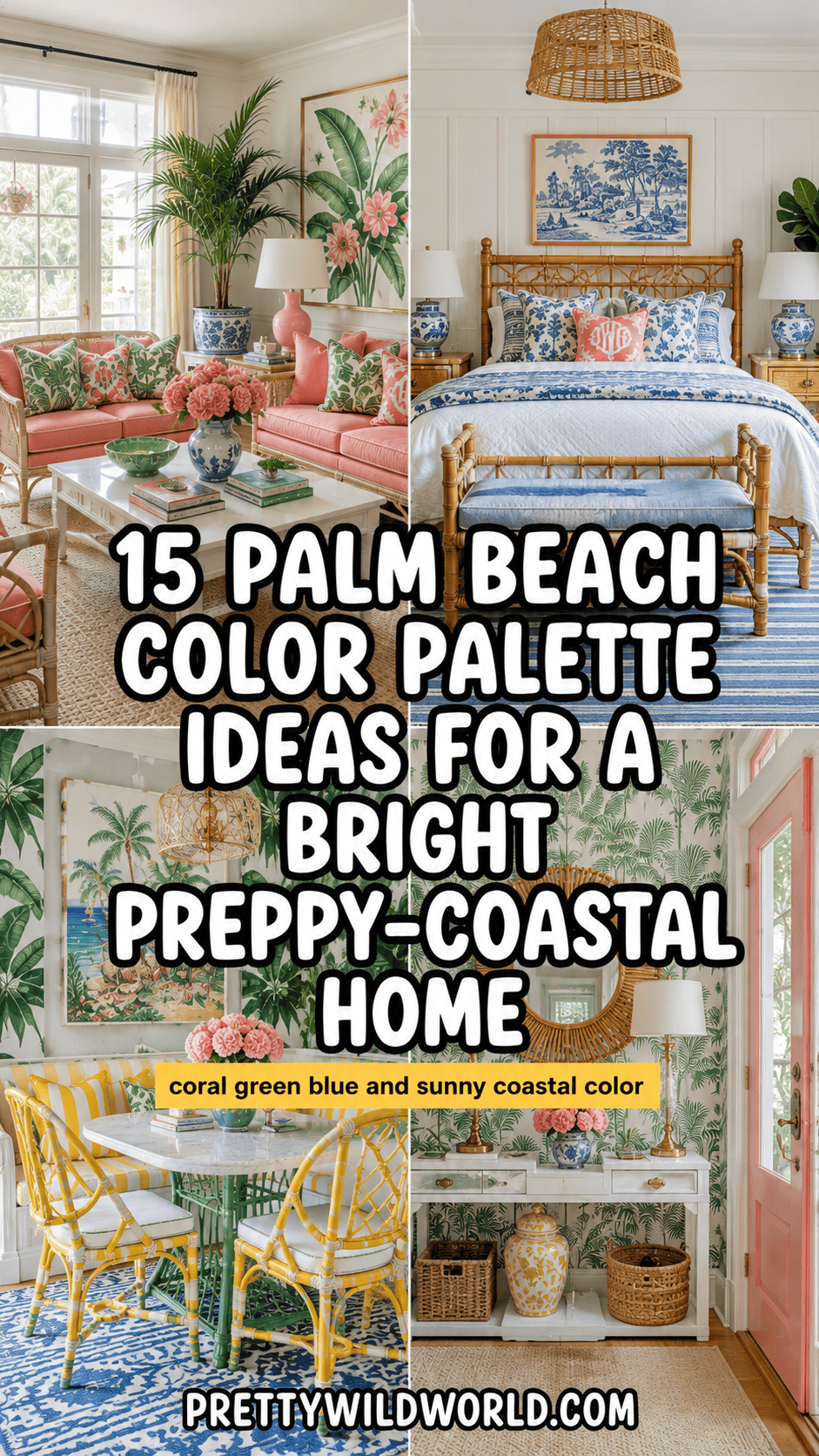
Quick Answer: A Palm Beach color palette is bold on purpose, that is the whole point of the style. It pairs bright preppy-coastal colors, hot pink, lime green, turquoise, sunny yellow, with crisp white and natural rattan tones, used confidently rather than timidly. The 15 palettes below give hex codes and paint names, and each one shows how to keep the color bold but still balanced, so a Palm Beach room reads cheerful and collected rather than loud or chaotic.
Here is the thing about Palm Beach color: the bold is not a mistake to manage, it is the entire point. People come to this style and then quietly water it down, a hint of pink here, a pale wash of green there, and end up with a generic coastal room. Palm Beach decor done right is unapologetic. Hot pink, lime green, turquoise, and sunny yellow are not accents you sneak in. They are the room.
What makes that work, rather than reading as chaos, is balance and confidence, not restraint. The bright colors get anchored by crisp white and the natural tones of rattan, bamboo, and wicker, and they get used in clear, deliberate ways rather than scattered randomly. Bold and balanced are not opposites here. The balance is what lets you go bold.
The 15 palettes below give exact hex codes and paint names, and each one shows how to keep the color bold but still composed. They live in the same bright, sunlit world as a cheerful coastal dining room and a welcoming coastal entryway, just turned up to full preppy-coastal volume.
Going bold with a Palm Beach palette and worried it will read loud instead of cheerful?
The Aesthetic Apartment Makeover Guide walks you through placing bold color room by room, so a bright Palm Beach palette lands confident and collected rather than chaotic.
Recommended Palm Beach Color Decor
Six pieces that carry a bold, preppy-coastal Palm Beach palette into a room, from bright textiles to natural rattan.


Recommended blogs to read:
The Bright Anchor Colors of Palm Beach Style
Every Palm Beach palette starts with a bold anchor color, and the confidence to commit to it is what separates the real style from a watered-down coastal look. These are the bright, preppy-coastal hues, hot pink, lime green, turquoise, sunny yellow, that the whole style is built around, and they are meant to be used generously.
What keeps a bold anchor from overwhelming a room is the supporting cast: crisp white and the warm natural tones of rattan and bamboo. The palettes below each pair one confident anchor with that grounding pair, so the color reads as deliberate and cheerful rather than loud.
1. Hot Pink, White, and Rattan


Hot pink is the signature Palm Beach color, and this is the palette to use when you want to commit fully to the look. A true, bright hot pink (around #E84B8A) is the bold anchor, used generously on walls, a sofa, or major upholstery rather than just a cushion. Crisp white (#FBFAF6) balances it on trim, ceilings, and a share of the furnishings, giving the pink room to breathe. Natural rattan and bamboo tones (#C9A66B) ground the whole scheme through furniture and accessories, adding warmth that keeps the pink from feeling cold or candy-like. This is the most confident Palm Beach palette, and it works beautifully in a living room, a bedroom, or a sunroom where you want pure, joyful color.
2. Lime Green, White, and Bamboo


Lime green is the fresh, zesty Palm Beach anchor, and it brings an instant garden-bright energy to a room. Use a true lime green (#A8C84B), not a muted sage, on walls, cabinetry, or a statement piece of furniture, and let it be the clear star. Crisp white (#FBFAF6) carries the trim and the bulk of the room, keeping the lime from feeling overwhelming, and natural bamboo tones (#C9A66B) ground it through furniture and accents. The combination reads crisp, cheerful, and unmistakably preppy-coastal. This palette is wonderful in a kitchen, a sunroom, or an entryway, anywhere you want a jolt of fresh, happy color. The key, as always with Palm Beach, is committing to the lime rather than diluting it into something safer.
3. Turquoise, White, and Coral

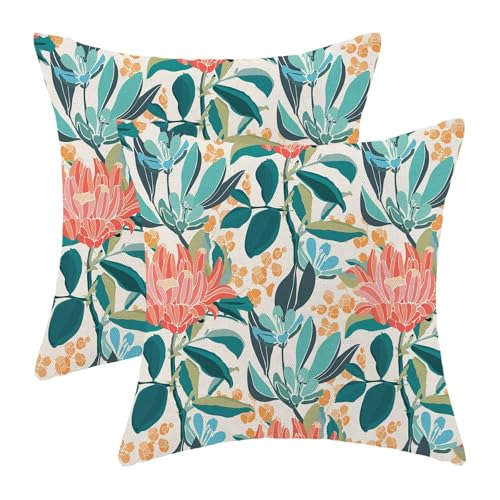

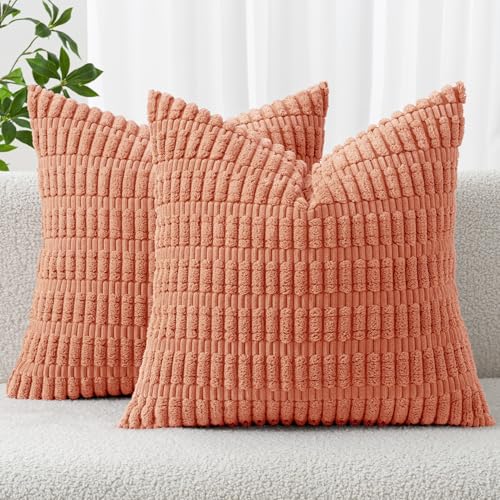
Turquoise is the most ocean-tied Palm Beach color, and pairing it with coral creates a classic, lively preppy-coastal palette. Use a bright turquoise (#3FB8AF) as the bold anchor on walls or major upholstery, balance it with crisp white (#FBFAF6), and add coral (#F08A6D) as the lively secondary color in textiles, lamps, and accessories. The turquoise-and-coral pairing is energetic and beachy without ever feeling muted or generic. Natural rattan tones tie it together. This palette is especially good in a bedroom, a bathroom, or a living room where you want the color to feel connected to the water just outside. It is bold and balanced at once, the turquoise commits, the white grounds, and the coral keeps it lively.
4. Sunny Yellow, White, and Navy

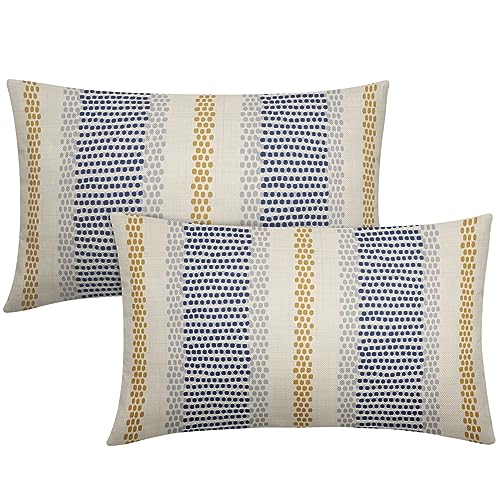
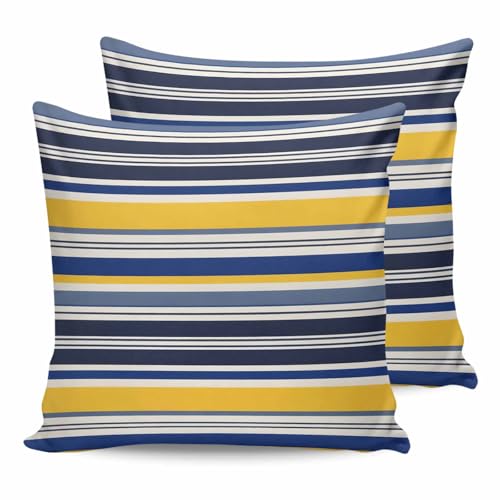

Sunny yellow is the cheerful, sunlit Palm Beach anchor, and pairing it with navy gives the bright color a crisp, preppy structure. Use a true sunny yellow (#F4C430) generously, on walls, a painted piece, or major textiles, and balance it with plenty of crisp white (#FBFAF6). Navy (#2A3A52) comes in as a sharp, grounding accent in cushions, lampshades, or trim, which keeps the yellow from feeling like it is floating. The yellow-white-navy combination is bright but tailored, the preppy side of preppy-coastal. This palette suits a kitchen, a home office, or a living room, anywhere you want energizing color with a bit of crisp definition. The navy is what lets the yellow be as bold as it wants to be.
5. Kelly Green, White, and Pink


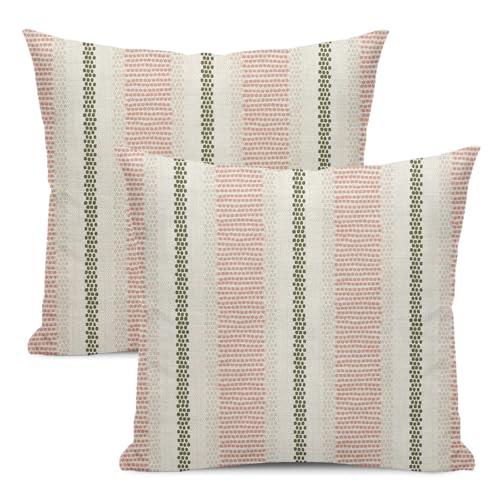
Kelly green is the rich, preppy Palm Beach anchor, deeper and more saturated than lime, and pairing it with pink creates one of the style’s most beloved color stories. Use a true kelly green (#3C8C4A) boldly on walls or upholstery, balance it with crisp white (#FBFAF6), and bring in a bright pink (#E84B8A) as the spirited secondary color in textiles and accessories. The green-and-pink combination is the heart of preppy-coastal style, classic, cheerful, and confident. Natural rattan tones warm it up. This palette is gorgeous in a bedroom, a sunroom, or a living room where you want that quintessential Palm Beach color pairing. It is the palette that most clearly says preppy-coastal, and it rewards going all in on both colors.
Palm Beach Palettes Built on Bold Pairings
Beyond a single anchor color, some of the best Palm Beach palettes are built on two bold colors used together. This is where the style gets its most confident, and where the bold-but-balanced rule does its hardest work, because two bright colors need clear roles and plenty of white to coexist happily.
The trick with a two-bold palette is giving each color its own clear territory rather than mixing them everywhere, and letting white be the generous peacemaker between them. The palettes below pair two confident Palm Beach colors, each with a note on how to keep the pairing energetic rather than overwhelming.
6. Hot Pink and Lime Green


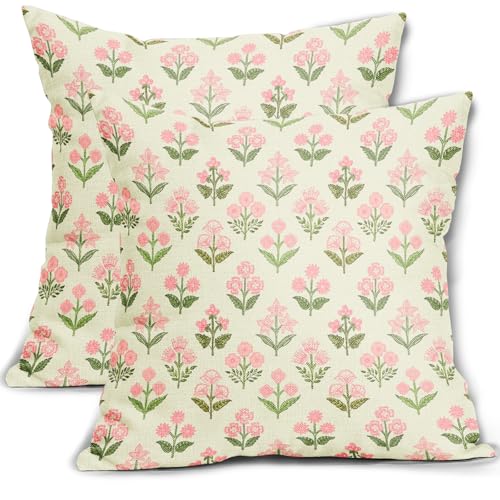

Hot pink and lime green together is Palm Beach style at its most joyfully bold, the pairing that defines the look for many people. To make two such bright colors work, give each a clear role: let hot pink (#E84B8A) dominate one area, walls or the main upholstery, and use lime green (#A8C84B) as the energetic secondary in cushions, lamps, or a painted accent piece. Crisp white (#FBFAF6) must be generous throughout to give both colors breathing room. Natural rattan grounds it. The result is unapologetically cheerful and unmistakably preppy-coastal. This palette is best in a room you want to feel like pure sunshine, a sunroom, a living room, a guest bedroom, and it rewards full commitment to both colors.
7. Turquoise and Sunny Yellow

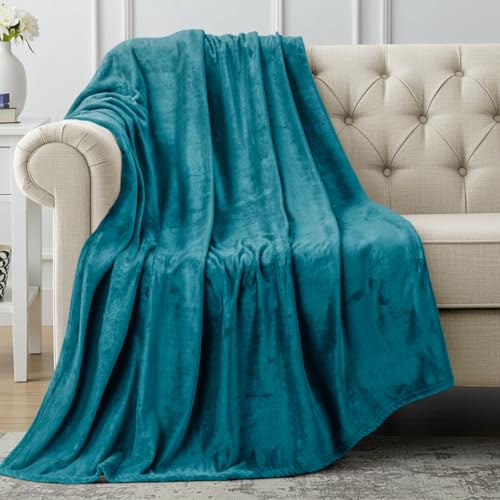

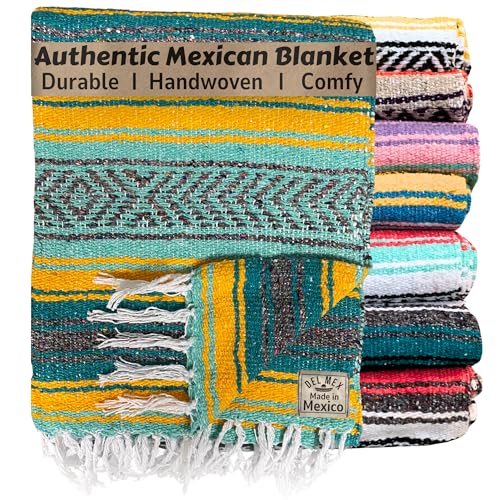
Turquoise and sunny yellow is a fresh, beachy two-bold Palm Beach palette that feels like sea and sunshine together. Give turquoise (#3FB8AF) the lead on walls or major upholstery, and use sunny yellow (#F4C430) as the bright secondary in textiles, ceramics, and accents. As always, crisp white (#FBFAF6) needs to be generous to keep the two brights from competing, and natural bamboo tones add grounding warmth. The combination is energetic and sunlit without tipping into chaos, because each color has its own clear job. This palette works beautifully in a kitchen, a sunroom, or a bathroom where you want a bright, water-and-sun feeling. It is bold and cheerful, and the white is what makes the pairing sing rather than shout.
8. Kelly Green and Navy

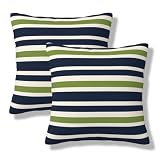

Kelly green and navy is the most tailored, preppy of the two-bold Palm Beach palettes, leaning into the country-club end of the style. Use kelly green (#3C8C4A) boldly on walls or upholstery, and bring navy (#2A3A52) in as the deep, structured secondary in cushions, trim, or a painted piece. Crisp white (#FBFAF6) keeps it fresh and stops the two deep colors from feeling heavy together. The green-and-navy pairing is rich, confident, and distinctly preppy-coastal, with a slightly more grown-up, polished feel than the pink-forward palettes. This works wonderfully in a study, a dining room, or a living room where you want bold Palm Beach color with a crisp, tailored edge. The white relief is essential to keep it from going dark.
9. Coral and Turquoise

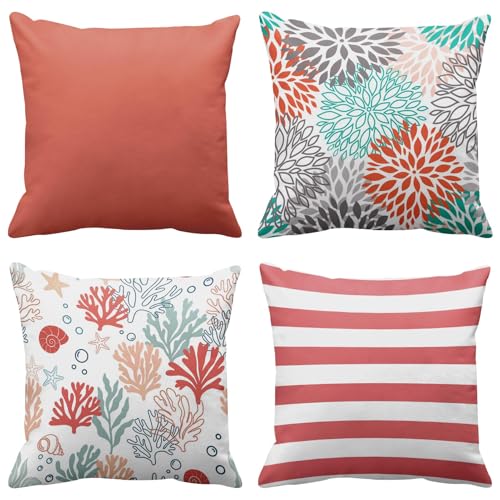

Coral and turquoise is a warm-meets-cool two-bold Palm Beach palette that captures the feeling of a tropical sunset over the water. Let coral (#F08A6D) take a leading role on upholstery or a painted piece, and use turquoise (#3FB8AF) as the cool, lively secondary in textiles, lamps, and accessories. Generous crisp white (#FBFAF6) balances the pairing, and natural rattan tones warm it. The contrast of warm coral against cool turquoise is what gives this palette its energy, and each color staying in its own lane is what keeps it composed. This palette is lovely in a bedroom, a living room, or a sunroom. It is one of the more sophisticated bold pairings, lively but with a softer, sunset-toned warmth to it.
10. Lime Green and Turquoise


Lime green and turquoise is a cool, zesty two-bold Palm Beach palette that feels fresh, modern, and full of energy. Give lime green (#A8C84B) the lead on walls or a major piece, and use turquoise (#3FB8AF) as the equally bright secondary in textiles and accents. Because both colors are vivid and fairly close in intensity, crisp white (#FBFAF6) has to be especially generous here, acting as the clear separator that keeps them from blending into visual noise. Natural bamboo grounds it. The result is youthful, lively, and unmistakably tropical. This palette suits a sunroom, a bathroom, or a kid’s room beautifully. It is one of the boldest pairings in the style, and the discipline of plenty of white is what makes it read crisp rather than chaotic.
Want to pair two bold colors in one room without it tipping into visual noise?
The Aesthetic Apartment Makeover Guide shows you how to give each bold color a clear role and balance them with white, so a two-color Palm Beach room stays crisp and confident.
Softer and Pattern-Led Palm Beach Palettes
Not every Palm Beach room has to be at full volume on every wall. There is a softer end of the palette, still bold, still confident, but with the bright color concentrated into pattern and accents rather than spread across whole walls. This is Palm Beach style for people who want the look without painting a room hot pink.
The key here is that the color is still bold where it appears, it is just placed more selectively, often carried by a hero pattern like palm fronds, trellis, or chinoiserie. The palettes below show how to keep the Palm Beach confidence while letting white and pattern do more of the work.
11. White, Rattan, and a Pop of Pink

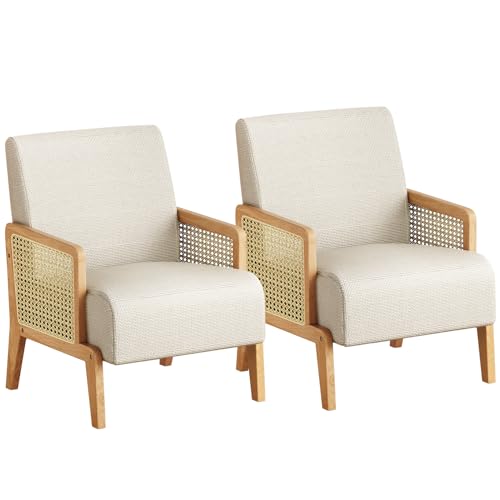

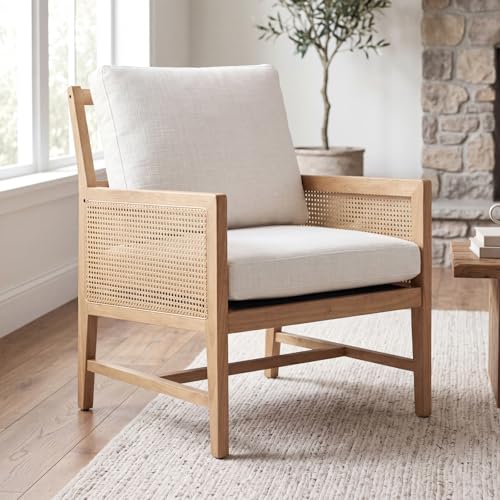
This is the gateway Palm Beach palette, mostly crisp white and natural rattan, with hot pink concentrated into bold pops. Let white (#FBFAF6) carry the walls and the bulk of the room, let natural rattan tones (#C9A66B) provide the warm structure through furniture, and then commit fully to hot pink (#E84B8A) wherever it appears, in major cushions, a painted piece, a statement chair. The discipline is that the pink is still bold, just concentrated. This palette gives you the Palm Beach feeling with less commitment, and it is forgiving and very livable. It works in almost any room, a living room, a bedroom, a home office, and it is the easiest Palm Beach palette to start with before going bolder.
12. White, Green, and Palm-Frond Pattern


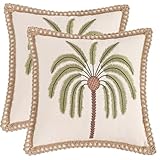
A palm-frond print is the most iconic Palm Beach pattern, and built into a palette it lets you carry bold green through a room without painting walls. Keep the walls and most upholstery crisp white (#FBFAF6), then let a bold green-and-white palm-frond pattern be the hero, on curtains, a sofa, an accent chair, or a single papered wall. Pull a solid green (#3C8C4A) from the print into a few cushions or accents to echo it. Natural rattan grounds it. The pattern is what carries the color and the energy, so the room feels lush and tropical while staying mostly white and calm. This palette is wonderful in a sunroom, a bedroom, or a living room, and the palm print does the bold work for you.
13. White, Blue, and Bamboo Trellis

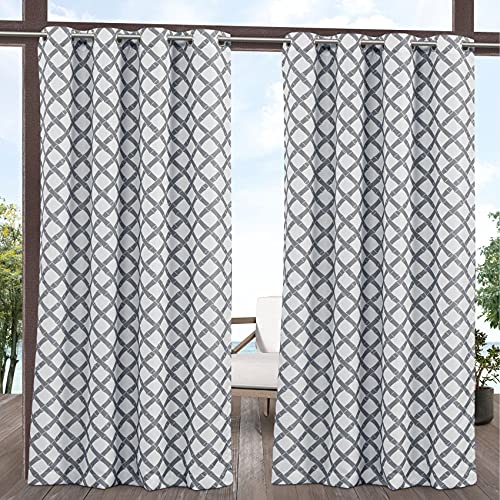
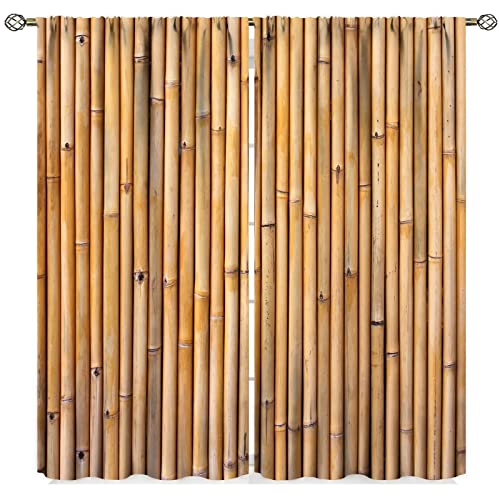
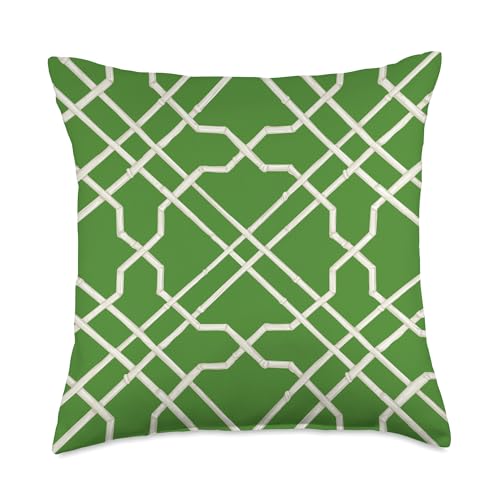
A bamboo trellis pattern brings a crisp, architectural, distinctly Palm Beach structure to a palette. Keep the base crisp white (#FBFAF6), let a blue-and-white bamboo trellis pattern be the hero on wallpaper, curtains, or upholstery, and use a clear blue (#3FB8AF or a brighter cobalt) in solid accents to support it. Natural bamboo tones tie it together. The trellis pattern gives the room a tailored, preppy geometry, and because it is blue-and-white, it reads fresh and classic while still feeling bold. This palette suits an entryway, a powder room, or a study beautifully. It is a slightly more restrained, geometric take on Palm Beach style, where the pattern provides the confidence and the white keeps everything crisp and bright.
14. White, Coral, and Chinoiserie


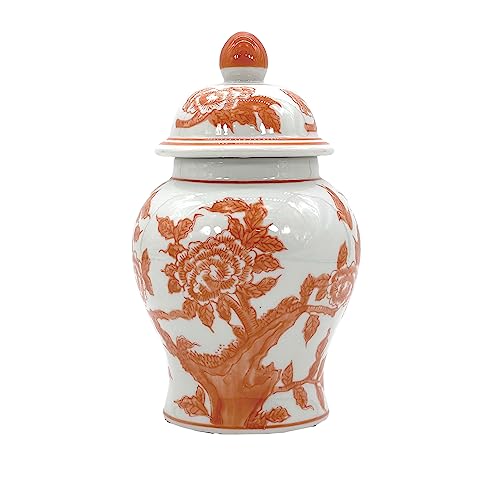
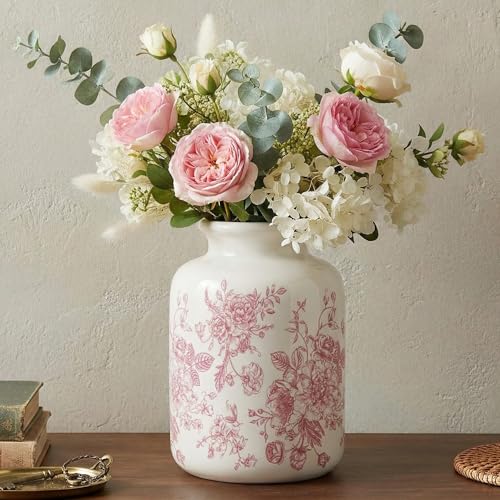
Chinoiserie pattern brings an elegant, collected note to Palm Beach style, the more refined end of preppy-coastal. Keep the room mostly crisp white (#FBFAF6), let a colorful chinoiserie print, ideally one with coral, green, and blue in it, be the hero on a folding screen, framed panels, or an accent wall, and pull coral (#F08A6D) from the print into solid cushions and accessories. Natural rattan grounds it. The chinoiserie pattern carries the bold color and a sense of worldly elegance, so the room feels both lively and a touch sophisticated. This palette is lovely in a dining room, a bedroom, or a living room where you want Palm Beach color with a more grown-up, layered feel. The pattern is the statement, the white keeps it light.
15. White, Yellow, and Scalloped Accents


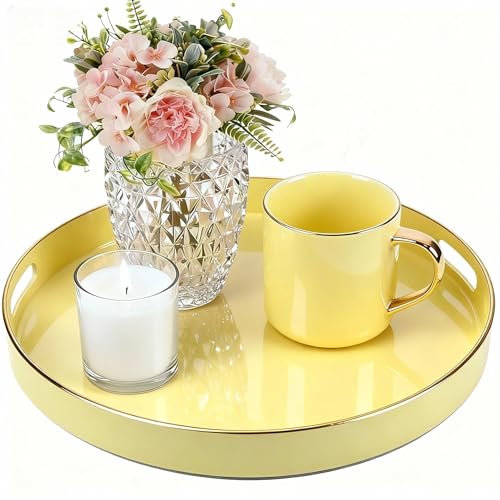
This palette carries Palm Beach color through cheerful sunny yellow concentrated in scalloped and bamboo-detailed accent pieces. Keep the room crisp white (#FBFAF6) with natural rattan and bamboo structure, and use sunny yellow (#F4C430) boldly but selectively, on a scalloped lampshade, a painted scalloped mirror, a band of cushions, a yellow garden stool. The scalloped and bamboo shapes are themselves a Palm Beach signature, so the yellow rides along with that decorative detailing. The result is bright and happy but mostly white, with the color delivered in confident, charming pops. This palette works in almost any room and is especially good for renters or anyone wanting the Palm Beach feeling through furniture and accents rather than paint. It is bold, just in concentrated, decorative form.
How to Use a Palm Beach Palette Confidently
The rule that makes a Palm Beach palette work is bold-but-balanced, and the emphasis is genuinely on bold. Commit to your anchor color, hot pink, lime, turquoise, yellow, kelly green, and use it generously rather than timidly, because a watered-down Palm Beach room just reads as generic coastal. The confidence is the style. What keeps that confidence from becoming chaos is the supporting cast: crisp white used generously, and the warm natural tones of rattan and bamboo grounding everything.
When you use two bold colors, give each a clear territory and let white be the generous space between them. When you want a softer take, concentrate the bold color into a hero pattern or confident accents rather than diluting it across the whole room. Either way, the color stays bold; only its placement changes. To carry these palettes into a full room, the Palm Beach furniture guide shows the rattan and lacquer pieces to build them around, and the Palm Beach on a budget guide covers getting these bright paint colors and pieces affordably.
Frequently Asked Questions
What colors define a Palm Beach palette?
A Palm Beach palette is built on bold, bright preppy-coastal colors: hot pink, lime green, turquoise, sunny yellow, kelly green, and coral, with navy as a tailored accent. These bold colors are anchored by crisp white and the warm natural tones of rattan and bamboo. The defining quality is that the bright colors are used confidently and generously, not as timid accents.
How do I keep a bold Palm Beach palette from looking loud?
Balance, not restraint, is the answer. Anchor bold colors with generous crisp white and the warm natural tones of rattan and bamboo, and use each bright color in clear, deliberate areas rather than scattering it randomly. When pairing two bold colors, give each its own clear territory and let white be the generous space between them. The balance is what lets the color stay bold.
Can I do Palm Beach style without painting walls bright colors?
Yes. The softer Palm Beach palettes keep walls crisp white and natural rattan, then concentrate bold color into a hero pattern, like palm fronds, bamboo trellis, or chinoiserie, or into confident accent pieces. The color is still bold where it appears; it is simply placed more selectively. This approach gives the full Palm Beach feeling and is ideal for renters or anyone hesitant to paint.
What patterns work in a Palm Beach palette?
The signature Palm Beach patterns are palm-frond prints, bamboo trellis, and colorful chinoiserie, and each carries bold color through a room without requiring painted walls. The approach is to choose one hero pattern, let it carry the color and energy, and pull a solid shade from the pattern into a few accents to echo it, keeping the rest of the room crisp white.
How much white should a Palm Beach room have?
Generous amounts. Crisp white is the essential balancing element in every Palm Beach palette, carrying trim, ceilings, and a meaningful share of the walls and furnishings. White gives bold anchor colors room to breathe, and when two bright colors are paired, white is the clear separator between them. Without enough white, even a well-chosen bold palette tips from confident into chaotic.
Key Takeaways
- A Palm Beach palette is bold on purpose, the bright preppy-coastal color is the whole point of the style.
- The anchor colors are hot pink, lime green, turquoise, sunny yellow, kelly green, and coral, used confidently.
- Crisp white and natural rattan and bamboo tones are the balancing cast that lets the bold color stay bold.
- Two-bold palettes work when each color gets a clear territory and white is the generous space between them.
- For a softer take, concentrate the bold color into a hero pattern or accents rather than diluting it everywhere.
Final Thoughts
A Palm Beach palette is not a coastal palette with a few bright accents, it is bold preppy-coastal color used with full confidence. Commit to your anchor, hot pink, lime, turquoise, yellow, kelly green, use it generously, and let crisp white and natural rattan balance it. Bold and balanced are partners here, the balance is exactly what gives you permission to go bold.
Pick your anchor, give it room, and resist the urge to water it down. For a calmer take on the same sunlit world, a bright coastal hallway uses the white-and-rattan base without the bold color, and a coastal home office shows how that base reads in a working room. Go bold, balance it well, and a Palm Beach room reads cheerful, confident, and full of sunshine.