
Quick Answer: Coastal kitchen decor should soften a hardworking room with natural materials and light. Use linen towels, glass jars, pale wood, woven trays, relaxed lighting, herbs, blue accents, and open shelves that look edited rather than busy.
A coastal kitchen can get kitschy fast if every surface tries to announce the theme. The better version feels cleaner: pale wood, glass jars, linen towels, herbs, and one cool color near the sink or shelves.
Because kitchens work hard, every object needs to earn its place. A tray should gather things, a lamp should soften the counter, and open shelving should make daily pieces look calmer, not busier.
If it would get in the way while cooking, it probably does not belong on the counter.
Want the seasonal refresh to feel pulled together?
The Aesthetic Apartment Makeover Guide helps you choose a palette, layer texture, and style each room in the right order so the finished space feels intentional.

Recommended Coastal Kitchen Decor
The best finds for this topic are pieces that change the mood and still earn their place: lighting, textiles, trays, planters, vases, baskets, glassware, and natural textures that support real life.


Recommended blogs to read:
- coastal home decor ideas
- coastal exterior ideas
- summer home decor ideas
- summer kitchen decor
- summer entry table decor
- summer hallway decor
If the room feels close but unfinished, look at the layers.
The guide can help you decide what to edit, what to repeat, and where to add the detail that finally makes the room feel finished.
16 Coastal Kitchen Decor Ideas for a Light Relaxed Cooking Space
Use these ideas as a menu, not a checklist. The best coastal rooms usually need light, texture, and restraint more than literal beach references.
1. Linen Towels by the Sink


The room needs one clear reason for this piece to be here. Use the linen towels by the sink as a quiet layer, then let sunlight and natural texture do most of the work. Keep the nearest surface edited so the shape and texture have room to register.
Seagrass, rattan, linen, jute, weathered wood, ceramic, glass, and soft blue-gray tones are enough to carry the look. The more literal the decor becomes, the more important it is to pull back and let the materials speak. For a related next read, see coastal home decor ideas.
If the home is actually near salt air or strong sun, durability matters. Choose finishes that can age gracefully rather than pieces that only look good on the first day.
2. Glass Jars With Wood Lids


Light, scale, and empty space decide whether this works. The freshest version of the glass jars with wood lids feels breezy without turning the room into a souvenir shop. The goal is a room that feels cared for and still easy to use.
Seagrass, rattan, linen, jute, weathered wood, ceramic, glass, and soft blue-gray tones are enough to carry the look. The more literal the decor becomes, the more important it is to pull back and let the materials speak. For a related next read, see coastal exterior ideas.
Keep shells, rope, and beach signs rare. One subtle object can feel personal, while a room full of references starts to feel themed. Notice how the room behaves after the first layer is in place. If the area feels calmer, brighter, or easier to use, stop there before the styling starts to look busy.
3. Pale Wood Cutting Boards


Start with what this spot has been failing to do. In a coastal home, the pale wood cutting boards should suggest light, air, and texture before it suggests a theme. The goal is a room that feels cared for and still easy to use.
Seagrass, rattan, linen, jute, weathered wood, ceramic, glass, and soft blue-gray tones are enough to carry the look. The more literal the decor becomes, the more important it is to pull back and let the materials speak. For a related next read, see summer home decor ideas.
Keep shells, rope, and beach signs rare. One subtle object can feel personal, while a room full of references starts to feel themed.
4. Woven Counter Tray


The eye notices this detail faster than people expect. Let a woven counter tray bring the beach feeling through material rather than obvious nautical references. Try it in afternoon light and again at night before adding another piece.
Seagrass, rattan, linen, jute, weathered wood, ceramic, glass, and soft blue-gray tones are enough to carry the look. The more literal the decor becomes, the more important it is to pull back and let the materials speak. For a related next read, see summer kitchen decor.
Keep shells, rope, and beach signs rare. One subtle object can feel personal, while a room full of references starts to feel themed.
5. Blue Ceramic Crock


A narrow room needs a different kind of confidence. A coastal room benefits when a blue ceramic crock feels relaxed, durable, and easy to live with. One anchor and one finishing detail are usually enough.
Seagrass, rattan, linen, jute, weathered wood, ceramic, glass, and soft blue-gray tones are enough to carry the look. The more literal the decor becomes, the more important it is to pull back and let the materials speak. For a related next read, see summer entry table decor.
Light is part of the decor. Mirrors, pale textiles, glass, and open sightlines can do as much as another accessory.
6. Rattan Counter Stools

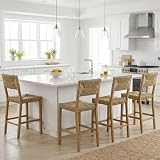

The material choice matters more than the accessory count. Use the rattan counter stools as a quiet layer, then let sunlight and natural texture do most of the work. The goal is a room that feels cared for and still easy to use.
Seagrass, rattan, linen, jute, weathered wood, ceramic, glass, and soft blue-gray tones are enough to carry the look. The more literal the decor becomes, the more important it is to pull back and let the materials speak.
Keep shells, rope, and beach signs rare. One subtle object can feel personal, while a room full of references starts to feel themed.
7. Coastal Runner Rug

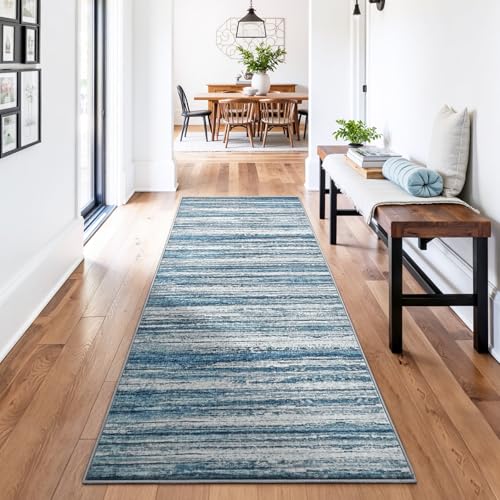

This idea earns its place when it changes the routine. The freshest version of a coastal runner rug feels breezy without turning the room into a souvenir shop. Keep the nearest surface edited so the shape and texture have room to register.
Seagrass, rattan, linen, jute, weathered wood, ceramic, glass, and soft blue-gray tones are enough to carry the look. The more literal the decor becomes, the more important it is to pull back and let the materials speak.
If the home is actually near salt air or strong sun, durability matters. Choose finishes that can age gracefully rather than pieces that only look good on the first day. Notice how the room behaves after the first layer is in place. If the area feels calmer, brighter, or easier to use, stop there before the styling starts to look busy.
8. Small Counter Lamp


A quiet surface can still carry a lot of mood. In a coastal home, a small counter lamp should suggest light, air, and texture before it suggests a theme. If the space already has pattern, let this layer stay softer.
Seagrass, rattan, linen, jute, weathered wood, ceramic, glass, and soft blue-gray tones are enough to carry the look. The more literal the decor becomes, the more important it is to pull back and let the materials speak.
A little contrast keeps coastal rooms from going flat. Pale walls feel better with woven texture, aged wood, greenery, or one deeper blue-gray note.
Pause before adding another piece.
If the room already has color, texture, and light, editing may be the move that makes it feel more expensive.
9. Herb Pot by the Window


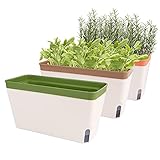

The strongest move is often the one that edits the area around it. Let a herb pot by the window bring the beach feeling through material rather than obvious nautical references. Keep the nearest surface edited so the shape and texture have room to register.
Seagrass, rattan, linen, jute, weathered wood, ceramic, glass, and soft blue-gray tones are enough to carry the look. The more literal the decor becomes, the more important it is to pull back and let the materials speak.
A little contrast keeps coastal rooms from going flat. Pale walls feel better with woven texture, aged wood, greenery, or one deeper blue-gray note.
10. Open Shelf Edit

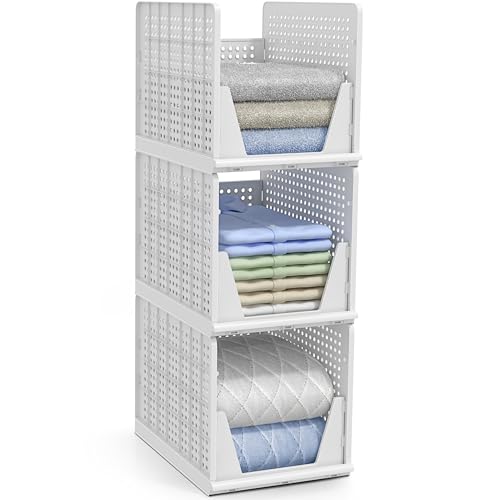

A practical object looks better when its shape has been considered. A coastal room benefits when an open shelf edit feels relaxed, durable, and easy to live with. Keep the nearest surface edited so the shape and texture have room to register.
Seagrass, rattan, linen, jute, weathered wood, ceramic, glass, and soft blue-gray tones are enough to carry the look. The more literal the decor becomes, the more important it is to pull back and let the materials speak.
If the home is actually near salt air or strong sun, durability matters. Choose finishes that can age gracefully rather than pieces that only look good on the first day.
11. White Pitcher With Branches




The room needs one clear reason for this piece to be here. Use the white pitcher with branches as a quiet layer, then let sunlight and natural texture do most of the work. If the space already has pattern, let this layer stay softer.
Seagrass, rattan, linen, jute, weathered wood, ceramic, glass, and soft blue-gray tones are enough to carry the look. The more literal the decor becomes, the more important it is to pull back and let the materials speak.
Light is part of the decor. Mirrors, pale textiles, glass, and open sightlines can do as much as another accessory.
12. Soft Blue Dishware


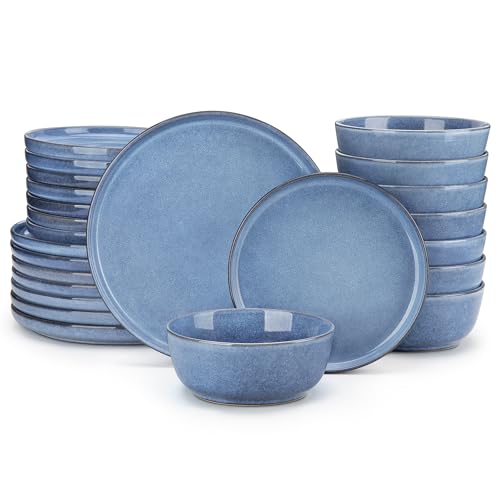
Light, scale, and empty space decide whether this works. The freshest version of a soft blue dishware feels breezy without turning the room into a souvenir shop. Repeat one color or material nearby so the detail feels connected.
Seagrass, rattan, linen, jute, weathered wood, ceramic, glass, and soft blue-gray tones are enough to carry the look. The more literal the decor becomes, the more important it is to pull back and let the materials speak.
If the home is actually near salt air or strong sun, durability matters. Choose finishes that can age gracefully rather than pieces that only look good on the first day. Notice how the room behaves after the first layer is in place. If the area feels calmer, brighter, or easier to use, stop there before the styling starts to look busy.
13. Warm Wood Bar Stool


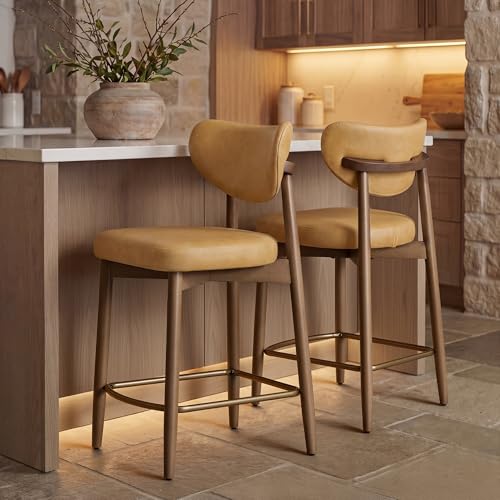
Start with what this spot has been failing to do. In a coastal home, a warm wood bar stool should suggest light, air, and texture before it suggests a theme. If the space already has pattern, let this layer stay softer.
Seagrass, rattan, linen, jute, weathered wood, ceramic, glass, and soft blue-gray tones are enough to carry the look. The more literal the decor becomes, the more important it is to pull back and let the materials speak.
Keep shells, rope, and beach signs rare. One subtle object can feel personal, while a room full of references starts to feel themed.
14. No-Nautical Art



The eye notices this detail faster than people expect. Let a no-nautical art bring the beach feeling through material rather than obvious nautical references. One anchor and one finishing detail are usually enough.
Seagrass, rattan, linen, jute, weathered wood, ceramic, glass, and soft blue-gray tones are enough to carry the look. The more literal the decor becomes, the more important it is to pull back and let the materials speak.
For exteriors, connect the entry to the landscape. Planters, path lighting, shade, and simple house numbers will feel more refined than a pile of beach props.
15. Clear Prep Zone


A narrow room needs a different kind of confidence. A coastal room benefits when a clear prep zone feels relaxed, durable, and easy to live with. Repeat one color or material nearby so the detail feels connected.
Seagrass, rattan, linen, jute, weathered wood, ceramic, glass, and soft blue-gray tones are enough to carry the look. The more literal the decor becomes, the more important it is to pull back and let the materials speak.
If the home is actually near salt air or strong sun, durability matters. Choose finishes that can age gracefully rather than pieces that only look good on the first day.
16. Evening Kitchen Glow




The material choice matters more than the accessory count. Use an evening kitchen glow as a quiet layer, then let sunlight and natural texture do most of the work. Repeat one color or material nearby so the detail feels connected.
Seagrass, rattan, linen, jute, weathered wood, ceramic, glass, and soft blue-gray tones are enough to carry the look. The more literal the decor becomes, the more important it is to pull back and let the materials speak.
A little contrast keeps coastal rooms from going flat. Pale walls feel better with woven texture, aged wood, greenery, or one deeper blue-gray note.
Frequently Asked Questions
What is the easiest way to start with coastal kitchen decor ideas?
Start with light and texture: linen, rattan, seagrass, pale wood, glass, and soft blue or sand tones. Add obvious beach references last, if at all.
How do I make coastal decor look current?
Use natural materials and restraint instead of nautical props. The fresher look feels breezy, durable, and relaxed without being literal.
What colors work best for coastal decor?
Warm white, sand, oatmeal, driftwood, soft blue, blue-gray, sea glass green, and small black or brass accents all work beautifully.
What materials are best for coastal style?
Linen, cotton, seagrass, jute, rattan, teak, weathered wood, ceramic, and glass create texture without making the room feel themed.
Can coastal decor work away from the beach?
Yes. Focus on light, air, texture, and relaxed materials rather than shells or signs. That makes the style feel natural in any home.
Key Takeaways
- Start with one clear coastal mood before buying accents.
- Repeat two or three colors so the room feels connected.
- Use practical pieces first, then layer decorative moments where they will be noticed.
- Leave space around the strongest object or surface.
- Choose materials and lighting that still feel useful after the trend or season changes.
Final Thoughts
Coastal kitchen decor ideas works best when it supports the way the room is actually used. The prettiest updates are usually the ones that make a surface easier, a corner brighter, or a gathering feel more relaxed. That practical layer matters because beautiful rooms are easier to keep when the styling supports the habits already happening there.
Start with the idea that changes the mood most, then edit around it. When the colors repeat, the materials feel good, and the room still has breathing room, the whole space feels refreshed without feeling forced. A good final pass is to remove the smallest unnecessary piece, check the view from the doorway, and make sure the room still supports the routine that happens there every day.