Quick Answer: The best things to do in Banaue are taking in the famous Banaue Rice Terraces from the 20-peso-bill viewpoint, hiking the UNESCO-listed Batad amphitheater terraces, trekking to Tappiya Falls, and visiting Ifugao family homes. Plan two days and one night to do it justice, and pack for cool mountain weather.
The first time you stand at the Banaue viewpoint, the scale does not quite compute. Entire mountainsides have been carved into staircases of rice paddies, by hand, by the Ifugao people, over two thousand years. They call it the Eighth Wonder of the World and for once the hype undersells it.
This is the Cordillera region of northern Luzon, a long winding drive from Manila and worlds away from the country’s beaches. It is cooler, greener, and slower, a place for hiking boots rather than flip-flops. Here are sixteen things to do across Banaue, Batad, and the surrounding highlands.
Mapping a Philippines highlands trip and want the logistics handled?
The Ultimate Budget Planner keeps transport, guides, stays, and spend in one clear plan. It is currently just $17 before the price goes up to $27.
Best Hotels in Banaue
- Banaue Hotel and Youth Hostel. The long-standing town hotel with terrace views and an easy base for tours.
- Native Village Inn. Traditional Ifugao huts perched on a ridge with panoramic terrace views.
- Batad Transient House. A simple guesthouse right in Batad, ideal for sunrise over the amphitheater.
- Ramon’s Homestay, Batad. A classic backpacker homestay with home-cooked meals and unbeatable views.
- Uyami’s Greenview Lodge. A reliable Banaue town option close to transport and the viewpoints.
Best Tours in Banaue
- Batad Rice Terraces Day Tour. Guided transport and a hike into the UNESCO amphitheater terraces.
- Batad to Tappiya Falls Trek. A half-day hike across the terraces to the hidden waterfall.
- Banaue Viewpoints and Village Tour. The classic lookouts plus a visit to Ifugao family homes.
- Banaue to Sagada Combo Tour. Pair the terraces with the caves and hanging coffins of nearby Sagada.
- Multi-Day Cordillera Trek. A guided two- or three-day walk linking Batad, Cambulo, and Pula villages.
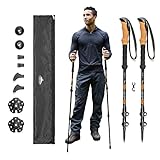
Recommended Banaue Trekking Products




Recommended blogs to read:
- Things to Do in Tagaytay, Philippines
- Things to Do in Coron, Palawan
- Versatile Travel Layering Ideas
- Camping and Trekking Essentials Checklist
16 Things to Do in Banaue and the Batad Rice Terraces
1. Take In the Banaue Viewpoint
The main Banaue terraces are the easily accessible introduction, and the famous viewpoint is the one printed on the 20-peso bill. Standing there, you grasp the sheer human effort involved across generations.
Several lookouts ring the town, each offering a slightly different angle on the green amphitheater. Ifugao elders in traditional dress often gather at the main viewpoint, and a small tip is customary for a photo.
2. Hike the Batad Amphitheater Terraces
Banaue town is the gateway, but Batad is where the real magic lives. About an hour away by road and then a short hike, the Batad terraces form a vast natural amphitheater and a UNESCO World Heritage Site.
There are no roads into the village itself, which keeps it gloriously quiet and authentic. Walking down into the terraces, on the narrow stone walls the Ifugao still farm, is the highlight of the whole trip.
3. Watch Sunrise Over Batad
Stay overnight in Batad if you can. Sunrise over the amphitheater, with mist clinging to the terraces and the first light catching the paddies, is the moment everyone remembers most.
A simple homestay with a home-cooked meal and that view is worth far more than a fancier room back in town. Set an alarm and bring a warm layer for the cool mountain dawn.
4. Trek to Tappiya Falls
From Batad, a hike across and below the terraces leads to Tappiya Falls, a powerful waterfall tucked into the valley with a pool at the base cold enough to take your breath.
The trek is steep and the return climb is a workout, so wear proper shoes and pace yourself. The reward is a genuine off-the-grid swim far from any crowd.
5. Visit Ifugao Family Homes
Local guides can walk you down into the terraces to visit family homes, where you might see rice threshed and pounded the traditional way. It is a respectful, grounding experience.
It turns a photo stop into something you actually understand, and the small fee supports the families who maintain these living terraces. Ask your guide before photographing people or homes.
6. See the Bangaan Rice Terraces
Bangaan is another of the UNESCO-inscribed terrace clusters, with a classic Ifugao village nestled at the base of the paddies. It is more easily reached than Batad and offers a postcard-perfect view from the roadside.
A short walk down into the village lets you see traditional houses up close. It pairs well with Batad on a fuller day of terrace-hopping.
7. Explore the Hapao and Hungduan Terraces
Beyond Banaue proper, the terraces around Hapao and Hungduan are quieter and less visited, with hot springs hidden among the paddies and far fewer tourists.
These are for travelers who want the terrace scenery without any crowds at all. A local guide and a bit of extra travel time open up some of the most peaceful corners of the Cordillera.
8. Take a Day Trip to Sagada
Nearby Sagada is famous for its hanging coffins, limestone caves, and pine-clad hills. It makes a popular extension or day trip from Banaue, with a completely different mountain-town character.
The Sumaguing Cave spelunking and the Echo Valley hanging coffins are the highlights. The drive over is scenic but long, so many travelers stay a night in Sagada itself.
9. Trek Between Mountain Villages
For the more ambitious, longer treks link Batad to the villages of Cambulo and Pula and back toward Banaue, a multi-day walk through some of the most beautiful and remote scenery in Luzon.
A local guide is essential and well worth it, both for the route and for the stories along the way. You sleep in simple village homestays and wake to terraces in every direction.
10. Visit the Banaue Museum
The small Banaue Museum gives useful context on Ifugao culture, the engineering of the terraces, and the rituals tied to the rice-growing cycle. It is a worthwhile stop before you head into the field.
The artifacts, photos, and exhibits deepen your appreciation of what you are about to walk through. An hour here makes the terraces themselves far more meaningful.
11. Try Traditional Ifugao Food
Highland cooking is hearty and distinct, built around the rice the terraces produce, mountain vegetables, and dishes like pinikpikan. Homestays and small eateries serve the most authentic versions.
The local heirloom rice, grown only on these terraces, is worth seeking out. A meal in a Batad homestay, eaten with that amphitheater view, is part of the experience.
12. Shop for Ifugao Handicrafts
Banaue is known for its woodcarving and weaving traditions, and the town’s shops and stalls sell hand-carved figures, woven textiles, and traditional crafts made by local artisans.
Buying directly supports the community, and the carvings make meaningful souvenirs with real provenance. Look for the distinctive bulul rice-guardian figures.
13. Catch the Imbayah Festival
If your timing lines up, the Imbayah Festival is a vibrant celebration of Ifugao heritage with traditional dances, native games, and rituals tied to the rice harvest, held every few years in Banaue.
Even outside the main festival, smaller cultural shows and harvest rituals happen throughout the year. Ask locally about any events during your visit.
14. Photograph the Terraces at Golden Hour
The terraces transform in the low light of early morning and late afternoon, when the water-filled paddies catch the sky and the carved walls throw long shadows. It is when the engineering reads most dramatically.
The planting season, roughly around the new year, fills the paddies with mirror-like water, while later in the year they turn brilliant green then gold. Each season offers a different photo.
15. Soak in a Mountain Hot Spring
Tucked among the terraces near Hapao are natural hot springs where you can soak tired legs after a day of trekking, surrounded by paddies and mountain quiet.
They are rustic and undeveloped, reached on foot with a guide, which is exactly their charm. It is the perfect reward at the end of a long hiking day.
16. Plan the Journey from Manila
Getting to Banaue is part of the adventure. It is a long overnight bus or drive from Manila, roughly nine to ten hours, climbing into the Cordillera mountains. The night bus is the most efficient option.
Build in buffer time, because mountain roads and weather do not always cooperate, and pack layers and a rain jacket even outside the wet season. The highlands are noticeably cooler than the lowlands.
Saving toward a bucket-list trip to the Philippines?
The Savings Tracker’s Planner turns the someday-trip into a real, fundable plan. It is currently just $17 before the price goes up to $27.
Frequently Asked Questions
What is Banaue famous for?
Banaue is famous for its ancient rice terraces, carved by hand into the Cordillera mountains by the Ifugao people over roughly two thousand years. They are often called the Eighth Wonder of the World, and the nearby Batad terraces are a UNESCO World Heritage Site.
Is Banaue or Batad better to visit?
Visit both. Banaue town is the accessible gateway with the famous viewpoints, while Batad, reached on foot, has the dramatic amphitheater terraces and a quieter feel. Staying overnight in Batad for sunrise is the highlight for most travelers.
How do you get to Banaue from Manila?
Most travelers take an overnight bus from Manila, a roughly nine to ten hour journey into the Cordillera mountains. Many pair the trip with nearby Sagada. Build in buffer time, as mountain roads and weather can cause delays.
How many days do you need in Banaue?
Two days and one night covers the main sights of Banaue and Batad, including the viewpoints, the amphitheater terraces, and Tappiya Falls. Keen hikers who want to trek between villages could comfortably spend three or more days.
Key Takeaways
- The Banaue Rice Terraces are the famous, accessible introduction, best seen from the 20-peso-bill viewpoint.
- Batad, reached on foot, has the UNESCO amphitheater terraces and is worth an overnight for sunrise.
- Trek to Tappiya Falls or between villages for the real off-grid Cordillera experience.
- Plan for the long journey from Manila, pack layers, and hire local guides.
Final Thoughts
Banaue rewards the effort it takes to reach it. The terraces are not just a view, they are a living, two-thousand-year-old feat of human ingenuity that you can walk straight into. Pair the famous Banaue lookouts with an overnight in quiet Batad, lace up for the hike to Tappiya Falls, and you come away with the Philippines trip that travels deepest.