Quick Answer: The Camino de Santiago packing list comes down to 24 essentials under one rule: total backpack weight under 10 percent of your body weight. The non-negotiables are trail-running shoes (not boots), a 35-liter ultralight backpack, a silk sleeping bag liner for albergues, the credencial pilgrim passport, Compeed blister bandages, a packable rain jacket, and trekking poles. Skip the heavy hiking boots, the 1-kilo tent, the second pair of jeans, and any cotton clothing. Pair with our Camino de Santiago guide for the full framework.
The Camino packing list is pilgrim-specific. The 10-percent body-weight rule means a 70-kilo walker carries no more than 7 kilos including water. Pilgrims who pack heavier almost always abandon items at the trail post office or at albergue donate-shelves within the first week.
The 24 essentials below cover footwear, backpack, sleeping, clothing, weather protection, foot care, hygiene, electronics, and pilgrim-specific items (credencial, scallop shell). Everything else is optional and adds weight you will regret.
Friction-honest note: trail-running shoes, not hiking boots. Heavy hiking boots overheat, blister, and dry slowly when wet. 80 percent of 2024 to 2026 Camino pilgrims walked in trail runners. Hoka Speedgoat, Salomon Sense Ride, and Altra Lone Peak are the most-recommended models. For the broader Spain packing framework, see our complete Spain packing list.
Pharmacies along the Camino sell everything you forget. Compeed bandages, ibuprofen, electrolyte tabs, and trail snacks are stocked at every starting city plus most albergues. Do not over-pack at the start. For the wider Camino accommodation context, see our Camino accommodation guide.
Packing for the Camino in 2026?
The Ultimate Europe Trip Planner includes a Camino packing module (10 percent body-weight rule, 24 essentials, 10 leave-at-home traps), a route-specific gear matrix, and a pharmacy-resupply strategy. Limited time, save $10 today (originally $27).
Best Hotels at Camino Starting Cities
Five hotels at the main Camino starting points for the pre-trail rest night, from our wider guide to the best hotels in Spain.
- Hotel Les Pyrénées (Saint-Jean-Pied-de-Port), Francés starting point, doubles from €130.
- Pensão Favorita (Porto), Portugués start with boutique character, doubles from €100.
- Hotel Carlos III (Oviedo), Primitivo start, doubles from €90.
- Pousada de Compostela (Santiago), post-Camino rest, doubles from €130.
- NH Sarria, last-100km Sarria starting point, doubles from €80.
Top Camino Tours for Packing Practice
Five guided-walk tours that work as packing-rehearsal mini-Caminos, from our hiking in Spain guide.
- Sarria to Santiago Last 100km Guided 6-Day, the minimum-Compostela Camino.
- Camino Inglés Ferrol to Santiago 5-Day, the shortest qualifying route.
- Camino Portugués Coastal 6-Day, the easier alternative route.
- Francés Roncesvalles to Pamplona 4-Day, the dramatic Pyrenees opening leg.
- Camino del Norte Bilbao to San Sebastián Coastal 5-Day, the Cantabrian highlight.
Recommended Camino Packing Essentials
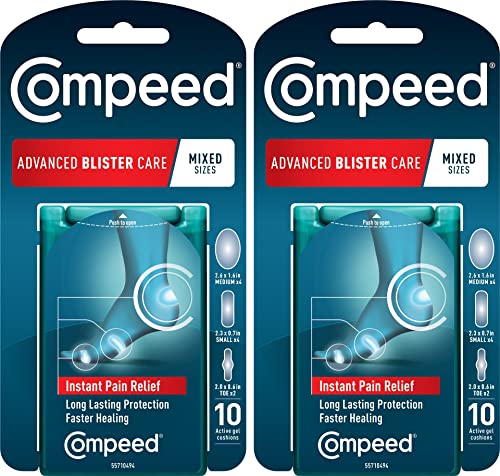
These five non-negotiable essentials: trail-running shoes, a 35-liter ultralight backpack, a silk sleeping bag liner for albergues, Compeed blister bandages, and an ultralight rain jacket.




Plan your full Camino:
- Camino framework hub, Camino de Santiago guide.
- Route comparison, Camino routes comparison.
- Where to sleep, Camino accommodation guide.
- General Spain packing, complete Spain packing list.
The 10 Percent Body Weight Rule
Maximum backpack weight equals 10 percent of body weight. A 70-kilo walker carries 7 kilos max including water. A 60-kilo walker carries 6 kilos. The rule is the single best predictor of who finishes the Camino versus who abandons within the first week.
Weigh your packed bag before flying. If it exceeds 10 percent, remove items until it does not. Albergue donate-shelves along the Francés (especially in Pamplona, Logroño, León) overflow with the casualties of over-packers. The Spanish Correos pilgrim service can forward a bag stage-to-stage for €5 to €7 if you really cannot cut more, but most pilgrims who use it learn to pack lighter for the next Camino.
Footwear (4 Items)
1. Trail-running shoes (Hoka Speedgoat, Salomon Sense Ride, Altra Lone Peak, La Sportiva Bushido). 2. Camp shoes or sandals (lightweight slip-ons for albergue showers plus evening rest). 3. Merino wool hiking socks (4 pairs minimum, rotate daily). 4. Liner socks (thin synthetic, prevent blisters by reducing friction between foot and outer sock).
Skip heavy waterproof hiking boots. They overheat in summer, dry slowly when wet, and cause blisters. The trail-runner-plus-liner-sock system handles 90 percent of pilgrim foot problems. For the wider general-Spain footwear context, see our complete Spain packing list.
Backpack and Sleep (3 Items)
5. 35-liter ultralight backpack (Osprey Talon 33, Deuter Speed Lite 30, Gregory Citro 36). 6. Silk sleeping bag liner (mandatory for albergue beds; the silk version is 150g and washable). 7. Lightweight sleeping bag rated 10°C (only needed April-May or October; otherwise the silk liner plus albergue blankets suffice).
Skip the tent. Albergues exist every 5 to 8 kilometers on every Camino route; you do not need to camp. Pilgrims who pack tents abandon them within the first week. For the albergue specifics including booking plus bed-sheet rules, see our Camino accommodation guide.
Clothing (8 Items)
8. 2 quick-dry hiking shirts (merino wool or synthetic, no cotton). 9. 2 pairs hiking shorts or zip-off trekking pants. 10. 1 pair long pants (evening cool plus albergue dinner). 11. Lightweight fleece or mid-layer. 12. Packable rain jacket (the single most-important non-shoe item).
13. Sun hat (the Spanish Meseta sun is fierce). 14. Buff or neck gaiter. 15. Underwear plus quick-dry travel underwear (3 pairs, rotate). Skip the jeans, the cotton T-shirts, and the “extra outfit for the evening.” You will wear hiking clothes during the day plus your one set of long pants plus one shirt in the evening. Wider packing context in our complete Spain packing list.
Foot Care and Hygiene (5 Items)
16. Compeed blister bandages (the iconic Camino brand; €5 to €8 per box at Spanish pharmacies). 17. Vaseline plus Bodyglide (anti-chafing for feet plus thighs). 18. Small first-aid kit (ibuprofen, antiseptic wipes, electrolyte tabs, antihistamines).
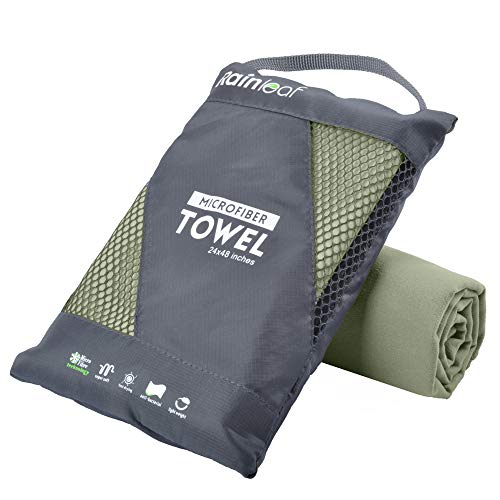
19. Travel toiletries in 100ml bottles (shampoo, soap, toothbrush, deodorant). 20. Microfiber travel towel (300g, dries fast, packs small; cotton towels are too heavy plus slow-drying). Cross-link with our Spain travel tips guide for the wider cultural codes.
Camino-Specific Items (4 Items)
21. Credencial pilgrim passport (€2 to €3 from any albergue plus the Pilgrim’s Office). 22. Scallop shell to tie on the backpack (the universal pilgrim symbol; €1 to €3 at most starting cities).
23. Trekking poles (collapsible carbon, 200 to 300g; save your knees on the descents). 24. Camino app for offline maps (Camino Pilgrim, the official Wise Pilgrim, or Buen Camino are the three most-recommended). For the wider Camino framework, see our Camino de Santiago guide.
10 Things to Leave at Home
The “leave-at-home” list is as important as the “pack” list. 1. Heavy hiking boots (use trail runners instead). 2. Tent (albergues exist every 5 to 8 km). 3. Cotton clothing (does not dry overnight). 4. Jeans (heavy, slow-drying). 5. Multiple outfits for evening (you will not change as much as you think).
6. Camp stove plus cookware (albergues plus restaurants handle meals). 7. Heavy DSLR camera (your phone camera is sufficient; weight matters). 8. Three pairs of shoes (two pairs maximum: trail runners plus sandals). 9. Large guidebooks (most fit on a phone or are sold in lighter versions at starting cities). 10. Excessive electronics (one charger, one phone, one ebook reader maximum). Wider gear context in our Camino routes comparison guide.
Pack plus prep for the Camino like a veteran.
The Ultimate Europe Trip Planner includes a Camino-specific weighing-station guide, a pharmacy-resupply checklist for each major Camino city, plus the post-Camino Santiago plus Finisterre 3-day-out plan. Limited time, save $10 today (originally $27).
Camino Packing Travel Tips
- Pack your bag, weigh it, and ruthlessly cut anything that pushes you over 10 percent body weight. Cross-reference with our Camino de Santiago guide for the wider framework.
- Trail-running shoes, not boots. Hoka Speedgoat plus Salomon Sense Ride are the most-recommended models. Wider footwear context in our complete Spain packing list.
- Apply Compeed bandages before pain, not after. Apply to hotspots at first warmth or pink color. Single best preventive Camino habit. Wider Camino health context in our Camino de Santiago guide.
- The silk sleeping bag liner is mandatory for albergue beds. Most public albergues require it for hygiene. Wider accommodation specifics in our Camino accommodation guide.
- If you over-packed, use the Spanish Correos pilgrim service to forward your bag stage-to-stage (€5 to €7). Or send items home from the next post office. Wider transport context in our Spain transportation guide.
For Spain’s official Correos pilgrim baggage-forwarding service with route-by-route pickup information, check the official Correos Camino service.

Frequently Asked Questions
How heavy should my Camino backpack be?
10 percent of body weight maximum, including water. A 70-kilo walker carries 7 kilos. The 10-percent rule is the single best predictor of who finishes the Camino. Wider framework in our Camino de Santiago guide.
Do I need hiking boots for the Camino?
No. Trail-running shoes (Hoka Speedgoat, Salomon Sense Ride, Altra Lone Peak) are the better choice. 80 percent of 2024 to 2026 pilgrims walked in trail runners. Hiking boots overheat in summer, dry slowly when wet, and cause blisters. Wider context in our complete Spain packing list.
What’s the most important Camino packing item?
Trail-running shoes plus Compeed blister bandages. Feet end more Caminos than weather, illness, or money. Trail runners plus liner socks plus preventive Compeed application is the foot-care trinity. The credencial pilgrim passport is the second most-important item (without it you cannot earn the Compostela). Route detail in our Camino routes comparison guide.
Should I bring a sleeping bag on the Camino?
Only in April-May or October when albergues are cool at night. May, June, July, August, September: a silk sleeping bag liner plus the albergue blankets are sufficient. Skip the heavy sleeping bag in summer. Albergue specifics in our Camino accommodation guide.
Do I need trekking poles for the Camino?
Recommended. Collapsible carbon trekking poles (200 to 300g) save your knees on descents. The Pyrenees crossing on the Francés (day one, 27km plus 1,400m elevation gain) is the steepest descent on any Camino route. Wider hiking context in our hiking in Spain guide.
Key Takeaways
- The 10 percent body weight rule is the single best predictor of who finishes the Camino. Pack your bag, weigh it, and ruthlessly cut. Full framework in our Camino de Santiago guide.
- Trail-running shoes (not boots), a 35-liter ultralight backpack, a silk sleeping bag liner, Compeed bandages, an ultralight rain jacket, plus the credencial pilgrim passport are the 6 non-negotiables. Cross-link with our complete Spain packing list.
- Skip the heavy boots, tent, cotton clothing, jeans, multiple outfits, camp stove, DSLR camera, multiple shoe pairs, large guidebooks, plus excessive electronics. Wider route context in our Camino routes comparison guide.
- Apply Compeed bandages before pain, not after. The Camino’s single best preventive habit. Wider accommodation specifics in our Camino accommodation guide.
- If you over-pack, use Spain’s Correos pilgrim service to forward your bag stage-to-stage (€5 to €7). Or ship items home from the next post office. Wider transport context in our Spain transportation guide.
Final Thoughts
The Camino packing list comes down to one rule: total backpack weight under 10 percent of body weight. Trail-running shoes (not boots), 35-liter ultralight backpack, silk sleeping liner, Compeed bandages, ultralight rain jacket, plus the credencial are the 6 non-negotiables. Skip the heavy boots, tent, cotton clothing, jeans, multiple outfits, camp stove, DSLR, third pair of shoes, large guidebooks, plus excessive electronics. Pharmacies along every Camino route stock anything you forget. Pack light, walk slow, apply Compeed early. For the full Camino framework, our Camino de Santiago guide covers everything beyond the gear.