Quick Answer: The Camino de Santiago is a network of 6 main pilgrimage routes ending at the Cathedral of Santiago de Compostela in northwest Spain. The most popular is the Camino Francés (800km from Saint-Jean-Pied-de-Port, 30 to 35 days). To earn the Compostela certificate you must walk a minimum of 100km (or cycle 200km) and collect 2 stamps per day on your credencial pilgrim passport. Budget €40 to €60 per day for albergues plus meals. May, June, and September are the best months. Pair with our hiking in Spain guide for the wider trail context.
The Camino de Santiago is the medieval Christian pilgrimage route to the tomb of Saint James the Apostle at the Cathedral of Santiago de Compostela. The tradition dates to the 9th century and the modern walking revival began in the 1980s. 2024 saw 499,239 pilgrims complete the certified Camino; 2025 hit 446,035; 2026 expects similar plus a surge anticipating the 2027 Holy Year.
Six main routes plus dozens of regional variants converge on Santiago. The Camino Francés (the 800-kilometer French Way from Saint-Jean-Pied-de-Port across northern Spain) handles around 47 percent of all pilgrims. The Camino Portugués (240 km from Porto) handles 30 percent. The Camino del Norte (the coastal route from Irún) is the third most-walked.
This hub covers the framework: what the Camino is, how to earn the Compostela certificate, real 2026 costs, when to go, and the friction-honest take on what nobody tells you (the feet are the real cost; blisters end more Caminos than weather). For the deep-dive route comparison, see our Camino routes comparison guide.
Friction-honest 2026 note: this is NOT a Holy Year. The next Holy Year (Año Santo Jacobeo) is 2027, when July 25 falls on a Sunday. Expect a 30 percent surge in 2027 pilgrim numbers plus a 20 to 30 percent hotel-price surge. If you can walk in 2026 instead, you get the same Camino at meaningfully lower cost. For the broader pilgrimage context, see our UNESCO World Heritage sites in Spain guide (the Camino itself is UNESCO-listed).
Planning a Camino de Santiago walk in 2026?
The Ultimate Europe Trip Planner maps all 6 Camino routes with starting-city flights, stage-by-stage albergue picks, a 35-day Francés calendar, and the Compostela certificate paperwork. Limited time, save $10 today (originally $27).
Best Hotels at the End of the Camino (Santiago)
Five Santiago hotels for the post-Camino reward stay, from our wider guide to the best hotels in Spain.
- Parador de Santiago de Compostela (Hostal dos Reis Católicos), 1499 royal pilgrim hostel on Praza do Obradoiro, doubles from €280.
- A Quinta da Auga (Santiago), 18th-century paper mill turned hotel, doubles from €180.
- NH Collection Santiago de Compostela, central modern hotel, doubles from €130.
- Pousadas de Compostela, small boutique chain throughout the Old Town, doubles from €100.
- San Francisco Hotel Monumento Santiago, 18th-century Franciscan convent, doubles from €140.
Top Camino Tours and Pilgrim Experiences
Five tour ideas combining a short Camino walk with cultural plus logistical support, from our places to visit in northern Spain guide.
- Sarria to Santiago Last 100km Guided Walk, the minimum-Compostela 5 to 7 day option.
- Camino Portugués Coastal 6-Day from Porto, the shorter alternative route.
- Santiago Pórtico de la Gloria Timed-Entry Tour, the post-arrival Cathedral highlight.
- Camino Francés Self-Guided Roncesvalles to Pamplona 4-Day, the dramatic Pyrenees opening leg.
- Camino del Norte Bilbao to San Sebastián Coastal 5-Day, the Cantabrian coast leg.
Recommended Travel Essentials for the Camino
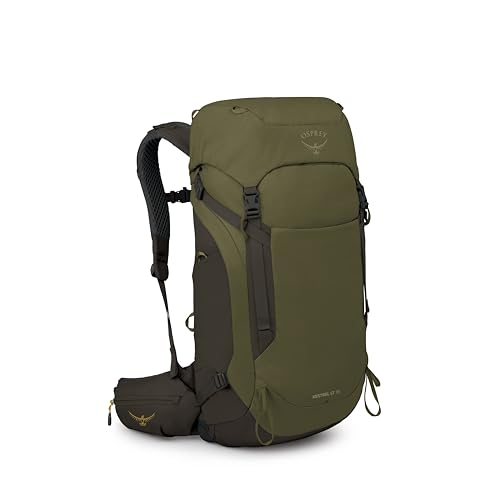
These five essentials are pilgrim-specific: trail-running shoes, a 35-liter backpack, a lightweight sleeping liner for albergues, blister-prevention bandages, and the credencial pilgrim passport.





Plan your full Spain trip:
- Route comparison, Camino routes comparison.
- Pilgrim packing, Camino packing list.
- Albergues and pensiones, Camino accommodation guide.
- Wider Spain hiking, hiking in Spain.
What Is the Camino de Santiago?
A network of medieval Christian pilgrimage routes leading to the Cathedral of Santiago de Compostela in Galicia, northwest Spain. The Cathedral holds the relics of Saint James the Apostle, brought to Spain in the 1st century according to tradition and rediscovered in the 9th century by a hermit who saw a star over the field where the tomb sat (Compostela means “field of stars”).
The modern walking revival began in the 1980s when Galicia’s regional government rebuilt the albergue infrastructure. Today the Camino is a UNESCO World Heritage site and one of Europe’s most-walked long-distance trails. For the wider UNESCO context, see our UNESCO World Heritage sites in Spain guide.
The 6 Main Camino Routes
Camino Francés (800km from Saint-Jean-Pied-de-Port to Santiago, 30 to 35 days, around 47 percent of pilgrims). Camino Portugués (240km from Porto, 12 to 14 days, around 30 percent). Camino del Norte (825km along the Cantabrian coast from Irún, 32 to 35 days, around 7 percent). Camino Primitivo (320km from Oviedo, 12 to 14 days, the oldest route from the 9th century).
Camino Inglés (120km from Ferrol, 5 to 6 days, the medieval English-pilgrim route). Vía de la Plata (1,000km from Sevilla, 40 to 45 days, the longest and emptiest). For the deep-dive route-by-route pros, cons, difficulty, and who each suits, see our Camino routes comparison guide.
How to Earn the Compostela Certificate
The Compostela is the medieval-style certificate issued by the Pilgrim’s Office at Santiago Cathedral. To earn it you must walk at least 100 kilometers (or cycle 200 kilometers) on foot or by bike and collect stamps on your credencial pilgrim passport along the way.
The credencial costs €2 to €3 from the Pilgrim’s Office, the Cathedral, online from American Pilgrims, or from any albergue. The 2024-plus stricter enforcement of 2 stamps per day on the final 100km means you need to collect 2 sellos from different albergues, cafés, or churches each day on the final stretch. The Compostela is free; the official Latin-text version costs €4. Wider Camino context in our places to visit in northern Spain guide.
2026 Camino Costs
Budget pilgrim: €40 to €60 per day. Mid-range: €80 to €120 per day. A full month-long Francés runs €1,500 to €3,000 depending on accommodation tier. The major costs are albergue beds, two meals a day, and trail laundry.
Real albergue pricing: Galicia public albergues €10 fixed; mainland public albergues €10 to €12; private albergues €15 to €25; pensiones €35 to €50; small hotels €60 to €150. Pilgrim menus (menú del peregrino) run €10 to €14 for three courses plus drink plus bread. The Spanish state-run Xacobeo plus regional Caminos infrastructure makes the cost lower than any equivalent European long-distance trail. Full breakdown in our Camino accommodation guide.
When to Walk the Camino
May, June, and September are the best months. Mild weather (15 to 25°C), most albergues open, daylight to walk 25 km. Avoid July and August on the Francés; the trail is shoulder-to-shoulder with school-holiday pilgrims and the Galicia heat hits the high 20s.
April and October work for experienced hikers. November to March is the off-season; 30 percent plus of albergues close, the Pyrenees crossing on the Francés is too dangerous in winter snow, and the trail is genuinely empty. Some pilgrims prefer the winter solitude. Cross-link with our best time to visit Spain guide.
The Credencial Pilgrim Passport
The credencial is a folded cardboard pilgrim passport carried by every walker. You collect a stamp (sello) at each albergue, café, church, or hostel along the route. The credencial proves your pilgrimage and unlocks the Compostela certificate plus the right to stay in pilgrim-only municipal albergues.
Buy your credencial before you start: €2 to €3 from the Pilgrim’s Office in Santiago, from any starting-city albergue, online from American Pilgrims (US shipping), or from regional Camino offices in Saint-Jean-Pied-de-Port, Porto, or Oviedo. The credencial fits in a small pocket; protect it from rain in a ziplock. Packing context in our Camino packing list.
The 2026 vs 2027 Holy Year Decision
2026 is a regular Camino year. 2027 is a Holy Year (Año Santo Jacobeo, when July 25 falls on a Sunday), which means a plenary indulgence at the Cathedral plus the Holy Door opens. Expect a 30 percent surge in pilgrim numbers plus a 20 to 30 percent hotel price surge.
If you can walk in 2026 instead, you get the same Camino at meaningfully lower cost plus quieter trails. The next Holy Years after 2027 are 2032 plus 2038. For Catholic pilgrims, the plenary indulgence makes 2027 the choice. For non-religious walkers, 2026 wins on cost plus crowd. Full route logistics in our Camino routes comparison guide.
Solo Female Pilgrim Safety
The Camino is famously one of the safest long-distance trails in the world. Around 50 percent of pilgrims are solo female walkers in 2024 to 2026, and incidents are extremely rare. The albergue culture is communal and supportive; the daily 25-kilometer rhythm means you walk with the same group for days at a time.
Common-sense safety: carry a phone with offline maps, share your trail plan with someone at home, and avoid walking alone in remote stretches before sunrise. The Camino has its own emergency hotline (112 EU emergency works on the trail). Wider safety context in our what to avoid in Spain guide.
The Feet Are the Real Cost
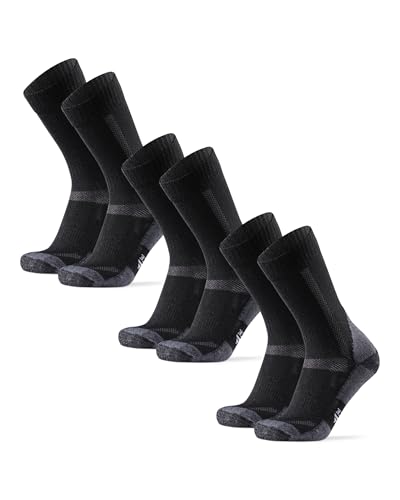
Blisters end more Caminos than weather, illness, or money problems. Around 30 percent of pilgrims who start the Francés do not finish, and feet are the main reason. Trail-running shoes (not heavy hiking boots), Compeed bandages on hotspots before they become blisters, and a sock-changing routine at lunch are the three preventive moves.
Pace matters too: 25 kilometers per day is the standard, not 40. Pilgrims who try to do 35-plus kilometer days in the first week burn out by week two. The Camino rewards slow walking. Full gear breakdown in our Camino packing list.
Pack and prep for the Camino.
The Ultimate Europe Trip Planner includes a pilgrim packing module (10 percent body-weight rule, 24 essentials, 10 leave-at-home traps), a Compostela-paperwork checklist, and a stage-by-stage albergue planner for the Francés. Limited time, save $10 today (originally $27).
Camino de Santiago Travel Tips
- Start with trail-running shoes, not hiking boots. Boots blister in heat; trail runners drain quickly when wet. Full gear in our Camino packing list.
- Walk 25 kilometers per day max in the first week. The Camino rewards slow walking; pilgrims who push 35-plus kilometers burn out. Routes detail in our Camino routes comparison guide.
- Compeed blister bandages before pain, not after. Apply to hotspots at first warmth. The single best preventive Camino habit. Cross-reference with our complete Spain packing list for broader trip prep.
- Book your starting-city flight 60 to 90 days ahead. Madrid plus Barcelona plus Bilbao are the main Camino-adjacent airports. Cheapest gateway analysis in our cheapest Spanish city to fly into guide.
- The 2027 Holy Year boosts pilgrim numbers 30 percent. If you can walk in 2026 instead, you get the same Camino at lower cost plus quieter trails. Accommodation cost breakdown in our Camino accommodation guide.
For the official Pilgrim’s Office of Santiago Cathedral with the Compostela rules plus the daily statistics, check the official Pilgrim’s Office of Santiago.

Frequently Asked Questions
How long does the Camino de Santiago take?
The Camino Francés (800km) takes 30 to 35 days at 25 km per day. The Camino Portugués (240km) takes 12 to 14 days. The minimum-Compostela last 100km from Sarria takes 5 to 7 days. The longest route, Vía de la Plata, runs 40 to 45 days. For route-by-route timing, see our Camino routes comparison guide.
How much does the Camino de Santiago cost?
Budget pilgrims spend €40 to €60 per day; mid-range €80 to €120 per day. A full Francés month runs €1,500 to €3,000. Major costs: albergue beds (€10 to €25 per night), pilgrim menus (€10 to €14 for three courses plus drink plus bread), trail laundry. Full breakdown in our Camino accommodation guide.
What is the best time to walk the Camino?
May, June, and September. Mild weather (15 to 25°C), most albergues open, plenty of daylight. Avoid July and August on the Francés (shoulder-to-shoulder pilgrims plus Galicia heat). November to March has 30 percent of albergues closed plus dangerous Pyrenees winter snow on the Francés. Wider seasonal context in our best time to visit Spain guide.
Do I need a guide for the Camino?
No. The Francés is famously well-marked with yellow arrows and scallop-shell waymarks; you cannot get lost. Most pilgrims walk solo or in small groups they form along the trail. Guided 5 to 7 day Sarria-to-Santiago tours work for first-timers who want the logistics handled. Self-guided is the standard. Wider hiking trail context in our hiking in Spain guide.
Is the Camino de Santiago safe for solo female walkers?
Yes. The Camino is among the safest long-distance trails in the world. Around 50 percent of pilgrims are solo female walkers and incidents are extremely rare. The albergue culture is communal and the daily 25-kilometer rhythm means you walk with the same group for days. Common-sense safety: phone with offline maps, share trail plan with home, avoid remote pre-dawn stretches alone. Cross-link with our Spain travel tips guide.
Key Takeaways
- The Camino is 6 main routes ending at Santiago Cathedral. The Francés (800km, 30-35 days) is the most popular at 47 percent of pilgrims. Route-by-route detail in our Camino routes comparison guide.
- Earn the Compostela certificate by walking 100km (or cycling 200km) and collecting 2 stamps per day on the credencial pilgrim passport. The 2024-plus stricter 2-stamps-per-day rule is enforced. Wider UNESCO context in our UNESCO sites in Spain guide.
- Budget €40 to €60 per day for budget pilgrims, €80 to €120 mid-range. Full Francés month €1,500 to €3,000. Cost breakdown in our Camino accommodation guide.
- 2026 is NOT a Holy Year (next is 2027). If you can walk in 2026 you get the same Camino at lower cost plus quieter trails. Packing context in our Camino packing list.
- Trail-running shoes (not boots), Compeed bandages before pain, 25 kilometers per day max in week one. Wider Spain hiking trails in our hiking in Spain guide.
Final Thoughts
The Camino de Santiago is one of the world’s great long-distance walking experiences. Six routes, all ending at the Cathedral of Santiago de Compostela. The Francés is the social headliner at 800 kilometers; the Portugués is the shorter alternative at 240; the Inglés is the 5-day minimum option at 120. Earn the Compostela by walking 100 kilometers plus collecting 2 stamps per day. Budget €40 to €60 per day for budget pilgrims. Walk in 2026 to skip the 2027 Holy Year surge. For the wider Galicia plus northern Spain travel context, our places to visit in northern Spain guide covers everything beyond the trail.