Quick Answer: A 2026 Spain packing list comes down to 20 essentials across 5 categories: travel docs (passport valid 3 plus months past return, IDP for drivers), Type F plug adapter (Spain uses 220 to 230V), comfortable walking shoes (per our Spain travel tips), smart-casual layers, a scarf or shawl for churches, a crossbody anti-theft bag, sunscreen, sunglasses, a portable charger, reef-safe sunscreen for beaches, plus seasonal items (light layers spring or fall, swimsuit plus sandals summer, jacket plus gloves winter).
Spain has the trickiest packing list in Western Europe because the climate swings from 40°C in Sevilla summer to 0°C in Madrid winter, the cultural code demands smart-casual in cities and modesty in churches, and the AVE train luggage rules charge €5 per piece of checked baggage. Pack carry-on only if you can; pack two carry-ons for a 14-day trip with multiple regions.
The 20 essentials below cover the universal items (passport, adapter, walking shoes) plus the regional and seasonal layers (swimsuit for Costa Brava, scarf for Alhambra mosque areas, light coat for the north coast in summer). Our complete planning guide for Spain covers the pre-trip framework; this list focuses on the gear.
The single biggest gear tell at customs is athleisure. Spaniards in cities dress smart-casual (linen button-downs, dark denim, leather sneakers, real shoes); yoga pants and white running sneakers mark you as a tourist instantly. The single biggest cultural mistake is showing up at a church or cathedral with bare shoulders or short shorts; the Sagrada Familia, Sevilla Cathedral, Toledo Cathedral, and the Alhambra mosque-era sites all enforce the modesty code.
The single biggest security mistake is keeping a phone in a back pocket on a Madrid or Barcelona metro. Solve all three with a crossbody anti-theft bag, a scarf or long-sleeved layer in your day pack, and a pair of leather sneakers. The full daily and weekly budget context for these items is in our complete Spain budget guide.
Building your Spain packing list?
The Ultimate Europe Trip Planner includes a downloadable Spain packing checklist by season, a Type F adapter checklist for chargers plus hair tools, and a church-modesty layer guide for Alhambra, Sevilla Cathedral, and Sagrada Familia. Limited time, save $10 today (originally $27).
Best Hotels Across Spain (Where Your Packing Goes)
Five picks across the route cities, pulled from our wider guide to the best hotels in Spain. Each provides hair dryers (skip yours) and Type F outlets at the bedside.
- Hotel URSO (Madrid), boutique five-star in Chamberí, doubles from €180.
- Hotel Casa Camper (Barcelona), central Raval position, doubles from €250.
- Hotel Casa 1800 Sevilla, restored mansion in Santa Cruz, doubles from €200.
- Parador de Granada, former convent inside the Alhambra walls, doubles from €350.
- Hotel Marqués House (Valencia), boutique in the old town, doubles from €150.
Top Tours That Match Your Packing Choices
Five tour pairings that match the gear in this list, mapped from our 10 days in Spain itinerary.
- Madrid Tapas plus Wine Walking Tour, the smart-casual evening pairing for your linen button-downs.
- Barcelona Sagrada Familia plus Park Güell Skip-the-Line, brings out the scarf for the modesty rules.
- Granada Alhambra Skip-the-Line plus Generalife Tour, the right pairing for your real walking shoes (uphill).
- Costa Brava Day Trip from Barcelona, the swimsuit plus reef-safe sunscreen day.
- Sierra Nevada Hiking Day Trip from Granada, the trail-runners plus day-pack day for summer trips.
Recommended Travel Essentials for Spain Packing
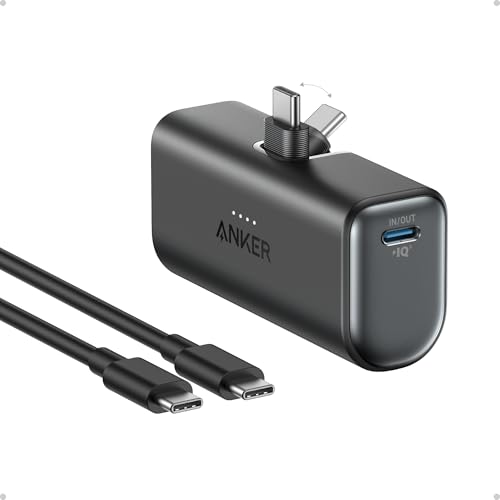
These five essentials are the core of any Spain packing list: the Type F adapter, the comfortable walking shoes, the smart-casual layers, the RFID passport wallet, and the universal-output portable charger.


Plan your full Spain trip:
- Pre-trip framework, planning a trip to Spain.
- Cultural codes and tips, Spain travel tips.
- Cost calculator, Spain budget guide.
- Best season picks, best time to visit Spain.
Travel Documents (4 items)
1. Passport (valid 3 plus months past return date)
The EES biometric scan still uses your passport as primary ID at every Schengen-area airport since April 10, 2026. Check the validity date the moment you book your flight; renewing takes 6 to 12 weeks. Make two paper photocopies and email a scanned copy to yourself plus a trusted contact.
The Spanish Guardia Civil can ask for ID at any moment; the original passport stays in the hotel safe, the photocopy in your day-bag. For the broader entry-rule context including ETIAS rolling out late 2026, see our complete Spain planning guide.
2. International Driving Permit (IDP)
Required by Spanish law for US, Canadian, Australian, and Japanese drivers. $20 from AAA in the US, valid 1 year, takes around 10 minutes to apply in person. EU and UK driving licenses are accepted without an IDP. Carry the IDP alongside your home country license; it is a translation document, not a standalone permit.
The Guardia Civil traffic police can fine you €100 to €200 for driving without an IDP. Apply 1 to 2 weeks before flying. For the routes worth renting a car on, see our guide to the best road trips in Spain.
3. Printed Hotel and AVE Booking Confirmations
Wi-Fi can fail at Spanish airports and rural hotels; backup paper saves you when the app crashes. Print: hotel confirmations with check-in dates and addresses, AVE plus AVLO plus iryo plus OUIGO QR codes for each train leg, the Alhambra ticket (alhambra-patronato.es), the Sagrada Familia ticket (sagradafamilia.org), and any pre-booked tours.
Renfe staff scan the QR at the platform gate; a paper backup avoids the dead-phone scramble. Cross-reference with our Spain transportation guide for the four-operator booking sequence.
4. Travel Insurance Card
Recommended in 2026 and required when ETIAS launches late 2026. World Nomads and SafetyWing both run €30 to €70 per week for Spain coverage. Print the insurance card plus your policy number plus the 24-hour emergency phone. Spain’s public health system is excellent but private hospital bills for tourists run €200 to €1,500 without insurance.
Store the card in your day bag; keep a copy in the hotel safe. For the entry-rule overview, see our Spain travel tips guide.
Tech and Adapters (3 items)
5. Type F Plug Adapter (Universal USB-C plus USB-A)
Spain runs Type F plugs at 220 to 230V, 50Hz. Type C and Type E plugs (the rest of continental Europe) fit too, but US Type A and Type B and UK Type G need an adapter. The fastest fix is a universal travel adapter with USB-C plus USB-A ports, which handles every charger you carry without needing a dedicated voltage converter (modern phones, laptops, cameras auto-switch between 100V and 240V).
Bring one per traveler. Buy before flying ($10 Amazon) rather than at the airport ($25). For the broader transport-day setup, see our Spain transportation breakdown.
6. Portable Phone Charger (10,000mAh plus)
All-day sightseeing plus photos plus Google Maps drains batteries fast in Spanish cities. A 10,000mAh charger covers two full phone charges and weighs around 200g. The Anker 10,000mAh PowerCore is the standard pick at $25. Charge it overnight at the hotel; carry it in your day pack.
For longer travel days (Madrid to Sevilla AVE plus a day in Sevilla), a 20,000mAh model adds an extra charge but doubles the weight. For the cultural-codes context including the apps that drain your battery (Cabify, Bolt, Google Translate), see our Spain travel tips guide.
7. Orange Holiday Europe eSIM
Pre-buy mobile data with an Orange Holiday Europe eSIM (€20 for 20GB, 14 days) before flying. Cheaper than US carrier roaming (Verizon TravelPass €15 per day) and works across Spain plus the rest of the EU. Activate the eSIM 24 hours before you land; it switches over on arrival.
Backup option: airport SIM purchase at MAD or BCN takes 15 minutes and costs €15 to €25. The data eSIM is the single biggest budget win for connectivity. For the rest of the cost-trim moves, see our Spain budget guide.
Clothing Year-Round (4 items)
8. Smart-Casual Layers
Linen or breathable button-downs, dark-wash jeans or chinos, a light cardigan, and one collared layer for fine dining. Avoid athleisure: yoga pants, white running sneakers, and crop tops mark you as a tourist instantly in Madrid, Barcelona, and Sevilla. Spaniards in cities lean into leather sneakers, structured trousers, and accessories (scarves, leather bags).
Pack three to four upper layers and two to three bottoms for a 10-day trip; everything washes at the hotel. For the broader dress-code context plus the church-modesty rule, see our Spain travel tips guide.
9. Scarf or Shawl for Churches
Most major Spanish churches enforce shoulders plus knees covered at the entrance. The Sagrada Familia, Sevilla Cathedral, Toledo Cathedral, the Mezquita-Cathedral of Cordoba, and the Alhambra’s Carlos V Palace chapel all turn away sleeveless tops, short shorts, and crop tops. The fix is a lightweight scarf or a long-sleeved layer in your day pack; it takes 10 seconds to put on at the entrance.
Smart-casual long pants or knee-length skirts plus a covered top works year-round. For the cultural-context tie-in around Holy Week (when the modesty rules tighten further), see our guide to what Semana Santa is.
10. Light Jacket or Rain Shell
Northern Spain (Galicia, Asturias, the Basque Country) gets rain year-round. Even summer evenings in San Sebastián or Bilbao stay 18 to 22°C, well below daytime. Madrid and Barcelona evenings in shoulder season drop to 12 to 18°C. A packable rain shell (Patagonia Houdini, Arc’teryx Squamish) covers both needs without taking real luggage space.
For winter trips, swap the rain shell for a proper coat. For the per-month weather breakdown, see our best time to visit Spain guide.
11. Sunglasses and Sun Hat
The UV index in Andalusia and the Mediterranean coast is fierce year-round. Polarized sunglasses (Ray-Ban, Oakley, or any €30 plus pair from El Corte Inglés) plus a packable sun hat are non-negotiable. The wide-brim sun hat doubles as church protection in summer (covers the shoulders briefly). Skip baseball caps; they read American-tourist. For the heat-management strategy in peak summer Sevilla and Madrid, see our Spain in July guide.
Footwear (2 items)
12. Comfortable Walking Shoes
Cobblestone-friendly real shoes are essential. Granada’s Albaicín, Sevilla’s Santa Cruz, and Toledo’s old town are all cobbled and uphill. Real leather sneakers (Veja, Common Projects, Allbirds) or low-profile walkers (Ecco, Cole Haan) handle 6 to 8 mile sightseeing days without blisters. Skip athletic running shoes (athleisure tell) and flat ballerinas (cobblestone disaster).
Pack two pairs for a 10-day trip: one for cities, one for any beach or hike day. For the broader city-versus-hike pairing, see our guide to the best hiking trails in Spain.
13. Sandals or Flip-Flops (Summer Only)
Strictly for beach plus apartment use, not sightseeing. The Costa del Sol (Málaga, Marbella), Costa Brava (Begur, Cadaqués), Mallorca, and the Canary Islands all warrant a sandal-or-flip-flop layer for beach time. Adidas Adilettes, Birkenstock Arizonas, or Havaianas all work.
Do not wear them into the city center or churches; tourist police will turn you away from major cathedrals in flip-flops. For the beach picks themselves, see our guide to the best beaches in Spain.
Bags and Security (2 items)
14. Crossbody Anti-Theft Bag
The number-one pickpocket defence in Spain. Worn in front, slash-resistant strap, RFID-blocking pockets, and locking zippers. Bellroy Sling, Pacsafe Vibe, and Travelon Anti-Theft are the proven brands. Pickpocket hotspots: Sagrada Familia entrance, La Rambla, Madrid metro Line 1, Sevilla Cathedral, Plaza Mayor.
The crossbody worn in front (not slung behind) plus eyes-on-bag at café tables stops 95 percent of attempts. For the broader scam-and-tourist-trap context, see our guide to what travelers should avoid in Spain.
15. RFID Passport Wallet
Slim travel wallet with a passport pocket and RFID-blocking lining. Bellroy Travel Wallet, Zero Grid, and Travelambo all work. Keeps your passport, credit cards, and emergency cash organized in one place and prevents back-pocket lifts on the Madrid metro.
The RFID shielding is the most important feature: contactless card skimming exists in Spanish tourist zones. Store the wallet in the crossbody anti-theft bag, never in a back pocket. For the broader payment-and-card context, see our Spain budget guide.
Toiletries (2 items)
16. Sunscreen (Reef-Safe for Beach Days)
Spanish sun is intense year-round in Andalusia, the Mediterranean coast, and the Canary Islands. SPF 30 to 50 broad-spectrum, plus a separate reef-safe formula for the Balearic Islands (Mallorca, Ibiza) and the Costa Brava where the protected marine zones forbid non-reef-safe chemicals. Brands: La Roche-Posay Anthelios, EltaMD UV Clear, Australian Gold Botanical SPF 50.
Apply 30 minutes before sun exposure. Spanish pharmacies sell sunscreen but at 30 to 50 percent more than US prices, so bring from home. For the beach destinations themselves, see our best beaches in Spain guide.
17. Pharmacy Basics (Ibuprofen, Blister Bandages, Hand Sanitizer)
Spanish pharmacies (cruz verde signs) handle minor health needs without prescriptions but cost more than US pharmacies. Pack a small kit: ibuprofen or paracetamol, blister bandages (cobblestones will kill bad shoes), hand sanitizer (60 percent alcohol minimum), antiseptic wipes, antihistamines (Spanish summer pollen is fierce), and electrolyte tabs for hot days.
Keep the kit in your day-pack. For prescription medicine, carry the original packaging plus a doctor’s note. Cross-reference with our broader pre-trip checklist in planning a trip to Spain.
Season-Specific Items (3 items)
18. Summer (June to August): Swimsuit, Cover-Up, Beach Towel
Costa del Sol (Málaga, Marbella), Costa Brava (Begur, Cadaqués), Mallorca, Ibiza, the Canary Islands, and even Sevilla’s hotel pools warrant a beach kit in summer. Pack one quick-dry swimsuit plus a cover-up plus a microfiber beach towel (regular hotel towels are off-limits for the beach).
Add a wide-brim sun hat, reef-safe sunscreen, and a beach bag. For broader summer prep in the heat zones, see our Spain in July guide.
19. Winter (December to February): Warm Coat, Gloves, Scarf
Madrid winters hit 0 to 5°C and occasional snow. Barcelona stays 5 to 12°C, Sevilla 8 to 16°C (mild but rainy), and the Canaries 16 to 22°C year-round. For a Madrid or northern Spain winter trip, pack a real wool or down coat, gloves, a wool scarf, and waterproof leather boots.
For Andalusia, a lighter coat plus layers works. Christmas markets in Madrid and Barcelona run cold; the markets themselves are worth the trip. For the holiday-month feel and weather context, see our Spain in December guide.
20. Hiking Add-Ons: Trail Runners, Day Pack, Reusable Bottle
Spain has Europe’s best trail variety: the Caminito del Rey (Málaga province, 7.7km, €10), the Cares Gorge in Asturias (12km, free), the Camino de Santiago (multiple routes, €10 to €18 albergue stays), Picos de Europa, and the Sierra Nevada from Granada. Pack: trail runners (Hoka Speedgoat, Salomon Sense Ride), a 20 to 25-liter day pack (Osprey Talon, Deuter Speed Lite), a reusable water bottle (Hydro Flask 32oz), and a basic first-aid kit.
The Caminito del Rey requires advance ticket booking. Full breakdown in our guide to hiking in Spain.
Pack and prep for Spain like a local.
The Ultimate Europe Trip Planner includes the smart-casual dress code guide (linen plus button-down plus real shoes), a beach plus mountain gear matrix for multi-region trips, and a budget tracker for duty-free versus Spain-bought essentials. Limited time, save $10 today (originally $27).
Spain Packing Travel Tips
- Pack carry-on only for a 4-city AVE trip (Madrid, Sevilla, Granada, Barcelona). Luggage check on the AVE costs €5 per piece and adds 15 minutes per leg. Full transport context in our Spain transportation guide.
- Buy a Spain-specific Type F adapter before flying ($10 Amazon) rather than at the airport (€25). Cross-reference with our complete Spain planning guide.
- Skip the hair dryer; every Spanish hotel has one in the bathroom. The cost-cut detail is in our Spain budget guide.
- Bring a foldable tote bag (€5 at Decathlon). It fits inside your day pack and swaps in for Boqueria Market or Mercado de San Miguel shopping. Cultural-codes context in our Spain travel tips guide.
- For beach destinations, buy a cheap straw hat in-country (€10) rather than $30 from home. Best beach picks in our guide to the best beaches in Spain.
For an alternative seasonal packing breakdown from a major editorial source, see Lonely Planet’s Spain packing list.

Frequently Asked Questions
What plug adapter do I need for Spain?
Type F, 220 to 230V, 50Hz. Type C and Type E plugs (the rest of continental Europe) fit too. US Type A and Type B and UK Type G need an adapter. Buy a universal USB-C plus USB-A travel adapter before flying ($10 on Amazon) rather than at the airport ($25). Full transport-day setup in our Spain transportation guide.
What should I wear in Spain?
Smart-casual is the city default: linen or breathable button-downs, dark-wash jeans or chinos, leather sneakers or low-profile walkers, and accessories (scarves, leather bags). Avoid athleisure (yoga pants, white running sneakers, baseball caps) in cities; it marks you as a tourist. Beach destinations relax the code; churches tighten it (cover shoulders plus knees). Cultural-codes deep dive in our Spain travel tips guide.
Do I need to cover up in Spanish churches?
Yes, shoulders and knees must be covered in the Sagrada Familia, Sevilla Cathedral, Toledo Cathedral, the Mezquita-Cathedral of Cordoba, and the Alhambra’s Carlos V Palace chapel. A lightweight scarf or a long-sleeved layer in your day pack handles this in 10 seconds at the entrance. For the cultural context including Holy Week, see our guide to what Semana Santa is.
What should I NOT pack for Spain?
Athleisure (yoga pants, white running sneakers, baseball caps) marks you as a tourist in cities. Flip-flops or slides outside of beach use; tourist police turn you away from major cathedrals in flip-flops. Large flashy jewelry on metros (pickpocket magnet).
110V-only hair dryers and curling irons; they fry on Spanish outlets, and every hotel has one. Heavy boots in summer; cobblestone-friendly leather sneakers work everywhere. For the wider entry-mistake list, see our guide to what to avoid in Spain.
Can I drink the tap water in Spain?
Yes, tap water is safe to drink almost everywhere in Spain. Madrid, Barcelona, San Sebastián, and Valencia have particularly high-quality municipal water. The exceptions are some Canary Islands (Tenerife, Lanzarote) and parts of the Costa del Sol where the water tastes heavily mineralized; locals there drink bottled. Carry a reusable bottle. For the broader country context, see our Spain travel tips guide.

Key Takeaways
- 20 essentials across 5 categories: travel docs (passport plus IDP), tech (Type F adapter, charger, eSIM), clothing (smart-casual layers, scarf, jacket, sunglasses), footwear (real shoes, sandals), bags (crossbody, RFID wallet), plus seasonal add-ons. Full pre-trip framework in our complete Spain planning guide.
- Smart-casual dress code in cities; cover shoulders plus knees in churches. Skip athleisure. Pack a crossbody anti-theft bag for the pickpocket hotspots (Sagrada, La Rambla, Madrid metro Line 1). Full cultural codes in our Spain travel tips guide.
- Type F adapter (220 to 230V) is non-negotiable. Skip the hair dryer (hotels have one). Buy adapters at home for $10 rather than the airport for €25. Cost-trim moves in our complete Spain budget guide.
- Pack carry-on only for a 4-city AVE trip (Madrid, Sevilla, Granada, Barcelona). AVE luggage check costs €5 per piece and adds 15 minutes per leg. Full transport breakdown in our Spain transportation guide.
- Add the season-specific layer last: swimsuit plus reef-safe sunscreen for summer beach trips per our Spain in July guide; warm coat plus gloves for winter Madrid; trail runners plus day pack for hiking days.
Final Thoughts
Spain in 2026 takes 20 essentials across 5 categories. The non-negotiables are the passport plus IDP, a Type F universal adapter, real walking shoes, smart-casual layers, and a crossbody anti-theft bag. Add a scarf for churches, sunscreen year-round, and the season-specific gear (swimsuit summer, coat winter, trail runners for hiking).
Pack carry-on for AVE-heavy itineraries; pack a foldable tote for market shopping. Skip the hair dryer and any athleisure that marks you as a tourist. For the cultural codes and on-the-ground tactical brief once you arrive, our Spain travel tips guide covers everything from dinner timing to ZBE Low Emission Zones.