Quick Answer: Spain is one of the best countries in Europe to visit, but there are real ways to get it wrong. The biggest mistakes are eating dinner before 8:30pm, booking Gaudí sites without pre-purchasing tickets, and assuming the tourist-facing version of anything (La Boqueria, Las Ramblas restaurants, sangria) is the good version. In 2025, Spain also introduced new laws with real fines attached, and knowing them before you go saves you money and embarrassment.
Spain has been on the receiving end of a lot of tourist traffic lately, and some of that traffic has not been particularly thoughtful. The water-gun protests in is Barcelona worth visiting, the “tourists go home” graffiti in the Canary Islands, the Tenerife marches: these are not random events. They are the result of years of overtourism pressure, and they are worth understanding before you arrive.
This is not a reason to avoid Spain. It is a reason to visit it correctly. The country is extraordinary in the way that only places with real depth and regional complexity can be. Knowing what to avoid and how to move through it respectfully means you get the real version of the country rather than the one designed for people who never look up from a tour group. Here are the 20 things to avoid in Spain in 2026.
Planning a Spain trip and want the budget to actually work?
The Ultimate Europe Trip Planner maps out your whole trip from budget to itinerary so nothing falls through the cracks. Grab it now for just $17 before the price goes up to $27.
Recommended Spain Travel Products

SaleBestseller No. 1

SaleBestseller No. 1


Recommended blogs to read:
- things to do in Barcelona, Spain
- educational things to do in Spain
- is Granada worth visiting
- Holy Week in Seville
- best cities in Europe to visit
Timing and Food Mistakes
1. Eating Dinner Before 8:30pm
Spain runs on a completely different clock than most of Europe, and dinner is the most obvious proof. Restaurants outside tourist zones don’t fire up their full kitchens until 9pm. Show up at 7pm and you’ll get polite confusion, a half-empty dining room, and bread that hasn’t even been cut yet.
The locals eat late because the whole day runs late. Lunch is the main meal, happening around 2-3pm and lasting well past 4pm on weekends. Dinner is lighter, social, and starts well after sunset. Give yourself a few days to adjust, and by night three you’ll be ordering at 9:30pm like it was always your normal.
If you’re genuinely starving at 6pm, grab pintxos or essential things to do in Spain at a bar. That’s exactly what they’re for. Don’t force a full sit-down dinner onto a schedule that doesn’t want one.
Recommended read: Spain travel tips
2. Ignoring Siesta Hours
Siesta is not a myth. In smaller cities and towns, it is very much still a thing. Shops close from roughly 2pm to 5pm. You will walk down a street that was buzzing at 1pm and find it completely shuttered an hour later.
The mistake isn’t siesta itself. The mistake is planning your shopping, errands, or museum visits without accounting for it. Check opening hours carefully. What Google says and what the sign on the door says are sometimes two different things in Spain, especially outside the major cities.
Use siesta time to eat a long lunch, rest, or sit in a square with a cold drink. That’s what the entire country is doing. It’s not wasted time. It’s the actual point of being there.
3. Going to La Boqueria Expecting a Real Market
La Boqueria in Barcelona is one of the most photographed markets in Europe. It’s also, at this point, almost entirely a tourist experience. The vendors who once served the neighborhood have been largely replaced by smoothie cups and overpriced ibérico platters aimed at people with cameras out.
Go if you want photos. But don’t go expecting to find where Barcelona actually shops. For that, head to Mercat de Santa Caterina or Mercat de l’Abaceria in Gràcia. Those are real neighborhood markets where the produce is fresh, the prices make sense, and no one is charging €12 for a fruit cup.
The same principle applies to the ultimate Spain bucket list‘s Mercado de San Miguel. Pretty, overpriced, touristy. For the real thing, try Mercado de Vallehermoso or Mercado de Maravillas, both of which still operate as actual food markets for actual residents.
4. Eating at Las Ramblas Restaurants
Las Ramblas is Barcelona’s most what Spain is famous for boulevard. It’s also where some of the worst food in the city gets served at some of the highest prices. The restaurants lining this street are built almost entirely for people who don’t know better and won’t be coming back.
The menus look fine. Pasta, paella, sangria pitchers. But the paella has been sitting under a heat lamp, the sangria is barely wine, and you’ll spend €25 per person for something a proper Barcelona neighborhood restaurant would charge €12 for and make three times better.
Walk two streets in either direction from Las Ramblas and you’ll find places serving actual Catalan food to actual residents. Distance from the main drag is almost always proportional to food quality in tourist-heavy cities. That rule holds in Barcelona more than almost anywhere.
Recommended read: Tipping in Spain
5. Missing the Free Tapas Regions
In parts of Spain, particularly Granada, Almería, and the Basque Country, ordering a drink gets you a free tapa. Not a sad olive. An actual small plate of something good, sometimes rotating, sometimes house-made. It’s one of the best things about eating in Spain and most visitors miss it entirely.
Many travelers go to Barcelona or Madrid, find that tapas cost money there (they do, in most of the country), and never discover that there’s a whole region where bar-hopping is essentially a free meal if you keep ordering drinks. Granada is the most famous for this.
Order a beer, get a plate. Order another, get something different. It’s one of the most practical budget travel systems in Europe and it’s hiding in plain sight. If you’re heading to Andalusia, build your itinerary around it.
6. Only Drinking Sangria
Sangria is real. People do drink it. But it’s not what Spaniards are ordering when they’re not performing for tourists. Order sangria at a neighborhood bar and you might get a look. Order it at a tourist restaurant and you’ll pay €8 for something made with cheap wine and bottled juice.
What to drink instead: tinto de verano is wine with lemon soda, lighter and more refreshing than sangria, and what locals actually reach for what to expect during summer in Spain. Vermut is the classic afternoon drink, especially on Sundays. Cañas (small draught beers) stay cold and keep coming fast.
In the Basque Country, order txakoli, the local slightly sparkling white wine poured from a height. In Galicia, albariño. Spain has one of the most interesting wine cultures in the world. Sangria is the kindergarten version of it.
Tourist Trap Behaviors
7. Skipping the Advance Gaudí Ticket Purchase
2026 is Gaudí Year in Barcelona, marking 100 years since his death on June 10, 1926. Every Gaudí site is selling out faster than usual. The Sagrada Família books up weeks in advance. Casa Batlló books days out. Park Güell’s paid zone is gone by 10am on busy days even when you’re already in the city.
Book everything Gaudí-related before you leave home. Use official websites only: sagradafamilia.org, casabatllo.es, lapedrera.com. Do not buy from third-party resellers charging double for “skip the line” access that was already included in the standard ticket.
If you’ve arrived in Barcelona without tickets and the main sites are sold out, go to the Palau de la Música Catalana or the Colònia Güell crypt in Santa Coloma de Cervelló. Both are exceptional, both carry Gaudí’s influence, and both are almost always available when everything else is not.
Recommended read: Transportation in Spain
8. Visiting Barcelona in Peak August
August in Barcelona is technically possible. It is also peak crowds, peak prices, 35-degree heat radiating off the pavement, and the month when a significant portion of local businesses close because the people who run them have gone to the coast for their own holidays.
The city doesn’t stop. But the Barcelona you visit in August is a different place from the Barcelona of May or early October. More tourists, fewer locals, fewer neighborhood restaurants open, higher accommodation prices everywhere, and queues at every major attraction that stretch well past the point of fun.
If August is the only window you have, go. It’s still Barcelona. But if you have any flexibility, late spring or early autumn gives you better walking weather, more competitive prices, and a city that feels like it’s running at full capacity rather than on summer autopilot.
9. Taking a Taxi When the Metro Exists
Barcelona’s metro runs until 2am on weekdays and 5am on Friday and Saturday nights. Madrid’s system is even more extensive. Both have multi-trip cards that bring the per-journey cost well below what a single ticket costs. The systems are clean, fast, and well-signed in multiple languages.
Taxis in Spain are not scams. They’re metered and generally honest. But taking one from the city center to a major tourist site when a direct metro line covers the same route is spending €15-25 on a journey that costs €2.40. Do that a few times and you’ve paid for an extra night’s accommodation.
Download the TMB app for Barcelona or the Metro de Madrid app before you arrive. Both show real-time routes and fare information. Getting on the metro on day one is one of the fastest ways to start feeling like you actually know what you’re doing in a new city.
10. Booking a Tourist Flamenco Tablao and Calling It Authentic
There are flamenco tablaos in Barcelona and Madrid charging €60-90 per person for performances designed specifically for people who have never seen flamenco and need the art form explained between acts. The dancing is technically competent. The atmosphere is a stage set of Spanish culture rather than the real thing.
Authentic flamenco comes from Andalusia. If you’re heading to Seville or Granada, you can find performances with real artistic stakes: small venues, serious dancers, audiences that include people who grew up watching this. Seville’s La Casa del Flamenco and Granada’s Sacromonte caves are starting points worth investigating properly.
If you’re only in Barcelona or Madrid and want flamenco, go knowing what it is. A tourist experience can be enjoyable. Just don’t mistake it for what flamenco means to the culture that created it, and don’t pay premium prices under the impression you’re getting something more.
Recommended read: Things to know before visiting Spain
11. Not Learning a Few Words of Spanish or Catalan
Most Spaniards in tourist-heavy areas speak some English. Making zero effort is noticeable and not always appreciated, particularly in Catalonia, where the local language is Catalan and the relationship with Castilian Spanish carries its own complicated history that visitors rarely know about.
In Barcelona, opening with “hola” and “gràcies” (Catalan for thank you) goes further than you’d expect. You don’t need fluency in Catalan. You need to signal that you know you’re somewhere with its own identity that isn’t just Generic Spain. In Madrid, a genuine attempt at “buenos días” and “por favor” sets a different tone than defaulting immediately to English.
You don’t need to be conversational. You need enough to order, thank, and ask basic questions before switching to English. That minimum shows basic respect, and people respond to it differently than to someone who treats Spain as an English-speaking country that happens to have interesting architecture.
2025-2026 New Rules to Know
12. The Beach Towel Fine
This is one of the most misunderstood rules in Spain right now. Since 2025, reserving a beach spot with towels, chairs, or any personal items while you’re not physically there is illegal in the Balearic Islands. The fine is €250. It’s not a guideline. It’s enforced, particularly in Ibiza, Mallorca, and Formentera during peak season.
The rule exists because beach towel camping had become an all-day problem, with tourists claiming prime spots at 7am and not returning until noon. Locals had effectively lost access to their own beaches. The backlash, combined with wider anti-tourism protests across Spain in 2025, pushed the government to act.
The practical rule is simple: if you’re not sitting on it, don’t leave it there. what to pack for Spain up when you leave for lunch. Come back and find a new spot. It’s the same etiquette most people would expect at home, just now backed by a fine.
13. Dress Code Fines in Town Centers
Multiple Spanish cities now enforce fines for wearing swimwear or going shirtless in town centers, shops, or public buildings away from the beach. In Palma de Mallorca, the fine starts at €100 and can reach €600 for repeat offenses. In other Balearic municipalities, it’s structured similarly.
This isn’t about being prudish. Years of beach tourists wandering through historic centers in bikinis, sitting in churches in swimwear, and walking into supermarkets shirtless had worn out local patience. The fines reflect genuine frustration, not arbitrary rule-making.
Cover up when you leave the beach. A light linen shirt or a sarong takes up almost no space and removes any ambiguity. Most locals find this level of effort completely obvious. Most tourists who get fined never saw it coming.
Recommended read: Spain budget guide
14. Anti-Tourism Protest Context
In the summer of 2025, residents in Barcelona, the Canary Islands, Mallorca, and Málaga took to the streets in significant numbers to protest overtourism. Some used water guns to spray tourists sitting at outdoor restaurant terraces. The protests got international coverage and a lot of confused reactions from visitors who felt personally targeted.
The underlying issue is housing. Tourism-driven short-term rental demand has pushed long-term rents in Barcelona up by over 60% in ten years. Young Spaniards cannot afford to live in the cities their families built. That is the context. The water guns were a symptom of a much larger structural problem.
You can visit Spain respectfully. Eat at locally-owned restaurants. Stay in legally registered accommodation. Go slightly off-season if possible. Spend money in places that aren’t already overwhelmed. None of this is complicated. It’s just being a thoughtful guest in someone’s home country.
15. Booking Illegal Short-Term Rentals in Barcelona
Barcelona announced a complete ban on tourist apartment licenses by 2028 and has already stopped issuing new ones. As existing licenses expire, the legal short-term rental pool is shrinking. Some properties are still operating illegally on platforms that don’t vet listings carefully.
Staying in an illegal rental isn’t usually dangerous for tourists, but the host can face fines of up to €600,000, and local authorities have been actively enforcing this. If a listing seems suspiciously cheap, has no reviews, or the host is cagey about their registration number, that’s worth paying attention to.
Legally operating hotels, hostels, and registered apartments are easy to find. For mid-budget travelers, boutique hotels in the Eixample or El Born neighborhoods offer better value than a grey-market apartment at a similar price point. The legal path is not harder. It just requires slightly more attention to what you’re booking.
16. Photography Restrictions at Major Sites
The Sagrada Família allows photography inside, but tripods and selfie sticks are banned. Flash photography is prohibited near the stained glass windows. At several other Gaudí sites, commercial photography requires a separate permit, which some visitors discover only after they’ve already started shooting.
In 2025, the Alhambra in Granada introduced a photography app-based ticketing system that also tracks capacity inside specific chambers. Some rooms now have photography windows (specific times of day) to manage congestion. Rules change, and the site’s official website is the only reliable source for current restrictions.
The practical rule: check the official website before you visit any major heritage site in Spain, not a travel blog from 2022. Rules around photography, capacity, and booking have all tightened significantly since 2023, and the sites update their own pages faster than any third-party resource does.
Recommended read: Cities in Spain to visit
Safety and Scams
17. Las Ramblas Pickpockets
Las Ramblas has one of the highest pickpocketing rates of any street in Europe. This is documented, consistent, and not a scare tactic. The prime spots are the stretch between Plaça de Catalunya and the Liceu metro stop, the La Boqueria market entrance, and anywhere a crowd gathers around street performers.
The method is almost always distraction. Someone bumps into you. Someone asks you to sign a petition or look at something. A child approaches asking for change. In the 10-15 seconds your attention is split, your front pocket or unzipped bag has been accessed. It’s fast, practiced, and happens in broad daylight.
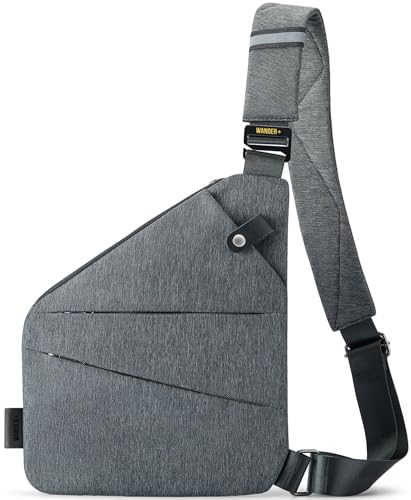
Keep your phone in a front pocket or inside a zipped bag at all times on Las Ramblas. Better still, use an anti-theft bag with hidden zippers or a money belt for your cards and passport. Don’t carry more cash than you need for the day. And if anyone approaches you and you didn’t initiate contact, keep moving.
18. The Friendship Bracelet Scam
This one operates near every major tourist site in Spain, particularly around the Sagrada Família and at the entrance to Park Güell. A friendly person approaches, compliments you, and starts tying a bracelet around your wrist before you’ve agreed to anything. Once it’s on, they demand payment, sometimes aggressively.
The defense is simply not stopping. If someone approaches with their hands out toward yours, keep walking and say no clearly. You don’t need to be rude about it. But you do need to not slow down, not engage with the conversation opener, and not let physical contact start. Once the bracelet is partially tied, the interaction becomes much harder to exit.
This scam is well-known enough that most locals walk past the operators without making eye contact. Follow that lead. Confident, directional walking is the single most effective anti-scam strategy in any major European city.
19. Driving Into Restricted Zones
Barcelona and Madrid both operate low-emission zones with camera enforcement. In Barcelona, the ZBE (Zona de Baixes Emissions) covers a significant portion of the city center. In Madrid, the Madrid Central zone similarly restricts access based on vehicle emissions rating. Rental cars from outside Spain frequently don’t carry the correct environmental sticker for access.
Fines range from €100 to €500 depending on the infraction and frequency. These are issued to the vehicle registration, which the rental company then passes directly to you, often with an additional processing fee. Most tourists find out about this weeks after returning home when a charge appears on their credit card.
If you’re renting a car in Spain, ask the company specifically about ZBE and Madrid Central access before you drive anywhere near a city center. Most modern rental fleet vehicles meet the requirements, but confirm it in writing. Parking outside the zones and using public transport into the center is often faster anyway.
20. Assuming Everywhere Takes Cards
Major cities in Spain are largely card-friendly. But once you get into rural areas, smaller towns, local markets, and Spanish cultural traditionsal bars frequented by older residents, cash is still the expected payment method. Some places have a card minimum. Others simply don’t have a reader at all.
The Balearic Islands, the Basque Country, and Galicia all have pockets of cash-only culture, particularly at best family holiday destinations in Spain-run restaurants and village markets that haven’t changed much in decades. Showing up at a meal with no cash and a card that doesn’t work is an awkward situation that’s easy to avoid.
Withdraw cash at a proper bank ATM on arrival, not the standalone machines in tourist areas that charge significant conversion fees. Keep €50-100 in smaller notes as a baseline throughout your trip. It covers the moments where the card reader is broken, the signal is bad, or the bar simply doesn’t take cards and never has.
Recommended read: Spain bucket list
FAQ: What to Avoid in Spain
Is Spain safe for tourists in 2026?
Yes, Spain is safe for tourists. It consistently ranks among the lower-crime countries in Europe for visitor safety. The main risks are petty theft, particularly pickpocketing in Barcelona’s tourist zones, and being caught out by the newer regulations around beach behavior and dress codes. Staying aware of your surroundings in crowded areas and keeping valuables secured handles most of the risk.
What are the biggest tourist mistakes in Barcelona?
The most common mistakes are not booking Gaudí sites in advance, eating dinner too early, and spending all of your time on Las Ramblas and La Boqueria when better alternatives are a short walk away. In 2026, not knowing about the anti-tourism context is also worth addressing. Barcelona is extraordinary but it rewards visitors who put in a small amount of preparation before they arrive.
What is the new beach rule in Spain?
The main new rule, enforced since 2025 in the Balearic Islands, prohibits reserving beach spots with towels or belongings when you are not physically present. The fine is €250. Several coastal municipalities have also introduced fines for wearing swimwear or going shirtless in town centers away from the beach. Both rules are actively enforced during peak season.
Is it rude to speak English in Spain?
It’s not rude to speak English, but starting every interaction in English without attempting any Spanish or Catalan is noticeable. In Catalonia specifically, where Catalan is the primary local language, even a simple “gràcies” signals that you’re aware of where you are. A brief attempt in Spanish or Catalan before switching to English is all that’s needed, and most people respond well to it.
What is considered disrespectful in Spanish culture?
Arriving at a restaurant for dinner before 8:30pm, wearing beach attire in historic town centers, and treating Spain as an undifferentiated monolith (ignoring the distinct cultures of Catalonia, the Basque Country, Galicia, and Andalusia) are among the most common missteps. Loudness in residential neighborhoods late at night is also a point of genuine friction in cities dealing with overtourism.
Key Takeaways
- Dinner in Spain starts at 9pm. Eating at 6pm means tourist-grade food at tourist-grade prices. Adjust your schedule or grab tapas to tide you over.
- Book all Gaudí sites before you leave home. In 2026 especially, the Sagrada Família and Casa Batlló sell out weeks in advance.
- La Boqueria and Las Ramblas restaurants are not where Barcelona eats. Walk two streets in any direction and you’ll find better food for less money.
- The €250 beach towel fine is real and enforced in the Balearic Islands. Don’t reserve spots with belongings when you’re not physically there.
- Use the metro. Barcelona’s system is fast, cheap, and runs until 5am on weekends. A taxi covering the same route costs 10-15 times more per journey.
- The friendship bracelet scam, Las Ramblas pickpockets, and low-emission zone fines are avoidable with minimal preparation. A front-pocket habit and a quick Google of driving zones before you rent handles most of it.
- The anti-tourism protests reflect a real housing crisis. Visiting thoughtfully, spending at local businesses, and staying in legal accommodation all make a difference.
- things to do in Nice, France after crossing the border
Final Thoughts on What to Avoid in Spain
Spain is one of the great countries to travel in Europe. The food is exceptional, the architecture is unlike anywhere else, the coastline runs from Atlantic cliffs to Mediterranean coves, and the regional cultures are distinct enough that visiting Seville, Barcelona, and San Sebastián can feel like three different countries in the span of a week. None of that changes because of the things on this list.
What the list gives you is the difference between a trip that works and a trip that frustrates. Missing Gaudí tickets, eating bad paella at the wrong hour, losing a phone on Las Ramblas, and getting a rental car fine you didn’t see coming all add up quickly. Knowing about them before you go costs nothing and protects the experience you actually came for.
Spain rewards the visitors who pay attention. Go curious, go prepared, and it will give you back more than you came looking for.