Quick Answer: The best things to do in Barcelona in 2026 are visit the Sagrada Família (central tower completed February 20, 2026, now the tallest church in the world), explore Park Güell and Casa Batlló (Gaudí 100th-death-anniversary year on June 10), walk the Gothic Quarter, eat tapas in El Born and pintxos in Eixample, watch sunset at Bunkers del Carmel, and visit the Picasso Museum. Barcelona declared 2026 the UNESCO World Capital of Architecture. Pickpocket rate runs 2.9x Spain’s national average; pack accordingly.
Last updated: May 2026 · Sagrada Família central tower completed Feb 20, 2026; Gaudí 100th death anniversary June 10; Barcelona UNESCO World Capital of Architecture 2026.
The Boqueria Market off La Rambla opens at 7 AM and the first thing that hits is the smell. Fresh-cut fruit from the juice bars at the front, frying garlic and olive oil from Pinotxo Bar at the corner stall, and the sharp ocean smell of just-arrived seafood at the back fish counters. By 7:15, the locals are sitting on the eight stools at Pinotxo eating tortilla with onions and drinking a small glass of cava, and Juanito Bayén, the bow-tied owner who has been working that bar since 1940 (born 1933, still there at the counter most mornings), is taking orders without writing them down. By 9 AM the tourists arrive in volume and the market becomes a different place; by 10 AM the prices for the same fruit are 30% higher.
Barcelona in 2026 is having a year. The Sagrada Família’s central Tower of Jesus Christ completed on February 20, 2026, making the basilica officially the tallest church in the world at 172.5 meters. June 10 marks the 100th anniversary of Antoni Gaudí’s death (run over by a tram on Gran Via in 1926, mistaken at first for a beggar because of his shabby clothes). The city declared 2026 the UNESCO World Capital of Architecture. All of this against the city’s well-known overtourism debate, which has produced the Sa Calobra-style visitor-cap protests but has not slowed the tourist arrivals.
Seven sections cover the city: the Gaudí circuit for the centenary year, the Gothic Quarter and medieval Barcelona, the museums worth committing to, the neighborhoods that show Barcelona’s actual texture, the food and tapas rituals, the day trips, and the pickpocket reality that travelers should pack around but not panic about.
Barcelona Travel Kit
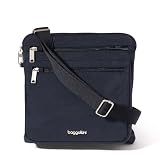
Barcelona’s reality: 20,000+ steps per day on hot cobblestone, frequent café terrace stops, Metro Line 3 with the city’s worst pickpocket presence at Liceu and Catalunya stations, and Mediterranean swim breaks at Barceloneta. Six items make the trip easier. A Barcelona-specific guidebook with the Gaudí centenary detail. A slash-resistant crossbody anti-theft bag (essential here). Comfortable Mediterranean walking sandals. A Spanish phrasebook for menu Catalan. A wide-brim sun hat for full-day sightseeing. A travel water bottle with filter for the hot-day walks.




Recommended blogs to read:
- Places to visit in southern Europe
- Spain bucket list
- Best tapas bars in Spain
- How to avoid pickpockets in Europe
- 37 Europe travel tips
What Should You See on the Barcelona Gaudí Circuit in 2026?
Seven Gaudí buildings in Barcelona are collectively UNESCO-listed (since 1984, expanded 2005). 2026 is the centenary of his death and the year his most-famous building finished its central tower. Four anchors do the Gaudí trip.
1. The Sagrada Família
Begun in 1882, taken over by Gaudí in 1883, still being completed. The central Tower of Jesus Christ finished on February 20, 2026 at 172.5 meters, making the basilica the tallest church in the world (passing Ulm Minster in Germany). Entry €33 with audio guide, €40 with tower-elevator access (Nativity Tower for the morning blue-violet light, Passion Tower for the late-afternoon sun). The interior light cathedral effect, with the colored stained-glass projecting onto the white limestone columns, is the photographed moment that defines the visit. Book online 4-6 weeks ahead in peak season.
Read also: tourist attractions in Europe and UNESCO sites in Europe.
2. Park Güell
Gaudí’s failed garden-city project on Carmel Hill (1900-1914), now a UNESCO-listed public park with a paid Monumental Zone (€11 timed-entry, book online). The serpentine mosaic bench on the main terrace, the colonnaded Hipóstilo Hall under it, and the gingerbread-house entrance pavilions are the iconic locations. The Park Güell escalators (free, near Lesseps metro) save the steep climb. Best at 8 AM opening or after 4 PM for softer light. Allow 90 minutes for the Monumental Zone; allow another 90 minutes if you want to walk the wider park.
Read also: places to visit in southern Europe and UNESCO sites in Europe.
3. Casa Batlló
Gaudí’s 1904-1906 renovation of an apartment building on Passeig de Gràcia, with the bone-skeleton balconies, scale-tiled facade, and the dragon-back roofline. Entry €35-€45 depending on the experience tier (the “Be the First” tier includes a private breakfast on the roof terrace before public hours, €119, worth it for the empty rooftop photographs). The 10-minute-by-10-minute projection-mapping experience on the facade (October-December evenings) is the under-photographed extra.
Read also: tourist attractions in Europe and beautiful cities in Europe.
4. Casa Milà (La Pedrera)
Gaudí’s 1906-1912 wave-stone apartment building on Passeig de Gràcia, the last private residence he designed. Entry €28 standard, €41 night-tour with the rooftop chimneys lit (the chimneys are the famous twisted-warrior figures that George Lucas reportedly referenced for Star Wars Stormtrooper helmets). The Whale of the loft has the original Gaudí-designed structural arches still visible. Combine with Casa Batlló a block south on the same day.
Read also: places to visit in southern Europe and unique places to visit in Europe.
Which Medieval Barcelona Sites Should You Visit?
The Gothic Quarter (Barri Gòtic) holds 2,000 years of Barcelona history in 0.5 square kilometers. Four anchors do the medieval city tour.
5. Barcelona Cathedral (La Seu)
Built 1298-1420 on the foundation of an earlier Romanesque cathedral and a Roman temple. Entry €11 (includes the rooftop terraces and the choir). The interior Gothic columns rise 28 meters; the central nave runs 90 meters. The cloister courtyard with the 13 white geese (one for each year of Saint Eulàlia’s life, the city’s co-patron saint) is the secret-garden moment most tourists miss. Daily Mass schedule restricts visiting hours; check before going.
Read also: beautiful cities in Europe and places to visit in southern Europe.
6. The Roman Walls and the Plaça del Rei
The Roman city of Barcino’s defensive walls (1st-4th century AD) are still visible at multiple points around the Gothic Quarter (Plaça Nova, Plaça Ramon Berenguer, Pati Llimona). The Plaça del Rei, the medieval royal square, holds the Palau Reial Major (royal palace), Saló del Tinell (the great hall where Columbus reportedly met with Ferdinand and Isabella after the first voyage), and the Chapel of Santa Àgata. Entry to the underground Roman archaeological site at MUHBA (Barcelona History Museum) €7.
Read also: UNESCO sites in Europe and hidden gems in Europe.
7. The Picasso Museum (Born District)
4,251 works spread across five connected medieval mansions on Carrer Montcada in the El Born neighborhood. The collection focuses on Picasso’s formative years in Barcelona (1895-1904) and his late Las Meninas series (1957). Entry €15. Free first Sunday afternoon of each month and every Thursday after 5 PM (long queue). The medieval-stone-courtyard architecture of the buildings themselves is half the experience.
Read also: tourist attractions in Europe and things to do in Barcelona’s Gothic Quarter.
8. Santa Maria del Mar (Basilica del Mar)
The Catalan Gothic masterpiece in El Born, built 1329-1383 in record time (54 years), funded by the city’s merchant sailors. The interior has the famous “Cathedral of the Sea” effect: tall, austere, with the three identical naves rising to ribbed vaults in unbroken vertical lines. Free entry to the basilica; €12 for the rooftop tour that lets you walk the parapet around the church. Ildefonso Falcones’s bestselling novel “Cathedral of the Sea” put the church on the literary tourism circuit since 2006.
Read also: beautiful cities in Europe and hidden gems in Europe.
Which Barcelona Neighborhoods Reward a Half-Day Walk?
Four neighborhoods show Barcelona’s actual character, away from the Sagrada Família queue and La Rambla crush.
9. El Born
The medieval-and-design Born district, adjacent to the Gothic Quarter but separated from it by Via Laietana. Carrer Argenteria runs from Santa Maria del Mar down to Passeig del Born, the wide pedestrian promenade where the city’s design hotels, natural-wine bars, and small-plate restaurants concentrate. The El Born Centre Cultural (in the restored 1876 market hall) holds the archaeological excavation of the early-1700s neighborhood destroyed when the Spanish king demolished it after the 1714 siege. Half-day on foot.
Read also: best city breaks in Europe and beautiful cities in Europe.
10. Gràcia
The historically separate village uphill from Eixample, with its own neighborhood-square scene (Plaça del Sol, Plaça de la Vila de Gràcia, Plaça del Diamant). Gràcia hosts the Festa Major de Gràcia every August (the entire neighborhood decorates the streets in elaborate themed handmade installations; one of Spain’s best free street festivals). Casa Vicens (Gaudí’s first house, 1883-1885) sits inside Gràcia at Carrer de les Carolines 18-24. Entry €20.
Read also: hidden gems in Europe and best events in Europe.
11. Poble-sec
Carrer Blai is the city’s most-concentrated pintxos street (Basque-style bar-snack culture transplanted to Barcelona). 17 tapas bars in a 200-meter stretch; €1.50-€3 per pintxo, served on toothpicks at the bar. Walk down the street, eat a pintxo at each bar, settle the tab by counting the toothpicks at the end. The Quimet & Quimet 5-minute-walk-away tapas bar (since 1914) is the institutional anchor for the broader area; closes at 4 PM and reopens at 7.
Read also: culinary destinations in Europe and best tapas bars in Spain.
12. Barceloneta
The 18th-century planned fishermen’s neighborhood between the city and the beach. Narrow grid streets, tight balconies, traditional seafood restaurants. The Barceloneta Beach is the city’s main one; it gets crowded in summer but works as a 30-minute swim break between sightseeing. La Cova Fumada (since 1944, no sign on the door, cash only) invented the bomba (deep-fried potato-and-meat ball) here in 1955. Best in May or September; July-August are crowded.
Read also: best beach cities in Europe and best beach destinations in Europe.
Where Should You Watch Sunset in Barcelona?
Three sunset viewpoints in Barcelona deliver the city panorama. Each is free to access.
13. Bunkers del Carmel (Turó de la Rovira)
The 1937 anti-aircraft battery emplacements on the Turó de la Rovira hill in the Horta neighborhood, now the city’s most-photographed free sunset spot with a 360-degree view across all of Barcelona to the Mediterranean. Reach by Metro to El Carmel station + 25-minute uphill walk, or by bus 119 from Plaça d’Alfons X. Free, no reservation. Arrive 45 minutes before sunset to get a spot on the concrete platforms. Bring a beer; locals do.
Read also: hidden gems in Europe and best city breaks in Europe.
14. Montjuïc Castle and Park
The hilltop fortress (1640) on Montjuïc, with the Magic Fountain (free light-and-music show, Thursday-Sunday evenings April-October), the Joan Miró Foundation museum, and the 1992 Olympic stadium all on the same hill. The Montjuïc cable car (€16 round trip) gives the slow-arrival approach for the sunset panorama. Walk down from the castle through the park to the Magic Fountain (it runs three or four 30-minute shows per evening starting at 9:30 PM in summer).
Read also: beautiful cities in Europe and best city breaks in Europe.
15. Tibidabo Mountain
The 512m hill behind the city, with the neo-Gothic Temple Expiatori del Sagrat Cor church and the old-fashioned Tibidabo Amusement Park at the summit. Reach via the Tramvia Blau heritage tram (€10 round trip) + the Funicular del Tibidabo (€8). Park entry €34, free for the church and the panoramic terrace. The Ferris wheel ride at sunset over the city is the photogenic moment. Combine with Bellesguard, Gaudí’s lesser-known 1900-1909 residential project, on the slopes below.
Read also: unique places to visit in Europe and hidden gems in Europe.
What Are the Barcelona Food Rituals to Try?
Four institutional Barcelona food experiences. Each one is the city at its most itself.
16. Tapas Crawl in El Born
Cal Pep (Plaça de les Olles, no reservations, queue at 7 PM opening) is the institutional standing tapas bar. El Xampanyet (since 1929, on Carrer Montcada near the Picasso Museum) for cava and anchovies. Bar del Pla (next to the Picasso Museum) for the modern tapas spin. Plan three or four stops over 90 minutes with a beer at each; €40-€60 per person for the full crawl.
Read also: best tapas bars in Spain and culinary destinations in Europe.
17. Sunday Vermut Hour
The Barcelona Sunday vermouth-aperitif tradition from noon to 3 PM at neighborhood bars. Quimet & Quimet in Poble-sec, Bodega 1900 by Albert Adrià (when you can get a reservation), Bormuth in El Born, La Bodegueta in Gràcia. Order a vermut on the rocks with an olive and a wedge of orange; pair with bombas, olives, or bullit (Catalan stew).
Read also: culinary destinations in Europe and Spain bucket list.
18. Boqueria Market at 7 AM
La Boqueria off La Rambla, the city’s iconic food market. Open Monday-Saturday from 8 AM (though the stallholders are setting up from 6 AM and most are taking orders by 7 AM). Pinotxo Bar (at the front-right corner) is the standing institution; 8 stools, Juanito Bayén still working the bar most mornings, tortilla with onions and a glass of cava breakfast for €12. Avoid arrival after 10 AM when the tourist volume triples and prices for the same fruit rise 30%.
Read also: famous food in Spain and culinary destinations in Europe.
19. Catalan Cava Tasting in Penedès
The Penedès wine region is 45 minutes by train from Barcelona to Sant Sadurní d’Anoia. Codorníu (since 1551, the original Spanish cava producer, in a Puig i Cadafalch Modernist building) and Freixenet (the world’s largest cava producer) both run cellar tours and tastings. €25-€45 per tour including 3-4 cava tastings. Combine with a stop in Vilafranca del Penedès for the Vinseum (Catalan wine museum) and the Vermut Padró tasting.
Read also: culinary destinations in Europe and Europe in October.
Which Day Trips from Barcelona Pay Off?
Three day trips beyond the city deserve consideration if you have a 7+ day trip.
20. Montserrat
The serrated mountain (literally Mont-serrat = saw-toothed mountain) 50km northwest of Barcelona, holding the 11th-century Benedictine monastery and the Black Madonna (La Moreneta) statue. Reach by R5 train from Plaça d’Espanya + the Cremallera rack railway or the cable car. Combined ticket €25. The Boys Choir (Escolania de Montserrat, one of the oldest in Europe, since 1223) sings at the 1 PM and 6:45 PM Mass on weekdays. Hike to one of the four small hermitages on the surrounding peaks for the panoramic photographs.
Read also: unique places to visit in Europe and European destinations for nature lovers.
21. Girona and Costa Brava
Girona is the medieval Jewish-quarter walled city 90 minutes north by train. The Game of Thrones King’s Landing exterior shots used the cathedral steps. The Eiffel Bridge (designed by Gustave Eiffel before the Tower) crosses the Onyar River with the iconic colored-house facades. Continue 30 minutes east to Tossa de Mar or Cadaqués (Dalí country) for the Costa Brava beach add-on.
Read also: fairytale towns in Europe and beautiful cities in Europe.
22. Sitges
The Mediterranean beach town 35km south of Barcelona. 17 beaches, the Modernist Cau Ferrat museum (founded by Santiago Rusiñol in 1893, the cultural heart of late-19th-century Catalan Modernism), and Spain’s most LGBTQ-friendly summer scene. The Sitges Carnival in late February is one of Spain’s biggest. The Sitges Film Festival in October draws the international horror-film crowd.
Read also: best beach cities in Europe and best beach destinations in Europe.
Things to Do in Barcelona FAQ
What is the #1 thing to do in Barcelona in 2026?
Visit the Sagrada Família now that the central tower finished on February 20, 2026 (it’s the tallest church in the world). Book the tower elevator add-on for the morning blue-violet stained-glass light. The Gaudí centenary year (100th death anniversary June 10) adds programming across all his buildings.
How many days do you need in Barcelona?
Minimum 4 days for the icons (Sagrada Família, Park Güell, Casa Batlló, Gothic Quarter, Picasso Museum, Boqueria). 7 days adds Montserrat or Girona day-trips plus the neighborhood walks plus serious tapas time. 10 days lets you add Sitges or Penedès wine country. Most first-timers underbook Barcelona.
Is Sagrada Família worth visiting in 2026?
Yes, more so than any previous year. The central Tower of Jesus Christ completed February 20, 2026, making it the tallest church in the world at 172.5 meters. The basilica is structurally finished (the decorative Glory Facade targets 2034). Book the entry + tower-elevator ticket online 4-6 weeks ahead in peak season.
How safe is Barcelona for tourists in 2026?
Violent crime is low; Barcelona ranks safer than most major Spanish cities. Pickpocketing is the dominant tourist crime, with the rate at 2.9x Spain’s national average (100,000+ incidents per year in the city). The pickpocket hotspots: La Rambla, Metro Line 3 at Liceu and Catalunya stations, the Sagrada Família queue area, Park Güell entry, and the Eixample blocks around Passeig de Gràcia. Use a slash-resistant crossbody bag worn in front in crowds.
When is the best month to visit Barcelona?
May, June, September, and October are the all-around best months. Pleasant 22-28°C, sea swimmable May through October, manageable crowds. Avoid July-August: 35°C-plus inland heat, peak tourist crush, and many small restaurants close for the August holiday. November-March is quieter and cheaper; Christmas markets fill December.
Where should you stay in Barcelona?
Eixample for first-timers (central, walkable to Gaudí buildings, residential feel, mid-range hotels €120-€200). El Born for design-minded travelers (medieval architecture, El Born Centre Cultural, walk to Picasso Museum). Gràcia for quieter neighborhood feel away from tourist density. Skip La Rambla and the immediate Gothic Quarter for sleeping (loud, pickpocket-heavy, overpriced).
Key Takeaways
- Sagrada Família central tower completed February 20, 2026; tallest church in the world at 172.5m.
- Gaudí 100th death anniversary June 10, 2026; centenary programming across all his buildings year-round.
- Barcelona is UNESCO World Capital of Architecture 2026.
- Gaudí circuit: Sagrada Família, Park Güell, Casa Batlló, Casa Milà, Casa Vicens.
- Gothic Quarter + El Born for medieval Barcelona; Cathedral, Picasso Museum, Santa Maria del Mar.
- Neighborhoods worth half-day: El Born, Gràcia, Poble-sec (Carrer Blai pintxos), Barceloneta.
- Sunset spots: Bunkers del Carmel (free), Montjuïc Castle, Tibidabo.
- Pickpocket rate 2.9x Spain’s national average; use slash-resistant crossbody bag in front in crowds.
Final Thoughts on Things to Do in Barcelona
Barcelona in 2026 is the year the city becomes the most-Barcelona it’s ever been. The Sagrada Família finally has a finished structural shell after 144 years. The Gaudí centenary lights up programming across all seven of his UNESCO-listed buildings. The UNESCO World Capital of Architecture designation gives international cultural-tourism focus. The food, the beach, and the medieval Gothic Quarter were already legendary; the 2026 calendar adds the once-in-a-century anchor.
For 2026, book Sagrada Família tickets the day they release for your travel dates. Stay outside La Rambla (Eixample or El Born). Pack the crossbody bag. Walk the Bunkers del Carmel sunset. Eat tortilla at Pinotxo at 7 AM. And accept that Park Güell at 4 PM with the soft afternoon light is a better experience than Park Güell at noon with the busload crush.