Quick Answer: The best city breaks in Europe for 2026 sort by how long a weekend you’ve got. Two-day cities (Bruges, Porto, Krakow) reward a quick Friday-to-Sunday hit. Three-day cities (Vienna, Budapest, Lisbon, Edinburgh) deserve a long weekend. Four-day cities (Paris, Rome, Berlin, Barcelona) need a Friday-off booking. Vienna gets a bonus for Eurovision year and the Mozart 270th anniversary.
Last updated: May 2026 · Eurovision in Vienna June 2026, Trenčín European Capital of Culture, Guimarães European Green Capital.
The best Europe trip I took in 2024 wasn’t two weeks anywhere. It was a Friday-to-Monday in Porto with a friend, a single flight in, a slow walk along the Douro at sunset, three dinners that ruined every other dinner since. The whole thing cost less than a single week in Italy. The city-break formula is underrated.
The cities that pay off as 2-4 day trips aren’t necessarily the same as the cities that pay off for a full vacation. A weekend in Paris will leave you wishing for more. A weekend in Bruges is exactly the right length. Picking the right city for the length of weekend you’ve got is the whole trick.
The 22 best European city breaks for 2026 below, sorted by weekend length. Plus the cultural anchors this year (Eurovision in Vienna, Trenčín as European Capital of Culture, Guimarães as Green Capital) that make some cities especially worth the flight.
Planning multiple city breaks across the year?
The Ultimate Europe Trip Planner has 4 city-break itineraries you can lift directly, plus the flight-and-hotel budget math for each. Currently just $17 before the price goes up to $27.
City Break Travel Kit We Pack Every Time
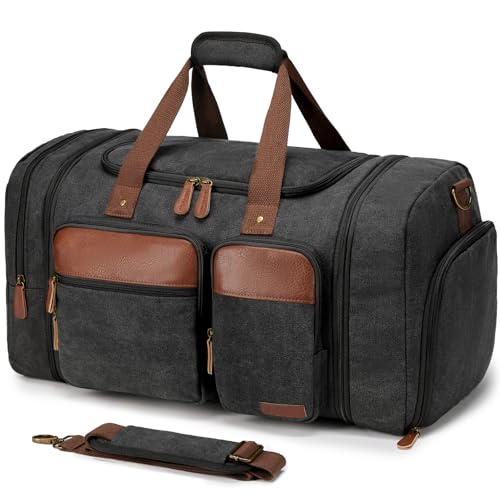
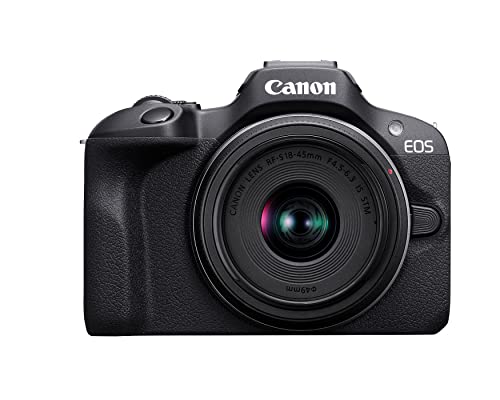
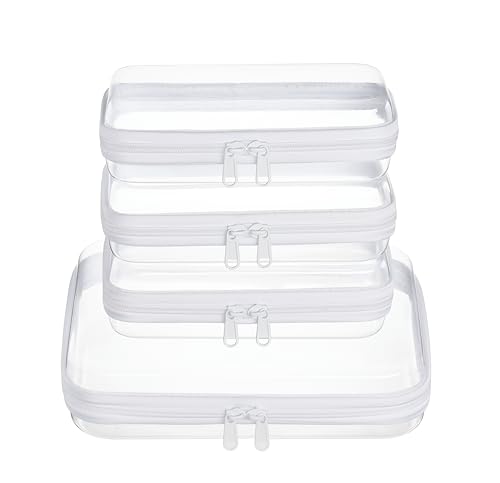
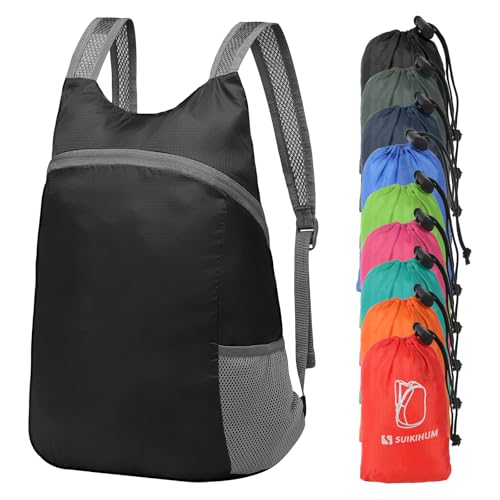
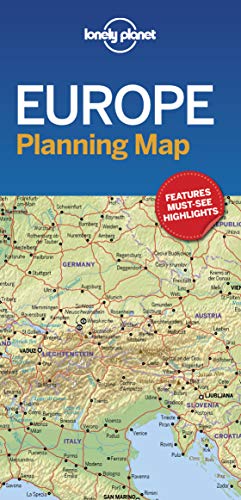
A weekend trip is the carry-on-only test. A weekend duffel that fits under the seat. A compact mirrorless camera for the photo walks. A travel pouch organizer to keep chargers and adapters together. A foldable day pack that lives flat in the suitcase. A travel toiletry bottle set so you can carry on. A laminated foldable city map that doesn’t drain phone battery. Six picks below.


Recommended blogs to read:
- The best cities in Europe to visit
- Best capital cities in Europe
- The most beautiful cities in Europe
- Europe’s biggest cities
- 37 Europe travel tips
Which Cities Work as a Two-Day Weekend?
Friday evening flight, Sunday afternoon flight home. Two full days of city. Compact, walkable, low arrival friction. These are the cities you can knock off without taking a single day off work.
1. Bruges, Belgium
Walks end-to-end in 35 minutes. The medieval canal grid hasn’t changed since the 13th century. Climb the 366 steps of the Belfort tower, eat moules-frites at Pas Partout on Garenmarkt, drink Belgian beer at De Garre with the cheese cubes that come with every glass. Train from Brussels in 60 minutes. Eurostar from London to Brussels in 2 hours.
2. Porto, Portugal
The Douro river splits the city; the south bank holds the port wine cellars and the north holds the old town. The Livraria Lello (the bookshop that inspired Harry Potter) opens at 9:30; arrive at 9:25. Eat francesinha at Café Santiago for €11. Drink in Vila Nova de Gaia at sunset. Direct flights from most European hubs in 2-3 hours.
3. Krakow, Poland
The medieval main square (Rynek Główny) is the largest in Europe. The Wawel Castle and cathedral hold a millennium of Polish history. The Jewish quarter of Kazimierz has the best food and drink scene in the city. Eat pierogi at Pierogarnia Krakowiacy for €5-€7. Drink at Alchemia. Auschwitz day trip is doable but heavy; consider whether you want it on a 2-day trip.
4. Tallinn, Estonia
The walled medieval Old Town (UNESCO since 1997) is small enough to walk in two hours. Climb to the Toompea Hill platform for the panorama. Eat at the converted Telliskivi Creative City complex for the modern food scene. Ferry to Helsinki in two hours if you want a Finnish day-trip bonus.
5. Ljubljana, Slovenia
Europe’s smallest capital. The triple bridge over the Ljubljanica River was designed by Jože Plečnik in 1929. The whole city centre walks in 30 minutes. Eat at Druga Violina (the social-enterprise restaurant) on Stari trg for €8-€12 open-faced sandwiches. Day-trip to Lake Bled (1 hour by bus) if you want a postcard half-day.
6. Salzburg, Austria
Mozart’s birthplace, the Sound of Music backdrop, the Baroque Old Town (UNESCO since 1996), all within an eight-block walking radius. The Hohensalzburg fortress on the hill is one of Europe’s largest medieval castles. 2026 hosts the Mozart 270th anniversary celebrations. Train from Vienna or Munich in 2-3 hours.
Which Cities Are Worth a Three-Day Long Weekend?
Take a Friday off. Fly out Thursday evening or Friday morning. Three full days of city, return Sunday night. These cities have enough depth to fill 72 hours without rushing.
7. Vienna, Austria (The 2026 Headliner)
The cultural anchor of 2026. Eurovision returns in June for the 70th anniversary. Mozart’s 270th anniversary celebrations run through the year. The Hofburg, Belvedere, Schönbrunn, and the Musikverein all sit in the small inner ring. Eat schnitzel at Plachutta, drink coffee at Café Sperl, attend a standing-room slot at the Staatsoper for €13.
8. Budapest, Hungary
Split-personality city. Royal Buda on the hill, commercial Pest on the flat. The thermal bath scene (Széchenyi, Rudas, Gellért) goes back to Ottoman times. The ruin-bar scene at Szimpla Kert defined the post-2002 nightlife template. Eat goulash at Bestia in District VII. The Parliament tour is essential.
9. Lisbon, Portugal
Seven hills and a river. The yellow Tram 28 goes through Alfama if you can stomach the tourist crush. Eat pastel de nata at Manteigaria for €1.30. Drink at the Time Out Market for the food-hall vibe. Day-trip to Sintra for the painted palaces. The Alfama neighborhood at sunset is the trip everyone remembers.
10. Edinburgh, Scotland
The medieval Old Town and the Georgian New Town are both UNESCO. The castle on Castle Rock anchors the skyline. The Royal Mile runs from the castle to Holyrood Palace. Eat at the Witchery by the Castle, drink at the Bow Bar, climb Arthur’s Seat for the city panorama. August Fringe Festival makes the city impossible; visit September through November or April through May.
11. Copenhagen, Denmark
The most-cited green city in Europe. 62% of residents bike to work. The Nyhavn waterfront is the postcard. Tivoli Gardens is the world’s second-oldest amusement park (1843). Eat at Reffen food market on Refshaleøen, drink at the bars in Nørrebro. CopenHill, the ski slope on top of a waste-to-energy plant, opened 2019 and remains the city’s most photographed building.
12. Stockholm, Sweden
14 islands connected by 57 bridges. Gamla Stan (the Old Town) holds the Royal Palace and the medieval grid. Vasa Museum (the 17th-century warship raised intact from the harbor) is one of Europe’s best museums. Eat herring at Pelikan, drink at Tjoget in Södermalm. White-night summers mean 18 hours of daylight by June.
13. Reykjavik, Iceland
The world’s northernmost capital, population 135,000. The Hallgrímskirkja church mimics the basalt columns of the Icelandic landscape. The Blue Lagoon sits 45 minutes south near the airport. August 12, 2026 brings the first Icelandic total solar eclipse since 1954; if you’re going that month, book early. The whole city walks in 90 minutes; rent a car for the Golden Circle.
14. Trenčín, Slovakia (The 2026 Underdog)
European Capital of Culture 2026 (jointly with Oulu, Finland). Population about 55,000. The medieval castle above the town predates the Reformation; the Roman inscription at its base (179 AD) is the northernmost piece of Roman writing in continental Europe. The Capital of Culture program runs February through November with the Light Art Festival in April, Splanekor on the Váh in July, and Fiesta Bridge Festival in September. Train from Vienna in 90 minutes.
Which Cities Need a Four-Day Booking?
The big capitals. Book a Friday off and a Tuesday off. Four full city days. Even four isn’t enough for these, but it’s the minimum that doesn’t feel rushed.
15. Paris, France
Two-day Paris means seeing the inside of the Louvre but not the Musée d’Orsay. Four days lets you fit the Louvre, the Orsay, the Marais walking morning, the Montmartre sunset, and a day in the 11th arrondissement eating where the locals eat. Stay in the 11th or the Marais; skip the Latin Quarter for first trips. Eurostar from London in 2h 22min.
16. Rome, Italy
The Vatican Museums day is one full day. The Colosseum and Roman Forum is another. Trastevere across the river is a third. The Borghese Gallery (book 60 days ahead) and the Pantheon round out the fourth. Eat at Roscioli for the deli-and-wine-bar lunch, Da Lucia for the cucina romana dinner, Pasticceria Regoli for the morning maritozzo.
17. Berlin, Germany
The cheapest of the major capitals. The Cold War walking tour eats one day (Topography of Terror, East Side Gallery, Checkpoint Charlie, the Bernauer Strasse memorial). Museum Island another. The food and bar scene in Kreuzberg and Friedrichshain at least one full evening. Tempelhof airfield (now a public park) for a Sunday-afternoon picnic.
18. Barcelona, Spain
The Sagrada Família finished in 2026 after 144 years of construction. Book a timed entry 30 days ahead. Park Güell is the other Gaudí must-see. The Gothic Quarter walks in two hours. Tapas in El Born or Gràcia. The 2024 anti-tourism protests changed the dynamic; respect the locals, avoid the most overcrowded districts, and skip the Las Ramblas tourist menus.
19. Madrid, Spain
The Golden Triangle of Art (Prado, Reina Sofía, Thyssen-Bornemisza) covers two days. El Retiro park for one Sunday afternoon. Tapas crawls in La Latina or Malasaña fill three evenings. Lunch starts at 2 p.m., dinner at 10 p.m.; adjust your stomach. Day-trip to Toledo by AVE high-speed train in 30 minutes.
20. Amsterdam, Netherlands
The 17th-century canal ring (UNESCO since 2010) is the trip. Rijksmuseum and Van Gogh Museum are two half-days. Anne Frank House requires timed tickets 30 days ahead. Stay in Jordaan or De Pijp, not the Damrak. 2026 anti-tourism measures cap cruise-ship arrivals at 100 per year, so the day-tripper crowds have thinned.
Which Cities Are the 2026 Cultural Anchors?
Three cities have a once-this-year moment worth flying for. Plan around their event calendars.
21. Guimarães, Portugal (European Green Capital 2026)
Population 156,830. The medieval birthplace of Portugal won the 2026 European Green Capital crown. The UNESCO Old Town centres on Largo da Oliveira. The 2026 event calendar includes Spring Festival (late March), Spring Forward dance festival (April), Green Week (June), Mobility Week (September). Train from Porto in 90 minutes.
22. The Vienna-Mozart-Eurovision Triple in 2026
The year Vienna goes deep on its cultural identity. Mozart’s 270th anniversary runs across the year. Eurovision returns in June for its 70th anniversary. The State Opera, the Musikverein, and the Burgtheater all have anniversary programming. Three days in May or June 2026 hits multiple events. Book the hotel 6-9 months ahead.
Pair two city breaks into one extended weekend?
The Ultimate Europe Trip Planner includes a “two-cities-one-flight” matrix for combining nearby cities (Bruges and Amsterdam, Salzburg and Munich, Krakow and Wroclaw) into a 4-5 day weekend. Currently just $17 before the price goes up to $27.
European City Break FAQ
What is the best city break in Europe right now?
Vienna for 2026 specifically, with Eurovision in June and Mozart’s 270th anniversary running the whole year. For underrated picks: Trenčín (European Capital of Culture), Guimarães (Green Capital), Porto, Krakow, Lisbon. For first-time city breaks: Bruges, Amsterdam, Barcelona.
Which European city is best for a 3-day weekend?
Lisbon, Edinburgh, Vienna, Budapest, Copenhagen, Stockholm. Each has enough depth for 72 hours without rushing. All have direct flights from most European hubs.
Where is the cheapest city break in Europe?
Sarajevo at €288 for the Post Office Travel barometer 12-item basket (cheapest 2026). Bucharest, Tirana, Belgrade, and Trenčín round out the top five. Krakow, Budapest, and Porto are the cheapest of the mainstream city-break picks.
What is the easiest European city to visit for a first-timer?
Amsterdam, Bruges, Edinburgh, Vienna, Lisbon. English coverage is universal, the cities are walkable, public transit is intuitive, accommodation runs mid-range. Skip Naples and Athens for a first trip unless you’re comfortable with chaos.
Which European city has the best food?
Lyon (the unofficial food capital of France), Lisbon (best value), Naples (pizza ground zero), Barcelona (tapas pace), Copenhagen (Nordic fine dining). Honorable mentions: Porto, Bologna, San Sebastián, Vienna, Athens.
Is Vienna worth visiting in 2026?
Yes, this is the year. Eurovision returns to Vienna in June for the 70th anniversary. Mozart’s 270th anniversary runs across the year with special programming at the State Opera, Musikverein, and Burgtheater. Book accommodation 6-9 months ahead for May and June.
Key Takeaways
- 2-day cities: Bruges, Porto, Krakow, Tallinn, Ljubljana, Salzburg. Friday-to-Sunday hits.
- 3-day cities: Vienna, Budapest, Lisbon, Edinburgh, Copenhagen, Stockholm, Reykjavik, Trenčín. Long weekend with one day off.
- 4-day cities: Paris, Rome, Berlin, Barcelona, Madrid, Amsterdam. Two days off; flying first thing.
- 2026 cultural anchors: Vienna for Eurovision and Mozart’s 270th, Trenčín for European Capital of Culture, Guimarães for European Green Capital.
- Sarajevo is the cheapest 2026 European city break at €288 for the standard 12-item basket.
- Avoid August Edinburgh (Fringe overload), Easter Rome (Holy Week chaos), July-August Barcelona (40°C heat plus tourist protests).
- Book Eurostar reservations 60-90 days ahead in summer; the cheap fares sell out fast.
Final Thoughts on Picking the Right City Break
The honest secret is that any of these cities will reward a weekend. The trick is matching the length to the destination. Two days in Bruges is enough; two days in Paris is a tease. Four days in Krakow is two days too many; four days in Rome is barely enough. Pick the weekend length first, the city second. The trip almost always delivers.