Quick Answer: Europe’s best culinary destinations in 2026 are Naples (Pizza Napoletana TSG), Bologna (ragù), San Sebastián (pintxos), Lyon (France’s food capital), Modena (balsamic), Parma (prosciutto + Parmigiano), Copenhagen (new-Nordic), Lisbon, Tbilisi, and Ljubljana. Michelin Guide named Venice, Rome, Bologna, Naples, and Lyon as top 2026 food cities. Italy holds 45.8% of European food-traveler intent. Reinheitsgebot hits its 510th anniversary in 2026, anchoring a Bavarian brewery itinerary.
Last updated: May 2026 · Reinheitsgebot 510th anniversary; 12 new Michelin three-stars in France 2026; Camembert PDO reforms.
I spent three days in Bologna a few years ago on what was supposed to be a “tagliatelle al ragù” eating tour. By day two I had hit eight different osterie, and the same woman in the kitchen at Trattoria Anna Maria (a small place on Via Belle Arti with about eleven tables, mostly locals) caught me ordering the same dish for the third time and just brought it out unprompted on day three with a small smile. She made the egg-yolk pasta sheet that morning at 6:30 AM, the same way her grandmother taught her, with type 00 flour and pasture-fed eggs from a farm about forty minutes outside the city. The ragù simmered six hours from the day before. There is not a single ingredient or step she would change. The price was €16, including a glass of Sangiovese the kitchen poured without asking.
Most “best food in Europe” lists rank cities. The more useful question is which dish each city actually does better than anywhere else, and where you should sit when you order it. Pizza margherita in Naples versus pizza margherita anywhere else on earth is not a fair fight, and the Pizza Napoletana TSG protection since 2010 explains why. Bologna’s tagliatelle al ragù has its own legal-specification recipe filed with the Camera di Commercio since 1982. Lyon’s bouchon-restaurant tradition runs back 250 years and the food still tastes like the city.
Twenty-two European culinary destinations come next, sorted by what to eat there. Italian heartland for pasta and pizza. Spain’s tapas and pintxos belt. France beyond Paris. The Mediterranean olive-oil coast. The Bavarian beer trail for Reinheitsgebot’s 510th. The rising new-school food cities of Eastern Europe and Scandinavia. And the PDO/TSG label primer that turns an ordinary lunch into a trip-defining meal.
Building a food-first European trip?
The Ultimate Europe Trip Planner has city-by-city tasting itineraries (Bologna in 2 days, San Sebastián pintxos crawl, Lyon’s bouchon route, Naples pizza pilgrimage) and the 2026 Michelin reservation calendar. $17 right now.
European Food Travel Kit
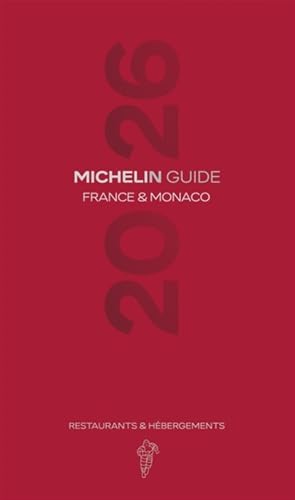
Food-trip kit is small. Six items earn their place. A Michelin Guide Europe 2026 for the booking calendar. A phone food photography lens for the dish-on-the-table shot. A regional European cookbook for the recipes you want to recreate back home. An olive oil tasting set as the post-trip gift to yourself. A portable travel cheese knife for the Airbnb wine-and-cheese nights. A protective wine travel bag for bottles flown home in checked luggage.




Recommended blogs to read:
- European foods (regional dishes)
- Famous food in Spain
- Best tapas bars in Spain
- Places to visit in the Mediterranean
- 37 Europe travel tips
Which Italian Cities Are the Heartland for Pasta and Pizza?
Italy holds 45.8% of European food-traveler intent in the 2026 Eating Europe survey. Five cities anchor the Italian food trip, each one defending a specific dish.
1. Naples for Pizza Napoletana TSG
Traditional Specialty Guaranteed since 2010. The official rules require Mediterranean wheat flour (00 or 0 grade), San Marzano DOP tomatoes from the Sarno valley, fior di latte or mozzarella di bufala campana, Italian extra-virgin olive oil, fresh basil, and 60-90 second cooking in a wood-fired oven at 485°C. AVPN-certified restaurants display the official seal. The originals: Da Michele on Via Cesare Sersale (since 1870), Sorbillo on Via dei Tribunali, Starita on Via Materdei. A margherita at any of them costs €7-€9, plus a queue.
Read also: places to visit in the Mediterranean and European foods.
2. Bologna for Ragù alla Bolognese
Bologna’s tagliatelle al ragù has its own legally-filed recipe with the Bologna Chamber of Commerce since 1982. Egg-yolk pasta sheet (no spaghetti, ever), six-hour minimum simmer on the meat sauce. Best in Bologna at Trattoria Anna Maria (Via Belle Arti), Trattoria di Via Serra, or Osteria del Sole (the city’s oldest osteria, since 1465, BYO food and they pour the wine). €14-€20 a plate. Combine with a half-day Mortadella, prosciutto, and Parmigiano tour through the Quadrilatero food market.
Read also: things to do in Florence and European foods.
3. Rome for Carbonara and Cacio e Pepe
The four legal carbonara ingredients: guanciale (cured pork jowl, not pancetta), Pecorino Romano DOP, eggs (yolks-only at most places), and black pepper. No cream. No onion. No garlic. Roscioli on Via dei Giubbonari, Felice a Testaccio on Via Mastro Giorgio, and Da Cesare al Casaletto (further out, locals’ pick) make the city’s headline versions. €14-€18 a plate. Order cacio e pepe (the simpler two-ingredient cousin) at the same restaurants for the second classic Roman pasta.
Read also: things to do in Paris and European foods.
4. Modena for Aceto Balsamico Tradizionale DOP
The actual aged balsamic, aged minimum 12 years (Affinato) or 25+ years (Extra Vecchio) in successively smaller wooden casks. €40-€80 for a 100ml bottle of the real thing, and worth every euro. Acetaia Giusti, founded 1605, runs the most famous balsamic tour and tasting (€30, includes 25-year-old plus 12-year-old plus 100-year-old samples). Combine with Massimo Bottura’s Osteria Francescana (3 Michelin stars, books 4-6 months ahead) or his accessible spinoff Franceschetta 58.
Read also: places to visit in southern Europe and most beautiful countries in Europe.
5. Parma for Prosciutto and Parmigiano-Reggiano DOP
The two most-imitated, most-copied Italian food products both have their PDO heartland in Parma. Prosciutto di Parma DOP is air-cured 14-36 months on the wooden racks of farms in a specific 10-village zone. Parmigiano-Reggiano DOP is made from milk produced within 50km of Parma, aged 12 months minimum and often 24-36. Take the bus from Parma central station to a working farm (Caseificio Carpaneto runs morning visits in English) to see the 6 AM cheese-making round, then a salumificio for the prosciutto.
Read also: European foods and most beautiful countries in Europe.
Where Are Spain’s Best Tapas, Pintxos, and Paella Cities?
Spain holds 14.5% of European food-traveler intent. Four cities anchor the Spanish food trip and each runs its own tradition.
6. San Sebastián for Pintxos
The Basque Country’s capital city per capita has more Michelin stars than anywhere else in the world (16 stars across the metro area). The pintxos bar crawl in the Parte Vieja (Old Town) is the institutional cheap-elaborate-bites experience. La Cuchara de San Telmo for braised cheek, Bar Néstor for the legendary tortilla (only 30 made per day, served at 1 PM and 8 PM), Bar Borda Berri for kebab-style risotto. €3-€5 per pintxo; €25-€35 for a full bar-crawl with txakoli (Basque white wine).
Read also: best tapas bars in Spain and things to do in Barcelona.
7. Barcelona for Vermut and Seafood
Barcelona’s Sunday institution is vermut hour: vermouth on the rocks with olives and bombas (potato-and-meat croquettes) from noon to 3 PM at neighborhood bars. Quimet & Quimet in Poble-sec, Bodega 1900 by Albert Adrià, La Cova Fumada in Barceloneta. The seafood tradition runs through the Mercat de la Boqueria off La Rambla and the Mercat de Sant Antoni further south. Try suquet de peix (fish stew), arròs negre (squid-ink rice), and razor clams a la plancha.
Read also: things to do in Barcelona and famous food in Spain.
8. Madrid for Cocido and the Tapas Standard
Madrid’s Sunday lunch is cocido madrileño, the chickpea-beef-chorizo stew served in three courses (broth first, then meat, then chickpeas + vegetables) at La Bola Taberna since 1870, or Lhardy since 1839. The Madrid tapas crawl runs through La Latina on Sunday mornings (Cava Baja street is the heart). Bodega de la Ardosa for vermouth and salt-cod fritters, Casa Toni for callos a la madrileña (tripe stew). Around €4-€8 per tapa.
Read also: Spain bucket list and best tapas bars in Spain.
9. Valencia for Paella Valenciana
The Denominació d’Origen Paella Valenciana mandates ten ingredients: rice (Bomba or Senia variety), chicken, rabbit, ferraúra (flat green beans), garrofó (lima beans), tomato, olive oil, water, salt, saffron. Snails (vaquetes) optional. Seafood paella exists as paella de marisco but is technically a different dish. Casa Carmela on the Malvarrosa beach (since 1922) is the institution. La Pepica next door is where Hemingway ate. €25-€40 for two, minimum 30 minutes cooking, Sunday afternoon is the traditional day.
Read also: famous food in Spain and places to visit in southern Europe.
Where Should You Eat in France Beyond Paris?
France holds 20.8% of European food-traveler intent, second only to Italy. Four cities beyond Paris define the regional food map.
10. Lyon as France’s Food Capital
The bouchon restaurant tradition runs back 250 years. Daniel et Denise, Café Comptoir Abel, and Le Garet are the institutional bouchons (small, white-table-clothed, certified-authentic by the Bouchons Lyonnais association). The food: quenelles de brochet, andouillette (cured-tripe sausage that polarizes), saucisson brioché, gratin dauphinois. Lyon’s Halles Paul Bocuse food market in the 3rd arrondissement is where chefs source. Add a Beaujolais wine-region day-trip 30 minutes north.
Read also: places to visit in western Europe and things to do in Paris.
11. Bordeaux for Wine and the Cuisine that Comes with It
Bordeaux Wine Trip 101: La Cité du Vin (the Bordeaux wine museum, €22, includes a top-floor tasting), the Médoc châteaux (Margaux, Pauillac, Saint-Estèphe), and Saint-Émilion’s medieval-village UNESCO-listed wine country. The food: entrecôte bordelaise (steak with bone-marrow shallot reduction), lamprey with red wine, canelés. Restaurant La Tupina in central Bordeaux is the institutional southwest French kitchen since 1968.
Read also: Europe in October and places to visit in western Europe.
12. Provence for Olive Oil, Herbs, and Pissaladière
The Provençal food trip runs from the Marseille fish soup (bouillabaisse, with the 1980 official Marseille Charter recipe) to the Nice pissaladière (caramelized-onion-and-anchovy flatbread) to the Aix-en-Provence calissons (almond-and-melon confection). Olive oil pressing happens November-December; the cooperative mills around Vaison-la-Romaine and Mausanne run tours. Aix’s daily Place Richelme food market is the day-out trip.
Read also: places to visit in the Mediterranean and summer in Europe.
13. Normandy for Camembert PDO 2026
The actual Camembert (Camembert de Normandie PDO, since 1983) is distinct from “Camembert-style” mass-market versions sold elsewhere. 2026 reforms tighten the production rules further, including a 70% Normande-breed cow requirement. Best in Camembert village itself (Calvados), at the Maison du Camembert. €15-€20 per properly aged wheel. Combine with calvados apple-brandy distilleries and the Alabaster Coast cliffs at Étretat for a 2-3 day Norman trip.
Read also: places to visit in western Europe and European foods.
Where Is the Mediterranean Olive-Oil Coast?
Three regions on the Mediterranean rim produce the world’s most-traded olive oils and cured meats. Each is a working countryside, not a tourist showpiece.
14. Crete and Kalamata for Greek Olive Oil
Greek olive oil exports were up 30% in 2025-26 against rising EU demand. Crete and Kalamata (Peloponnese) produce the two most-celebrated regional oils, both holding PDO protection. Visit Terra Creta in Kolymbari, Crete (free olive-mill tour and tasting, runs daily October-March during harvest). In Kalamata, the Mani Peninsula coast hosts the smaller boutique producers; Aris Olive Press in Stoupa runs a morning visit with a 6-oil flight.
Read also: places to visit in Greece and European foods.
15. Andalusia for Jamón Ibérico de Bellota
The PDO-protected ham from acorn-fed (bellota) Iberian pigs, cured 36+ months. Four grades by label color: black (100% Ibérico, bellota, the gold standard, €60+ per 100g), red (50-75% Ibérico, bellota), green (cebo de campo), and white (cebo, grain-fed). Best regions: Jabugo (Andalusia, Sierra de Aracena), Guijuelo (Salamanca), and parts of Extremadura. Sliced fresh by a master cortador, never machine-cut, served on plain plates with crusty bread.
Read also: Spain bucket list and places to visit in southern Europe.
16. Sicily for Street Food and Sweet Pastries
Sicily’s street food (the Ballarò and Vucciria markets in Palermo) runs on arancini (fried rice balls stuffed with ragù or cheese), panelle (chickpea fritters), pane con la milza (spleen sandwich, polarizing). Sweet side: cannoli (the real version uses sheep’s-milk ricotta filled to order, not pre-stuffed; Cannoli al Brivido in Palermo is the gold standard), cassata (ricotta cake with candied fruit), granita with brioche for breakfast.
Read also: beautiful islands in Europe and places to visit in the Mediterranean.
Where Should You Drink Beer for Reinheitsgebot’s 510th Anniversary?
The 1516 Reinheitsgebot turns 510 in 2026. The law specified that Bavarian beer can only contain water, barley, and hops (yeast was added later when its role was understood). Three brewing capitals anchor the anniversary trip.
17. Munich for the Beer Garden Tradition
Augustiner-Keller (the oldest beer garden in Munich, founded 1812, 5,000 seats under chestnut trees), Hirschgarten (the largest, 8,000 seats), Chinesischer Turm in the Englischer Garten. A Maß (1L glass) of Helles runs €11-€13. Hofbräuhaus, the famous tourist institution, is fine but Augustiner makes better beer. Oktoberfest 2026 runs September 19 to October 4; book accommodation 8+ months ahead. The Reinheitsgebot anniversary brings special-edition beers and brewery-tour discounts year-round.
Read also: places to visit in Germany and things to do in Munich.
18. Bamberg for Rauchbier and the World’s Smallest Brewery Density
Bamberg has nine breweries serving 70,000 residents (the highest density of breweries to people anywhere in the world). Schlenkerla on Dominikanerstraße brews the iconic Aecht Schlenkerla Rauchbier (smoke beer, made with beechwood-smoked malt, polarizing). Greifenklau, Mahrs Bräu, Klosterbräu round out the tour. €4-€5 per glass. UNESCO-listed old town. 90 minutes north of Nuremberg by train.
Read also: places to visit in Germany and hidden gems in Europe.
19. Prague for the Pilsner Pilgrimage
Czech beer per capita consumption is the highest in the world (140 liters per person per year). U Fleků (since 1499, oldest brewpub in continuous operation) serves dark Flekovský ležák. Pilsner Urquell, the original 1842 Pilsner, comes from Plzeň 90 minutes west; brewery tour €18, includes a glass of unfiltered straight-from-the-cask 12° pilsner that you cannot drink anywhere else. Add a Belgian Trappist day-trip to Brussels for the rare alternative tradition (Westmalle, Chimay, Westvleteren).
Read also: places to visit in central Europe and things to do in Prague.
Which European Cities Are Rising Food Capitals in 2026?
Three cities have moved from “underrated” to “headline” status in the European food-travel rankings since 2023. Each is on the 2026 Michelin radar.
20. Lisbon and Porto for the Atlantic-Portuguese Tradition
Bacalhau (salt cod, prepared 365 different ways per the Portuguese saying), pastéis de nata (egg-custard tarts; Manteigaria in Lisbon’s Time Out Market vs Pastéis de Belém at the original 1837 location is an institutional debate), francesinha (Porto’s monster sandwich of meat, cheese, and beer-sauce gravy). Port wine cellars in Vila Nova de Gaia across the Douro from Porto run tours and tastings €12-€25. 2026 sees new Michelin stars in both cities; Lisbon’s Belcanto by José Avillez holds three.
Read also: places to visit in southern Europe and things to do in Lisbon.
21. Copenhagen for New Nordic Cuisine
Noma’s three-Michelin-star closure announcement (last service end-of-2024) shifted the European fine-dining map but the New Nordic movement Noma created is now spread across Copenhagen. Geranium (three stars, the new #1 in Copenhagen), Alchemist (two stars, the most expensive 50-course meal in Europe at around €700), Hart Bageri (Noma’s bakery spinoff). Smørrebrød open-faced sandwich tradition continues at Aamanns 1921 and Schønnemann. The Reffen street-food market in the harbor for budget eats.
Read also: places to visit in western Europe and things to do in Copenhagen.
22. Tbilisi and Ljubljana for the Eastern Europe Surge
Two underrated food capitals that earned Michelin attention in the 2024-25 expansions. Tbilisi for Georgian khachapuri (cheese-and-egg bread), khinkali (soup dumplings), supra feasts with toastmaster (tamada) tradition. Ljubljana’s Hiša Franko (Ana Roš, two Michelin stars) put Slovenia on the map; Restavracija Strelec inside Ljubljana Castle is the central-city pick. Both cities run on roughly 60% of Western European food prices for comparable quality.
Read also: places to visit in east Europe and hidden gems in Europe.
Want a food-first European itinerary?
The Ultimate Europe Trip Planner has tasting itineraries for Bologna, Lyon, San Sebastián, Naples, and a Bavarian Reinheitsgebot anniversary brewery loop. $17 currently.
Culinary Destinations in Europe FAQ
Which European country has the best food in 2026?
Italy leads the 2026 Eating Europe survey at 45.8% of food-traveler intent, followed by France (20.8%) and Spain (14.5%). Italy and France tie for Michelin three-star count. Spain leads the World’s 50 Best Restaurants list. The “best” depends on what you want: regional variety (Italy), classical technique (France), small-plates innovation (Spain).
Where do you find authentic Pizza Napoletana?
Naples. AVPN-certified restaurants display the official Pizza Napoletana TSG seal. Top picks in Naples: Da Michele (Via Cesare Sersale, since 1870), Sorbillo (Via dei Tribunali), Starita (Via Materdei), 50 Kalò di Ciro Salvo. Rome has its own thinner-crust pizza tradition that is legitimately Roman pizza but is not Pizza Napoletana TSG.
What is the difference between PDO and TSG labels?
PDO (Protected Designation of Origin) means the food must be produced in a specific geographic area with traditional methods (Parmigiano-Reggiano DOP only from a 50km zone around Parma). TSG (Traditional Specialty Guaranteed) means it must follow a specific recipe and method but can be made anywhere (Pizza Napoletana TSG can technically be made outside Naples, but only if all the strict ingredient and process rules are followed). PGI (Protected Geographical Indication) is the third label, with weaker geographic ties.
Which European city has the most Michelin stars in 2026?
Paris leads with 130+ Michelin-starred restaurants. Tokyo holds the global #1 spot with over 200, but in Europe specifically Paris is #1, followed by Kyoto (not European), London, and Barcelona/Madrid. Per capita, San Sebastián (16 stars across the metro area) is the world leader by population.
Where is San Sebastián and why is it a food capital?
San Sebastián is in the Spanish Basque Country on the Bay of Biscay, 20km from the French border. It became a food capital through the pintxos bar tradition (small, elaborate bar snacks made fresh and rotated daily) and through Basque chefs (Juan Mari Arzak, Pedro Subijana, Andoni Aduriz) who built the modern Basque-Spanish fine-dining school. The Old Town (Parte Vieja) has the highest density of Michelin-pintxos bars in the world.
What is the best Greek olive oil region?
Crete and Kalamata (Peloponnese) both produce PDO-protected oils that compete for the top spot. Crete has the larger production volume and a longer harvest window. Kalamata produces a more peppery profile from the specific Koroneiki olive cultivar. Visit Terra Creta in Kolymbari for the Crete option or Aris Olive Press in the Mani Peninsula for Kalamata. Greek olive oil exports were up 30% in 2025-26.
Key Takeaways
- Italy leads at 45.8% of European food-traveler intent (2026 Eating Europe survey); France 20.8%; Spain 14.5%.
- Naples for Pizza Napoletana TSG, Bologna for ragù, Rome for carbonara, Modena for balsamic, Parma for prosciutto + Parmigiano.
- San Sebastián holds the highest per-capita Michelin star count in the world (16 stars across the metro area).
- Lyon’s bouchon restaurant tradition runs 250 years; the city is France’s recognized food capital.
- Reinheitsgebot 510th anniversary in 2026 anchors a Bavarian beer-garden itinerary across Munich, Bamberg, and Plzeň.
- Greek olive oil exports up 30% in 2025-26; Crete and Kalamata produce the headline PDO oils.
- Tbilisi, Ljubljana, Copenhagen are the rising Michelin-attention food capitals for 2026.
Final Thoughts on Culinary Destinations in Europe
European food culture is the most heritage-protected food system in the world. The PDO, TSG, and PGI labels exist for a reason: they preserve specific regional production methods that took centuries to develop. For a traveler, that means you can taste the original of any famous dish in its actual region of origin, made by people who learned the recipe from their grandmothers, often in restaurants that have been continuously open since the 1800s.
For 2026, pick a region or a single ingredient and let the trip follow the food. Bologna in two days. The Mani Peninsula for an olive oil week. A Naples-Rome-Bologna pasta trail. The trip you remember will be the meals you remember, and the meals you remember will be the ones you ate where the dish was born.
So, on this list I’ve been to Sweden, everywhere in the UK (and by that I mean all countries in the UK including Ireland -but not Northern Ireland), Denmark (the pastries there put France to shame!), France, Italy, Germany, and Spain. I’m heading off to Dubrovnik, Croatia in the very beginning of Spring next year, and would love to know where to eat! Of course, the difficult thing is that I’m a pescatarian -meaning that the only meat I eat is fish and other seafood. I was a pure vegetarian for about ten years before an extended trip in France where pretty much nobody understood what “vegetarian dishes” actually meant. They kept giving me potatoes cooked in lard or duck fat, salads covered in bacon, chicken, and ultimately, tuna. It was on the tuna that I decided to break down and start eating fish! This is a lovely list, and I hope to go everywhere on it someday!
Hi Ellen! You’ve been quite a traveler and thanks for sharing your story. It is unfortunate that some parts of the world still don’t understand the vegetarian or vegan diet but surely in time the word will reach through 🙂 It made me chuckle a bit about your experience with French cuisine as I’m a chef myself and it did took some time to really understand and learn what and what not a vegetarian can eat!
that food is so delicious and tasty. gonna let my squad know about it. She really going anywhere for food hunting as she said food is happiness
Thanks Laili!
These meals look appetizing and visually appealing. I got all my money on that Hungarian stu and those Belgium waffles. Thanks for the read!
Europe is amazing when it comes to food culture!
I’m always a fan of Italian cuisine. From pizza, different pasta dishes, and gelato. They are my favorites! Woooh, your article makes my stomach grumble.
Can’t go wrong with Italian cuisine!
I’ve been to France once and I can tell why it’s the first country you talk about! I should give Greece cuisine a try though! It really looks tasty!
Greek food is amazing, too!
I am a foodie for one and I really am happy to come across your article. I think France would be a good place to visit.
France is certainly a great place to indulge in your culinary splendors 🙂