
Quick Answer: Europe’s most beautiful islands split into five regions. The Greek islands (Santorini, Milos, Paros, Crete, Naxos). The Spanish Balearics (Mallorca, Menorca, Ibiza). Italy’s islands (Sicily, Sardinia, Capri, the Aeolians). The Atlantic outposts (Madeira, Azores, Canaries, the Faroes). The Adriatic and Dalmatian picks (Hvar, Korčula, Vis). Six Cretan Minoan sites were inscribed UNESCO in July 2025, and the Iceland total solar eclipse on August 12, 2026 crosses the Westfjords islands.
Last updated: May 2026 · Six Minoan Crete sites UNESCO-inscribed July 2025; August 12, 2026 total solar eclipse crosses Iceland’s Westfjords.
The ferry from Athens to Milos was running about an hour late and I had spent the wait on the dock with a coffee and a copy of Patrick Leigh Fermor I had been carrying around for three trips. When the boat finally arrived, it was an ANEK Lines slow ferry, not the fast one I had paid extra for, and the woman at the gate just shrugged and waved me on. Six hours instead of three, she explained, and her English was the kind that didn’t need many words. I climbed up to the sun deck. Two German backpackers and an Athenian grandmother in black cardigan and gold earrings were already there, the grandmother eating tomatoes out of a paper bag, the backpackers asleep on a coiled rope. The Aegean came up green-blue and quiet.
That’s the thing about Greek islands. About Italian islands too, and the Balearics, and the Atlantic islands. They all run on a different clock. The ferry shows up when it shows up. The taverna opens at 8 PM because the owner’s mother lives upstairs and dinner doesn’t start until she’s eaten. The island grandmother shares her tomatoes because that’s what island grandmothers do.
Where this goes next: Greek-island headliners, the Spanish Balearics, the Italian island coast, the Atlantic outposts (Madeira, the Azores, the Canaries, the Faroes), and the Adriatic alternatives most travelers skip. Plus a note on which islands reward the early-season visit versus the ones that get overwhelmed in August.
Building an island-hopping trip?
The Ultimate Europe Trip Planner has multi-island ferry templates for the Greek Cyclades, the Croatian Dalmatian coast, and the Spanish Balearics, with ferry schedules, harbor distances, and best month per island. $17 currently.
Island Travel Kit
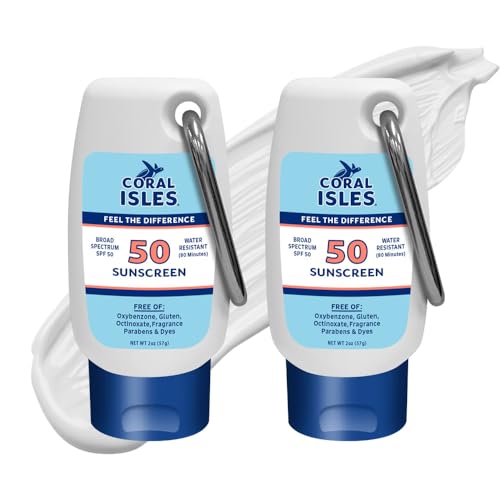
Islands run on small everything. Small ferries, small roads, small luggage holds. Six things make island travel work. A 40L waterproof travel beach bag. A microfiber quick-dry travel towel that fits in any daypack. A snorkel set for the rocky coves European beaches default to. Reef-safe sunscreen because the EU has tightened rules around chemical reef damage. Compact water shoes for pebble beaches and rocky entries. A proper Europe islands guidebook for ferry schedules and harbor info.






Recommended blogs to read:
- Best beach destinations in Europe
- Best beaches in Europe
- Places to visit in the Mediterranean
- Places to visit in Greece
- Summer in Europe
Which Greek Islands Are the Most Beautiful?
Greece has 6,000 islands of which 227 are inhabited. Six get the bulk of the tourist traffic and the photographs, but each has a distinct geography and feel. Best month is May to June or September; July and August get overwhelmed.
1. Santorini
The half-collapsed volcanic caldera ringed with white-and-blue villages. Oia for the sunset crowd, Imerovigli for the quieter version with the same view, Pyrgos for the inland Cretan-style village. Akrotiri (a Minoan city preserved under volcanic ash) is the under-visited archaeology day. Hotels in Oia run €300-€800/night in July-August, dropping to €120-€200 in October. The town now caps cruise-passenger arrivals at 8,000/day after years of overtourism complaints.
Read also: places to visit in Greece and things to do in Santorini.
2. Milos
The Cyclades’ beach island, with over 70 beaches across a volcanic coastline. Sarakiniko is the moon-landscape: chalky-white volcanic rock formations sculpted by wind and sea, no plant life, full sun. Kleftiko sea caves are reachable only by boat (€50-€70 day cruise from Adamantas). Pollonia village on the northeast coast is the quieter staging base. Direct seasonal ferry from Athens 3.5 hours fast, 6 hours slow.
Read also: best beaches in Europe and things to do in Milos.
3. Paros
The Cycladic island the savvy travelers pick when Santorini is overrun. White-cubed Naoussa fishing village turned design hotel hub. The interior villages (Lefkes, Marpissa) feel like Cycladic life from twenty years ago. Paros has better-than-average beaches (Golden Beach, Kolymbithres), shorter ferry from Athens than Santorini (3 hours), and prices roughly 40% below Santorini for comparable hotel quality.
Read also: places to visit in the Mediterranean and things to do in Paros.
4. Crete
The largest Greek island, a country unto itself. Six Minoan archaeological sites (Knossos, Phaistos, Malia, Zakros, Zominthos, Kydonia) were inscribed UNESCO July 2025, lifting Crete’s 2026 cultural profile significantly. The Samaria Gorge is the iconic 16km descent through the Lefka Ori mountains, open May to mid-October. Beach options span from the pink-sand Elafonissi to the palm-grove Vai. Chania’s Venetian harbor is the most photogenic base; Heraklion is the working capital.
Read also: UNESCO sites in Europe and things to do in Chania.
5. Naxos
The largest of the Cyclades, with the marble Portara gateway (an unfinished 6th-century BC temple of Apollo) standing on a small islet next to the harbor. Naxos has actual mountains (Mount Zeus, 1,004m), interior villages with Venetian fortified walls (Apiranthos), and the best beaches in the central Cyclades (Plaka, Agios Prokopios). Family-friendlier and cheaper than Mykonos or Paros, with the same ferry connections.
Read also: places to visit in Greece and hidden gems in Europe.
6. Hydra
The Saronic Gulf island that banned cars in the 1960s and never reversed the policy. All transport is donkey, foot, or sea-taxi. The 19th-century stone mansions of ship captains line the amphitheater harbor. 90 minutes by hydrofoil from Athens, making Hydra the easiest Greek island weekend escape. Painters and writers settled here through the 1960s and the bookshops still reflect that history. Leonard Cohen’s house at Kalogerou 9 is still owned by his family.
Read also: places to visit in Greece and things to do in Athens.
Which Spanish Islands Should You Visit?
Spain’s two island groups, the Balearics in the Mediterranean and the Canaries in the Atlantic, work as completely different trips. Three Balearic islands cover most of what you might want from the Mediterranean side.
7. Mallorca
The biggest Balearic, with the Tramuntana mountain range (UNESCO World Heritage) running the northwest coast, Soller orange groves, and Cap de Formentor cliffs. Palma’s Old Town is one of the more underrated Spanish capitals, with the Cathedral La Seu, Bellver Castle, and the Mercat de l’Olivar daily food market. Mallorca implemented a 1,500-tourists-per-day cap on the Sa Calobra train and Calo des Moro beach in 2025; book ahead. Out-of-season (April or October) is materially better than August.
Read also: best beach destinations in Europe and things to do in Palma.
8. Menorca
The quieter Balearic. UNESCO Biosphere Reserve since 1993, with strict building rules that have kept the coastline largely undeveloped. Cala Macarella and Cala Macarelleta are the iconic photogenic coves; the Camí de Cavalls (a 185km coastal path) connects most of them. Bronze Age taula stone monuments are scattered around the interior. Direct ferry from Barcelona 6 hours. May, June, and September are the best months; July-August packed with Spanish family holidays.
Read also: best beaches in Europe and hidden gems in Europe.
9. Ibiza
Marketing has Ibiza pinned as a club island, but the north coast (Santa Eulalia, Es Cubells, Sant Joan de Labritja) is closer to a quieter Mallorca, with hippie-market roots and yoga retreats. Dalt Vila, the UNESCO-listed walled old town of Ibiza Town, is one of the better-preserved Renaissance fortresses in the Mediterranean. The club scene runs May-September on the south coast (Playa d’en Bossa, San Antonio). Pair Ibiza with Formentera (45-minute ferry south) for the Caribbean-blue beaches.
Read also: best beach cities in Europe and things to do in Ibiza.
Which Italian Islands Are Worth the Trip?
Italy has two massive islands (Sicily, Sardinia) and several smaller archipelagos. Each rewards a different style of trip.
10. Sicily
Sicily isn’t really an island so much as a small Mediterranean country with Italian passports. Mount Etna (3,357m, active) dominates the east. Greek temples at Agrigento and Selinunte. Baroque towns of Noto, Ragusa, and Modica in the southeast. Palermo’s chaos and density on the northwest. Cefalù on the north coast for the postcard fishing-village mood. April, May, September, October are the best months; July and August get oppressive heat.
Read also: places to visit in the Mediterranean and things to do in Palermo.
11. Sardinia
The second-largest Mediterranean island, with the best beaches in Italy by a clear margin. Costa Smeralda on the northeast (Porto Cervo, the Aga Khan’s old playground) holds the high-end resort scene. Cala Brandinchi near San Teodoro is regularly named one of Europe’s most beautiful beaches. The Maddalena Archipelago, 7 granite islands off the north coast, runs as a national park. Inland Sardinia (Barbagia mountains, Nuoro province) is what Italy looked like before mass tourism.
Read also: best beach destinations in Europe and things to do in Sardinia.
12. Capri
The cliff-island off the Sorrentine Peninsula, all 10 square kilometers of expensive limestone. The Blue Grotto (Grotta Azzurra) is reached by rowboat through a small sea-cave opening; tour boats from Marina Grande €18. Stay overnight in Capri Town or Anacapri to experience the island after the day-tripper ferries leave at 5 PM, when prices halve and the squares empty out. May, June, and September are the best months.
Read also: places to visit in the Mediterranean and things to do in Naples.
13. The Aeolian Islands
Seven volcanic islands off Sicily’s north coast. Stromboli is the active volcano, the only one with reliable nightly eruptions visible from boats offshore. Salina is the farming island, the prettiest. Vulcano has the mud baths (a sulfurous active fumarole that you can soak in). Lipari is the staging hub. UNESCO World Heritage since 2000. Ferry from Milazzo on the Sicilian north coast 2-3 hours depending on the island.
Read also: unique places to visit in Europe and hidden gems in Europe.
Which Atlantic Islands Are Worth the Detour?
Europe’s Atlantic islands run on completely different climate and culture from the Mediterranean. Subtropical year-round temperatures, Portuguese or Spanish heritage, volcanic geography.
14. Madeira, Portugal
The volcanic Portuguese island 1,000km southwest of Lisbon. Subtropical climate (18-22°C year-round). The levadas (irrigation channels with footpaths beside them) make 1,500+ km of marked walking trails across the central laurisilva forest (UNESCO-listed). Pico Ruivo at 1,862m is the high point. Funchal averages 21°C in March, the warmest reliably-sunny European destination outside the Canaries. Madeira wine, embroidery, and the New Year’s Eve fireworks display (Guinness World Record holder for size).
Read also: European winter sun destinations and things to do in Funchal.
15. The Azores, Portugal
Nine Portuguese volcanic islands in the mid-Atlantic, 1,500km from Lisbon. São Miguel is the largest and most-visited, with the Sete Cidades twin-crater lakes (green and blue) and Lagoa do Fogo. Pico has the highest mountain in Portugal (2,351m) and the only wine-growing UNESCO landscape on the islands. Whale watching mid-April through September; over 25 cetacean species pass through. Faial’s Capelinhos Volcano Interpretation Center sits in the 1957 eruption-debris landscape.
Read also: hidden gems in Europe and things to do in São Miguel.
16. The Canary Islands, Spain
Seven Spanish islands off northwest Africa, year-round 18-25°C. Tenerife dominates with Mount Teide (3,718m, Spain’s highest peak). La Palma is the hiking and stargazing island, with no light pollution and the Roque de los Muchachos observatory. Lanzarote has the César Manrique-designed art-architecture across the volcanic landscape. Gran Canaria’s Maspalomas dunes feel like the Sahara. The August 12, 2026 Iceland eclipse is partial in the Canaries (around 85%).
Read also: European winter sun destinations and things to do in Tenerife.
17. The Faroe Islands
18 volcanic North Atlantic islands halfway between Iceland and Norway, Danish-administered. Population 54,000, sheep population 80,000. Tórshavn’s grass-roofed Tinganes (old town) is one of Europe’s most distinctive small-city centers. Mulafossur Waterfall on Vágar pours straight into the ocean. Atlantic Airways flies from Copenhagen, Bergen, Edinburgh, and Reykjavik. May-August best months; September-October cold-and-clear-with-aurora possibility.
Read also: less-visited destinations in Europe and unique places to visit in Europe.
Which Croatian and Adriatic Islands Should You Visit?
Croatia has over 1,200 islands. The Dalmatian coast island-hop is one of Europe’s better summer ferry adventures.
18. Hvar
The lavender island, with old terraced lavender and rosemary fields covering inland Velo Grablje and Brusje. Hvar Town has the most polished Adriatic-island restaurant and bar scene. 2026 marks the 1,000th anniversary of the first written record of Hvar. Ferry from Split 1-2 hours depending on speed. The Pakleni Islands offshore (Sveti Klement, Marinkovac, Jerolim) are the local hop-around boat day.
Read also: places to visit in the Balkans and things to do in Hvar.
19. Korčula
Marco Polo’s claimed birthplace (Korčula disputes the Venetian claim). The old town is a tiny walled medieval settlement on a peninsula, designed in a fishbone street pattern for ventilation. Sword dances (Moreška) performed weekly through summer. Wine country in the interior; Grk and Pošip are the local white grapes. Ferry from Split 3 hours, or 1 hour from Dubrovnik via Pelješac peninsula.
Read also: places to visit in the Balkans and Balkans itinerary.
20. Vis
The furthest Croatian island from the mainland, closed to foreign tourists until 1989 as a Yugoslav military base. The result is an undeveloped, low-tourist-traffic island with two main villages (Vis and Komiža) and the iconic Blue Cave on neighboring Biševo islet. The Mamma Mia: Here We Go Again location, which inflated 2018-2022 demand. Easier to find quiet beaches than on Hvar or Korčula.
Read also: hidden gems in Europe and less-visited destinations in Europe.
21. Comino, Malta
The smallest of Malta’s three islands, just 3.5 square kilometers, with a permanent population of 3. The Blue Lagoon’s turquoise water between Comino and the small Cominotto islet is the iconic Maltese beach photograph. Malta has implemented a 4,000-visitor-per-day cap on Comino for 2026 after years of overtourism (and a 2024 Netflix mention). Day-trip ferry from Ċirkewwa on Malta’s north coast or from Mġarr on Gozo.
Read also: best beaches in Europe and things to do in Valletta.
22. The Isles of Scilly, UK
140 small islands and rocks 45km southwest of Cornwall. Five inhabited (St. Mary’s, Tresco, St. Martin’s, St. Agnes, Bryher), all reached by boat. Subtropical microclimate makes Tresco Abbey Gardens the most exotic public garden in Britain. Beaches are white-sand, water turns Caribbean-blue in clear weather. Penzance to St. Mary’s by Scillonian III ferry (2h 45m) or 20-minute helicopter. The slowest pace and best dark-sky stars in the British Isles.
Read also: places to visit in western Europe and hidden gems in Europe.
Stacking islands into a 7- or 14-day trip?
The Ultimate Europe Trip Planner has ferry-schedule templates for Greek Cyclades hopping, Croatian Dalmatian island ferries, and the Spanish Balearic combinations. $17 currently.
European Islands FAQ
Which island in Europe is the most beautiful?
Subjective, but Santorini and Capri lead the photogenic rankings. For dramatic landscape, Madeira and the Azores deliver subtropical Atlantic geography unique in Europe. For old-town beauty, Hvar and Korčula on the Dalmatian coast. For the underrated entry, Milos (Greek Cyclades), Menorca (Balearic), or the Isles of Scilly (UK Cornwall).
What is the best Greek island to visit?
For first-timers wanting the postcard photographs: Santorini. For better beaches with similar Cycladic look: Paros or Milos. For the largest, most varied island with mountains and culture: Crete. For the easiest weekend escape from Athens: Hydra. For families with kids and budget travelers: Naxos.
Are Greek islands or Spanish islands better?
Different trips. Greek islands lean toward Cycladic-white architecture, beach coves, and a culture defined by the sea. Spanish Balearics have stronger interior landscapes (Mallorca’s Tramuntana mountains, Menorca’s biosphere reserve), better infrastructure, and shorter ferries from Barcelona. The Canaries are subtropical year-round and entirely different from either. For first-timers focusing on cultural depth and photogenics, Greece. For all-around ease and longer trip stays, the Balearics.
When is the best time to visit European islands?
May, June, and September are the sweet spots for the Mediterranean islands. July and August are peak heat (often 35°C+) and peak crowds. October still works for the southernmost islands (Crete, Sicily, Mallorca, Cyprus, Canaries). The Atlantic islands (Madeira, Azores, Canaries) are year-round destinations with the best weather April-October. Croatia best May to mid-October; the Dalmatian wind picks up in November.
Which European island is best for first-timers?
Mallorca is the all-around easiest first-timer European island. Direct flights from most European hubs, English widely spoken, mid-range hotel infrastructure at every price point, mountain and beach geography both within an hour’s drive. Crete and Santorini are the best Greek-island first-trips. Madeira is the best Atlantic first-trip with subtropical year-round weather and English widely spoken.
Are there visa requirements for European islands?
Same as the mainland. Greek, Spanish, Italian, Croatian, Maltese, Portuguese, and Cypriot islands are all in the Schengen zone. ETIAS launches Q4 2026 for non-EU travelers (€20, 3-year validity, 96-hour processing). The Faroes are part of Denmark but outside Schengen; check the specific entry rules. The UK Isles of Scilly require the UK ETA (€10, 2-year validity) for non-UK travelers since January 2025.
Key Takeaways
- Greek islands (Santorini, Milos, Paros, Crete, Naxos, Hydra) lead Cycladic-white photogenics and beach variety.
- Mallorca, Menorca, Ibiza dominate the Spanish Balearic side with stronger interior landscape than most realize.
- Sicily and Sardinia are countries-pretending-to-be-islands; Capri and the Aeolians are the smaller Italian gems.
- Madeira, Azores, Canaries, and the Faroes are subtropical or volcanic Atlantic outposts running on a different climate than the Med.
- Croatia’s Hvar, Korčula, and Vis are the Adriatic standouts; Comino in Malta and the Isles of Scilly are the British and Mediterranean lesser-known picks.
- Six Cretan Minoan sites UNESCO-inscribed July 2025.
- May, June, September are the universal sweet spot. July-August get oppressive heat and crowds.
Final Thoughts on European Islands
The island circuit is one of the more rewarding ways to spend a European trip, but it punishes you for going during August. The famous islands (Santorini, Capri, Hvar) are at their best either in May or in late September, when the heat has eased, the cruise crowds have thinned, and the local restaurants are still open. Pick a region, work out the ferry math, and stay at least two nights on each island so you experience the place after the day-trippers leave at 5 PM.
The island grandmothers will share their tomatoes. The ferry will arrive when it arrives. Pack light, leave time, and trust the slower pace.