Quick Answer: Places to visit in the Mediterranean sort by coastal sector, not by country. The western Iberian, French, and Italian sectors anchor the classic trip. The Adriatic, Ionian, and Aegean sectors hold the island-hopping versions. The eastern Levantine and North African sectors deliver the cultural-crossroads trip most travelers skip. Twenty-two countries border this sea on three continents.
Last updated: May 2026 · Prices and opening hours verified May 2026.
A million square miles of water touch 22 countries on three continents. The Mediterranean isn’t a backdrop to the European summer; it’s the protagonist. Almost every culture along its coast organized itself around the same sea: Phoenician ports, Greek colonies, Roman trade routes, Byzantine churches, Ottoman bazaars, Spanish missions, French Riviera resorts. The shared sea linked them all for three thousand years. The European-Mediterranean trip isn’t really one continent’s story; it’s the sea’s story crossed at one of its eight coastal sectors.
Plenty of “places to visit in the Mediterranean” content stops at five countries (Spain, France, Italy, Greece, Croatia) and calls it done. That covers about a third of the actual shoreline. Turkey holds 4,500 miles of Mediterranean coast and runs cheaper than any European equivalent. Tunisia, Morocco, and the Levant deliver the southern arc almost no European-focused content acknowledges. The Adriatic and the Ionian are separate seas within the Mediterranean but get treated as one geography. The trip you book changes completely depending on which sector you cross into.
So this is a Mediterranean guide sorted by the eight coastal sectors of the sea itself. Western Iberian, Western French, Tyrrhenian and Ligurian Italian, Adriatic, Ionian-Greek, Aegean-Greek-Turkish, Eastern Levantine, and North African. Country picks live inside each sector. For the broader places-to-visit Pan-Europe view, the most beautiful countries in Europe guide handles that frame.
Sequencing a Mediterranean trip across more than one country and worried about ferry timetables, visa lines, and the August sea temperature?
The Ultimate Europe Trip Planner connects the sectors with the actual ferry routes and the visa-stamp realities (Turkey, Tunisia, and Morocco fall outside Schengen) so a two-sector trip lands cleanly. Currently just $17 before the price goes up to $27.
Mediterranean Travel Kit
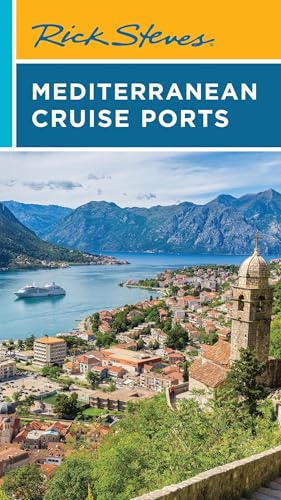
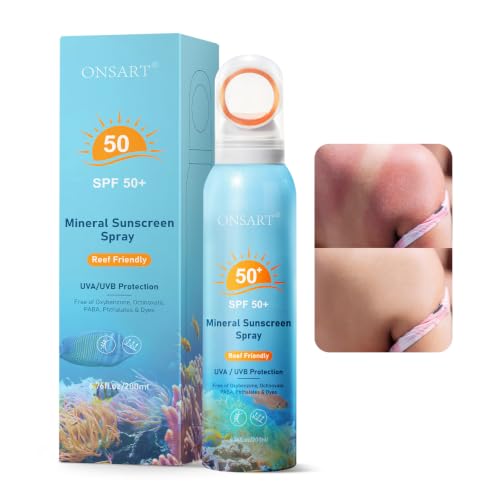
A Mediterranean trip across multiple sectors rewards small, multi-use kit. A quick-dry microfiber towel for ferry decks and beach changes. Reef-safe sunscreen (banned on some Croatian and Mexican beaches by 2026). A lightweight cotton kaftan that works as a swim cover-up and a dinner shirt. A waterproof tote for the post-swim shopping run. A full-face snorkel mask for the platform-and-cove zones. Six pieces below earn their suitcase room.





Why Start With the Spanish Mediterranean Coast?
The Spanish Mediterranean runs 1,000 miles from the French border down to Gibraltar, through Catalunya, Valencia, Murcia, and Andalusia. The sea here is the lightest blue in Europe (the calcareous seabed brightens the color). The food is increasingly Catalan, Valencian, or Andalusian depending on the latitude, not generic-Spanish.
1. The Costa Brava and Catalan Coast
Wild coast north of Barcelona runs a sequence of small villages between Tossa de Mar and the French border. Tossa keeps its 12th-century walled medieval headland intact at the southern end. Cadaqués (where Dalí lived and worked) holds white-cube architecture and a small pebble bay 90 minutes north. Cap de Creus headland between them is the easternmost point of mainland Spain. Calella de Palafrugell and Llafranc midway down the coast keep their original fishing-village geometry. The Camí de Ronda coastal path links them.
Read also: things to do in Spain.
2. The Balearic Islands
Four main islands sit 100 miles off the Spanish coast: Mallorca, Menorca, Ibiza, and Formentera. Mallorca runs the largest version with the Tramuntana mountain range, the working capital at Palma, and 300 miles of varied coastline. Menorca the second-largest stays quieter and runs UNESCO-listed for its rural landscape. Ibiza splits between the club-and-yacht-scene south and the bohemian north. Formentera the smallest holds the clearest water and the lightest commercial footprint. Ferries from Barcelona, Valencia, and Denia connect to all four.
Read also: the best beach destinations in Europe.
Sector 2: Western French
The French Mediterranean runs 200 miles from the Spanish border at Banyuls down to the Italian border at Menton. The sector splits naturally into three: the Languedoc-Roussillon coast in the west, the Côte d’Azur in the east, and the island of Corsica offshore. The food shifts dramatically between the three.
3. The Côte d’Azur
The most photographed strip of Mediterranean coast in Europe runs 70 miles from Saint-Tropez to Menton. Nice anchors the cultural center; Cannes and Antibes hold the festival-and-yacht versions; Saint-Paul-de-Vence inland keeps the Matisse-and-Chagall art-village heritage. The Promenade des Anglais at Nice runs four miles of seafront. Beaches are mostly pebble (the polished gray gravel washes onto the shore for a reason). Prices match or exceed Italian Riviera equivalents.
Read also: best beach cities in Europe.
4. Corsica
The fourth-largest Mediterranean island after Sicily, Sardinia, and Cyprus runs more mountainous than its size suggests (the 8,900-foot Monte Cinto sits in the middle). Ajaccio anchors the western capital; Bastia the northeast working port; Bonifacio on the southern tip stacks medieval houses on white limestone cliffs that drop 200 feet to the strait between Corsica and Sardinia. The GR20 trans-island hiking trail is one of Europe’s hardest. Plage de Saleccia in the Désert des Agriates and the Calanches de Piana cliffs anchor the natural-landscape highlights.
Read also: places to visit in southern Europe.
Sector 3: Tyrrhenian and Ligurian Italian
The Italian west coast runs the longest single Mediterranean shoreline of any country: 4,700 miles if you count Sicily and Sardinia. The Ligurian Sea covers the northwest (from the French border down to Tuscany), and the Tyrrhenian covers everything south of that to the Strait of Messina. Sicily and Sardinia sit offshore.
5. The Ligurian Coast
Five pastel villages stack up sea cliffs along a seven-mile stretch in the Cinque Terre, but the broader Italian coast in this region extends 200 miles from the French border down to Tuscany. Portofino holds the photographed yacht harbor at the most expensive postal code on the coast. Santa Margherita and the Tigullio Bay hold the polite version. The Bay of Poets at La Spezia hosted Shelley and Byron. Genoa the working port runs underrated as a city break (Europe’s largest medieval old town inside the modern industrial port).
Read also: things to do in Italy.
6. The Amalfi Coast and Bay of Naples
South of Rome along the Tyrrhenian Sea, the most photographed Mediterranean coast in Italy strings a chain of villages across 30 miles of vertical cliff face. Positano holds the famous pastel-tier view. The single coast road runs 76 hairpin turns between Sorrento and Salerno along a precipitous cliff edge. Capri offshore holds the Blue Grotto and the Roman emperor Tiberius’s villa ruins. Naples the working capital of the south runs harder than its press: Europe’s best Archaeological Museum, the Spaccanapoli old-town spine, and the Pompeii and Herculaneum ruins 30 minutes by train.
Read also: places to visit in southern Europe.
7. Sicily and Sardinia
The two largest Mediterranean islands sit 250 miles apart and run as different countries in practice. Sicily holds the longer cultural sweep (Greek temples at Agrigento and Selinunte, Roman Villa Romana del Casale mosaics, Norman cathedrals at Palermo and Monreale, Baroque towns in Noto and Ragusa). Sardinia runs the more pastoral inland (the Barbagia shepherd-and-cheese country) and the strongest cove-and-beach geology (Cala Goloritzé and the Gulf of Orosei). Both islands run their own languages alongside Italian.
Read also: best beaches in Europe.
What Makes the Adriatic Different From the Rest of the Med?
The Adriatic Sea runs 500 miles north-to-south between Italy and the Balkan coast. The water is more transparent than the rest of the Mediterranean (deeper bedrock, less river sediment). The Italian side runs flat and sandy; the Croatian side runs limestone-cliff and pebble. Two completely different beach products on opposite shores of the same sea.
8. The Dalmatian Coast
Croatia’s coastline runs 1,100 miles when you count the islands, the longest broken coastline in the Mediterranean. Split anchors the central section with Diocletian’s Palace at its working core. Dubrovnik the walled city sits 130 miles south. Hvar, Brač, Vis, and Korčula run as the four standout islands. Plitvice Lakes National Park inland holds the wooden-walkway hike across travertine pools. Croatia joined the eurozone and Schengen in 2023, which pushed prices to Italian-Adriatic levels.
Read also: things to do in Croatia.
9. Puglia and the Italian Heel
The southeastern tip of the country runs 500 miles of Adriatic coastline that most travelers skip in favor of Tuscany or Sicily. Puglia is the region; the heel of the Italian boot is the shape. Lecce inland holds the most coherent Baroque-architecture old town in southern Italy. Alberobello the trulli town runs UNESCO-listed for its conical white stone houses. The Salento peninsula at the southern tip holds pale-sand beaches and the white-village of Polignano a Mare on a sea-cliff edge. Bari the working capital handles the ferry to Greece. Pricing runs 30-40% below the equivalent Tuscan or Amalfi versions.
Read also: hidden gems in Europe.
Sector 5: Ionian-Greek
The Ionian Sea sits west of the Greek mainland and south of the Adriatic. The seven Ionian Islands run very differently from the Aegean Cyclades: greener, lusher, more Italian-influenced architecturally (the Venetians ruled here from the 14th to 18th century). The water reads slightly less aggressive blue than the Aegean.
10. The Ionian Islands
Corfu the largest holds Venetian-era architecture, two UNESCO-listed old fortresses, and one of the strongest pebble-beach selections in the Mediterranean. Zakynthos to the south holds the famous Navagio shipwreck cove (boat access only). Kefalonia between them is the largest island by area, with the Myrtos beach photograph anchoring most of its press. Lefkada connected by causeway to the mainland runs cheaper and busier. Ithaca the smallest is Odysseus’s home; almost no through-tourism. Olive groves cover most of the inland of all seven.
Read also: things to do in Greece.
How Does the Aegean Differ From the Ionian and Adriatic?
The Aegean sits east of mainland Greece and west of Turkey, with hundreds of small islands scattered between. The water is the iconic Greek-postcard blue. The Meltemi wind blows hard from the north most July and August afternoons; the south wind blows soft most of the year. Greek and Turkish islands sit a few miles apart in places (Samos to Kuşadası takes 90 minutes by ferry).
11. The Cyclades
Twenty-four inhabited islands form a circle in the central Aegean. Santorini holds the photographed white-cube clifftop villages of Oia and Fira above the volcanic caldera. Mykonos runs the party-and-photo capital. Paros and Naxos the larger middle islands hold the working agricultural-island feel. Milos to the southwest holds 70 separate beaches of varying substrate (white, golden, red, black). Folegandros and Sifnos run as the underrated alternatives. Ferries from Piraeus connect everything.
Read also: the complete Santorini guide.
12. The Turkish Coast
Turkey’s Aegean and Mediterranean shores run 1,600 miles from Çanakkale at the Dardanelles down to the Syrian border. Bodrum and Marmaris run as the resort versions in the southwest. Kaş and the Lycian Way coast deliver the underrated wilderness-cliff version. Antalya anchors the Mediterranean side with the old harbor of Kaleiçi inside the modern city. Cappadocia inland is one of Europe’s strangest landscapes (volcanic-tuff fairy chimneys and underground cities). Prices run a third of equivalent Greek-island versions.
Read also: the places to visit in southern Europe.
Sector 7: Eastern Levantine
The eastern arc of the Mediterranean curves from southern Turkey through Cyprus and Lebanon down to Israel and the Sinai peninsula. The cultural layering here is the deepest on the whole Mediterranean rim: Phoenician, Greek, Roman, Byzantine, Crusader, Ottoman, and modern all visible in single old towns.
13. Cyprus
Larnaca and Paphos in the south run as the standard beach-and-history bases. Nicosia in the middle is the world’s last divided capital (the Green Line splits the Greek and Turkish halves). The Troodos Mountains rise to 6,400 feet in the center, with 13th-century Byzantine churches under UNESCO protection in the high villages. The northern half is administered by Turkish Cypriots and reached through Nicosia’s border crossings; the Karpaz peninsula in the northeast runs as one of the quietest Mediterranean coasts.
Read also: European winter sun destinations.
14. Israel and the Levant
Tel Aviv runs a working Mediterranean beach city with one of the strongest restaurant scenes in the region. Jerusalem and the Dead Sea anchor the cultural-historical side. Akko (Acre) holds the Crusader-era underground city beneath the Ottoman old town. Caesarea preserves Herod the Great’s Roman port. The trip can be combined with Jordan (Petra, Wadi Rum) for an extended Levantine-archaeology itinerary. Travel advisories shift; check current state-department guidance before booking. Israeli prices run high; Jordanian and Egyptian prices run a quarter.
Read also: hidden gems in Europe.
Sector 8: North African
The southern arc of the Mediterranean rim runs through Egypt, Libya (largely off-limits for travel in 2026), Tunisia, Algeria, and Morocco. The strongest tourism infrastructure sits in Tunisia and Morocco; Egypt’s Mediterranean coast (Alexandria and the north) runs underrated relative to the Red Sea and Nile-focused versions of the country.
15. Tunisia
Carthage’s ruins outside Tunis layer Phoenician, Roman, Byzantine, and Islamic history on a single peninsula. The blue-and-white village of Sidi Bou Saïd 20 minutes from the capital is the photographed icon. El Jem inland holds one of the largest surviving Roman amphitheaters (33,000-seat capacity). Djerba island in the south runs as the resort version with Star Wars filming locations dotted around the desert. Tunis itself runs as the medina-and-modern-city working capital. Visa-free for most Western travelers (90 days).
Read also: places to visit in southern Europe.
16. Morocco’s Mediterranean Coast
Tangier at the Strait of Gibraltar runs as the historic entry point for Africa-bound travelers crossing the strait. Chefchaouen the blue-painted mountain town sits two hours inland. Tetouan keeps a UNESCO-listed Andalusian-Moorish medina with very little international tourism. The Mediterranean coast east of Tangier runs flat and underdeveloped compared to the Atlantic side (Essaouira, Casablanca, Agadir). Ferries from Algeciras and Tarifa cross to Tangier in 35 to 90 minutes. The trip pairs well with southern Spain for a two-week sea-crossing itinerary.
Read also: the most beautiful countries in Europe.
Building a multi-sector Mediterranean trip with the ferry connections, the visa stamps, and the August-week shoulder math worked out?
The Ultimate Europe Trip Planner cross-references the eight sectors with the actual transport connections so a Sicily-to-Greece or Spain-to-Morocco itinerary arrives at the destinations on the right days. Currently $17 before the price moves up to $27.
| Sector | Best for | Cost tier |
|---|---|---|
| Western Iberian | Spanish coast + Balearics | Mid |
| Western French | Côte d’Azur + Corsica | High |
| Tyrrhenian Italian | Amalfi + Sicily + Sardinia | Mid-high |
| Adriatic | Croatia + Puglia | Mid |
| Aegean Greek-Turkish | Cyclades + Turkish coast | Mid (Turkey cheaper) |
| Eastern Levantine | Cyprus + Israel | Mid-high |
| North African | Tunisia + Morocco | Low |
FAQ
Which countries border the Mediterranean?
Twenty-two: Spain, France, Monaco, Italy, Slovenia, Croatia, Bosnia and Herzegovina, Montenegro, Albania, Greece, Turkey, Cyprus, Syria, Lebanon, Israel, Egypt, Libya, Tunisia, Algeria, Morocco, plus the British territory of Gibraltar and the Palestinian Gaza Strip. Three continents, ten major language groups.
Is the Mediterranean safe to swim in summer 2026?
Yes for almost all swimming destinations. Localized pollution flags hit specific stretches after heavy rain (Barcelona, Naples, Athens, Tel Aviv). Jellyfish blooms occur most summers in the eastern Aegean and Adriatic but aren’t dangerous. The bigger 2026 question is the air temperature: heat-dome events in July and August have made the midday beach unworkable on some southern coasts. Pre-9am or post-5pm swimming is the working response.
What is the cheapest Mediterranean country to visit?
Albania, followed by Turkey and Tunisia, deliver the lowest weekly costs by a margin. All three run at roughly one-third of Italian or French equivalents. Morocco runs slightly higher than Tunisia but still significantly below the European-Mediterranean baseline. Of the EU Mediterranean countries, Greece runs cheapest on the mainland and Croatia runs cheapest on the islands (relative to Italy and Spain).
Which Mediterranean island is the most underrated?
Sicily by a long margin among the major islands, mainly because the cultural depth (Greek temples, Roman mosaics, Norman cathedrals, Baroque towns) exceeds anywhere else on the European-Mediterranean rim. Among the smaller islands, Folegandros in the Cyclades and Vis in the Croatian Adriatic stay quietly excellent. Among the southern-arc options, Djerba in Tunisia and the Tunisian Mediterranean coast in general run dramatically under their potential.
How does the Mediterranean differ from the Aegean?
The Aegean is one sector within the Mediterranean, not a separate sea. It sits between mainland Greece and Turkey, holds the Cyclades and Dodecanese islands, and runs the Meltemi north wind in July and August. The water is the iconic Greek-postcard blue. The broader Mediterranean covers seven other sectors with different climates, substrates, food cultures, and travel logistics.
Can you do a Mediterranean cruise without a cruise ship?
Yes. The ferry network across the Mediterranean is dense enough to build a multi-country trip without ever booking a cruise. Italian and Greek operators run between most major ports. Tirrenia connects Italy to Spain, Tunisia, and Sardinia. Anek Lines and Minoan connect Italy to Greece. SNAV runs the Croatian coast. Grimaldi connects everywhere else. Total cost typically runs half a cruise’s package price.
Key Takeaways
- Twenty-two countries border the Mediterranean on three continents. Most travel content stops at five of them.
- Eight working coastal sectors: Western Iberian, Western French, Tyrrhenian/Ligurian Italian, Adriatic, Ionian-Greek, Aegean-Greek-Turkish, Eastern Levantine, North African.
- Albania, Turkey, and Tunisia run at roughly a third of the cost of Italian or French equivalents at the same coast.
- The Aegean Meltemi wind blows hard from the north most July and August afternoons; ferries cancel on bad-wind days.
- The Mediterranean ferry network covers a multi-country trip without ever booking a cruise package.
- Sicily is the most underrated major Mediterranean island by depth-of-culture-per-mile-of-coast.
How the Sea Holds the Trip Together
The Mediterranean is one sea, and the trip works best when you stop thinking about national borders and start thinking about which sector the water actually washes. Croatian limestone-pebble runs different from Greek volcanic-black runs different from Tunisian golden-sand. Same sea. Different shores. Different countries. The shared light, the shared midday heat, and the shared sea-distance between everything is what holds it together.
The eight sectors give you eight different versions of the same continental summer. The cheapest sector (North African) and the most expensive sector (Western French) sit a single ferry crossing apart. The most cultural-history-dense sector (Tyrrhenian Italian) and the most empty (the Eastern Levantine Turkish coast) sit a single flight apart. A two-week trip can comfortably cross two sectors; three weeks can do three.
Pick the sector first, pick the country inside it second, and the Mediterranean trip writes itself. For the broader Pan-Europe context, the most beautiful countries in Europe guide handles that. For the Italian-focused version, the places to visit in southern Europe piece is the sibling read.