Quick Answer: Summer in Europe runs two simultaneous maps. The heat map covers the southern Mediterranean: hot, dry, crowded, expensive, and now occasionally 110°F by mid-July. The light map covers Scandinavia and the Baltic: cool, quiet, with daylight running 18 to 22 hours from late May through July. Pick a map first, then pick a destination.
Last updated: May 2026 · Prices and opening hours verified May 2026.
Two completely different European summers happen on the same calendar week. The heat-map version covers Spain, Italy, Greece, Portugal, the south of France, and the Mediterranean islands. Temperatures climb into the upper 90s by mid-July. Cities like Seville and Athens regularly hit 105°F. The light-map version covers Finland, Sweden, Norway, Iceland, and the Baltic states. Daytime highs hold in the upper 60s and the sun doesn’t properly set in late June north of the Arctic Circle. Same continent. Same eight weeks. Two different planets.
The 2024 heatwave shifted the math for the heat map. Athens hit 47°C (117°F) for three days. Sicily lost wildfires across 800 square miles. Italian and Greek tourism boards started quietly recommending May and September instead of July and August. The 2026 forecast looks much the same. For most travelers from North America, the question isn’t whether the European summer is still worth it (it’s), but which version of it makes sense for which trip.
So this is a summer guide sorted by what summer actually delivers. Six categories: the long-beach days the heat map gives you, the sea-town evenings that pull the heat back, the mountain-cool inland days for the heat-adverse, the midnight-sun light the Nordic version delivers, the festival-and-event anchors that hold up regardless of temperature, and the slow-coast shoulder weeks (early June, late September) that deliver 80% of summer at half the price. For the broader Mediterranean context, the places to visit in the Mediterranean piece handles that.
Locking the summer Europe trip that delivers heat without delivering 110°F afternoons or €600 Mykonos hotels?
The Ultimate Europe Trip Planner pairs the heat map with the shoulder-week pricing windows, so the summer trip lands warm without melting the budget or the traveler. Currently just $17 before the price goes up to $27.
Summer Travel Kit
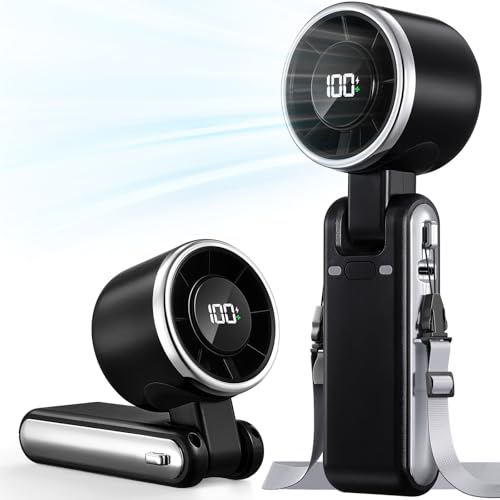
The European summer wardrobe has shifted toward the heatwave-resistant. Linen and lightweight cotton over jersey. UV-protection sun shirts that breathe. A cooling neck towel for the 2pm cathedral queue. A small rechargeable handheld fan for the night train. Flat sandals that handle cobblestones and basilica floors. Pieces below earn their suitcase room across all six summer categories.




Where in Europe Delivers Classic Beach Summer?
The classic European summer is a long beach day. Sand, sea, sun, a long lunch at a beachside taverna, an afternoon nap in the shade, an evening walk along a promenade. The heat-map destinations deliver this format reliably. The trade-off is the crowd and the price: July and August are at full capacity across the Mediterranean.
1. Greek Cyclades and Dodecanese
The classic island-hopping summer runs across the chain of small islands south and east of Athens. Mykonos, Santorini, Paros, Naxos, Milos, Folegandros in the Cyclades; Rhodes, Symi, Patmos, Kos in the Dodecanese. The Meltemi wind blows steady from the north most July and August afternoons (35-50 km/h), which keeps the sea cool but makes some beaches difficult. Ferries from Piraeus run multiple times daily to the major islands. The 2026 cruise-ship caps on Santorini and Mykonos thinned the daytime crowds noticeably. Budget €120 to €250 per night for mid-range hotels in July.
Read also: things to do in Greece.
2. Croatian Dalmatian Coast
From Zadar in the north to Dubrovnik in the south, about 350 miles of Adriatic coast run clear water, polished pebble coves, and a chain of islands (Hvar, Brač, Vis, Korčula) that compete with the Greek islands for clarity. Split anchors the region as the main hub: ferries to the islands, the Diocletian’s Palace old town, and a working airport. The Maestral wind keeps coastal afternoons fresh. The 2026 pricing has converged with Italian Adriatic prices (€150-€280 mid-range in July). Albania across the Strait of Otranto runs a third the cost.
Read also: places to visit in the Balkans.
3. Albanian Riviera
The same Ionian Sea that washes Corfu washes a coast 30 miles east, at one third the cost. Himarë, Dhërmi, and Ksamil run as the main village bases. Saranda the regional port runs rougher around the edges but works as an arrival anchor. Gjipe between Himarë and Dhërmi is the standout wilderness cove. Tourist numbers tripled between 2018 and 2026 and the standard prediction is they’ll triple again by 2030. The window for the affordable version is closing.
Read also: the best beach destinations in Europe.
Sea-Town Evenings
Some summer destinations aren’t about the beach so much as the town behind it. The trip pattern is morning swim, afternoon nap, evening drift through a working old port. These destinations work best in the shoulder-summer months (June, September) when the days are warm but not melting.
4. Cinque Terre and the Italian Riviera
Five pastel villages stack up the Ligurian sea cliffs, and the broader coast around Portofino, Santa Margherita, and the Bay of Poets run a summer-evening rhythm that the Greek islands can’t match. Pesto with trofie pasta at a harbor-side table. Focaccia from a tiny family bakery for the morning train. Trains connect the small towns in 10-15 minute intervals; renting a car is unnecessary and parking is impossible. 2026 ZTL crowd-control zones cap day-visitor numbers from June through August.
Read also: things to do in Italy.
5. Portuguese Atlantic Coast
Cooler than the Mediterranean by 5-10°F most summer afternoons thanks to the ocean upwelling, the coast west of Lisbon runs a quieter and less expensive version of the southern European summer. Cascais 25 minutes from Lisbon for the day trip. Setúbal an hour south for the dolphin-watching and the seafood. Sintra inland for the Moorish-and-Romanticist palace cluster. The Algarve runs hotter than the Lisbon coast but stays cooler than the Spanish or Italian Mediterranean. Prices run roughly 25-40% below the equivalent Spanish destinations.
Read also: things to do in Portugal.
Where Can You Escape the European Heat in Summer?
Inland Europe in summer is the heat-adverse traveler’s secret weapon. The Alps, the Carpathians, the Pyrenees, and the Scottish Highlands all sit 30°F cooler than the Mediterranean coasts at the same latitude. The trip changes character: less swimming, more hiking, more long lunches on a mountain pass terrace. Prices run lower than the coast across the board.
6. Slovenian Lake District
An island church and a cliff-top castle anchor the tourist version at the most-photographed alpine pool in the country, Slovenia’s Bled. Lake Bohinj seven miles further into the Julian Alps holds the quieter, larger, deeper version (10 square miles of glacial water at 1,650 feet). Both run swimmable in July and August (water around 70°F). Triglav National Park surrounds them in Slovenia’s only national park. The Soča River valley to the west runs a separate microclimate of turquoise gorges and adventure-sport bases (Bovec for rafting and canyoning). Prices undercut Austrian Alpine equivalents by about 30%.
Read also: places to visit in Central Europe.
7. French Provence and Alpes-Maritimes
The inland plateau runs 5-10°F cooler than the Côte d’Azur coast 60 miles south. Lavender fields across Provence peak in late June through mid-July (the Plateau de Valensole is the iconic photographic destination, but Sault and the Drôme Provençale run quieter). The Mercantour National Park behind Nice rises to 10,300 feet at Mont Gélas; the hiking holds cool weather even when the coast is at 100°F. Aix-en-Provence and Avignon run as the working towns. The TGV from Paris reaches Avignon in 2.5 hours.
Read also: places to visit in Western Europe.
8. Austrian Tyrol and the Italian Dolomites
The Alpine summer is its own product. Daytime highs in Innsbruck, Cortina, and the Bolzano valleys run 70-80°F through July and August. Hut-to-hut hiking across the Dolomites (the Alta Via 1 takes 8-10 days) is one of Europe’s great walking trips. The Tyrolean and South Tyrolean food culture (speck, knödel, Apfelstrudel, plus the Italian-influenced pasta side) holds up under summer appetite. Cable cars carry hikers up to high traverses; lifts run from late June through early October.
Read also: the broader southern Europe overview.
Is the Nordic Summer Worth the Trip?
The other European summer happens far north, where the sun barely sets and the temperature holds in the 60s. The trip pattern is the opposite of the Mediterranean version: cool daytime hikes, sea-cliff drives in pale evening light, midnight reading on a wooden cabin porch. June and early July run the strongest light; by mid-August the nights start coming back.
9. Finnish Lakeland and Lapland
A lake district holds 188,000 separate bodies of water spread across the southern half of Finland, with about 750,000 summer cabins (mökki) tucked into the pine and birch forest. The midsummer holiday (Juhannus, third Friday of June) is the cultural peak: sauna, swim, bonfire, white-night canoe paddle. Lapland runs further north under the Arctic Circle, with the midnight sun above the horizon for 73 straight days from late May through late July. Daytime highs hold at 65-72°F. Mosquitoes are real; pack repellent.
Read also: things to do in Finland.
10. Norwegian Fjords and Lofoten
The western coast of the country runs 1,500 miles of fjord landscape across Norway, with summer ferries (Hurtigruten and competitors) connecting Bergen to Kirkenes in 6 days. Geirangerfjord and Nærøyfjord (UNESCO-listed) deliver the postcard version; Lofoten further north holds white-sand beaches at 68°N latitude. Daytime highs in July run 65-75°F. The Atlantic Ocean Road, the Trollstigen mountain pass, and the small fishing-village rorbu cabins on stilts are the road-trip staples.
Read also: places to visit in the Nordics.
11. Stockholm Archipelago and the Swedish Coast
30,000 small landforms stretch east from the capital across the Baltic Sea. Locals spend summer weekends out here in wooden cabins, swimming off jetties, sailing between the larger islands (Sandhamn, Utö, Möja). The Vaxholm-to-Stockholm ferry runs in an hour. Inland, the Bohuslän coast north of Gothenburg holds smooth granite islands and slow-pace fishing villages. Midsummer in Sweden runs hard: maypole dancing in the village squares, strawberry-and-cream lunches, white-night dinners on cottage porches.
Read also: places to visit in Scandinavia.
Festival-and-Event Anchors
Some travelers book the summer around an event. Glastonbury in late June, Tomorrowland and Sziget in mid-July and mid-August, Pride parades across the major capitals through June and July, the Edinburgh Fringe across the whole of August. The trip pattern is one fixed anchor plus a week of context around it.
12. The Big European Music Festivals
Glastonbury (late June, Somerset, 200,000 capacity) is the biggest. Tomorrowland (late July, Boom, Belgium, dance focus) is the most produced. Sziget (mid-August, Budapest island, 500,000 over 6 days) is the longest. Roskilde (late June, Denmark) has the deepest jazz-and-experimental booking. Primavera Sound (early June, Barcelona) holds the indie-rock crown. Tickets sell out the fall before; book by November for the following June.
Read also: the best events in Europe.
13. The Edinburgh Fringe
The largest arts festival in the world takes over the Scottish capital for three full weeks every August. 3,500+ shows across 300 venues: stand-up comedy, theater, dance, cabaret, the works. Daytime highs in Edinburgh in August hold at 65°F. The trip pattern is one show every 90 minutes from noon to midnight, plus the Royal Mile street performers between. Book accommodation by January; rates triple later in the year.
Read also: places to visit in northern Europe.
Slow-Coast Shoulder Weeks
The smartest summer Europe move is the one that travels in the wrong week. Early June and late September deliver 80% of the summer experience at about half the price and a third of the crowd density. Sea temperatures hold warm into October. Beach-town restaurants stay fully open. Hotel rates drop 30-50% versus mid-August. This is the locals’ summer; foreign visitors mostly miss it.
14. Early June Across the Mediterranean
The first two weeks of the month deliver the strongest shoulder-summer math. Daytime highs in Spain, Italy, and Greece hold in the upper 70s to low 80s (8-12°F below July peak). Sea temperatures sit at 70-72°F (warm enough for most swimmers). Most beach establishments are fully open by June 1. Hotel rates run 30-50% below peak. The catch: Italian school holidays start in mid-June, which lifts domestic-tourism volumes from week 3.
Read also: best time to visit Europe.
15. Late September Across the Mediterranean
The second-strongest shoulder window runs from the middle of the month through the first week of October. Sea temperatures peak in September at 75-77°F across most of the Mediterranean (warmer than June). Air temperatures run 5-8°F cooler than August. Crowds drop by half from August 25 onward as European school holidays end. Hotel rates fall 30-40%. Wine harvest runs across Italy, Spain, France, and Croatia through September.
Read also: fall in Europe.
Want to mix a heat-map week with a light-map week and pay for both with one budget?
The Ultimate Europe Trip Planner has multi-week templates that pair a Mediterranean week with a Nordic week, using budget airline routes (Wizz, Ryanair) to keep the connecting flight below €100. Currently $17 before the price moves up to $27.
| Map | Region | Typical July high | Daylight hours |
|---|---|---|---|
| Heat map | Spain, Italy, Greece, Portugal south | 88-100°F | 14-15 hours |
| Heat map | Southern France, Croatia | 82-90°F | 14-15 hours |
| Light map | Sweden, Norway south, Finland south | 70-77°F | 18-20 hours |
| Light map | Norway north, Finnish Lapland | 65-72°F | 24 hours (midnight sun) |
| Inland-cool | Slovenia, Austrian Tyrol, Bavaria | 72-80°F | 15-16 hours |
FAQ
Where is the best place to spend summer in Europe?
Depends on which summer you want. For the classic beach-and-sun version, Greek islands and the Croatian Dalmatian coast. For the cool-and-bright version, Finnish Lakeland or the Norwegian fjords. For the heat-adverse mountain version, the Italian Dolomites or Slovenia. For the festival-and-city version, Edinburgh in August or Budapest in mid-July. No single answer.
Is Europe too hot in summer 2026?
In July and August across the southern Mediterranean: yes, increasingly. Athens, Seville, Rome, and Naples regularly hit 100-110°F in peak summer. The 2024 and 2025 heatwaves shifted official tourism-board recommendations toward May and September. North of the Alps and in the Iberian Atlantic (Lisbon, Porto, Asturias), summers run comfortable. Nordic and Baltic summers are cool and clear.
When is the best summer month to visit Europe?
Early June or late September for the Mediterranean (80% of summer at half the cost). Mid-June through mid-July for the Nordic countries (peak daylight). Early August for the European cultural festival circuit (Edinburgh, Sziget, Salzburg). July through mid-August for the Alpine hiking. The single most-versatile month is September: it works for almost every destination type.
Where can you escape the heatwave in Europe?
The Alpine and pre-Alpine regions (Slovenia, Austrian Tyrol, Italian Dolomites, French Alps) sit 20-30°F cooler than the Mediterranean coasts. The Nordic countries hold 65-75°F in July and August. The Atlantic coasts (Portugal, Brittany, Cornwall, the Basque country) run 10°F cooler than the Mediterranean. Inland Spain past Madrid is the trap: it runs hotter than the coast.
Is the Nordic summer worth the trip?
Yes for the daylight, the landscape, and the lack of crowds. The trade-off is the price: Norway, Iceland, Denmark, and Sweden all run more expensive than the Mediterranean. Budget €200-€350 per night for mid-range hotels in July. Finland and Estonia run notably cheaper. The midnight sun above the Arctic Circle is the singular experience nowhere else in Europe delivers.
What summer festivals are worth booking around?
Glastonbury (late June, Somerset) for music; Sziget (mid-August, Budapest) for festival-as-city-takeover; Tomorrowland (late July, Belgium) for dance; the Edinburgh Fringe (all August) for comedy and theater; Salzburger Festspiele (late July through August) for classical music and opera; Pride parades in Madrid, Berlin, Stockholm, and London through June and July. Book tickets the fall before.
Key Takeaways
- Two competing European summer maps: the heat map (Mediterranean, crowded, expensive, now often 100°F+) and the light map (Nordic, cool, quiet, also expensive).
- The 2024-25 heatwaves shifted the math. Italian and Greek tourism boards now quietly recommend May and September instead of July and August.
- Inland Europe in summer (Slovenia, Provence, the Dolomites, Tyrol) runs 20-30°F cooler than coastal destinations at the same latitude.
- The midnight sun above the Arctic Circle (late May through late July) is the singular European summer experience that nowhere else can match.
- Early June and late September deliver 80% of the Mediterranean summer at half the price and a third of the crowd.
- September Mediterranean sea temperatures (75-77°F) actually run warmer than June. The shoulder pays in every direction.
Booking Summer Around What Europe Actually Delivers in July
The European summer is no longer one thing. The 2024 and 2025 heatwaves have rewritten what July and August look like across the southern continent, and the cooler northern half has become the genuinely interesting alternative rather than the also-ran. The trip-design move is to pick a map first (heat or light), then a category (long-beach, sea-town, mountain-cool, midnight-sun, festival, shoulder-week), then a destination.
The single biggest cost-saving decision is the week. Mid-July through mid-August costs roughly double early June or late September for almost the same experience at the heat-map destinations. The shoulder-week math is unbeatable. If you have to travel in the school-holiday window, the Nordic countries are the workaround: same calendar week, completely different climate, often cheaper overall once you factor in the flight savings on the unpopular routes.
Pick the map, pick the week, pick the category, and the European summer still works. For the broader Mediterranean context, the places to visit in the Mediterranean piece handles that. For the Nordic version of the same conversation, places to visit in the Nordics is the right read.