Quick Answer: The best things to do in Finland span three distinct regions: in Lapland chase the northern lights, sleep in a glass igloo at Saariselkä, husky-sled in Rovaniemi, meet Santa at Santa Claus Village, and cross the Arctic Circle. In Helsinki and the south, sauna at Löyly, walk the Design District, ferry to Suomenlinna, and day-trip to Porvoo or Tallinn. In Lakeland and the cultural belt, mökki (cabin) on Lake Saimaa, attend Savonlinna Opera, hike Koli, see midnight sun, and pick wild berries under Everyman’s Right. Pick two of the three regions per trip and the country opens up properly.
Finland is the easiest country in Europe to plan a trip around once you accept that it is really three countries stitched together. Lapland is the Arctic, all reindeer and aurora and the strange polar twilight that lasts weeks. The southern coast is a design-forward city scene built around Helsinki, with ferry-day-trip distance to Tallinn and Stockholm. The Lakeland in the middle is the Finland that Finns themselves actually go to on holiday: 188,000 lakes, a million wooden cabins, and a relationship with the sauna that the rest of the world is only starting to understand.
2026 is an unusually strong year to book the trip. Finland landed on Lonely Planet’s Best in Travel list for the year, Oulu is European Capital of Culture, and the 11-year solar cycle is at its peak which boosts aurora odds across Lapland in a way that has not been true since 2014. The country has also fully reopened post-pandemic with new rail routes (the Helsinki to Rovaniemi sleeper train is genuinely popular again) and an unusual level of new accommodation construction in Lapland for the Christmas season.
This guide walks through 25 specific things to do in Finland, grouped into three regional H2 sections so you can build the trip around which Finland you want most. Most trips end up doing one full region and one quick stop in a second, rather than trying to cover all three.
Trying to figure out how to fit a Lapland leg and a Helsinki leg into the same Finland trip without losing two days to transit?
The Ultimate Europe Trip Planner gives you a day-by-day grid for sequencing both regions, with the sleeper-train timing and the aurora forecast windows already worked in, so the itinerary you book matches the trip you have in your head.
Recommended Finland Travel Gear
Six things worth packing for almost any Finland trip, whether you are heading north for winter or south for summer.


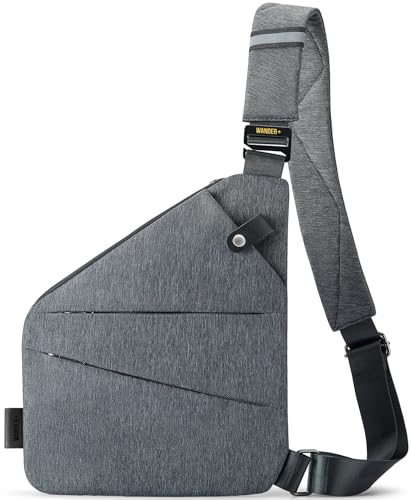
Recommended blogs to read:
- the full Helsinki things to do guide
- the Lapland things to do guide
- the 10 best Finland holiday destinations
- the best time to visit Finland
- traditional Finnish food worth trying
Lapland and the Arctic North (Things 1 to 9)
Lapland is the Finland most international visitors come for. Roughly everything north of Oulu, anchored by Rovaniemi as the gateway city, with the deeper Arctic experiences scattered between Saariselkä, Levi, Inari, and the Sami homelands further north.
1. Chase the Northern Lights from a Specific Latitude
The aurora belt runs roughly above 67°N, which means anywhere in Finnish Lapland is in play during the September-to-March window. The real question is base location, not whether you will see them. Saariselkä, Inari, and Levi sit deep enough north that you get aurora visibility on roughly two of every three clear nights during peak season. Rovaniemi, just on the Arctic Circle, gets thinner odds (about one in three) but better tour-operator infrastructure, which is the better trade for first-time visitors. The trick almost nobody mentions: you do not need a tour the first night. Walk 200 metres away from any hotel light source, look north, and let your eyes adjust for ten full minutes before deciding the sky is empty. Most aurora is invisible at first glance and obvious by minute eight.
2. Sleep in a Glass Igloo at Kakslauttanen or Saariselkä
The Kakslauttanen glass igloos are the original, the most-photographed accommodation in Finland, and they book out 8 to 10 months in advance for December and January dates. The whole point: a thermal glass dome over your bed so you can lie there and watch the aurora overhead without leaving the warmth. Several newer properties at Saariselkä, Levi, and around Inari now compete on price and design (Aurora Village, Northern Lights Village, Wilderness Hotel Muotka), with packages in the €350 to €700 per night range depending on season and view. Spend one night, not three. The novelty is real but loses force after the first morning, and the cost-per-night argument starts losing to a regular hotel plus a dedicated aurora tour.
3. Husky Sledding (Half-Day or Overnight)
Husky sledding is the single most-booked Lapland experience and the one most travelers underestimate. The dogs run hard, the sled requires real concentration to steer (you brake constantly on a downhill), and you actively drive your own team rather than ride in the back. Half-day tours from Rovaniemi run around €180 to €240 and include thermals, mittens, and a hot drink. Overnight wilderness trips at €600 to €900 take you deeper into the kennels and add a sauna and reindeer-skin sleeping setup at a remote cabin. Pick a kennel where the dogs are visibly working dogs and not pets-in-uniform. Hetta Huskies (near Enontekiö) and Bearhill Husky (near Rovaniemi) both score well on the dog-welfare front and have the experience to give you a proper run rather than a 20-minute photo op.
4. Meet Santa at Santa Claus Village on the Arctic Circle
Santa Claus Village sits 8 kilometres north of central Rovaniemi, right on the Arctic Circle, and is open year-round with free admission. The Arctic Circle line is painted across the floor of the main building, and stepping across it the first time is an oddly powerful moment regardless of age. Meeting Santa himself is free, the photos are not (€40 to €60 per family for the studio package, and personal photos with him are banned in the official meeting room). The Post Office is the workable substitute if the meeting queue runs long: you can post a letter from the Arctic Circle that gets a special seal, and pre-pay one to be sent in December the following year as a gift. Most visitors spend 3 to 4 hours total. Bus 8 from central Rovaniemi runs every 30 minutes and takes 25 minutes.
5. Reindeer Safari at a Sami-Owned Farm
The reindeer sledding experience splits into two distinct categories: Sami-owned working farms where the herd is real and the experience is grounded in the actual culture, versus resort-run “Sami experiences” which are essentially a costume show. Pick the first. The Reindeer Farm in Inari, Tunturi-Lapin Poro near Muonio, and the Sami villages around Hetta all run authentic half-day visits in the €120 to €180 range, with a slow reindeer sled ride, coffee around an open fire in a kota (traditional tent), and a Sami host who can answer questions about herding and the politics of the modern Sami situation. Avoid anything sold as a “Sami show” on a resort schedule.
6. Snowmobile Safari Through the Arctic Forest
Snowmobile tours are often sold as the “easy” Lapland activity, which is mostly true but undersells how physical they actually are. You drive your own machine, in pairs (with one person as passenger that swaps midway), through frozen lake systems and pine forest on marked safari trails. Half-day tours from Levi, Rovaniemi, or Saariselkä run €180 to €240. The trick is to book a guided wilderness safari over a “fast” speed-track operator, because the wilderness route gets you into the actual Lapland landscape rather than a noisy 30-minute loop. A driving licence is required for the lead position, and you do need to be physically alert: the machines are heavy and the turns are real. Layer up beyond what the operator suggests, especially feet and hands.
7. Stay in an Ice Hotel or Snow Castle
The SnowHotel in Kemi, the SnowVillage in Kittilä, and the Arctic SnowHotel near Rovaniemi each rebuild from scratch every winter starting in December and melt completely by April. A night in an ice room runs €350 to €500 and includes the thermal sleeping bag system, sauna access, and a backup warm room. Most visitors do not actually sleep through the full night (the novelty fades around 2am), but the rooms themselves are genuinely spectacular before lights-out: hand-carved ice walls, ice furniture, an ice glass for a welcome drink at the in-property ice bar. If you are not sleeping over, the day-visit ticket (€20 to €30) lets you walk the property in the late afternoon while the natural light is good for photos. Kemi’s SnowCastle has the added pull of the SnowExperience365 indoor display open all year for travelers who land outside winter.
8. Take the Santa Claus Express Sleeper Train from Helsinki
The Santa Claus Express is the overnight VR train from Helsinki to Rovaniemi, and it is the way to arrive in Lapland that actually makes the trip feel like a trip. The journey takes 12 hours, the cabins sleep one or two in private compartments with their own showers, and the train pulls into Rovaniemi around 8am. Flights take 90 minutes and cost roughly the same once you factor a hotel for the saved night, but you miss the whole point: waking up in the dark north and watching the snow-pine landscape slide past at first light. Book a two-berth cabin with shower (around €180 to €250 per person depending on season) over the cheaper seat cars. There is a car-carrying option if you want to drive in Lapland without renting at Rovaniemi.
9. Try Ice Swimming (Avantouinti) at a Public Lake or Sauna
Avantouinti is the Finnish ritual of cutting a hole in the lake ice and lowering yourself into water at roughly 1°C straight from the sauna. Done correctly it is invigorating and surprisingly addictive after the first attempt. Done incorrectly it is dangerous. The rule is short and clear: never go in alone, never stay in longer than 30 seconds, exit feet-first by ladder onto matted boards, and warm up in the sauna immediately. Many Lapland resorts and most Helsinki public saunas have a winter avanto (ice hole) maintained for guest use. Allas Sea Pool in Helsinki and Löyly both run a heated outdoor sauna with a swimming option in the Baltic year-round, which is the gentle introduction. If you have done it once in Helsinki, do it again at a quiet lake in Lapland for the proper version.
Helsinki and the Southern Coast (Things 10 to 17)
The southern coast is the year-round Finland, anchored by Helsinki as the design and culinary capital. Everything here is reachable on day-trip distance from Helsinki by ferry, regional train, or a 90-minute drive, which makes a single Helsinki hotel base an extremely workable plan for 4 to 6 days.
10. Sauna at Löyly, Kotiharjun, or Allas Sea Pool
Helsinki has the easiest entry point to Finnish sauna culture for travelers who want the real ritual without the awkward learning curve of a private cabin invitation. Löyly is the design-forward option on the waterfront, mixed-gender (swimsuit required), Baltic dip straight out the back, around €22 for two hours. Kotiharjun in Kallio is the traditional wood-fired single-gender public sauna at €15 for two hours, no swimsuit, towel only, locals on the benches happy to explain the rules if you ask. Allas Sea Pool by Market Square has heated and unheated outdoor pools alongside the saunas. Walk into any of the three armed with the basic Finnish sauna etiquette and you will not embarrass yourself. The first löyly hits and the room understands you 90 seconds in.
11. Walk the Helsinki Design District
The Design District covers about 25 streets and 200 shops across Punavuori, Ullanlinna, and the southern edge of the city centre. The walk takes a casual 3 hours with stops, longer if you actually shop. Pick up the free Design District map at the Design Museum or any tourist office and follow it counter-clockwise from the Iittala flagship: Marimekko, Artek for the original Aalto furniture, Lokal for Finnish art and crafts, Common Knowledge for ceramics, Nudge for jewelry, and Lasikammari for handblown glassware. The Design Museum itself (Korkeavuorenkatu 23) is the right finishing point with a permanent collection that traces the Finnish design heritage from Alvar Aalto forward through Iittala, Marimekko, and the contemporary scene. Free entry on the first Tuesday of every month.
12. Ferry to Suomenlinna Sea Fortress (UNESCO)
Suomenlinna is the 18th-century sea fortress built across six interconnected islands in the Helsinki archipelago, UNESCO-listed since 1991, and reachable by HSL public ferry from Market Square in 15 minutes (€5 return, included in any Helsinki day-card). The fortress is genuinely a half-day visit, not the quick stop it sounds like: stone walls, tunnels, six small museums, a working submarine (the Vesikko), and the original gunpowder magazines all spread across walkable paths. The Suomenlinna Brewery serves food and locally-brewed beer in a restored 18th-century building, and there are five small cafes scattered across the islands for coffee stops. Pack walking shoes; the paths are uneven cobblestone and the fortress walls have proper drops. The early-morning ferry beats the cruise-ship crowds by two hours.
13. Visit the Sibelius Monument and Töölö District
The Sibelius Monument in Sibelius Park is the famous Eila Hiltunen sculpture from 1967, 600 steel pipes welded into a wave that honours the composer Jean Sibelius. The monument itself is a quick 10-minute stop, but the Töölö district around it is where Helsinki’s residential life shows itself: art-nouveau apartment blocks, the Töölö Library (a quiet modernist gem), Café Regatta on the water (the touristy-but-genuinely-charming red wooden hut serving cinnamon buns from a fire), and walking access to Töölö Bay and the Finlandia Hall along the water. The whole loop from monument to Finlandia takes about 90 minutes at an easy walking pace. The tram 4 runs straight back to the centre.
14. Day Trip to Porvoo Old Town
Porvoo is Finland’s second-oldest town, 50 kilometres east of Helsinki by bus (€8, 1 hour, regular service). The wooden Old Town along the Porvoonjoki river is the postcard image: red-painted riverside warehouses, narrow cobbled lanes, a 15th-century cathedral, and small shops selling handmade chocolate (Brunberg is the local institution), ceramics, and the famous Runeberg tortes from the bakery that invented them. Three hours covers the Old Town comfortably with a leisurely lunch by the river. The Old Town gets busy on summer weekends; weekday visits land cleaner. Walk down to the river first, do the cathedral last, and end at the lookout point on Linnamäki for the panoramic shot back across the wooden roofs.
15. Day Trip to Tallinn by Ferry
Tallinn sits 80 kilometres south of Helsinki across the Gulf of Finland and is a 2-hour ferry ride. A return day trip is one of the highest-value things you can add to a Helsinki itinerary: Estonia’s capital has a fully preserved medieval old town, prices around 40% lower than Helsinki, and enough food and drink scene to fill a long lunch and an afternoon. The Helsinki to Tallinn ferry guide covers the four operators (Tallink, Viking Line, Eckerö, MyStarLine), the time-of-day options (the morning ferry gives you 7 hours in Tallinn, the late-afternoon ferry sets up an evening stay), and which terminal each runs from. Bring a passport even though it is technically Schengen-internal, because the border control is occasional and being asked for ID and not having it slows the boarding line.
16. Hike Nuuksio National Park (45 Minutes from Helsinki)
Nuuksio National Park is the surprise that makes Helsinki a proper outdoors-adjacent city. The park sits 35 kilometres northwest of the centre in Espoo, reachable by bus 245 from Espoo Central or the Helsinki regional train in about an hour total. Marked trails run from short 2 kilometre loops to a 14 kilometre Haukkalampi-Mustakorpi route through pine forest, lakes, and rocky outcrops with proper Finnish wilderness silence. Pack water, a packed lunch, and proper hiking shoes; the trails are rocky and exposed in places. The Nuuksio National Park visitor guide covers the best entry points, the Finnish Nature Centre Haltia at the main entrance, and the day-cabin rental options (Bodom and Kattila both rent for the day for around €25). Half a day in the park, then back to Helsinki for dinner.
17. Day Trip to Turku and the Archipelago
Turku is Finland’s original capital, 165 kilometres west of Helsinki by 2-hour train (€20 to €35 advance). The city itself is a good 4-hour visit: the medieval Turku Castle on the Aurajoki river, the 13th-century Cathedral, the Aboa Vetus and Ars Nova museums in the same complex, and the Old Great Square. The bigger pull is the Turku Archipelago Trail, a 250-kilometre signposted route across the small connected islands south and west of the city by car-and-ferry, with summer cottage rentals available for overnight stays. A day trip skims only the city; an overnight gives you one good archipelago island (Nagu, Pargas, or Korpo) and the small ferry hops. The route opens fully from mid-June to mid-August when all the seasonal cable ferries are running.
Lakeland, Cities, and Cultural Finland (Things 18 to 25)
The Lakeland is where Finns themselves go on holiday, the central belt around Lakes Saimaa and Päijänne with about a million summer cabins (mökki) and the highest sauna density per capita in the world. Mix the Lakeland with one or two of the regional cities (Tampere, Savonlinna, Jyväskylä) for the deepest cultural Finland trip.
18. Stay in a Lakeland Mökki (Summer Cabin) on Lake Saimaa
The mökki is the Finnish national institution, a small wooden lake cabin (typically with a wood-fired sauna at the water’s edge) where Finns disappear for weeks in summer. About one in every five Finns has access to a family one, and roughly 1 million mökki dot the lakes. As a visitor, rent one for 3 to 5 nights through Lomarengas or Nettimokki for €80 to €200 a night depending on size and season. Lake Saimaa (the country’s biggest lake) is the obvious target: 4,400 square kilometres of interconnected water around Savonlinna, Mikkeli, and Lappeenranta. The proper mökki experience is: wood-fired sauna in the evening, swim in the lake straight after, dinner of grilled lake fish, silence broken only by water lapping the wooden dock. Bring a swim suit and a book. Phone signal is patchy on purpose.
19. Savonlinna Opera Festival at Olavinlinna Castle
The Savonlinna Opera Festival runs every July inside the courtyard of 15th-century Olavinlinna Castle, on a small island in Lake Saimaa, and is one of the genuinely world-class cultural events in the Nordic countries. The 2026 program runs 3 to 26 July with a mix of canonical opera (Tosca, Aida, Madama Butterfly are typical) and at least one contemporary Finnish piece. Tickets run €80 to €240 depending on seat and night, and they go on sale roughly the previous October. The setting is the point: open-air courtyard, stone medieval walls, Lake Saimaa visible through the archways, summer twilight that does not properly darken. Even if you do not love opera, see one performance for the venue alone. Stay in central Savonlinna for the festival nights and walk to the castle along the waterfront promenade.
20. Smoke Sauna in Tampere or Lakeland
The smoke sauna (savusauna) is the original Finnish sauna form, predating the electric-stove version by several hundred years and producing a softer, gentler heat with a distinctive smoky aroma the rest of the room absorbs. Tampere’s Rajaportti smoke sauna in Pispala (Finland’s oldest still-functioning public sauna, in operation since 1906) is the easiest place for travelers to try it: €10 entrance, single-gender by session, towel rental available, properly old wooden benches. Around the Lakeland the smoke sauna is often built right at a mökki property; if you are renting a cabin look specifically for savusauna in the listing. The heating takes 4 to 6 hours, so smoke saunas usually run on a scheduled afternoon or evening; check the day before. The smell sticks to your hair gently for a day afterward and most Finns count that as a feature.
21. Eat Through Helsinki’s Traditional Finnish Food Scene
Finnish food has had a quiet renaissance over the past decade and the Helsinki dining scene is the easiest place to taste the country properly. The classics worth seeking out: salmiakki (salty liquorice, polarising), karjalanpiirakka (rye-crust rice pasties with egg butter), poronkäristys (sautéed reindeer with mashed potato and lingonberry), Karelian stew, fresh lake fish (perch, pike-perch, vendace), and rye bread with everything. Old Market Hall on Eteläranta has the easy traveler entry point with tasting counters; Story restaurant at Hakaniemi Market does the elevated version; Kappeli in the Esplanade Park serves traditional Finnish staples in a historic setting. The Restaurant Day movement (a few times a year) opens hundreds of pop-up home restaurants for the day, which is the unfiltered way in if your trip lines up. Reindeer and lingonberry land lightly on the palate, perch on flatbread is the Lakeland’s gift.
22. See the Midnight Sun in June and July
From mid-May to early August the sun does not properly set north of the Arctic Circle. The phenomenon is called nightless night (yötön yö) and at the latitude of Inari the sun stays above the horizon continuously from around 21 May to 23 July, around two solid months. Even in Helsinki at midsummer the sun dips below the horizon for only a few hours and never gets dark, just a soft twilight. The experience is genuinely disorienting and worth planning a summer trip around at least once. Best places: Inari, Utsjoki, Saariselkä for the full proper midnight sun; the southern lakes for the long twilight version. Pack a sleep mask seriously, the hotel curtains rarely block enough of the light, and your body’s circadian rhythm will take 3 to 5 days to adjust either direction.
23. Pick Wild Berries Under Everyman’s Right
Jokamiehenoikeus, “Everyman’s Right,” is the Finnish legal principle that anyone can walk, camp, swim, and pick wild berries and mushrooms across private and public forest land regardless of who owns it, as long as you stay 100 metres from any house and do no damage. In late July through September the forests fill with cloudberries (the prized golden ones in northern bogs), bilberries (the Finnish wild blueberry), lingonberries, and at the end of the season cranberries. The picking is genuinely abundant: a few hours in a productive patch gets you a kilogram of bilberries. Bring a small berry-comb (€10 at any supermarket) or use your hands. Locals carry them in milk-jug-style buckets. The wild mushroom side of the same right includes chanterelles, ceps, and the prized matsutake; if you do not know mushroom ID, stick to berries on a solo walk.
24. Visit Tampere’s Museums and the Moomin Museum
Tampere is the third-largest city in Finland, 175 kilometres north of Helsinki by 90-minute train, and the easiest stop between south and the Lakeland. The city is built on an isthmus between two lakes with the Tammerkoski rapids running through the centre, and it has an industrial-meets-cultural texture that rewards an overnight stop. The Moomin Museum at Tampere Hall is the only museum in the world dedicated to Tove Jansson’s Moomin characters, with the original Jansson illustrations and the famous tableau models from the book scenes. The Vapriikki museum centre at the old Tampella factory site holds the Finnish Hockey Hall of Fame, the Doll Museum, and the Spy Museum in one ticket. Spend an afternoon at the museums, an evening at one of the lakeside restaurants, and the morning at Pyynikki Observation Tower for the city panorama and the famous mini-doughnuts at its cafe.
25. Attend Juhannus (Midsummer) Bonfires by a Lake
Juhannus is the Finnish midsummer festival, held on the Saturday between 20 and 26 June, and it is the single biggest national holiday in the country. The defining ritual: a huge lakeside bonfire (kokko) lit in the late evening, around which Finns gather with family at their mökki for grilled food, singing, sauna, and lake swimming through the white night. Cities empty out as everyone migrates to the country. As a visitor, the way in is either a hotel-organized midsummer dinner on a southern lake, or rent a mökki specifically for the weekend (book by February, demand is extreme). The Seurasaari Open-Air Museum in Helsinki runs an open midsummer event with a public kokko, traditional dances, and a wedding ceremony for the crowd, which is the workable city-based alternative if you cannot get to a cabin.
How to Plan a Finland Trip Around These 25 Experiences
Trying to do all three regions in one trip is the most common Finland-itinerary mistake. You spend two days in transit per region change and arrive somewhere new with your energy already half-spent. The cleaner shape: pick one full region (say Lapland) for 5 days, then a single secondary region (Helsinki) for 3 days. A 8-to-10-day trip lands properly.
For first-time winter visitors the Lapland-heavy split wins: fly into Helsinki, overnight, take the Santa Claus Express sleeper to Rovaniemi, do 4 to 5 nights with aurora, husky, glass igloo, and a Santa visit, then fly back via Helsinki with 2 nights for sauna and Suomenlinna. For first-time summer visitors flip it: Helsinki for 3 nights, train to a Lakeland mökki for 4 nights, optional 2 extra in Turku or Tampere on the way back.
Book Lapland accommodation 6 to 10 months ahead for December and January (glass igloos go first, then husky kennels, then the better hotels). Helsinki and the south are bookable 2 to 3 weeks ahead in most seasons. The Lakeland mökki market is busiest from mid-June to mid-August and is best booked by February for Juhannus weekend specifically.
Building a multi-region Finland trip and worried about how to sequence Lapland, Helsinki, and Lakeland without losing days to transit?
The Ultimate Europe Trip Planner gives you a sequencing framework that handles the sleeper-train timing, the ferry windows for Tallinn and Stockholm, and the booking-lead-times for Lapland glass igloos all in one day-by-day grid.
Frequently Asked Questions
What is the number-one thing to do in Finland for first-time visitors?
For first-time winter visitors, chasing the northern lights from a Lapland base (Rovaniemi, Saariselkä, or Inari) is the single most rewarding thing to do, paired with one Helsinki sauna visit at Löyly or Kotiharjun. For first-time summer visitors, the headline experience is a 3-to-5-night mökki cabin stay on Lake Saimaa with a wood-fired sauna and lake swims, paired with Helsinki days for the Design District and Suomenlinna.
How many days do you need in Finland to see the main things?
Eight to ten days lands properly: five nights in one full region (Lapland in winter, Lakeland in summer) plus three nights in Helsinki for the southern coast experiences. Anything under six days forces you into picking just one region, which is fine but limits the trip to either Arctic winter or southern-coast summer rather than the full country.
When is the best time to visit Finland for the northern lights?
September through March, peaking in February and March when nights are still long but the worst of the December darkness has passed. The 2026 trip benefits from being near the peak of an 11-year solar cycle, which boosts aurora odds compared to the lows of 2018-2020. Aim for Saariselkä or Inari for the highest base-location odds, three to four nights minimum to give the weather a chance to clear.
Is Finland expensive for travelers?
Finland is moderately expensive on the European scale, comparable to Germany and cheaper than Norway. Daily budgets land around €120 to €180 per person for mid-range travel including hotel, food, and one paid activity. Lapland in peak winter season is the expensive zone (glass igloos and husky tours both run €200 to €500 per night/activity); Helsinki and the south are normal European-city pricing.
Do you need a car to do these things in Finland?
No. Public transport reaches all 25 experiences in this guide. Helsinki has a strong tram and bus network plus regional rail to Espoo (Nuuksio), Porvoo, Turku, and Tampere. The Santa Claus Express sleeper train runs Helsinki to Rovaniemi, and Lapland tour operators include transport from your hotel for all activities. A car is useful only if you want to do the Turku Archipelago Trail or a multi-stop Lakeland road trip.
Key Takeaways
- Finland breaks cleanly into 3 regions: Lapland (Arctic, winter-focused), Helsinki and the southern coast (year-round design and culture), Lakeland and central cities (the Finland Finns actually go on holiday).
- For 8 to 10 days, pick one full region plus one quick add-on rather than trying to cover all three. The transit time between regions burns a day each way.
- 2026 is the right year to book: Lonely Planet Best in Travel, peak solar cycle for aurora, Oulu European Capital of Culture, and new accommodation in Lapland for the Christmas season.
- Book Lapland 6 to 10 months ahead for December and January. Helsinki and the south are bookable 2 to 3 weeks out. Mökki cabin rentals for Juhannus weekend need February booking.
- No car needed for any of the 25 experiences here; the rail, ferry, and tour-operator-included transport network covers all of them.
Final Thoughts
The 25 things above are the heart of Finland but the country rewards going slower than the itinerary suggests. Most travelers come back from a Finland trip not with a long list of attractions ticked, but with a single image that lodged itself: the silence of a Lakeland mökki, the aurora overhead through glass, the first proper sauna where the löyly hits and the room makes sense. Pick the one experience that sounds most like that for you and build the trip around it rather than around volume.
For the outdoors side of the country specifically, the deeper dive sits in the guide to Finland’s national parks, which covers the proper hiking destinations beyond Nuuksio. And for the long-daylight version of the trip, the summer in Finland guide covers the months when the Lakeland is at its best and the midnight sun runs full at the northern latitudes.
Plan Your Finland Trip by Pillar
The Finland silo covers seven topical pillars across roughly 100 dedicated guides. Use this hub-list to navigate the cluster that matches your trip shape.
Helsinki and City Trip
For the Helsinki city-trip layer, see Helsinki Airport, where to stay in Helsinki, best cafes in Helsinki, is Helsinki worth visiting, and the broader best cities in Finland overview.
Lapland and Aurora
For the aurora and Lapland trip shape, see Rovaniemi guide, Santa Claus Village, glass igloo stays, husky sledding, and best places for northern lights.
Seasons and Calendar
For trip-timing decisions, see winter in Finland, spring, autumn, Christmas in Finland, and the year-round Midsummer Juhannus guide.
Practical Planning
For the practical layer, see is Finland expensive, ETIAS visa guide, Finland winter packing list, how to get around Finland, and the 7-day Finland itinerary for the realistic route.
Combine Finland with Neighbors
Finland pairs naturally with neighboring trips. The Tallinn ferry connects Helsinki to Estonia via the Helsinki to Stockholm ferry and Tallinn. Travelers continuing across the Nordics can extend with Swedish Lapland. For the broader European context, the Spain destination guide covers the warm-weather alternative.
For travelers approaching Helsinki from the Estonian side, the Tallinn to Helsinki ferry guide covers the reverse direction.