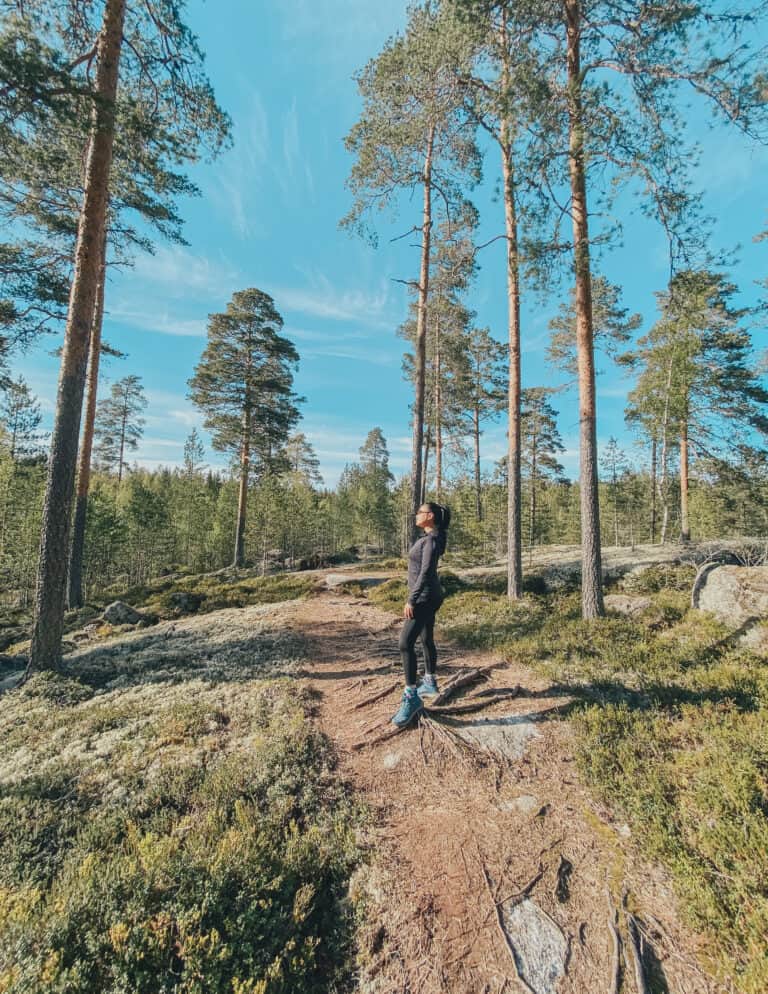
Quick Answer: Finland holds 41 national parks managed by Metsähallitus covering 9,892 square kilometers (3 percent of the country’s land area). The 12 most-visited and most-rewarding parks for travelers are Nuuksio (Helsinki day trip), Pallas-Yllästunturi (largest Lapland park), Urho Kekkonen (Saariselkä, 2,550 km², Finland’s second-largest), Koli (iconic eastern Finland lake view), Oulanka (Karhunkierros 82 km hiking trail), Repovesi (closer Helsinki-area cliffs), Linnansaari (Saimaa seal habitat), Sipoonkorpi (Nuuksio alternative), Pyhä-Luosto (Lapland classic), Hossa (newest park, Bronze Age rock paintings), Salla (established 2022), and Kolovesi (Saimaa kayaking). Entry is free; all parks run marked trails, free lean-to shelters, and Metsähallitus visitor centres.
Finland holds 41 national parks, the highest park-per-resident ratio in Europe. The combined park area runs 9,892 square kilometers, about 3 percent of the country’s land. The Finnish national park system runs differently from most European countries: entry is free across every park, the Metsähallitus visitor centres run free lean-to shelter networks, and the everyman’s right (jokamiehenoikeus) law permits wild camping within most parks at any non-marked location with respect for the landscape.
The Finnish national park map clusters into three broad regions. The southern parks (Nuuksio, Sipoonkorpi, Repovesi) sit close to Helsinki for day-trip and weekend access. The central and eastern parks (Koli, Linnansaari, Kolovesi, Oulanka) anchor longer multi-day visits across Lakeland and Karelia. The Lapland parks (Pallas-Yllästunturi, Urho Kekkonen, Pyhä-Luosto, Salla, Hossa) cover the deeper northern Finland wilderness with substantial backcountry hiking, aurora viewing, and the Sami cultural context.
Hiking season runs late May through September with peak weeks in late June through July. The Lapland parks also run substantial winter visitor operations with cross-country skiing trails, husky safaris, and aurora viewing. Pack proper hiking boots, layered weather clothing, mosquito repellent (Lapland June-August intensity), and either a tent or hut bookings. The Metsähallitus park websites (metsa.fi) hold detailed trail maps, current condition reports, and shelter booking information for every park.
Planning a Finnish national parks trip combining Lapland hiking, Lakeland kayaking, and Helsinki day trips?
The Ultimate Europe Trip Planner sequences the parks trip in one editable document.
Recommended National Park Travel Essentials
Six items worth packing for the Finnish national park trip; the waterproof hiking boots and the day pack are the highest-value items because park trails routinely cover 8 to 15 km in a single day across mixed terrain and unpredictable weather.


Recommended blogs to read:
- best hikes in Finland
- things to do in Lapland
- summer in Finland
- Finland summer packing list
- things to do in Finland
12 Best National Parks in Finland for 2026
The 12 parks below cover the realistic Finnish national park visit map across the Helsinki-area day-trip parks, the central and eastern Lakeland parks, and the Lapland flagship parks. Each entry notes the location, the size, the standout features, and the trip-shape fit.
1. Nuuksio National Park (Helsinki Day Trip)
Nuuksio sits 35 km northwest of Helsinki in Espoo municipality, covering 53 square kilometers of forest, lake, and rocky terrain with about 130 lakes and ponds. The park is the most-accessible Finnish national park from the capital via HSL bus 245 from Espoo Centre (1.5 hours total transit). Standout features include the Haltia Finnish Nature Centre at the main entrance, marked trail loops from 2 to 25 km, and the rich Finnish forest ecology with bears, lynx, and elk present though rarely seen. Allow 4 to 8 hours including transit. The dedicated Nuuksio guide covers the deeper trail-by-trail and seasonal visitor planning.
Read also: Nuuksio National Park guide for the deeper trail and visitor centre planning.
2. Pallas-Yllästunturi National Park (Largest Lapland Park)
Pallas-Yllästunturi covers 1,020 square kilometers across western Lapland, making it Finland’s third-largest national park and the largest in Lapland proper. The park anchors the iconic Hetta-Pallas hiking trail (55 km, 3 to 5 days) running north-to-south across open-fell tundra above the treeline. The southern anchor of Ylläs holds Finland’s longest ski slopes (3 km descent) plus the Ylläs ski village; the northern anchor at Hetta provides Sami cultural context. Visitor centres at both anchors run free trail maps and current condition reports. Allow 3 to 7 days for the full park visit.
Read also: Levi Ski Resort guide for the broader Lapland ski-and-park context that pairs with Pallas-Yllästunturi.
3. Urho Kekkonen National Park (Saariselkä, Second-Largest)
Urho Kekkonen National Park (UKK Park) covers 2,550 square kilometers across northeastern Lapland near Saariselkä, making it Finland’s second-largest national park. The park anchors substantial multi-day wilderness hiking with marked trails from Saariselkä village extending into the Russian-border zone. Open-fell tundra dominates the landscape; reindeer herds graze across the area. The Kiilopää Fell with its open-summit observation tower runs as a popular day-hike destination. Allow 2 to 7 days for the visit. The Saariselkä village provides full accommodation, restaurants, and tour-operator infrastructure for the park visit.
Read also: Inari and Saariselkä combined guide for the Saariselkä village context that anchors UKK Park visits.
4. Koli National Park (Eastern Lake Pielinen Views)
Koli National Park covers 30 square kilometers in eastern Finland anchored on Ukko-Koli, the 347-meter summit overlooking Lake Pielinen. The summit view is among the most-recognized Finnish landscape vistas, appearing on the former 100 Markka banknote. Reach via train to Joensuu plus bus to Koli (4 hours from Helsinki) or via private car. The Sokos Hotel Koli on the summit provides full accommodation; cabin rentals across the surrounding area extend the visit. Allow 1 to 2 days for the visit. Best in late September for ruska autumn foliage and June through September for hiking conditions.
Read also: things to do in Joensuu for the Karelian Finland anchor city near Koli.
5. Oulanka National Park (Karhunkierros 82 km Trail)
Oulanka National Park covers 270 square kilometers in northeastern Finland near Ruka, anchoring Finland’s most-iconic multi-day hiking trail: the Karhunkierros (Bear’s Ring) 82 km loop. The trail covers forested ridges, river gorges, suspension bridges across the Oulankajoki river, and the surrounding wilderness across 4 to 5 days. Marked overnight shelters with free use sit along the route. Reach via Kuusamo (the closest airport, 30 minutes drive from the trailhead) or by car from Rovaniemi (3 hours). Allow 4 to 6 days for the trail. The hiking season runs late May through mid-September with the peak weeks late June through July.
Read also: things to do in Rovaniemi for the Lapland gateway context that surrounds Oulanka and Kuusamo access.
6. Repovesi National Park (Helsinki Cliffs Day Trip)
Repovesi National Park covers 15 square kilometers near Kouvola in southeastern Finland, about 2 hours from Helsinki by car. The park anchors substantial granite cliff formations, the Lapinsalmi suspension bridge (one of Finland’s most-photographed hiking features), and several lake-and-river loops at the 5 to 15 km hiking distance. The park works as a long Helsinki day trip or a 1 to 2-day weekend visit. The Saunaniemi peninsula holds a rentable lakeside sauna for park visitors. Allow 1 to 2 days. Reach via Kouvola train plus bus or by private car.
Read also: top day trips from Helsinki for the broader Helsinki day-trip context that includes Repovesi alongside the city alternatives.
7. Linnansaari National Park (Saimaa Seal Habitat)
Linnansaari National Park covers 38 square kilometers across the main Linnansaari Island plus about 130 smaller islands in Lake Saimaa. The park is the strongest single base for spotting the Saimaa ringed seal (Saimaannorppa) in the wild, with the population reaching about 480 individuals in 2025. Reach via summer water-taxi from Rantasalmi (the closest mainland village) at EUR 35 to EUR 55 round-trip. The park runs hiking trails, cabin rentals, and the Linnansaari farmstead as the main visitor anchor. Allow 1 to 2 days. Pair with the broader Saimaa Lakeland trip including Savonlinna.
Read also: lakes in Finland for the broader Saimaa context that Linnansaari sits inside.
8. Sipoonkorpi National Park (Closer Nuuksio Alternative)
Sipoonkorpi National Park sits 25 km northeast of Helsinki in the Sipoo and Vantaa municipalities, reached by HSL bus 787 from Helsinki Central Station in 45 minutes (EUR 4.80 single ticket). The park covers 19 square kilometers of forest and bog terrain, smaller than Nuuksio but with substantially shorter transit from central Helsinki. The trail network runs about 20 km across multiple short loops. Allow 4 to 6 hours. The park lacks Nuuksio’s Haltia Nature Centre but compensates with the closer-and-easier transit. Works year-round; cross-country ski trails in winter.
Read also: things to do in Helsinki for the central Helsinki context that pairs with the Sipoonkorpi day visit.
9. Pyhä-Luosto National Park (Lapland Classic)
Pyhä-Luosto National Park covers 142 square kilometers in central Lapland, anchoring two small ski-and-hike villages (Pyhä in the south and Luosto in the north) with substantial trail-network connectivity. The park holds amethyst-mining heritage at Lampivaara Mine (the only working amethyst mine in Europe), open-fell hiking across the Pyhätunturi summits, and substantial winter ski-resort operations. Reach via Rovaniemi airport plus 1.5-hour transfer to either village. Allow 3 to 5 days. The park works strongest in winter for aurora viewing plus skiing or in late summer for the fell-hiking and amethyst visit combination.
Read also: best places for northern lights in Finland for the aurora-viewing context that pairs with the Pyhä-Luosto winter park visit.
10. Hossa National Park (Bronze Age Rock Paintings)
Hossa National Park covers 110 square kilometers in northeastern Finland near the Russian border, established in 2017 as Finland’s 40th national park. The standout feature is the Värikallio rock paintings on the granite cliff above Lake Somerjärvi: 60 figures of humans, animals, and abstract symbols painted in red ochre 4,000 to 4,500 years ago, one of the most-significant Bronze Age rock art sites in Northern Europe. The park also offers extensive Lakeland kayaking and the Aurora Hut Hossa aurora-viewing accommodation. Reach via Suomussalmi (the closest village, 30 km away). Allow 2 to 4 days.
Read also: things to do in Kuhmo for the eastern Finland wilderness anchor town that pairs with Hossa.
11. Salla National Park (Newest, 2022)
Salla National Park covers 100 square kilometers in eastern Lapland near the Salla village and ski resort, established in February 2022 as Finland’s 41st and newest national park. The park anchors substantial wilderness terrain across forested fells with marked trails extending from the Salla village. The combination of small ski resort, national park, and the strong eastern-Lapland wilderness identity makes Salla a less-visited but rewarding alternative to the busier Saariselkä-based parks. Reach via Rovaniemi plus 2.5-hour drive or via the Salla airport. Allow 2 to 4 days.
Read also: things to do in Salla for the deeper Salla village and park context.
12. Kolovesi National Park (Saimaa Kayaking)
Kolovesi National Park covers 61 square kilometers in the northern Saimaa Lakeland near Enonkoski, anchoring substantial kayaking and canoe paddling across the protected park waters. The park holds the strictest motorboat restrictions in the Saimaa system; only paddle craft are permitted across most of the park area, producing exceptionally quiet water and substantial Saimaa seal sighting potential. Kayak rental from the visitor centre at EUR 30 to EUR 50 per day. Reach via Savonlinna plus 30-minute drive to Enonkoski. Allow 2 to 4 days. The park works strongest June through August for paddling conditions.
Read also: things to do in Savonlinna for the Saimaa Lakeland anchor city that gates Kolovesi access.
Combining Lapland flagship parks with a Lakeland kayaking extension into a multi-park Finland visit?
The Ultimate Europe Trip Planner sequences the parks trip in one editable document.
Frequently Asked Questions
How many national parks does Finland have?
Finland holds 41 national parks managed by Metsähallitus, the highest park-per-resident ratio in Europe. The combined park area runs 9,892 square kilometers covering about 3 percent of the country’s land. Salla National Park (established February 2022) is the newest; Pallas-Yllästunturi is the third-largest by area; Urho Kekkonen is Finland’s second-largest at 2,550 square kilometers.
Is there an entry fee for Finnish national parks?
No. Entry is free across all 41 Finnish national parks. The Metsähallitus visitor centres run free maps and current condition reports; the lean-to shelters along the trails run free use for overnight stays. Some parks offer paid private cabin rentals and paid guided tours; these are optional. The free-access policy makes Finnish national parks one of Europe’s most-affordable outdoor experiences.
Can you camp in Finnish national parks?
Yes. Finland’s everyman’s right (jokamiehenoikeus) permits wild camping in most park areas at non-marked locations with respect for the landscape (no campfires outside designated rings, no closer than 200 meters to inhabited buildings, leave-no-trace ethics). The Metsähallitus lean-to shelter network provides free overnight shelter at marked locations. Some parks designate specific camping areas; check the park map at the visitor centre for the current rules.
Which Finnish national park is closest to Helsinki?
Sipoonkorpi National Park sits closest at 25 km northeast of Helsinki, reachable in 45 minutes by HSL bus 787. Nuuksio National Park is 35 km northwest in Espoo, reachable in 1.5 hours via metro plus bus. Repovesi sits 2 hours by car near Kouvola. All three work as day-trip Helsinki visits without requiring overnight accommodation.
What is the best Finnish national park for hiking?
Oulanka National Park anchors Finland’s most-iconic hiking trail (Karhunkierros 82 km, 4 to 5 days). Pallas-Yllästunturi anchors the Hetta-Pallas trail (55 km, 3 to 5 days) across open-fell tundra. Urho Kekkonen offers substantial multi-day wilderness hiking from Saariselkä. For shorter day hikes, Nuuksio, Repovesi, and Sipoonkorpi work best from Helsinki; Koli works for the iconic summit view in eastern Finland.
When is the best time to visit Finnish national parks?
Peak hiking season runs late June through mid-August at 12 to 22 Celsius daytime temperatures and 18 to 24 hours of daylight depending on latitude. Late August and September deliver the ruska autumn foliage with substantially cooler weather. Winter (January through March) opens substantial cross-country skiing and snowshoeing in the Lapland parks plus aurora viewing access. Pack accordingly; the same park visit feels meaningfully different across the four seasons.
Key Takeaways
- Finland holds 41 national parks managed by Metsähallitus, the highest park-per-resident ratio in Europe, covering 9,892 km² total.
- Helsinki-area parks: Nuuksio (1.5h), Sipoonkorpi (45min), Repovesi (2h drive) for day-trip and weekend visits.
- Lapland flagships: Pallas-Yllästunturi (3rd-largest), Urho Kekkonen (2nd-largest at 2,550 km²), Pyhä-Luosto, Salla (newest 2022).
- Iconic trails: Karhunkierros 82km in Oulanka, Hetta-Pallas 55km in Pallas-Yllästunturi, Karelian Koli summit view.
- Entry free across all 41 parks; everyman’s right permits wild camping; Metsähallitus visitor centres run free maps and shelter info.
Final Thoughts
Finland’s 41-park national park system runs as one of Europe’s strongest outdoor destinations: free entry across every park, the everyman’s right wild-camping permission, the lean-to shelter network, and the regional spread from Helsinki day-trip parks to deep-Lapland wilderness. The 12 best for travelers cover the realistic visit map from Nuuksio’s accessible weekend through Pallas-Yllästunturi’s multi-day Lapland tundra. For the deeper Nuuksio trip planning, the Nuuksio National Park guide covers the trail-by-trail detail; the best hikes in Finland guide connects the parks into the broader hiking trail context.