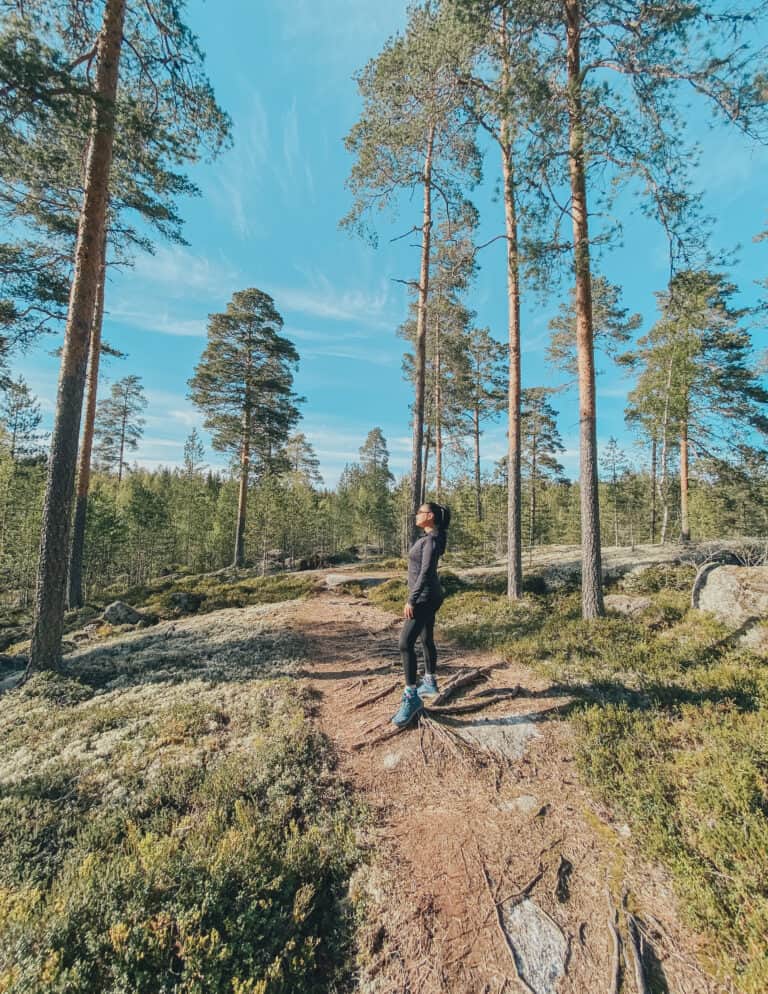
Quick Answer: Finland holds about 188,000 lakes larger than 500 square meters, earning the country its “land of a thousand lakes” identity (the actual count is roughly 188 times that). The 12 best Finnish lakes for visiting include Saimaa (Europe’s fourth-largest freshwater lake at 4,400 km²), Päijänne (the second-deepest Finnish lake), Inari (Lapland’s sacred Sami lake), Pielinen (Koli National Park views), Kallavesi (Kuopio Lakeland anchor), Oulujärvi, Pyhäjärvi Tampere, Näsijärvi Tampere, Kemijärvi Lapland, Pyhäselkä Joensuu, Lappajärvi (ancient meteorite crater lake), and the Lokka reservoir in Lapland. Peak swimming runs late June through mid-August at 18 to 22 Celsius water temperatures.
Finland holds about 188,000 lakes larger than 500 square meters; if you include smaller ponds, the count exceeds 200,000. The country’s surface area runs 10 percent water, the highest lake-density in Europe and one of the highest in the world. The shared Finnish word for this geography is Järvi-Suomi (Lake Finland), and the lakes shape Finnish life from the mökki summer cottage culture to the year-round ice swimming tradition.
The Finnish lake map clusters into three broad regions. The Saimaa Lakeland in the southeast covers Europe’s fourth-largest freshwater lake plus the surrounding interconnected lake system (Saimaa proper, Pihlajavesi, Puruvesi, Pyhäselkä). The Päijänne-and-Central Lakeland runs the Jyväskylä-anchored deep-water lakes including Päijänne itself. The Lapland lakes (Inari, Kemijärvi, Lokka reservoir) sit above the Arctic Circle with different ecology and the addition of midnight sun and ice-road winter conditions.
Swimming season runs late June through mid-August at 18 to 22 Celsius water temperatures. Lake activities include kayaking, paddleboarding, sailing, ice fishing in winter, ice swimming year-round at maintained avantos, and the mökki cottage lakeside lifestyle that defines Finnish summer. Saimaa holds Finland’s only freshwater seal (Saimaannorppa) with a population of about 480 in 2025. Pack a swimsuit, sun protection, and good walking shoes for the lakeshore trails.
Planning a Finnish Lakeland trip combining Saimaa, Päijänne, and the Lapland lakes with mökki cottage stays?
The Ultimate Europe Trip Planner sequences the Lakeland trip in one editable document.
Recommended Lakeland Travel Essentials
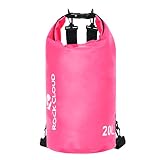
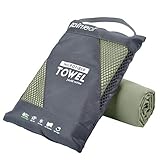
Six items worth packing for the Finnish Lakeland trip; the dry bag and the quick-dry towel are the highest-value items because lakeside trips routinely move between swimming, sauna, and kayaking activities across single days.


Recommended blogs to read:
- Mökki cottage culture in Finland
- summer in Finland
- things to do in Finland
- Finnish sauna etiquette
- Finland summer packing list
12 Best Lakes in Finland for 2026
The 12 lakes below cover the realistic Finnish Lakeland visit map across the southeast Saimaa system, the central Päijänne and surrounding region, and the Lapland lakes above the Arctic Circle. Each entry notes the location, the size, the standout features, and the trip-shape fit.
1. Saimaa (Europe’s Fourth-Largest Freshwater Lake)
Lake Saimaa covers 4,400 square kilometers across southeastern Finland, making it Europe’s fourth-largest freshwater lake and Finland’s largest by area. The Saimaa system runs as a complex interconnected network of lake basins, narrow channels, and ferry routes; the Saimaa Canal connects to the Gulf of Finland for boat travel from Lappeenranta to the Baltic. Standout visitor anchors include Savonlinna (Olavinlinna Opera Festival, July), Lappeenranta (city-edge harbor), Mikkeli (central Lakeland base), and Punkaharju (the 7 km esker ridge between lake basins). Saimaa holds Finland’s only freshwater seal (Saimaannorppa) with about 480 individuals in 2025; sighting tours run from Linnansaari National Park.
Read also: things to do in Savonlinna for the Saimaa Lakeland anchor city and the July Opera Festival.
2. Päijänne (Deep Central Finland Lake)
Lake Päijänne is Finland’s second-largest lake at 1,080 square kilometers and the deepest at 95.3 meters at its deepest point. The lake runs about 120 km north-to-south across central Finland from Jyväskylä in the north to Lahti in the south, supplying about 1 million Helsinki residents with drinking water through the 120 km Päijänne Water Tunnel. Standout visitor anchors include Jyväskylä (Alvar Aalto architecture city), Lahti (winter sports town), Sysmä (lakeside village), and the Päijänne National Park covering the lake’s southern islands. The lake suits travelers wanting deeper Lakeland trips with longer single-lake exposure rather than the multi-basin Saimaa system.
Read also: things to do in Jyvaskyla for the Aalto-architecture city base that anchors Päijänne visits.
3. Inari (Lapland’s Sacred Sami Lake)
Lake Inari (Inarijärvi) covers 1,043 square kilometers in northern Lapland, making it Finland’s third-largest lake. The lake holds substantial Sami cultural significance with the village of Inari at its southern shore home to the Sami Parliament of Finland, the Siida Sami Museum, and the broader Sami cultural anchor in the Finnish-Sami homeland. The lake holds about 3,300 islands; the most-recognized is Ukko (Sami sacred island, historically a site of ritual practice). Boat tours from Inari village run summer; ice road and snowmobile travel across the frozen lake in winter. Inari combines the lake visit with deep cultural exposure unmatched by the southern Finnish lakes.
Read also: Inari and Saariselka combined guide for the deeper Lapland Sami-and-lake trip planning.
4. Pielinen (Koli National Park Views)
Lake Pielinen covers 894 square kilometers in eastern Finland, making it Finland’s fourth-largest lake and the centerpiece view from Koli National Park’s Ukko-Koli summit overlooking the lake. The summit view appears on the Finnish 100 Markka banknote and on most “iconic Finnish landscape” lists. The lake’s eastern shore holds Lieksa town; the western shore holds Nurmes. The hilltop summit walk plus a lakeside cabin overnight is the standard format. Combine with Joensuu (1 hour south) for the broader Karelian Finland trip. Pielinen suits travelers prioritizing the most-photographed Finnish lake view rather than the broader interconnected-lake experience.
Read also: things to do in Joensuu for the Karelian Finland anchor city near Koli and Pielinen.
5. Kallavesi (Kuopio Lakeland Anchor)
Lake Kallavesi covers 478 square kilometers around the city of Kuopio in central Finland and serves as the regional Lakeland-capital lake. The lake holds multiple beach access points within Kuopio city (Väinölänniemi, Rauhalahti), the Puijo Hill observation tower view to the south, and the Saimaa ferry connection to Savonlinna across multiple lakes (8-hour scenic alternative to the Helsinki-Savonlinna train). Kuopio runs the strongest Lakeland city base with substantial sauna culture (the world’s largest smoke sauna at Jätkänkämppä), market hall, and Karelian-cultural anchor. The lake suits travelers wanting a city-and-lake combined visit format.
Read also: Kuopio Lakeland guide for the deeper Kuopio city and Kallavesi visit planning.
6. Oulujärvi (Kainuu Region Anchor)
Lake Oulujärvi covers 887 square kilometers in central-northern Finland and serves as the regional anchor for the Kainuu region surrounding Kajaani. The lake is sometimes called Kainuun meri (Sea of Kainuu) for its substantial open-water sections relative to other Finnish lakes. The lakeside town of Vaala (northern shore) and the city of Kajaani (southern shore) anchor the visitor accommodation; the Vuokatti recreation area east of Kajaani extends the trip with skiing in winter and hiking in summer. Oulujärvi suits travelers wanting a less-visited Lakeland trip beyond the standard Saimaa-and-Päijänne circuit, with the Kainuu wilderness anchor.
Read also: things to do in Kajaani for the Kainuu region city anchor near Oulujärvi.
7. Pyhäjärvi (Tampere City Lake)
Lake Pyhäjärvi sits south of central Tampere as the southern of the two lakes that frame Finland’s third-largest city. The lake holds the Tammerkoski Rapids that drain from Näsijärvi (the northern lake) into Pyhäjärvi, defining Tampere’s industrial-era growth and the modern city’s central walking trails. The lakeside Pyynikki ridge runs the Pyynikki Observation Tower with its legendary munkki donut bakery; the southern shore holds substantial swimming-and-sauna access. Pyhäjärvi combines with Tampere’s sauna capital identity and the major-city anchors for a city-and-lake visit that doubles as the third-city Finnish urban trip.
Read also: things to do in Tampere for the deeper Tampere city visit including the Tammerkoski rapids walk.
8. Näsijärvi (Tampere Northern Lake)
Lake Näsijärvi is the northern of Tampere’s two framing lakes, covering 256 square kilometers. The lake runs as the gateway to the broader Tampere-area waterway network connecting north toward the Murole canal system and the smaller lakes beyond. The lakeside Särkänniemi amusement park complex covers about 4 hours of family-day visiting at the Näsijärvi shore. Boat tours from the central Tampere harbor run summer cruises across Näsijärvi to the surrounding villages including Viikinsaari Island (popular day-trip with restaurant). Näsijärvi suits travelers extending the Tampere city visit with a boat-and-island lake-day format.
Read also: Midsummer Juhannus in Finland for the broader Finnish summer-lake cultural context that Näsijärvi cruises belong to.
9. Kemijärvi (Lapland Lake Town)
Kemijärvi sits as a 270 square kilometer Lapland lake surrounding the small town of Kemijärvi (about 80 km east of Rovaniemi). The lake holds substantially cooler summer water temperatures (10 to 16 Celsius) and a complete winter freeze with ice roads operating across the frozen surface from January through March. Kemijärvi is the northernmost regularly-visited Finnish lake for travelers extending the Lapland trip beyond Rovaniemi without committing to the deep-north Inari trip. The combined visit pairs naturally with Salla National Park (1 hour east, established 2022) and the broader eastern Lapland wilderness experience.
Read also: things to do in Salla for the eastern Lapland wilderness pairing with Kemijärvi.
10. Pyhäselkä (Joensuu Karelian Lake)
Lake Pyhäselkä covers 263 square kilometers across the southern shoreline of Joensuu in eastern Finland (Karelia). The lake connects to the broader Saimaa system through the Pielisjoki river and the Saimaa Canal, making it part of one of Europe’s largest interconnected freshwater navigation networks. The Joensuu lakeside walking trail and the small beach access points anchor the city visit; lake cruises run from the Joensuu harbor across the summer season. Pyhäselkä suits travelers wanting the Karelian eastern Finland lake experience as a less-touristed alternative to the Saimaa-proper visit centered on Savonlinna.
Read also: Helsinki to Tallinn ferry for the Baltic-extension context that pairs with the Karelian-Finland Pyhäselkä visit.
11. Lappajärvi (Ancient Meteorite Crater Lake)
Lake Lappajärvi covers 145 square kilometers in western Finland’s Lapua region and holds the unusual distinction of being one of Europe’s oldest meteorite impact crater lakes, formed about 76 million years ago when a meteorite struck the area. The crater origin produces a distinctive nearly-circular lake outline visible from satellite imagery and a unique geological context for the visit. The lakeside Lappajärvi village runs a small Crater Lake visitor centre with exhibits on the impact event and the surrounding geology. The lake suits travelers wanting a less-visited geographically-distinctive Finnish lake beyond the standard Lakeland circuit.
Read also: things to do in Vaasa for the western-Finland regional context that surrounds Lappajärvi.
12. Lokka Reservoir (Largest Artificial Lake)
Lake Lokka covers 417 square kilometers in northern Lapland’s Sodankylä municipality as Finland’s largest artificial reservoir, built in the 1960s for hydroelectric power production. The reservoir sits in remote wilderness with the small village of Lokka as the only settlement; the visit is genuinely off-the-beaten-path with substantial Sami cultural context, reindeer herding land surrounding the lake, and the dark-sky aurora viewing opportunity that the remote location enables. Lokka suits experienced travelers wanting the deep-Lapland wilderness lake experience beyond the standard Inari format; the practical reach requires rental car from Rovaniemi (3-hour drive) or Ivalo (2-hour drive).
Read also: best places for northern lights in Finland for the aurora-viewing context that the remote Lokka location supports.
Building a multi-lake Finnish Lakeland trip with mökki cottage stays and city anchors?
The Ultimate Europe Trip Planner sequences the Lakeland trip in one editable document.
Frequently Asked Questions
How many lakes are in Finland?
Finland holds about 188,000 lakes larger than 500 square meters. Including smaller ponds, the count exceeds 200,000. The country’s surface area runs 10 percent water, the highest lake-density in Europe and one of the highest in the world. The “land of a thousand lakes” identity understates the actual count by a factor of about 188.
What is the largest lake in Finland?
Lake Saimaa is Finland’s largest lake at 4,400 square kilometers, also Europe’s fourth-largest freshwater lake. The Saimaa system runs as an interconnected network of basins, channels, and ferry routes across southeastern Finland anchored on Savonlinna, Lappeenranta, and Mikkeli. Lake Päijänne is Finland’s second-largest at 1,080 square kilometers and the deepest at 95.3 meters.
Can you swim in Finnish lakes?
Yes. Finnish lakes warm to 18 to 22 Celsius in July and August in the southern half of the country with most lakes safe and clean for swimming. Saimaa, Päijänne, Pielinen, and Kallavesi hold substantial swimming culture with public beaches and mökki private beach access. Lapland lakes (Inari, Kemijärvi, Lokka) stay cooler at 10 to 18 Celsius but remain swimmable in July and August.
What is the Saimaa seal?
The Saimaa ringed seal (Saimaannorppa, Pusa hispida saimensis) is Finland’s only freshwater seal and one of the rarest seal species in the world. The population reached about 480 individuals in 2025 after decades of conservation work. The seal lives exclusively in the Saimaa lake system. Sighting tours run from Linnansaari National Park in summer; the seals are difficult to spot in winter when they retreat to ice-edge habitat for pup-rearing.
When is the best time to visit Finnish lakes?
Peak lake season runs late June through mid-August for swimming, boating, and the mökki cottage experience at 18 to 22 Celsius water temperatures. Mid-July typically holds the warmest reliable swimming weeks. May and September run as shoulder seasons with cooler water and substantially fewer crowds. Winter (January through March) holds the ice fishing and ice swimming seasons at maintained avantos plus the ice road travel across the frozen lake surfaces in Lapland.
How do I rent a Finnish lake cottage?
Mökki rentals are widely available across the Saimaa Lakeland, Päijänne, Mikkeli, Kuopio, and broader central Finnish lake districts at EUR 100 to EUR 300 per night through booking platforms including Lomarengas and Nettimökki. Most include a wood-burning lakeside sauna, basic kitchen, beds for 4 to 8, and lake access. Book 3 to 6 months ahead for July peak; September shoulder rates run 30 to 50 percent lower.
Key Takeaways
- Finland holds about 188,000 lakes larger than 500 square meters; the highest lake-density in Europe.
- Saimaa (Europe’s fourth-largest freshwater lake) and Päijänne (deepest at 95.3m) anchor the southeast and central Lakeland regions.
- Inari is Lapland’s sacred Sami lake with the Sami Parliament village and the Siida Museum.
- Saimaa holds Finland’s only freshwater seal (about 480 individuals in 2025); sighting tours run from Linnansaari National Park.
- Peak swimming late June through mid-August at 18 to 22 Celsius; mökki cottage rentals widely available at EUR 100-300/night.
Final Thoughts
Finland’s lake identity runs deeper than any other European country’s: 188,000 lakes, 10 percent of the surface area as water, and the cultural anchor of the mökki summer cottage across half a million properties. The 12-lake map covers the realistic trip variations from the iconic Saimaa Lakeland to the sacred Sami Inari to the geographically distinctive Lappajärvi crater lake. Plan around the warm-water weeks of late June through mid-August for the swimming-and-mökki trip; layer the Lapland Inari or Kemijärvi extension for the broader country experience. For the next reads, the 7-day Finland itinerary and the islands in Finland guide connect the lakes into the wider Finland outdoor trip plan.
Lappeenranta anchors the Saimaa southern gateway; see things to do in Lappeenranta.