Quick Answer: Summer in Finland (kesa) runs June through August with midnight sun in Lapland (late May through mid-July), Helsinki white nights from mid-June through late July, and Juhannus midsummer (third weekend of June) as the cultural anchor. The mökki cottage season runs June through August with about 500,000 summer cottages across Finland. Berry-picking peaks late July through August (blueberries, raspberries, then lingonberries in early autumn). The festival calendar holds Provinssirock, Tuska, Pori Jazz, Savonlinna Opera, Flow Festival, and Kuhmo Chamber Music. Helsinki’s summer terraces, the Suomenlinna island ferry, the Allas Sea Pool, and the long evenings define the city summer rhythm.
Helsinki gets 19 hours of daylight on June 21; the Arctic Circle at Rovaniemi gets 24. The summer light shift turns Finnish daily life inside out, with restaurant terraces full at 10pm, sauna evenings extending past midnight, and the entire country migrating to summer cottages across the June-through-August window.
The summer season runs as three overlapping experiences. The midnight sun delivers true 24-hour daylight in Lapland from late May through mid-July; Helsinki and southern Finland get “white nights” with the sun dipping just below the horizon for 2 to 3 hours from mid-June through late July. Juhannus (midsummer weekend, typically third weekend of June) anchors the cultural calendar as the second-biggest Finnish holiday after Christmas. The mökki summer cottage season runs June through August with about 500,000 cottages across the country defining the central Finnish summer identity.
The festival calendar lands heavily in summer. Provinssirock (Seinajoki, early July), Tuska metal festival (Helsinki, late June), Pori Jazz (mid-July), Savonlinna Opera Festival (July), Flow Festival (Helsinki, mid-August), and Kuhmo Chamber Music (mid-July) anchor the music year. Pack lightweight layered clothing, a swimsuit, mosquito repellent, polarized sunglasses, and a packable sun hat for the long summer days. Hotel pricing peaks in July and books out 4 to 8 weeks ahead.
Planning the Finnish summer trip with Juhannus midsummer, midnight sun in Lapland, mökki cottage days, and the festival calendar?
The Ultimate Europe Trip Planner sequences the summer trip across regions and weeks in one editable document.
Recommended Finnish Summer Travel Essentials
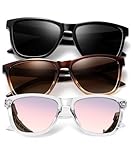
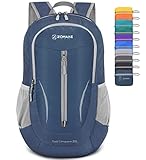
Six items worth packing for the Finnish summer trip; the mosquito repellent and the packable sun hat are the highest-value items because Lapland mosquitoes are intense June through August and the high-angle summer sun stays out 16 to 24 hours per day.




Recommended blogs to read:
- things to do in Finland
- Midsummer Juhannus in Finland
- Mökki cottage culture in Finland
- Finland summer packing list
- midnight sun in Finland 12 best places
12 Best Things to Do in Finland in Summer for 2026
The 12 activities below cover the realistic Finnish summer trip across midnight sun, Juhannus, mökki cottage culture, festivals, and the city summer rhythm. Each entry notes the regional anchor, the timing window, and the kind of summer day the activity suits best.
1. Midnight Sun in Lapland (Late May to Mid-July)
The Lapland midnight sun delivers true 24-hour daylight from late May through mid-July at the Arctic Circle (66.5°N) extending into early August at the northernmost points (Utsjoki, Nuorgam at 69 to 70°N). Rovaniemi sits exactly on the Arctic Circle with the sun above the horizon June 6 through July 7. Saariselka and Inari get 1 to 2 additional weeks; Utsjoki gets 65 days of true 24-hour sun. The midnight sun experience is meaningfully different from the white nights of Helsinki: at Lapland latitudes the sun makes a complete circle without dipping below the horizon, with the lowest-angle “midnight” period running an orange-pink glow rather than darkness.
Read also: Inari and Saariselka combined guide for the northernmost Finland midnight-sun anchor towns.
2. Helsinki White Nights
Helsinki sits at 60°N (south of the Arctic Circle), so the city does not get true 24-hour midnight sun; instead it gets “white nights” with the sun dipping just below the horizon for 2 to 3 hours mid-June through late July. The “night” runs as continuous twilight rather than darkness; reading a book outdoors at midnight without artificial light is fully possible across the summer solstice weekend. The white-night Helsinki experience suits travelers who want long bright evenings without committing to the longer Lapland transit; the Esplanadi terraces, the Suomenlinna ferry, the Allas Sea Pool, and the Töölö Bay walks all run substantially later than their winter rhythm during the white-night weeks.
Read also: things to do in Helsinki for the central white-night-summer Helsinki walking circuit.
3. Juhannus Midsummer Weekend
Juhannus is the Finnish summer solstice weekend, typically the third weekend of June, and the second-biggest Finnish holiday after Christmas. Almost every Finnish family heads to a summer cottage (mökki) for the long weekend with the standard rituals: kokko bonfires at lakeside locations, sauna sessions extending past midnight, fresh herring and new potatoes with dill, juhannussima (homemade lemon mead), and the white-night light that makes 11pm look like 5pm. Cities empty out as residents leave for the cottage country; Helsinki, Tampere, and Turku run noticeably quieter through the Juhannus weekend. For travelers wanting the city Juhannus experience, the Seurasaari Open-Air Museum runs a traditional midsummer festival with bonfires, music, and folk dancing.
Read also: things to do in Tampere for the second-city Juhannus context outside Helsinki.
4. Mökki Cottage Season
Mökki (Finnish summer cottage) season runs June through August with about 500,000 cottages across the country, almost one cottage for every 11 Finnish residents. The mökki tradition centers on slow lake-and-forest living: morning swims, sauna sessions in lakeside wood-burning saunas, picking berries and mushrooms in the surrounding forest, evening fishing, and long meals with neighbors and family. Mökki rental for non-Finnish visitors is widely available across the Saimaa Lakeland, Mikkeli, Kuopio, and broader central-Finnish lake districts at EUR 100 to EUR 300 per night through booking platforms including Lomarengas and Nettimökki. Book 3 to 6 months ahead for July peak; September shoulder rates run 30 to 50 percent lower.
Read also: things to do in Kuopio for the Lakeland city base that anchors many mökki rental trips.
5. Berry-Picking Peak
The Finnish forest berry season opens July and runs through September with peak production late July through August. Wild blueberries (mustikka, smaller and more intense than commercial blueberries) cover the central and southern forest floors; raspberries (vadelma) run through July; cloudberries (lakka) ripen in Lapland marshes early August with the famously short 2-week window. Berry-picking follows the same jokamiehenoikeus everyman’s right law as mushroom foraging. The standard Finnish summer activity is a 2 to 4-hour family berry-picking session that fills 5 to 10 liters of mostly blueberries; the harvest goes into pies (mustikkapiirakka), jams, and the freezer for winter use.
Read also: things to do in Lapland for the broader Lapland summer outdoor context that the cloudberry-marsh foraging belongs to.
6. Lake Swimming and Sauna Season
Finnish summer water temperatures climb gradually from 12 Celsius in early June to peak 18 to 22 Celsius in late July and August before cooling through September. The Saimaa Lakeland, the Päijänne lakes around Jyväskylä, and the broader Finnish lake district run as the central summer swimming and lakeside-sauna anchor. Almost every mökki includes a wood-burning lakeside sauna; the standard format is multiple sauna sessions per day with cooldown swims in between. Public saunas in Helsinki (Loyly, Allas, Kulttuurisauna) run extended summer hours and add outdoor terrace seating. The mid-July week typically delivers the warmest reliable swimming temperatures.
Read also: Finnish sauna etiquette for the public-and-mökki sauna code that the summer swimming-and-sauna season depends on.
7. Festival Calendar, Provinssirock, Pori Jazz, Savonlinna Opera, Flow
The Finnish summer music festival calendar runs heavily from late June through mid-August. Tuska metal festival (Helsinki, late June, 3 days) anchors the rock-and-metal year. Provinssirock (Seinajoki, early July, 3 days) covers mainstream rock and pop. Pori Jazz (mid-July, 10 days, the country’s most-recognized music festival) runs jazz and adjacent genres at the Kirjurinluoto outdoor venue. Savonlinna Opera Festival (mostly July, classical opera in the medieval Olavinlinna castle) is one of Europe’s most-distinctive opera festivals. Flow Festival (Helsinki, mid-August, 3 days) runs indie, electronic, and contemporary acts at the former Suvilahti power-plant venue. Kuhmo Chamber Music (mid-July, 2 weeks) draws world-class chamber musicians to remote eastern Finland.
Read also: things to do in Savonlinna for the Savonlinna Opera Festival anchor city context.
8. Archipelago Sea, Sailing and Ferry Hopping
The Finnish Archipelago Sea (Saaristomeri) covers about 50,000 islands between Turku and the Aland Islands, one of the densest island archipelagos on Earth. Summer is the only practical window for the deeper archipelago exploration with two main travel formats. The Archipelago Trail (Saariston Rengastie) runs a 250-km bicycle-and-ferry route around the inner archipelago, doable in 4 to 7 days. Inter-island ferries run year-round but multiply substantially in summer with the seasonal connection services to smaller islands. The standout single-day archipelago experience is the day-cruise from Turku to Naantali plus Moomin World for traveling families, or the ferry-and-bike trip from Pargas to Korpo through the inner-island chain.
Read also: things to do in Turku for the Turku archipelago-gateway city context that anchors most Saaristomeri trips.
9. Helsinki Summer Terraces, Esplanadi, Kallio, Allas Sea Pool
Helsinki’s summer terrace scene runs roughly mid-May through mid-September with the peak weeks in late June through July. The Esplanadi central tree-lined avenue holds the most-recognized terrace cluster (Cafe Esplanad, Strindberg, Kappeli). Kallio’s Hämeentie and Sörnäinen Hagnäs running terraces. The Allas Sea Pool central swimming complex runs harbor-terrace seating plus the pool and sauna. Holiday Bar and Mattolaituri run the summer-only waterfront terrace operations. Almost every central Helsinki bar and café adds outdoor seating during the summer; the terrace culture defines the city’s summer identity. The summer terraces stay open noticeably later than winter restaurants with the white-night light pulling diners and drinkers past midnight.
Read also: best bars in Helsinki for the central waterfront and Punavuori bar terraces.
10. Hiking and Trail Season, Karhunkierros and Hetta-Pallas
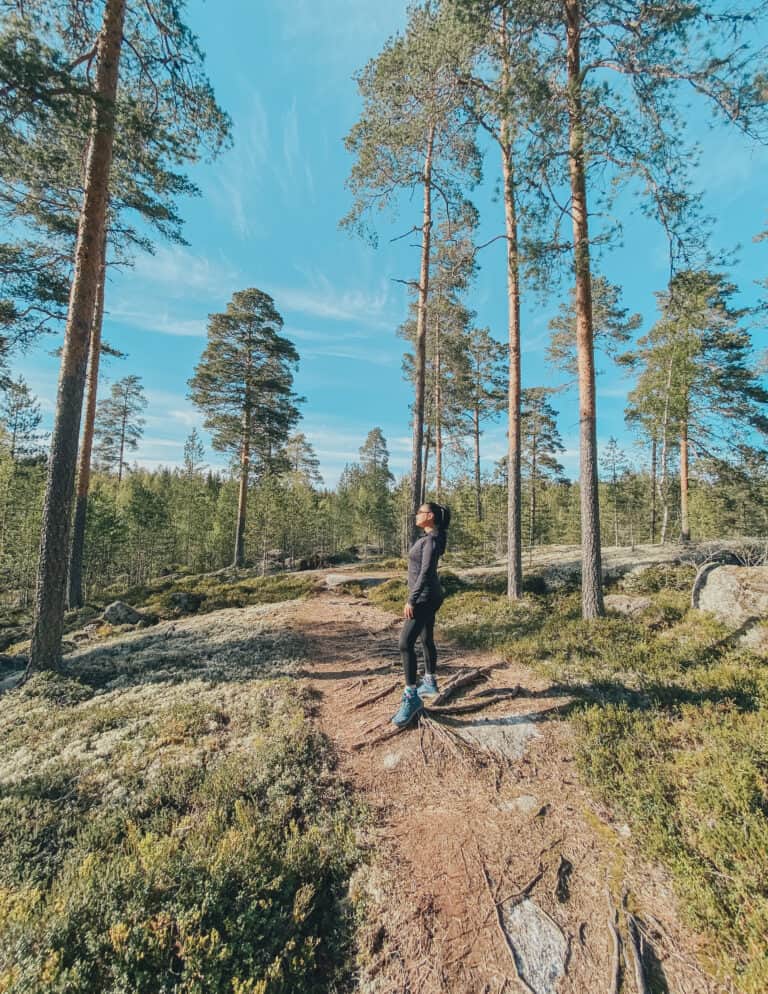
The Finnish hiking season runs late May through September with peak weeks in late June through July. The reference trails cover Karhunkierros (Bear’s Ring, Oulanka National Park, 82 km, 4 to 5 days) in northeast Finland near Ruka, Hetta-Pallas (55 km, 3 to 5 days) in Pallas-Yllastunturi National Park in western Lapland, and the Kungsleden extension into Finnish Lapland from Sweden. Day-hike alternatives include Koli National Park summit (4 hours round-trip), Nuuksio National Park near Helsinki (multiple loops 2 to 6 hours), and Repovesi National Park near Kouvola. Pack proper hiking boots, layered waterproof clothing, mosquito repellent, and either a tent or hut booking (the Finnish national parks run open lean-to shelters free of charge).
Read also: top day trips from Helsinki for the Nuuksio National Park day-hike context.
11. Practical Packing for Finnish Summer
Finnish summer weather is generally mild but variable. Helsinki and southern Finland run 15 to 25 Celsius across June to August with occasional 28 to 32 Celsius heat waves in July and frequent rain showers. Lapland summer runs 10 to 22 Celsius with cooler nights and the mosquito concentration that defines the deep-summer Lapland experience. Pack lightweight layers (merino t-shirts, fleece or light down for cool evenings), a lightweight raincoat, polarized sunglasses (the high-angle long-day summer sun is intense), a swimsuit, and mosquito repellent at 30 percent DEET for Lapland trips. Sunscreen matters more than visitors expect; the summer Finnish sun reaches similar UV levels to southern Europe across the long daylight days.
Read also: is Finland expensive for the summer-peak pricing context that shapes the packing-and-budget plan.
12. When to Visit, June vs July vs August Trip Shapes
The three summer months produce three meaningfully different Finland trip shapes. June suits Juhannus midsummer (third weekend), the start of the white-night season, and the lowest-mosquito early summer; berry season has not started. July is the absolute peak with maximum daylight, warmest water temperatures, the festival calendar density, and the highest accommodation pricing; book 8 to 12 weeks ahead. August holds the strongest combined-experience window with berry season peak, slightly cooler temperatures, the Flow Festival mid-month, and the beginning of late-summer-shoulder rates. The strongest single summer trip shape lands late June through early July covering Juhannus plus a Lapland midnight-sun extension plus a Helsinki city anchor.
Read also: 10-day Finland and Lapland itinerary for the trip-shape sequencing that fits the summer Finland visit.
Combining Juhannus, Lapland midnight sun, and a mökki cottage week into the summer Finland trip?
The Ultimate Europe Trip Planner sequences the summer city and Lapland legs into the itinerary in one editable document.
Frequently Asked Questions
When is midnight sun in Finland?
True 24-hour midnight sun runs late May through mid-July at the Arctic Circle (Rovaniemi, June 6 to July 7), extending into early August at the northernmost points (Utsjoki, Nuorgam at 69 to 70°N get 65 days of true 24-hour sun). Helsinki sits south of the Arctic Circle and does not get true midnight sun; instead it gets “white nights” with the sun dipping just below the horizon for 2 to 3 hours mid-June through late July.
What is Juhannus?
Juhannus is the Finnish summer solstice weekend, typically the third weekend of June, and the second-biggest Finnish holiday after Christmas. Almost every Finnish family heads to a summer cottage (mökki) with the standard rituals: kokko bonfires at lakeside locations, sauna sessions extending past midnight, fresh herring and new potatoes with dill, juhannussima homemade lemon mead. Cities empty out as residents leave for cottage country.
What are the best summer festivals in Finland?
Tuska metal festival (Helsinki, late June), Provinssirock (Seinajoki, early July), Pori Jazz (mid-July, the country’s most-recognized music festival), Savonlinna Opera Festival (July, in medieval Olavinlinna castle), Flow Festival (Helsinki, mid-August, indie and electronic), and Kuhmo Chamber Music (mid-July, world-class chamber music in eastern Finland) anchor the Finnish summer music calendar.
How do I rent a Finnish summer cottage?
Mökki rentals for non-Finnish visitors are widely available across the Saimaa Lakeland, Mikkeli, Kuopio, and broader central-Finnish lake districts at EUR 100 to EUR 300 per night through booking platforms including Lomarengas and Nettimökki. Most include a wood-burning lakeside sauna, basic kitchen, beds for 4 to 8, and lake access. Book 3 to 6 months ahead for July peak; September shoulder rates run 30 to 50 percent lower.
Are there mosquitoes in Finland in summer?
Yes, particularly in Lapland from late June through August. Helsinki and southern Finland mosquito concentrations are mild and rarely affect city visits. Lapland mosquitoes are intense in the marsh and forest interior with peak weeks late June through late July; pack 30 percent DEET repellent for Lapland hiking trips. The mökki cottage areas in central Finland fall between the two: mild near the lakeside breeze, heavier in the surrounding forest. Long sleeves and trousers at dusk make a meaningful difference.
Is summer a good time to visit Finland?
Yes. Summer delivers the midnight sun in Lapland, the Helsinki white nights, the Juhannus festivities, the mökki cottage culture, the berry-picking season, the strongest music festival calendar, and the warmest swimming and sauna conditions. The trade-off is the highest accommodation pricing of the year (book 8 to 12 weeks ahead for July) and the Lapland mosquitoes. For most travelers wanting the strongest single Finnish trip, late June through July is the peak window.
Key Takeaways
- Midnight sun runs late May through mid-July at the Arctic Circle; Helsinki gets “white nights” mid-June through late July.
- Juhannus midsummer (third weekend of June) is the second-biggest Finnish holiday with mökki cottage traditions, kokko bonfires, sauna.
- Mökki season runs June through August; about 500,000 summer cottages across Finland define the central Finnish summer identity.
- Festival calendar holds Pori Jazz, Savonlinna Opera, Flow Festival, Provinssirock, Tuska, and Kuhmo Chamber Music.
- Pack mosquito repellent for Lapland trips, lightweight layers, swimsuit, polarized sunglasses; July peak books 8 to 12 weeks ahead.
Final Thoughts
Finnish summer delivers the country’s most-distinctive natural and cultural experiences in a tight 12-week window: the midnight sun in Lapland, the white nights in Helsinki, the Juhannus mökki weekend, the 500,000-cottage lakeside culture, the heavy festival calendar, the berry-and-mushroom forest abundance, and the warmest swimming-and-sauna conditions of the year. The strongest single summer trip lands late June through early July combining Juhannus, the midnight sun, and the white-night Helsinki anchor. For the next reads, the 7-day Finland itinerary and the Archipelago Trail summer road-trip guide connect the summer trip into the broader trip plan.
The peak summer holiday is covered in the Midsummer Juhannus guide.
For dedicated midnight-sun viewing, the where to see the midnight sun guide covers the 12 best locations.