Quick Answer: Turku is Finland’s oldest city and former capital (1812 capital transferred to Helsinki), located on the southwest coast 170 km west of Helsinki at the mouth of the Aura River. Population about 200,000. Reach Turku via train from Helsinki (2 hours, €15 to €45 advance). The 12 top experiences cover Turku Castle (1280s medieval), the Cathedral, Aboa Vetus and Ars Nova combined museum, the Aura River summer cafe boats, the Forum Marinum maritime museum, Naantali and Moomin World day-trip, the Luostarinmaki Handicrafts Museum, the Sibelius Museum, and the Turku Art Museum.
Turku is the medieval anchor of Finland. Founded in the 13th century and serving as the country’s capital until 1812 (when Russia transferred the capital to Helsinki to consolidate the new Grand Duchy’s administrative center further east), Turku holds the largest concentration of medieval architecture and historic-Finnish-state institutions in the country. The Turku Castle on the Aura River mouth (built starting 1280) and the Turku Cathedral on the central hill (consecrated 1300) anchor a city character defined by deeper time depth than any other Finnish urban destination.
Beyond the medieval layer, contemporary Turku is the second-most-important Finnish city for design and cultural programming after Helsinki. The Aura River runs through the central city with summer cafe boats (the famous “river boats” that operate as floating restaurants from May through September), strong contemporary art museums, and the broader Turku university scene providing the youthful counterpoint to the medieval institutional weight. The city also serves as the southern gateway to the Archipelago Trail and the Aland Islands ferry routes.
Turku reads as a 2 to 3-day standalone visit or as the base for a 5 to 7-day southwest Finland coastal trip combining the Archipelago Trail, Naantali (with Moomin World), Rauma (UNESCO wooden Old Town), and Hanko. The 2-hour train from Helsinki keeps the city accessible for travelers extending beyond the capital; the ferry connections to Stockholm and Mariehamn make Turku the natural multi-country trip hub for the broader Scandinavia exploration.
Planning the southwest Finland coastal trip combining Turku, Naantali, Moomin World, the Archipelago Trail, and Aland Islands?
The Ultimate Europe Trip Planner sequences the southwest Finland coastal trip in one editable document.
Turku Travel Essentials
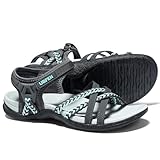
Six items worth packing for the Turku visit; the comfortable walking shoes for the medieval-cobblestone streets and a camera for castle and cathedral photography are the highest-value items.




Recommended blogs to read:
- Naantali and Moomin World
- Archipelago Trail Finland
- things to do in Aland Islands
- castles in Finland guide
- things to do in Finland
12 Top Things to Do in Turku
The 12 things to do below cover the realistic 2 to 4-day Turku visit with medieval heritage, contemporary art, and the Aura River summer scene as the three primary threads.
1. Turku Castle (Built 1280s)
Turku Castle (Turun linna) is one of the oldest and largest surviving medieval castles in the Nordic countries. Construction began in the 1280s and continued through the 1500s; the structure served as the administrative center of Swedish rule over Finland for centuries. Entry €13 adult; closed Mondays in winter. Allow 2 to 3 hours. The castle includes the original medieval rooms, restored Renaissance halls, the castle church, the historical museum, and the dungeon area. Reach the castle via local bus 1 from the central market square (10 minutes, €4) or a 30-minute walk along the Aura River. The castle sits at the river mouth near the modern Turku passenger harbor.
Read also: UNESCO World Heritage sites in Finland for the broader Finnish heritage-architecture context.
2. Turku Cathedral (Consecrated 1300)
Turku Cathedral (Turun tuomiokirkko) is the mother church of the Finnish Evangelical Lutheran Church and the oldest medieval cathedral in Finland. Consecrated in 1300, the cathedral has undergone multiple rebuildings after fires (most significantly after the Great Fire of Turku in 1827) but retains the original medieval stone walls and the central altar area. Free entry, open daily 9:00 to 19:00 in summer (reduced winter hours). Allow 60 to 90 minutes. The cathedral is in active religious use; check service times. The small adjacent cathedral museum (€2 extra) covers the church history and houses preserved medieval ecclesiastical artifacts.
Read also: facts about Finland for the broader country-historical context.
3. Aboa Vetus and Ars Nova Combined Museum
Aboa Vetus and Ars Nova (Old Turku and New Art) is the combined archaeology-and-contemporary-art museum on the Aura River. The Aboa Vetus section exhibits the excavated medieval city ruins discovered during the museum’s 1990s construction; visitors walk through the original medieval street level preserved beneath the modern building. The Ars Nova section hosts rotating contemporary art exhibitions. Entry €15 adult; closed Mondays. Allow 90 minutes to 2 hours. The combination delivers an unusually strong before-and-after view of Turku’s urban evolution. The museum cafe operates with strong Finnish-Nordic lunch options at €12 to €20.
Read also: best museums in Finland for broader museum-tour planning.
4. Aura River Cafe Boats (Summer Only)
The Aura River cafe boats (joelaivat) are the iconic Turku summer experience: 8 to 10 historic and contemporary boats moored along the central Aura River operate as restaurants and bars from early May through late September. The boats include Wienerwald, S/S Bore (a restored 1960 passenger ship), and several smaller cafe-boat operations. Pricing varies: cafe coffee and pastry €6 to €12, mains €18 to €35, cocktails €10 to €15. No reservations needed for cafe-boat seating during summer weekday afternoons; book ahead for July weekend evenings. The boats provide the strongest single Turku-summer atmosphere and pair naturally with the riverside walking tour.
Read also: best cafes in Helsinki for the cross-city cafe scene comparison.
5. Forum Marinum Maritime Museum
Forum Marinum is the Finnish national maritime museum located at the Turku harbor 2 km southwest of the central city. The museum holds 5 historic ships moored as floating exhibits including the 1902 sailing barque Sigyn (open for boarding), the WWII-era Karjala submarine, and the modern Keihässalmi minelayer. The indoor exhibits cover Finnish maritime history, shipbuilding heritage, and the broader Baltic Sea naval history. Entry €15 adult (€20 with ship-boarding upgrade); closed Mondays. Allow 3 hours for the full visit. Reach via local bus 1 from the central market square or a 25-minute walk along the river.
Read also: Helsinki to Stockholm ferry for the broader Baltic Sea ferry context.
6. Naantali and Moomin World Day-Trip
Naantali, 16 km north of Turku, is the spa town home to Moomin World theme park (operating June through August). Reach via Föli bus 6A from Turku city center (25 minutes, €4 single ticket). The 5 to 7-hour day-trip covers Moomin World (€42 adult, €36 child entry), the Naantali Old Town walking tour, the harbor cafe scene, and the Naantali Convent Church. Families with kids ages 3 to 12 find Moomin World the headline experience; travelers without kids find the Naantali Old Town and harbor scene independently rewarding. Combine with the optional Saturday tour of the Kultaranta presidential summer residence (€15, advance booking required).
Read also: Finland with kids for family-trip context around the Moomin theme park.
7. Luostarinmäki Handicrafts Museum
Luostarinmäki Handicrafts Museum (Luostarinmäen käsityöläismuseo) is the only surviving block of pre-Great-Fire-of-1827 Turku architecture, preserved as an open-air museum of 18 historic wooden buildings on a small hill in central Turku. The museum recreates 18th and 19th-century Turku craftsmen workshops including blacksmith, shoemaker, baker, printer, and weaver demonstrations with costumed staff during summer operating hours. Entry €15 adult; open daily June through August (reduced hours other months). Allow 2 to 3 hours for the full open-air walking tour. The annual Handicrafts Days event in mid-August brings the full living-history experience with traditional Finnish craft demonstrations.
Read also: visit Rauma Finland for the larger UNESCO wooden-Old-Town comparison.
8. The Sibelius Museum
The Sibelius Museum (Sibelius-museo) is Finland’s only museum dedicated to music as a discipline, named for Finland’s most-famous composer Jean Sibelius (1865-1957). The museum sits in a 1968 brutalist concrete building near the cathedral and holds an extensive collection of historic musical instruments from across Europe and Asia plus Sibelius-specific exhibits covering his life and compositions. Entry €8 adult; closed Mondays. Allow 90 minutes. The museum hosts free Wednesday-afternoon concerts (15:00, September through May) using instruments from the collection. The architectural-and-musical combination makes this an unusual single museum visit.
Read also: famous Finnish people for the broader Sibelius cultural context.
9. Turku Art Museum
Turku Art Museum (Turun taidemuseo) holds one of the strongest collections of Finnish 19th and 20th-century art outside Helsinki, with particular focus on Finnish national-romantic painters (Akseli Gallen-Kallela, Albert Edelfelt, Pekka Halonen) and contemporary Finnish design. The museum sits in a 1904 Finnish National Romantic building near the cathedral; entry €12 adult; closed Mondays. Allow 90 minutes to 2 hours. The Turku Art Museum complements the Aboa Vetus and Ars Nova combined museum to provide the broader Finnish-art-historical layer of the city visit. The small museum cafe operates with traditional Finnish lunch options.
Read also: art museums in Helsinki for the cross-city Finnish-art tour planning.
10. Turku Market Square and Market Hall
The Turku Market Square (Turun kauppatori) is the central daily summer market with stalls selling local produce, baked goods, fresh fish from the southwest coast, and craft items. The adjacent Turku Market Hall (Turun kauppahalli), built in 1896 and recently restored, houses 40+ small vendors operating year-round with strong Finnish-Nordic food including the famous Turku black sausage (mustamakkara, the regional specialty served with lingonberry jam) at €4 to €8 per portion. Open Monday to Saturday 08:00 to 18:00; closed Sundays. Allow 60 to 90 minutes including the food-tasting stops. The market is steps from the central station.
Read also: traditional Finnish food for broader Finnish regional-cuisine context.
11. Archipelago Trail Starting Point
Turku is the gateway to the Archipelago Trail (Saaristotie), the 250-km ring route through the Turku archipelago covering 12 inhabited islands connected by 8 bridges and 9 ferries. The trail starts and ends in Turku with the standard 4-day counterclockwise loop running through Nauvo, Korpoo, Houtskar, Iniö, and back via the eastern islands. Rental cars from Turku Airport or central station are the standard travel method; bicycle is the athletic alternative. The trail is best driven mid-May through mid-September when all seasonal ferries operate. Travelers can also do a shorter 2-day Pargas-and-Nauvo version as a Turku day-trip block.
Read also: islands in Finland for the broader Finnish-archipelago context.
12. Aland Islands Ferry Departure
Turku is the southern Finnish ferry departure point for the Aland Islands and onward Stockholm connections. The Turku to Mariehamn ferry (Viking Line and Eckerö Line) runs daytime at 5 hours and €60 to €120 per car each way; the Turku to Stockholm ferry (Viking Line and Tallink Silja) runs overnight at 10 hours and €90 to €230 per person including cabin. Both ferries depart from the Turku passenger harbor near the castle. Book 2 to 4 months ahead for July departures. The ferry departure makes Turku the natural multi-country trip hub for travelers extending Finland with Sweden or Aland trips.
Read also: Helsinki to Tallinn ferry for the eastern-Baltic ferry option comparison.
Getting to Turku from Helsinki
Train via VR Group from Helsinki Central to Turku takes 2 hours with departures every 30 to 60 minutes at €15 to €45 advance booking. The Pendolino high-speed trains complete the route in 1 hour 50 minutes; standard intercity trains take 2 hours 10 minutes. Bus options (Onnibus and Matkahuolto) run the same route in 2.5 hours at €10 to €25. Finnair operates limited flights from Helsinki to Turku Airport but the time savings versus the train is minimal. By rental car, the Helsinki to Turku drive takes 2 hours via Highway 1 (E18). The same Highway 1 connects onward to Hanko and the southern coastal trip.
Extending Turku with Naantali, the Archipelago Trail, Aland Islands, and Stockholm ferry for a 7 to 10-day southwest Finland and Sweden coastal trip?
The Ultimate Europe Trip Planner sequences the multi-country coastal trip in one editable document.
Frequently Asked Questions
Why is Turku Finland’s oldest city?
Turku was founded in the 13th century as a Swedish trading post and cathedral seat, and served as Finland’s capital from the medieval period until 1812 when Russia transferred the capital to Helsinki. The Turku Castle (1280s) and the Turku Cathedral (1300) are the two oldest surviving monumental buildings in Finland. The city holds the deepest medieval-historical layer of any Finnish urban destination.
How do I get to Turku from Helsinki?
Train via VR Group takes 2 hours with departures every 30 to 60 minutes at €15 to €45 advance booking. The Pendolino high-speed trains complete the route in 1 hour 50 minutes. Bus runs 2.5 hours at €10 to €25. By rental car, the drive is 2 hours via Highway 1.
How many days do I need in Turku?
2 to 3 days for the standard visit covering Turku Castle, Cathedral, Aboa Vetus, Aura River cafe boats, and Forum Marinum. 4 days adds the Naantali day-trip plus the Luostarinmäki, Sibelius, and Turku Art museums. 5 to 7 days for travelers extending with the Archipelago Trail or Aland Islands ferry.
When is the best time to visit Turku?
Late May through August for the open Aura River cafe boats, the Luostarinmäki living-history demonstrations, and the warm-weather harbor scene. Year-round for the cathedral, castle, and indoor museums. September catches autumn color with quieter conditions and 25 to 35 percent off summer hotel rates.
Should I stay in Turku or day-trip from Helsinki?
Stay 2 to 3 nights. The 2-hour Helsinki-Turku train allows a day-trip but the visit feels rushed; the medieval cathedral and castle alone justify a full day each. The Aura River cafe boat scene also rewards an overnight stay with evening dining and the late-summer twilight atmosphere that day-trippers miss.
Can I take a ferry from Turku to Sweden?
Yes. The Turku to Stockholm ferry (Viking Line and Tallink Silja) runs overnight at 10 hours and €90 to €230 per person including cabin. Multiple daily departures. The same ferry route can be combined with the Aland Islands day-stop. Book 2 to 4 months ahead for July departures.
Key Takeaways
- Turku is Finland’s oldest city and former capital (until 1812); population 200,000; 2 hours by Pendolino train from Helsinki.
- Top 12 experiences: Turku Castle (1280s), Cathedral (1300), Aboa Vetus and Ars Nova, Aura River cafe boats, Forum Marinum, Naantali day-trip, Luostarinmäki, Sibelius Museum, Art Museum, Market Hall, Archipelago Trail gateway, Aland and Stockholm ferries.
- Reach via Pendolino train (2h, €15-€45) or rental car (2h via Highway 1) from Helsinki.
- Allow 2 to 3 days for the standard visit; 4 days adds Naantali day-trip; 5 to 7 days extends with Archipelago Trail or Aland Islands.
- Natural multi-country trip hub for the broader Sweden, Aland, and Archipelago coastal extension via ferry.
Final Thoughts
Turku is Finland’s medieval anchor and the natural second-or-third city after Helsinki on most Finland trips. The 2-hour Pendolino train combined with the strongest concentration of medieval architecture in the country, the Aura River summer scene, and the ferry connections to Sweden and Aland deliver a meaningfully different Finnish urban experience. Build the visit around 2 to 3 days; extend with Naantali, the Archipelago Trail, or the Aland Islands for the broader southwest Finland coastal trip.
For the broader trip context, the places to visit in Finland guide covers regional destinations across the country, and the best time to visit Finland guide covers seasonal timing trade-offs.