
Finland’s most compelling places to visit span a remarkable range: Helsinki’s design-forward waterfront capital, the aurora-lit forests of Lapland, medieval Turku along the Aura River, and a lake district covering nearly a fifth of the country. The best time to visit depends on what you’re after, with each season delivering something entirely different from the one before it.
Finland tends to surprise people. They arrive expecting quiet forests and cold weather, and they find those things, but they also find one of the most well-designed urban environments in Europe, some of the most accessible wilderness on the continent, and a culture that takes coffee, saunas, and the outdoors with equal seriousness. Places to visit in Finland reward travelers who slow down and pay attention.
Whether you’re planning a city break to Helsinki, a winter trip to see the Northern Lights in Lapland, or a summer road trip through the lake region, this guide covers the destinations worth prioritizing and the things that make each of them worth the journey.
Traveling Finland on a budget?
Scandinavia isn’t cheap, but with the right planning it’s absolutely manageable. The Ultimate Budget Planner keeps your travel fund on track from the first booking to the last coffee. Get it here →
Recommended Gear for Finland Travel

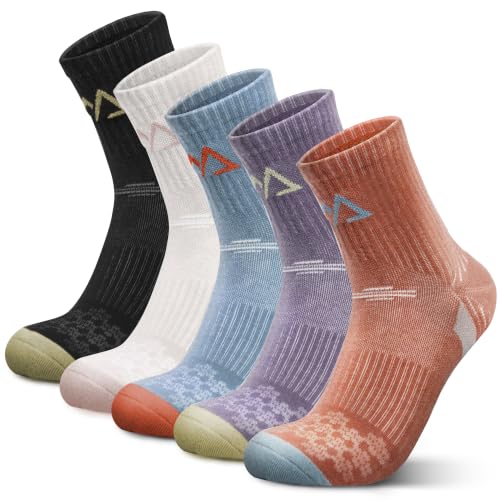
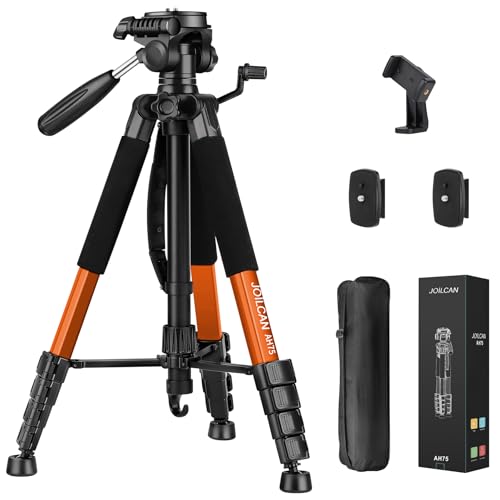


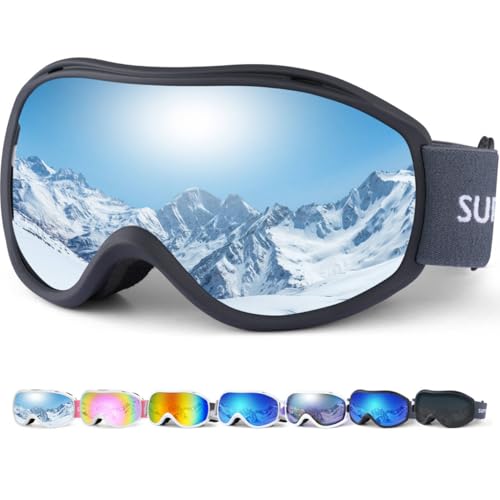
Helsinki: Design, Sea, and a City That Does Everything Well
Helsinki sits at the edge of the Gulf of Finland with the kind of confident, unhurried energy that makes it easy to spend more time there than planned. It’s a compact capital that walks well, with most of the major attractions within range of each other along the waterfront or in the center.
Senate Square and Helsinki Cathedral form the traditional starting point for visitors, the neoclassical cathedral rising above a broad cobblestone square that looks like it was built to impress and more or less succeeds. The nearby Market Square along the harbor sells local produce, fish, and handicrafts in summer, with vendors spilling out onto the waterfront from early morning. Suomenlinna Sea Fortress, a UNESCO World Heritage Site sitting on a cluster of islands just a short ferry ride from the city center, is one of the best half-day excursions in the country.
The Design District is where Helsinki shows its actual character: independent boutiques, furniture shops, galleries, and cafes clustered in a walkable neighborhood that makes Helsinki’s reputation as a design capital feel earned rather than just marketing. If you’re building a broader Nordic itinerary, the wider European experience circuit pairs well with a few days here.
Lapland: Aurora Borealis, Reindeer, and the Arctic Dark
Finnish Lapland is one of those places where the experience exceeds what you imagined before you went. The Northern Lights, when they appear (November through March is the window, with February and March offering the best combination of clear skies and extended darkness), are unlike anything in photographs. The silence of the forest in deep winter, the reindeer herds moving across the snow, and the specific quality of Arctic light at noon in January are all genuinely singular.
Rovaniemi is the capital of Finnish Lapland and the official home of Santa Claus Village, which draws families from across the world in December. Beyond the Christmas theater, it’s a proper city with good restaurants, excellent wilderness tour operators, and direct flights from Helsinki. Husky safaris, snowmobile excursions, and reindeer sleigh rides are all organized from here with solid infrastructure.
Levi is Finland’s most popular ski resort and works well as a Lapland base if skiing is part of the plan. Saariselkä is quieter and closer to Urho Kekkonen National Park, one of Finland’s largest and wildest. For the cleanest Lapland experience with the least tourist infrastructure, the remote fell region around Kilpisjärvi sits at the junction of Finland, Norway, and Sweden and is as close to untouched wilderness as Europe offers.
Turku: Finland’s Original Capital
Turku holds a specific place in Finnish history as the country’s oldest city and its former capital before Helsinki took over in 1812. It shows in the medieval architecture: Turku Castle, dating to the 13th century and sitting at the mouth of the Aura River, is one of the best-preserved medieval castles in Scandinavia. Turku Cathedral, a couple of kilometers upstream, is Finland’s national shrine and has been the country’s most important church since the 13th century.
Modern Turku works well as a city too. The riverbanks along the Aura have been developed into a pleasant walking and cycling corridor lined with restaurant boats and outdoor terraces that fill up from May through September. The city has a strong student population and a cultural calendar that runs year-round. The Turku Archipelago, accessible by ferry from the city harbor, is one of the most beautiful and undervisited parts of Finland: thousands of islands, quiet cycling routes, and a landscape that looks nothing like the mainland. If you’re building a packing list for Scandinavia, Turku is worth making room for on the itinerary.
Tampere: Industrial Lakeside City With Real Character
Tampere sits on an isthmus between two large lakes, and the old red-brick factory buildings along the Tammerkoski rapids have been converted into restaurants, markets, galleries, and cultural spaces that give the city a genuinely distinctive feel. It’s Finland’s third-largest city and the one that most Finns will tell you has the best food scene outside Helsinki.
Tampere Market Hall is one of the oldest indoor markets in Finland and the place to go for local produce, Finnish rye bread, and the city’s signature black sausage cooked over charcoal. Särkänniemi, a hilltop amusement park with a rotating observation tower, offers panoramic views across both lakes in summer. The city also has several good museums, including the Lenin Museum (a relic of Tampere’s early 20th-century history as a meeting place for Russian revolutionaries) and the Vapriikki museum complex built into one of the old factory buildings.
The Finnish Lake District: Saimaa and the Blue Interior
Finland has more lakes than any other country in Europe, and the Saimaa lake system in the south-central interior is the largest. The regional town of Lappeenranta makes a practical base: it sits on the shore of Saimaa, has a well-preserved historic fortress, and serves as the jumping-off point for lake cruises and canoe routes that run through hundreds of interconnected waterways.
The Saimaa Ringed Seal, one of the rarest freshwater seals in the world with only around 400 individuals remaining, lives exclusively in this lake system. Seeing one on a kayak or boat tour in the early morning is one of those experiences that is genuinely hard to replicate anywhere else. The lake district is best visited from June through August when the weather allows for water-based activities, but the autumn colors across the birch and pine forests in September are exceptional.
Savonlinna, on an island in the middle of the lake system, hosts the Savonlinna Opera Festival each July inside Olavinlinna Castle, a 15th-century fortress surrounded by water. It’s one of the most atmospheric music venues in the world. Pair it with other underrated European destinations for a trip that covers real ground.
Planning a big Scandinavian trip?
The Savings Tracker’s Planner helps you build your travel fund steadily before you book. Start saving smarter →
FAQ About Visiting Finland
What is the best time of year to visit Finland?
Finland has genuinely distinct seasons, each with specific draws. Summer (June to August) brings the midnight sun, warm temperatures, and access to the lake district and archipelago. Winter (November to March) is ideal for Lapland, Northern Lights, and snow activities. Autumn offers stunning foliage in September and October. Spring can be slow and muddy in April but picks up in May with long daylight hours.
Do I need a visa to visit Finland?
Finland is part of the Schengen Area. EU and EEA citizens can enter freely. US, Canadian, and Australian citizens can visit visa-free for up to 90 days in any 180-day period. UK citizens follow the same rules post-Brexit. Always check current entry requirements for your nationality before traveling.
Is Finland expensive to travel in?
Finland is one of the more expensive countries in Europe, particularly for food and accommodation. Helsinki sits at the higher end of European city costs, while rural and lake district areas can be more reasonable. Budget travelers who cook some of their own food, use hostels, and take advantage of free nature experiences (hiking, swimming, foraging) can manage the costs effectively.
What is Finland best known for?
Finland is best known for saunas (there are more saunas than cars in the country), the Northern Lights in Lapland, the midnight sun in summer, its design culture, Nokia, and consistently ranking at the top of global happiness indexes. The country also has a strong tradition in heavy metal music, which surprises many first-time visitors.
How many days do you need in Finland?
A minimum of five days gives you enough time to see Helsinki properly and make one additional trip to Lapland or the lake district. A week to ten days allows for two regions plus a day or two in Turku or Tampere. For a thorough trip covering Helsinki, Lapland, the lake district, and the archipelago, two weeks is the right amount of time.
Can you see the Northern Lights in Helsinki?
Rarely. Helsinki is too far south and too light-polluted for reliable aurora viewing. For the Northern Lights, you need to travel to Lapland, particularly areas north of Rovaniemi. The best aurora conditions occur in February and March when nights are long, skies are clearer, and solar activity peaks.
Key Takeaways
- Helsinki is one of the most livable and walkable capital cities in Europe, with a strong design culture and excellent waterfront attractions
- Finnish Lapland is the only place in Europe to reliably see the Northern Lights from established tourist infrastructure, with Rovaniemi as the main hub
- Turku and Tampere both offer distinctive experiences that most visitors to Finland miss entirely by staying only in Helsinki
- The Finnish Lake District, particularly the Saimaa system, is best in summer and offers some of Europe’s most unspoiled canoe and kayak routes
- Winter and summer are both strong seasons to visit, but they offer completely different experiences, so the best time depends on your priorities
- Finland is expensive, but free access to wilderness, public transport, and budget accommodation options make it manageable with planning
Final Thoughts on Finland
The places to visit in Finland span a range that few countries of comparable size can match: a design-forward capital that consistently sits among Europe’s most livable cities, an Arctic wilderness that produces some of the most otherworldly travel experiences on the continent, a medieval river city with a coastline archipelago attached, and a vast interior lake system that remains largely undiscovered by international visitors. Finland rewards travelers who go in knowing what they’re looking for and take the time to get beyond the most obvious stops. The country has been called the happiest in the world for several years running, and spending time here, you start to understand why. If Scandinavia has you planning your next adventure, our guide to things to do in Skagen, Denmark is worth a look.
I will definitely consider visiting some of these places in the near future. Thank you for this insightful article.
Finland is breathtakingly beautiful! I would love to visit Kemi and Savonlinna. These places are truly like dream destinations. Is there any best time to visit?
Hi Rashmi! Thank you for dropping by. The best time to visit depends on you and what you want to do. Normally we recommend to visit during summer as Finnish winter can be harsh for some foreigners but if you do want to experience the Northern lights, skiing, and other winter sports then of course winter is the best time to visit 🙂
Finland is truly a magical place would love to venture off here especially in the Lapland regions to seethe northern lights.
This email doesn’t need to be published, either. You are in serious need of proofreading here, half the time one doesn’t even know what country one is in… I volunteer, since obviously you don’t have anybody yet.
Not sure what you mean by “half the time one doesn’t even know what country one is in”. I’m pretty sure I know I’m in Finland if I’m in it?
Wow these are all great spots. Reminds me of my time in Finland as an exchange student. Beautiful country with a lot of nature to explore
Thanks, Philip! Hope you enjoyed your time here in Finland 🙂
Love the article. My family and I Had a wonder 11 days in Finland last year. I wish we had more time to explore all the cities in the article.
However, you haven’t mentioned the Naantali home of Moomin world, or Saarisëlka with its charm and the famous Kakslauttanen arctic resort, where Santa lives.