Quick Answer: The best experiences in Europe sort by what you actually do. Boat and sea experiences: Norwegian fjord cruise, Greek island sailing, Croatian flotilla. Train and road experiences: Glacier Express, Bernina Express, Iceland Ring Road. Food and cellar experiences: Bordeaux wine harvest, San Sebastián pintxos, Tuscany olive oil. Music and festival experiences: Iceland Airwaves, Salzburg Festival, Glastonbury. Wildlife and nature: Norwegian aurora, Polish bison, Sardinian flamingos. Architecture and museum: Vatican Sistine private tour, Sagrada Família morning light, Acropolis sunrise.
Last updated: May 2026 · Prices and opening hours verified May 2026.
Ask anyone what they want from a trip to Europe and you’ll usually get a country back. Italy. Iceland. Spain. The truth is messier. What they actually want is the smell of crushed grapes in a Bordeaux barrel hall, the moment the Northern Lights start to move overhead, the slow midday pause when a Croatian harbour town reopens after lunch. The destination is the wrapper. The experience is the gift inside, and the wrapper is the easy part to get wrong.
Flip the question and the trip writes itself. Whale-watching as the anchor sends you to Tromsø in January or the Azores in July depending on which whales you’re chasing. Night-sky obsession lands you in the Faroes, Icelandic interior, or La Palma in the Canaries. A craving for serious wine country lands you in Bordeaux, Burgundy, Tuscany, the Douro, or Rioja, and the choice between them turns out to be the actual planning question. Pick the verb, the noun follows.
What follows splits Europe’s strongest experiences into six honest categories: boat and sea, train and road, food and cellar, music and festival, wildlife and nature, and architecture and museum. Inside each, the trips that genuinely earn the airfare. For the bucket-list framing of the same question, the Europe bucket list guide handles the once-in-a-lifetime version. For the country-first lens, the most beautiful countries guide takes that angle.
Reframing the trip around the experience that you actually want to remember?
The Ultimate Europe Trip Planner builds trips outward from the activity rather than inward from the destination. Pick the experience and the route, accommodation, season, and gear all follow logically rather than forcing the activity to fit a destination chosen first.
Travel Gear for the Experience-Led Trip
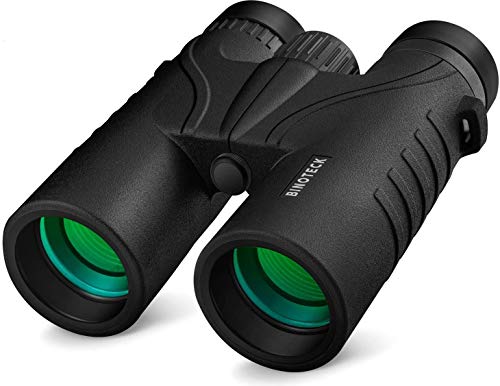
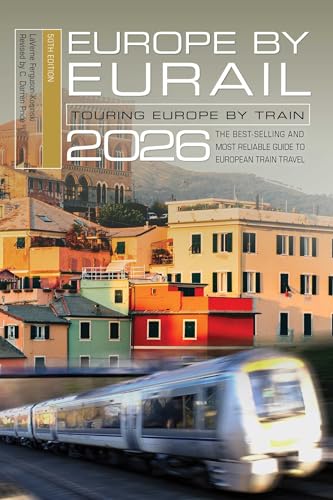
Experience-anchored trips usually involve more specific kit demands than destination trips. Outdoor activities, multi-day train journeys, wildlife observation, and food tours each have their own gear considerations.





What Are the Best Boat and Sea Experiences in Europe?
Something happens to a trip the moment the engine cuts and the only sound is hull against water. Europe’s coastline runs jagged enough, and its inland seas and fjords cut deep enough, that some of the continent’s strongest holidays happen entirely afloat. These are the boats worth booking.
Norwegian Fjord Cruise (Norway)
Twelve days, 34 ports, the entire western coastline unspooling outside the cabin window. The Hurtigruten coastal express still carries postal sacks and crates of cod alongside its passengers, which is why it feels nothing like a cruise; on day three the boat crosses the Arctic Circle, and somewhere around day six the light stops behaving like light should. Winter sailings come with the chance of aurora burning overhead while the ship pushes north through Vesterålen; summer sailings come with sun that simply refuses to set. Shorter 3-to-5-day cuts on Hurtigruten or rival Havila work if a fortnight is too much, and the small-boat day trips through Geirangerfjord and Nærøyfjord are the postcard version. The Norway travel guide handles the rest of the country.
Greek Island Sailing (Greece)
Once the rope is cast off in Athens and the sails fill with the meltemi, the Mediterranean stops being a destination and starts being a route. The Cyclades circuit (Mykonos, Paros, Naxos, Santorini) draws the white-cubed postcard sailors; the Ionian chain (Corfu, Paxos, Lefkada, Ithaca, Kefalonia) draws the lush-and-greener kind; the Saronic Gulf works for the long-weekend crowd who can’t quite escape Athens. Bareboat charter needs the qualifications, skippered charter doesn’t, and flotilla sailing (a pack of boats following a lead skipper) is the answer for couples who want company without commitment. The season runs late April to October. July and August bring the strongest winds and the loudest harbours; June and September are the sweet spot. The Greece travel guide takes it from there.
Croatian Flotilla and Yacht Charter (Croatia)
A thousand-plus islands strung along an Adriatic coast the colour of bottle glass, and almost all of them within day-sail reach of one another. Set off from Split or Trogir on a 7-to-10-day loop and the central Dalmatians (Hvar’s lavender hills, Vis’s tucked-away coves, Brač’s white stone, Korčula’s walled old town) deliver themselves one after another. Head north from Zadar or Pula and the Kornati archipelago opens up: 89 islands, almost no infrastructure, just karst and silence. The tiny Pakleni cluster off Hvar adds an afternoon sub-trip. Provisioning is easy, marinas are well-organised, and skippers are everywhere if you don’t want the responsibility. Sail late May through September; July rocks the harbours, June and early September are the gentler picks. The Croatia travel guide covers the wider country.
Sea Kayaking Lofoten (Norway)
Picture this: red wooden fishing huts on stilts, jagged granite spires shooting straight up out of the sea, and a kayak paddle slicing through water so cold it makes your fingertips ache. The archipelago off the north-west coast of Norway has earned its reputation honestly. From sea level the scale recalibrates entirely; the mountains that looked manageable from the road now loom 600m overhead while you slip into a hidden cove. Day-trip outfits run out of Reine and Henningsvær for the cautious; multi-day expeditions with shoreline bivouacs and reindeer for neighbours suit the genuinely committed. Summer (June through August) is the only sensible season. Winter up here turns the sea into something kayaks have no business being on.
Cinque Terre Boat Service (Italy)
From the deck the famous five villages do exactly what they’re meant to: tumble down their cliffs in a Crayola box of yellows and pinks, with laundry lines strung between balconies and a single bell tower per harbour. Looking up from the water rather than down from a train carriage is what the postcard is actually selling you. Running May through October between Riomaggiore, Manarola, Vernazza, Monterosso and Levanto, the boat service rolls a day-pass that lets you hop on and off all afternoon, so you can drink an Aperol in one cove and have dinner two villages along without ever touching a road. Pair it with a morning on the Sentiero Azzurro coastal path and the combination is one of Liguria’s gentlest, most pleasing days.
Helsinki-Tallinn Ferry (Finland-Estonia)
Two hours and eighty kilometres of brackish Baltic separate two of Europe’s most underrated capitals, and the boat ride between them might be the most enjoyable two hours of either city break. Steel-grey water outside, smoked-fish buffet inside, duty-free aisles staffed by deadpan Finns who have seen every kind of stag party imaginable. The crossing runs constantly, multiple departures a day, so you can leave Helsinki at breakfast and be eating black bread under medieval Tallinn’s town hall by lunch. For the proper boat experience, the overnight Helsinki-to-Stockholm ferry on Silja or Viking Line stretches the journey into a 16-hour floating hotel with cabins and a karaoke bar both running until dawn. The Nordic regional guide rounds out the area.
Which European Train and Road Experiences Are Worth Booking?
Sometimes the trip is the point. Europe holds a handful of train rides and one or two road trips where the moving part is the whole experience, where you board for the view rather than the arrival. These are the ones where you’ll spend the whole time wishing the journey were longer.
Glacier Express (Switzerland)
Billed (with a straight face) as the world’s slowest express, this is eight hours of panoramic glass, sliding mountain panoramas and a three-course meal delivered to your seat while the train tilts its way over the 2,033m Oberalp Pass. The route from Zermatt to St Moritz crosses 291 bridges and dives through 91 tunnels, threading three cantons of Switzerland and earning UNESCO status along the way as part of the Rhaetian Railway. Daily departures. Book the panoramic carriage well in advance; the windows curve up over your head and turn the train into a moving observation deck. Bring warm socks, even in summer. Eight hours of pretending to be Wes Anderson goes by faster when your feet are happy.
Bernina Express (Switzerland-Italy)
The shorter, slightly stranger sibling of the Glacier Express. Four hours from Swiss Chur to Italian Tirano, climbing to 2,253m before the famous descent over the Brusio circular viaduct, an actual spiral of railway track that loops around itself like something out of a model-railway hobbyist’s basement, because the gradient was otherwise impossible. The transition from Alpine high country to Italian Valtellina wine country happens in slow motion through the carriage window, glaciers giving way to vineyards in the same afternoon. UNESCO-listed alongside the Glacier Express. Some carriages have open observation windows, which is the proper way to do it as long as you don’t mind your hair leaving Switzerland looking different than it arrived.
Iceland Ring Road (Iceland)
One road, one ring, 1,332 kilometres, and roughly seven to ten days of driving past landscapes that look like film locations because they often are. Route 1 loops the island and ticks off the headliners in sequence: Þingvellir rift, the Geysir geyser, Gullfoss waterfall, Skógafoss, Vatnajökull’s blue ice tongues, the icebergs drifting in Jökulsárlón lagoon, the lonely eastfjords where you might pass three cars in an hour, the lunar Mývatn region, fishing-town Akureyri, the wild Snæfellsnes peninsula on the way back. Summer (June through August) is the gentle version, with proper light and open highland F-roads if you’ve rented a 4WD and know what you’re doing. Winter, with its sideways snow and four hours of daylight, is a different beast entirely and only for drivers who’ve done it before. The Iceland travel guide handles the rest.
Norway in a Nutshell (Norway)
The marketing department’s name for it sounds dorky, but the route itself is one of the most pleasing transit chains in the country: a mountain train across the Hardangervidda plateau, then the dramatic Flåm Railway plunging down to sea level on one of the world’s steepest standard-gauge lines, then a small boat through the slim, cliff-walled Nærøyfjord, then a final train back up. You can compress the whole thing into a long day from Oslo or Bergen if you must, but the version with an overnight in Flåm (tiny village, big silence) lets the trip breathe properly. By the time you’re back at the city you started in, you’ll have spent the best six hours of the trip with your face pressed to a window.
Caledonian Sleeper (Scotland-England)
Boarding at Euston in the rain at 9.15pm and waking up to glassy lochs and red deer in heather is one of the most satisfying tricks in European travel. The overnight sleeper from London runs three Highland services: Inverness, Aberdeen, and Fort William, with the last one delivering the West Highland Line and its showpiece, the Glenfinnan Viaduct (yes, the Harry Potter bridge, complete with the railway buffs who turn up specifically to photograph it). Club rooms come with proper beds and en-suite bathrooms, and the Club Car serves whisky and porridge in roughly that order. The shower the next morning, sliding through Rannoch Moor with a coffee, is one of British rail’s small genuine pleasures.
Picos de Europa drive (Spain)
Most travellers think Spain ends at the meseta, but the country has a whole green Atlantic half tucked up against the Bay of Biscay, and the mountain road circuit through this national park is the way to see it. Switchback up the Desfiladero de la Hermida gorge, push on to the Lagos de Covadonga (alpine lakes reached by a hairpinning road that turns bus-only in high summer), pause in the village of Potes for stew, ride the Bulnes funicular into a hamlet you can otherwise only reach on foot. The wider loop extends along the Cantabrian coast where green cliffs drop into surf, past cider houses and Asturian seafood shacks. Less famous than the Dolomites or the Pyrenees, with Atlantic cloud rolling in over the peaks at 5pm sharp and entirely different food. The Spain travel guide covers the rest.
Food and Cellar Experiences
The best food trips don’t happen in restaurants. They happen in barrel halls and olive groves, at long tables in a vineyard owner’s converted barn, in markets just before they close. Built right, a holiday anchored on food is the most generous kind of holiday there’s, because it sends you to the people who actually make the thing rather than the people who sell it back to you. These are the trips that deliver.
Bordeaux Wine Harvest (France)
Time your visit right and you’ll arrive in the middle of vendange, the high-stakes few weeks every September when the entire region is hunched over with secateurs, hands stained purple, watching the sky for the rain that could ruin a year. Several châteaux in Saint-Émilion (UNESCO-listed and absurdly photogenic, all church spires and pale-stone manors) and along the Médoc peninsula take on visiting pickers for a morning, before turning you over to a long lunch in the courtyard with the team. Sort, press, taste, then sit down to a meal where the wine on the table is the wine you were just standing in. The tourist office in Bordeaux can book the proper tastings between château visits. Aim for the first three weeks of September; the exact peak shifts with the weather every year.
San Sebastián Pintxos (Spain)
If Europe had a single neighbourhood designed for eating, it would be this one. The Parte Vieja of the Basque city compresses something like 200 pintxos bars into roughly seven blocks, and the rule is straightforward: one or two small bites and a small glass at each, then out the door and onto the next. The crawl is an evening’s worth of orchestrated grazing, txakoli white wine, Idiazábal cheese melting on toast, a sliver of pan-seared foie above caramelised apple, all of it under tiled walls and surly bar staff. A local food guide on the first night sorts the originals from the tourist menus, after which you can crawl solo. A 72-hour visit is enough to eat the place properly. A week would be excessive but pleasant.
Tuscany Olive Oil and Wine (Italy)
Sleep on a working farm. Wake to the rooster the family hasn’t yet had the heart to retire. Spend the morning crushing olives or sorting grapes depending on the month, the afternoon learning to roll pici by hand from someone’s grandmother in a kitchen lit by one south-facing window. The agriturismo tradition is genuinely working agriculture that puts up guests on the side; Chianti, Montalcino and Montepulciano supply the wines, while the Val d’Orcia and Crete Senesi provide the pastoral landscape of cypress avenues and hilltop villages that everyone has already seen in their head. Spring (May and June) brings the wildflowers and asparagus; autumn (September and October) brings olive oil and porcini. August is too hot and too crowded. The Italy travel guide covers the rest.
Douro Valley Port Wine (Portugal)
Carved out of slate and basalt and dating back officially to 1756 as the world’s first demarcated wine region, this is the valley that gave port wine to the world, terraces climbing the river banks in patterns that look hand-drawn from above because they essentially were. Stay in a hilltop quinta (estate) where you eat dinner on a terrace watching the sun drop behind the next ridge of vines. By day take a flat-bottomed rabelo boat upriver, the same wooden shape that used to ferry barrels of port down to Vila Nova de Gaia opposite Porto, where the wine still ages in stone-walled cellars facing the sea breeze. Time your visit for the September-October harvest and you can stomp grapes barefoot in granite lagares, the old way, while someone plays accordion. Base in Porto for the urban food side. The Portugal travel guide handles the country.
Rioja Wine Trip (Spain)
This is the part of northern Spain where the wineries look like they were designed for a science-fiction film, because several of them were, sort of. The Frank Gehry titanium curl of Marqués de Riscal, the Santiago Calatrava swoop at Ysios, the Norman Foster steel cube of Bodegas Portia. All sit a short drive from the medieval honey-stone village of Laguardia, which has barely changed in 400 years. By day you’ll move between starchitect wineries and family-run bodegas in equal measure, by night you’ll eat your way through Logroño’s Calle Laurel, which serves pintxos at a different register than San Sebastián (denser, garlicker, more sherry-vinegar) but with equal seriousness. Three or four days is the right length. The wine here forgives you for a fifth.
Tokaj Wine (Hungary)
Louis XIV called it the wine of kings and the king of wines. The honeyed, slow-pour amber of Tokaji Aszú has been turning up at coronations and christenings across central Europe for the better part of 500 years, made from grapes left on the vine until botrytis (noble rot) shrivels them into something concentrated and otherworldly. The region itself, UNESCO-listed across a quiet stretch of volcanic hills in north-eastern Hungary, hasn’t quite caught on with foreign tourism yet. Cellars are still mostly owned by the families that built them, tasting rooms are still mostly someone’s kitchen, and the prices are a fraction of Bordeaux. Spring through autumn works; the autumn picking weeks are the one to time. Bring an empty suitcase.
Music and Festival Experiences
Festivals are the rare trip where you have to be there on the date, not at your convenience. The calendar runs the planning. But for the ones worth showing up for, the date is the whole point. You’re chasing a particular weekend in a particular field or town hall or harbour, and after it’s gone it’s gone for another year. These are the ones to mark in pen.
Iceland Airwaves (Iceland)
Early November, when the sun barely bothers to clear the horizon and the wind tries to peel the paint off the corrugated-iron houses of central Reykjavík. The city’s flagship music festival packs roughly 200 acts into four days of venues, with the official line-up supplemented by what locals call “off-venue” shows, hundreds of unofficial sets in cafés, record shops, hotel lobbies, hot-dog stands and somebody’s living room. New Icelandic bands break here every year and international promoters fly in to find them. Add the chance of aurora overhead on the walk between gigs, plus a population of bartenders that treats hangovers as a competitive sport, and you have one of the best small-city music weekends in Europe.
Salzburg Festival (Austria)
Late July through August in Mozart’s home town, when the international opera circuit and its black-tie audiences quietly take the city over. Productions in the Felsenreitschule (a former riding school carved into the cliff) and the Großes Festspielhaus, orchestral concerts on summer evenings, the traditional open-air staging of “Jedermann” in the cathedral square with bells from the surrounding towers cued to ring on each line of dialogue. Around the festival itself the city does its baroque-toy-town thing, with the Salzkammergut lake district at hand for swim-and-spätzle days between performances. Book tickets and a room six to nine months out. Both vanish faster than you’d believe for something this niche.
Glastonbury Festival (United Kingdom)
For five days in late June, a working dairy farm in Somerset turns into Britain’s fifth-largest city, complete with its own postcodes, hospitals and entirely unpredictable weather. Two hundred thousand people, more than 100 stages, headliners ranging from Paul McCartney to the unsigned band you’ll be telling everyone about next year. The festival is a camping festival, which is the whole secret: tents in fields, sunrise in a stranger’s company at the Stone Circle, the slow walk back through mud and glitter for breakfast. Tickets sell out in minutes when they drop in October or November, and you need to have pre-registered online with photo ID before that. Get the ticket once and you’ll plan your life around the return.
Roskilde Festival (Denmark)
Built by volunteers, run as a non-profit, and unofficially co-owned by 130,000 attendees who pitch their tents in a sprawl of camping zones across a Danish field for ten days every late June and early July. The music is the official headline (around 180 bands across multiple stages) but what makes the festival distinct from its UK and Continental peers is the rest of it: serious art installations the size of small houses, sustainability projects you can actually walk into, and a community-built atmosphere that turns the camping village into a temporary small town. Cheaper than Glastonbury by a noticeable margin. Bring a tarp. The Danish weather will absolutely test it.
La Tomatina (Spain)
Imagine the last Wednesday of August in a small town inland from Valencia. Trucks reverse into the main square loaded with overripe tomatoes. A starting gun fires. For the next two hours, 20,000 people throw fruit at each other in the streets until the entire town is ankle-deep in pulp and everyone’s clothes are unsalvageable. The tradition began as a 1945 punch-up at a parade and somehow became an annual municipal event. Ticketed since 2013, when the crowd ran past manageable. Goggles aren’t optional. Cheap clothes you’ll throw away afterwards. Strange, joyful, mildly insane, and the kind of holiday memory that ages well in the retelling.
Which Wildlife Experiences Should You Book in Europe?
Europe still hides more wildness than the package-tour version of the continent lets on. There are bison-roamed forests, bear-tracked mountains, fjords with whales the size of buses, and skies that catch fire in the right month. The trick is going to where the wildlife actually is, in the season it’s there, with someone who knows where to look.
Northern Lights at Solar Maximum (Norway, Finland, Sweden, Iceland)
The sun is currently halfway through its strongest activity cycle since 2014, with the 2025-to-2027 window throwing out solar storms that are turning the aurora into a near-nightly event above the Arctic Circle. Best base camps: Tromsø, Lofoten and Senja in Norway, Rovaniemi and Saariselkä in Finnish Lapland, Abisko (statistically the clearest skies in Europe) and Kiruna in Swedish Lapland, plus the Reykjanes peninsula and Westfjords in Iceland for the dramatic-coast version. The lights themselves never quite look the way photographs make them look, but in person they move slowly across half the sky and sometimes pulse green through the clouds. Once you’ve seen them you’ll never not turn your face up at the sky after dark. The Northern Lights holiday guide covers the planning side.
Whale Watching from Húsavík and Tromsø (Iceland, Norway)
The fishing town of Húsavík on Iceland’s north coast claims the “whale-watching capital of Europe” title and roughly 99 percent of its summer tours see humpbacks, minkes, sometimes blues and beaked whales surfacing within sight of the wooden boats. The Norwegian version runs in winter, when humpback and orca pods chase herring deep into the fjords around Tromsø and Skjervøy from November through January, and you can be in a small zodiac with a marine biologist when 40 of them surface twenty metres off the bow. Both run out of working harbours with the kind of weathered crews who’d be on these boats whether you were there or not. Cold-weather gear matters more than you’d think; the wind on a winter fjord cuts through anything thinner than serious thermal layers.
Białowieża Bison (Poland-Belarus)
This is what European forest looked like before agriculture, before sawmills, before the rest of the continent was cut down. Białowieża, straddling the border between Poland and Belarus, is the last continuous primeval lowland woodland left, and it holds the largest free-roaming population of European bison on the continent (a species hunted to near-extinction in the 1920s and stitched back from zoo stock). Guided dawn tours into the strict-protection zone on the Polish side, where access is permit-only and you walk in silence with a forest guide who’ll spot tracks you’d never see, deliver the realistic chances of seeing the animals themselves. The forest does its own work even without the bison: enormous moss-bearded oaks, woodpeckers the size of crows, a stillness you don’t get anywhere else this side of the Carpathians.
Brown Bear Watching (Romania, Slovenia, Finland)
About 6,000 brown bears roam the Carpathians, the highest concentration in Europe, and a small industry of guided bear-watching has grown up around Brașov and the Transylvanian villages south of it. The drill: in the afternoon, you walk quietly into a purpose-built wooden hide tucked into a forest clearing where bears come to feed; by dusk a sow and her cubs are usually 30 metres away through reinforced viewing slots, and your job is to keep absolutely still. Slovenia runs the second-most-developed version of this in the Notranjska region, with the bears slightly shyer and the forests slightly more vertical. Finland’s Kuhmo area near the Russian border specialises in photographic hides for the long-lens crowd. Spring and early summer are best, when cubs are out and mothers are hungry. Whisper. Don’t bring perfume.
Flamingo Watching in the Camargue (France) and Sardinia (Italy)
It’s somehow disorientating to find flamingos in Europe. The shocking pink of them against the salt flats of the Rhône delta in southern France, with white horses grazing the marshes and a slightly cowboy gardian tradition of bull-herding still very much alive, makes the southern Camargue feel like its own small ecosystem of strangeness. The Pont de Gau ornithological park near Saintes-Maries-de-la-Mer has reliable year-round viewing from raised wooden walkways. Sardinia has its own population at the Stagno di Cagliari salt pond, just outside the island capital, which fills up in autumn and winter. The birds tilt their absurd legs in shallow water and feed in synchronised loops. Genuinely one of the more peaceful wildlife scenes Europe offers.
Saimaa Ringed Seal (Finland)
About 450 individuals left in the world, all of them living in a single freshwater lake system in eastern Finland, marooned there since the last ice age. The Saimaa ringed seal is one of the rarest seals on the planet, hauling out onto rocks in late spring to warm up after the long winter under the ice. Boat trips from Linnansaari National Park run May through September, with skippers who’ll cut the engine and drift so you don’t disturb the colony. Around the seal-watching, the wider Saimaa lake region delivers the slow, log-cabin, jump-in-the-water-then-into-the-sauna version of Finnish summer that Finns themselves have been quietly enjoying for centuries while the rest of Europe headed to the Mediterranean. The Finland travel guide covers the country.
Architecture and Museum Experiences
Some buildings, and some collections, are the entire reason for the trip. They reward the longer visit, the quieter slot, the morning when the light’s right. The instinct to “tick them off” between other sights doesn’t really do them justice. Block out the half-day, book the early slot, and let one building be the day.
Vatican Museums and Sistine Chapel Private Access (Italy)
By 11am in summer the Sistine Chapel is a room full of people being told repeatedly to please be quiet, while a security guard shouts “no photo” over them. The private 7.30am access, an hour before the doors open to the public, is what it’s supposed to feel like. You walk through the long Raphael gallery with maybe thirty other people, your footsteps audible on the marble, and then you push into the chapel and the ceiling does what it’s meant to do, which is to stop you mid-sentence. Sixty to ninety minutes of relatively empty rooms before the wave arrives. Expensive. Book two months out in peak season. The after-hours evening tour on select nights, lit a little more dramatically and with a fraction of the daytime crowds, runs a close second.
Sagrada Família Morning Light (Spain)
Gaudí’s unfinished basilica in Barcelona is one of those buildings that looks better in person than it does in photographs, which is rare and unusual for anything this famous. The inside is the surprise. Late morning, the stained glass on the east-facing nativity facade throws blues and greens across the white forest of columns that hold up the roof, and the whole interior turns into something underwater. By late afternoon the west-facing passion facade has shifted the whole place to oranges and reds. Book the 9-10am entry slot to catch the morning transition. The central towers are still being built toward a 2026 finish (the 150th-anniversary deadline for Gaudí himself), which means visiting now is also catching the cathedral mid-becoming.
Acropolis at Sunrise (Greece)
Forget queueing with the cruise crowd at the main gate at 9am. The proper way to do this is from Filopappou Hill, a twenty-minute walk west of the Acropolis entrance, where a stone path winds up through olive groves and stray cats. Arrive at 6am in summer or 7am in winter, alone or close to it, with a paper cup of bad coffee from the kiosk that opens at dawn. Watch the first sun crest the eastern ridge and hit the Parthenon’s marble columns, and the whole monument turn briefly the colour of honey. Athens slowly waking around you, dogs starting to bark, the first scooters threading through the streets below. Stay for an hour. Then walk down for breakfast in Plaka before the heat sets in. This is the version of “seeing the Acropolis” you actually want to remember.
Hermitage Museum (Russia, with serious caveats)
Three million items spread across the Winter Palace and four connected buildings in St Petersburg, including a Rembrandt collection most museums would build an entire wing around and a Matisse-and-Picasso holding that’s quietly one of the best in the world. Worth noting honestly: visiting carries serious geopolitical caveats since 2022, and most Western government travel advisories recommend against non-essential travel to Russia. Listed here for completeness, because the collection itself is undiminished and the building is one of the most extravagant interiors in Europe. Check current advisories and your own risk tolerance before any planning. For now, several major touring exhibitions of Hermitage works have travelled to European museums, which is the realistic way to see substantial parts of the collection.
Alhambra Nasrid Palaces (Spain)
Granada’s Moorish palace complex is the densest single building experience in Spain, and the Nasrid Palaces at its heart are the bit you must book separately, well in advance, because they sell out months ahead in summer. The morning entry windows are the prize: low side-light raking across the Patio de los Leones courtyard and through the muqarnas honeycomb ceiling of the Hall of the Two Sisters, where the stalactite plasterwork seems to be slowly dissolving overhead. After the palaces, drift through the cypress-lined Generalife gardens with their fountains running, then leave for the day. Come back at dusk, climb up to the Mirador de San Nicolás in the old Albaicín quarter, order a beer at the café there, and watch the entire complex turn red against the Sierra Nevada. Three hours, three angles, one of the best afternoons in Europe.
Louvre at Closing Time (France)
The world’s most-visited museum is a slow torture during the day. Walk in on a Friday or Saturday night, however, between 8.45pm and 9.45pm, and a different building opens up. The Italian wing is half-empty. The Mona Lisa, which during daylight hours hides behind a 200-person scrum at the velvet rope, can sometimes be approached at conversational distance, with maybe ten people in front of you. The Greek statuary in the long galleries off the Winged Victory staircase is yours. Block out one section per visit (Egyptian, Greek, Italian Renaissance, French Romantic) and treat it like a small focused exhibition rather than attempting the whole thing. It would still take 100 days to spend one minute at every artwork, so don’t try. End at the courtyard outside under the pyramid, which lights up beautifully against the night.
Building a trip around three or four specific experiences rather than starting from destinations?
The Ultimate Europe Trip Planner maps each chosen experience to its best season, the surrounding logistics, and the related experiences that fit naturally in the same trip. The activity-first approach produces routes that the destination-first approach often misses.
| Category | Top experience | Best location |
|---|---|---|
| Sea/boat | Sailing the Croatian islands | Split or Dubrovnik |
| Train | Riding the Glacier Express | Zermatt to St. Moritz |
| Food/wine | Wine harvest in Tuscany | Chianti, September |
| Music/festival | Salzburg Festival | July-August, Austria |
| Wildlife | Whale watching in Iceland | Húsavík, Jun-Aug |
| Architecture | Sagrada Família + Park Güell | Barcelona |
Questions That Come Up About European Experiences
What is the single best experience in Europe?
Depends on which axis you weight. For natural-phenomena experiences, the Northern Lights at solar maximum (2026-2027 specifically) is the most-cited single answer. For architectural-experience visits, the Vatican Sistine Chapel private access. For food experiences, the San Sebastián pintxos crawl. For wildlife, Norwegian fjord whale watching. For musical-festival experiences, the Salzburg Festival. The “single best” answer depends on which category you’d actually use to plan a trip.
Should I plan a trip around experiences or destinations?
Around experiences. Starting with the activity (“I want to taste wine in real wine country” or “I want to see whales in their natural habitat”) produces a more focused trip that the destination-first approach often dilutes. Once the experience is selected, the destination follows logically (Bordeaux for the wine, Tromsø for the whales). The experience-first framing also surfaces destinations that the standard travel-magazine destination-list approach often misses.
What is the best food experience in Europe?
San Sebastián’s pintxos crawl holds the consensus on most-concentrated food experience. Bologna’s aperitivo-and-osteria circuit holds the close second for Italian food density. Tuscany’s harvest agriturismo carries the deeper rural-food experience. The Douro Valley wine trip is the strongest food-and-cellar combination. Each of these is a different category of “best food experience” rather than competing for a single ranking.
Are guided experiences worth the cost?
For experiences with serious access logistics (Vatican private tour, bear-watching hide, certain food tours), yes. The guide handles the logistics, the access permissions, and the deeper context that solo visits often miss. For more straightforward experiences (a Norwegian fjord cruise, a sailing trip with a chartered skipper, a wine-region day-trip with hired transport), the guide is mostly logistics. For experiences you can do completely solo (most train journeys, road trips, walking tours), guides add little. The right answer depends on the specific experience.
What is the most life-changing European experience?
Subjective by definition, but consistently-cited “life-changing” European experiences include: the Camino de Santiago walking pilgrimage, an extended Greek island sailing trip, a solo Norwegian fjord journey, walking parts of Iceland’s interior backcountry, or a deep multi-week food-and-cellar trip through France or Italy. The common pattern: long-format experiences (multi-day rather than single-day) where the rhythm of the activity becomes the trip itself.
How do I find authentic experiences versus tourist traps?
Three reliable approaches. First, book experiences through small local operators rather than international booking platforms (the operators are usually more invested in actual quality). Second, choose experiences with clear local participation (a winery owned by the same family for generations, a guide who lives in the region rather than commutes to it, a festival run by a community rather than promoted by a tourism board). Third, ask the question “would locals do this for fun, or only tourists?”,and let the answer guide the booking.
Key Takeaways
- The best experiences in Europe split by what you actually do: boat-and-sea, train-and-road, food-and-cellar, music-and-festival, wildlife-and-nature, and architecture-and-museum.
- Starting with the experience first and the destination second produces sharper trips than the standard destination-first approach.
- Multi-day experiences (the Camino, fjord cruises, harvest stays) tend to deliver stronger memory than single-monument visits.
- Seasonal timing affects most experiences significantly: aurora needs winter, harvests need autumn, festivals have narrow date windows.
- Guided experiences are worth the premium for serious access logistics; standard sightseeing usually doesn’t need them.
- Authentic-vs-tourist-trap detection runs through local operators, clear community participation, and the “would locals do this for fun?” test.
Final Thoughts on Trading Destinations for Experiences
The strongest European trips of the next decade will probably be the ones built around two or three specific experiences rather than the ones built around a country or a city list. The experience-first framing turns “I want to go to Italy” into “I want to participate in a Tuscan harvest” or “I want to learn pasta-making with a Bolognese nonna” or “I want to walk a section of the Cinque Terre coast.” The destination follows but the trip is built around the moment that will actually be remembered.
For the once-in-a-lifetime version of the same question, the Europe bucket list guide handles the bucket-list framing. For the country-level version, the most beautiful countries guide handles the geographic anchor. The most fun cities guide covers the urban-activity-led version.