
Quick Answer: The most fun cities in Europe split by what fun means to you. Party and nightlife: Madrid, Belgrade, Berlin, Ibiza, Amsterdam. Food and bar crawl: San Sebastián, Lisbon, Bologna, Athens. Outdoor adventure: Interlaken, Tromsø, Chamonix, Cape Sounion area. Festival and events: Munich (Oktoberfest), Edinburgh (Fringe), Venice (Carnival), Reykjavík (Iceland Airwaves). All-around fun: Barcelona, Lisbon, Athens, Berlin, Prague. Pick the kind of fun first; the city follows.
Last updated: May 2026 · Prices and opening hours verified May 2026.
The word “fun” applied to a city is doing more work than any one word reasonably should. Belgrade is fun because the riverboat clubs don’t close until seven in the morning. Munich is fun because of Oktoberfest beer halls and late-summer biergartens with brass bands. Interlaken is fun because you paraglide off Schynige Platte before lunch and raft the Aare in the afternoon. Edinburgh is fun because for three weeks every August the entire city becomes a performing-arts festival spilling out of pubs and church halls and basement venues. All four definitions are correct. They describe four completely different trips.
Which is why the standard “most fun city in Europe” lists feel hollow. Without specifying which version of fun the trip is anchored on, the rankings collapse into either the loudest nightlife cities (no use to anyone looking for a different version) or the famous capitals (which dilutes the question into uselessness). The honest answer wants the type of fun decided first.
Five categories below: party-and-nightlife, food-and-bar-crawl, outdoor-adventure, festival-and-events, and all-around. Each holds four to six cities with what they do well and what they don’t. Pick the category and the shortlist tightens immediately. For the broader city-break question, the best cities guide handles the non-fun-specific angle. For the rising creative-scene version, the cool cities guide covers the current cool capitals.
Planning a Europe trip where the days deliver as much as the evenings?
The Ultimate Europe Trip Planner sorts cities by fun type and matches each one against your trip group’s actual preferences,daytime adventure vs late-night dancing, festival timing, food-tour scheduling,so the trip lands at the version of fun the group actually wants.
Gear for the Fun-City Trip
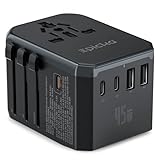
The kit list for a fun-city trip splits the difference between several different trips inside one suitcase. Late nights ask for lighter daytime kits, outdoor-adventure days need waterproofing, festival travel needs carry-on that can take a beating, and bar crawls reward a small anti-theft sling that doesn’t get in the way of a glass of wine. Six items worth packing below.





Which European Cities Have the Best Nightlife?
Cities where the night is the trip. Late hours, multiple distinct nightlife districts, serious dance-music culture, and the late-dinner-into-after-midnight rhythm that defines southern and eastern European nightlife specifically. None of the cities below close anything before 4am.
Madrid, Spain
The most consistent late-night culture on the continent. The local rhythm — dinner at ten, bars from midnight, clubs from two — means the city is genuinely awake until six most weekends and a fair number of weeknights. Malasaña carries the indie-and-student crowd, Chueca holds the LGBTQ scene and an older arty crowd, La Latina runs the cocktails-and-polished-evening version on Calle Cava Baja. In summer the terraza culture pulls most of the action outside, plaza tables stacked deep, the streets warm until two. The safest bet on this list for a fun-anchored trip that doesn’t need advance planning: arrive, find a plaza, the rest happens by itself. The Spain travel guide covers the country.
Belgrade, Serbia
The “best nightlife in Europe” reputation in dance-music media has been earned here for over a decade. Splavovi (riverboat clubs moored along the Sava and Danube) run summer-season dancing until six in the morning with the lights of the city across the water. Dorćol, Savamala, and the city centre hold the bar circuit. Drugstore, Klub Tilt, and 20/44 anchor the dance-music side. The strength is the math: costs run roughly a third of Western European equivalents, and the scene operates at a quality the prices don’t quite explain.
Berlin, Germany
The electronic-music scene here runs unmatched anywhere on the continent by sheer depth and seriousness. Berghain, Sisyphos, About Blank, Tresor, KitKat, and dozens of smaller venues hold the techno and house circuit. Door policies are genuinely real (Berghain in particular has built its mythology on who it turns away), the crowds skew international, and a standard club night runs from midnight Saturday to eleven on Sunday morning at minimum. The destination for travellers who take dance music seriously. Costs have climbed substantially but still run below London and Paris.
Ibiza, Spain
A completely different version of nightlife. Super-club culture, world-famous DJ residencies, beach-club daytime parties, and a rhythm that runs from afternoon at the beach club through dinner through 2am club opening through 7am club closing through breakfast in a sea-view café. Pacha, Ushuaïa, Hï Ibiza, and the recently restarted DC10 hold the major clubs. The season runs May through October, peak in July and August. Costs are high and rising; this isn’t a budget destination by any reasonable measure. Pair with Formentera (the smaller island, half an hour by ferry) for the quieter beach extension.
Amsterdam, Netherlands
Nightlife runs lighter than Berlin or Belgrade but spreads across more categories. The Leidseplein and Rembrandtplein squares hold the mainstream club scene. The Jordaan and De Pijp neighbourhoods carry the bar-crawl culture. Paradiso, De School (closed in 2024, much mourned), and Shelter have anchored the dance-music side. The Red Light District’s adjacency to a strong general bar scene gives the city its outsized after-dark reputation, well beyond the legalised-cannabis and sex-industry contexts. In 2026 the city has tightened cruise-ship and budget-flight tourism in response to overtourism, which has shifted some of the loudest party traffic elsewhere. The streets feel marginally calmer for it.
Which European Cities Are Best for a Bar Crawl?
A different version of fun entirely. The city as a series of bars, restaurants, food stalls, and cafés stitched together across an evening or a long lazy afternoon. The pleasure sits in the food-and-drink rhythm rather than the dance floor, and the trip often ends with you knowing which corner spot in which neighbourhood does the best version of a single specific small dish.
San Sebastián, Spain
The pintxos bar scene in the Parte Vieja is the densest food-and-bar-crawl experience in Europe by some distance. The standard rotation: walk into a bar, order one or two pintxos and a small glass of txakoli or a caña, eat at the counter, pay, walk three doors down, repeat. Three or four bars an evening, each specialising in different items. Borda Berri for braised veal cheek, Bar Néstor for the legendary tortilla and chuletón, La Cuchara de San Telmo for the foie gras risotto, A Fuego Negro for creative modern pintxos. Going with a local or a food-tour guide for the first crawl sorts which spots still serve the originals; after that the system becomes intuitive.
Lisbon, Portugal
The food-and-bar version of fun lives in the Bairro Alto and Cais do Sodré districts on opposite sides of the hill. Rua do Norte, Travessa do Carmo, and Rua da Atalaia each open from around nine in the evening, the small bars spilling out onto cobblestone streets that don’t really have room for them. Add the Time Out Market for the food-hall version of the same idea (60 food stalls and 40-plus wine bars under one rebuilt-warehouse roof). Pink Street down at Cais do Sodré holds the louder cocktail-and-late-night version. Walkability and temperature do the work: warm evening streets, outdoor seating until November, no coat needed for most of the year.
Bologna, Italy
The aperitivo culture in this red-arcaded city runs among the strongest in the country. The Quadrilatero food district around Piazza Maggiore packs traditional osterias, modern wine bars, salumerie with stool-and-counter seating where the prosciutto gets sliced in front of you, and the Mercato delle Erbe and Mercato di Mezzo daily markets transitioning into evening food halls as the day fades. Aperitivo, the early-evening drink with included small plates, is genuine local custom here rather than a tourist gimmick. A full food tour through this district is one of the strongest single-day food-and-drink experiences anywhere in Italy. The Italy travel guide covers the country.
Athens, Greece
A serious food-and-bar destination has emerged here since 2018. The Koukaki, Pangrati, and Psyri districts each anchor different versions of the same evening. Koukaki holds the natural-wine and modern-Greek scene (Bel Ray, Travolta, the Marathon-area restaurants), Psyri runs the traditional meze-and-ouzo bar circuit with cocktail bars layered over the top, Pangrati carries the casual neighbourhood version where you eat with people who actually live around the corner. The southern-European late rhythm (restaurants serving past eleven, bars open to three) combined with rooftop bars looking out over the lit Acropolis makes the city particularly strong on this category of fun. The Greece travel guide handles the country.
Vienna, Austria
The heuriger tradition delivers an unusual version of the food-and-bar-crawl axis. These are traditional wine taverns at the edges of the city in the Grinzing, Stammersdorf, and Mauer wine-growing neighbourhoods, each with outdoor garden seating among actual rows of grape vines, traditional buffet food (cold cuts, schnitzel, potato salad), and locally-grown wine served by the glass directly from the producer who pressed it. The rhythm runs slower than the Mediterranean equivalents: a long afternoon stretches into early evening over four or five glasses. The Naschmarkt food market and the surrounding bar district carry the more conventional urban food-and-bar circuit. A refined version of fun that doesn’t make most party-city lists but earns its slot on this axis without trying.
Outdoor Adventure Cities
Fun built around what you can do outside between breakfast and dinner. Activity-anchored destinations where the trip rhythm runs paragliding before lunch, hiking through the afternoon, lake-swim at five, beer in the village square at nine, asleep by eleven.
Interlaken, Switzerland
Wedged between two lakes (Thunersee and Brienzersee) directly below the Jungfrau-Eiger-Mönch alpine massif. The town operates as the adventure-sports capital of the continent: paragliding from Beatenberg above town (one of the most-photographed launches in the world), white-water rafting on the Aare and Lütschine, canyoning through the surrounding gorges, skydiving over the lakes, bungee jumping at the Stockhorn, plus serious hiking and via ferrata routes across the surrounding peaks. Summer is the strong season; winter shifts the action to the surrounding ski resorts (Grindelwald, Wengen, Mürren).
Tromsø, Norway
Outdoor adventure combines here with the singular Arctic setting. Whale watching for humpbacks and orcas chasing herring schools through the fjords in winter, husky safaris and reindeer sledding across snow-covered tundra, fjord kayaking in summer, snowshoe and ski touring, and aurora viewing from October through March. The city itself runs a respectable bar-and-restaurant scene for the evening, but the trip is daytime activity. Pair with Senja or Lofoten for the broader version of Arctic Norway. The Norway travel guide covers the country.
Chamonix, France
The world capital of mountaineering, and the European adventure-sport capital at altitude. Summer brings hiking the Tour du Mont Blanc, climbing routes from beginner to alpine, paragliding off Plan d’Aiguille, mountain biking, and white-water rafting on the Arve. Winter brings world-class skiing including the legendary Vallée Blanche off-piste descent down the glacier. The town itself runs serious après-ski culture and a developed restaurant scene that doesn’t punish you for being there only to climb. The combination of the Mont Blanc backdrop, the year-round activity calendar, and the deep guide infrastructure makes this one of the strongest activity-anchored destinations on the continent.
Reykjavík and the Iceland Ring Road (Iceland)
Outdoor-adventure fun in a register no other country can quite match. The Ring Road road trip combines volcanic terrain, glacier hiking on Vatnajökull, ice caving (winter only), thermal-spring soaking at the Blue Lagoon and Sky Lagoon and dozens of more remote natural hot springs, whale watching from Húsavík and Akureyri, snowmobiling on Langjökull, plus aurora viewing through the winter half of the year. The capital serves as the trip base; the daytime activities range across the entire wider country. The Iceland travel guide handles the country.
Bovec and the Soča Valley (Slovenia)
A serious adventure-sport destination at substantially lower cost than Interlaken or Chamonix. The Soča River runs through limestone gorges as one of the few alpine rivers still in genuinely natural condition, opening up white-water rafting and kayaking on water the colour of cut glass. Bovec’s adventure park holds Europe’s longest zipline (4 kilometres across the valley), Mount Stol takes paragliders from the southern face, canyoning routes thread the surrounding limestone gorges, and Triglav National Park offers some of the strongest hiking in the southern Alps. Half the price of the bigger names, and the river is better.
Which European Festival Cities Are Worth a Trip?
Some cities earn the fun designation only during specific annual events that transform the whole place for a defined window. Outside that window, you’ve visited a different city than the one the festival promised. Time the trip to the festival, or skip it entirely.
Munich, Germany (Oktoberfest)
For three weeks running from mid-September through the first weekend of October (despite the name), the Bavarian capital hosts the world’s largest beer festival. Fourteen massive tents on the Theresienwiese fairgrounds, six million annual visitors, brass-band tradition rattling the rafters, the lederhosen-and-dirndl dress code that locals genuinely participate in rather than treat as costume, and beer served by the litre in steins so heavy you forget you’re holding one until you set it down. The beer-and-food scene continues outside the festival (the Hofbräuhaus, the beer gardens, the year-round Augustiner culture), but the festival itself is the peak experience. Book accommodation six to nine months in advance.
Edinburgh, Scotland (Fringe Festival)
For three weeks every August the Scottish capital transforms into the world’s largest performing-arts festival. The Fringe runs thousands of performances daily across hundreds of venues — basement comedy rooms, church halls, university lecture theatres, pop-up tents on lawns — alongside the Royal Military Tattoo on the castle esplanade, the International Festival, the Book Festival, and constant Royal Mile street performances. The combination of medieval city setting and festival electricity is one of the strongest urban festival experiences anywhere on the planet. The downside is the crowd intensity and accommodation cost (prices triple against off-season). Book six months ahead minimum.
Venice, Italy (Carnival)
For ten days before Ash Wednesday (so the exact dates shift, typically late January through mid-February) the lagoon city transforms through elaborate masked costumes, parties inside historic palaces, the Festa delle Marie procession, the Volo dell’Angelo descending from the bell tower, plus night gondola processions along the Grand Canal under torchlight. The crowds are heavy, but the experience is genuinely unique. The Burano and Murano islands carry a quieter version of the same festival if the main city becomes too much. Costumes are taken seriously here, with rentals widely available for visitors who want to participate fully rather than just photograph from the side.
Reykjavík, Iceland (Iceland Airwaves Music Festival)
In early November, the small island capital fills with international music-industry visitors and indie-music fans for Iceland Airwaves. The festival runs official venues across downtown, but the unofficial off-venue shows at restaurants and bars and record shops more than double the schedule and often hold the best sets of the week. The combination of the local music scene at peak visibility plus November aurora season plus the city’s winter mood makes for a strong dual-purpose trip. Pair with a few days of Ring Road exploration on either side. Festival passes book months ahead.
Pamplona, Spain (Running of the Bulls / San Fermín)
San Fermín (July 6-14) is the controversial but iconic festival anchored on the daily Encierro, the running of the bulls through narrow streets at eight in the morning, plus continuous street parties, traditional Basque dance, fireworks, and the Hemingway-immortalised atmosphere that draws crowds from every continent. The bull run is the headline; the wider festival operates as an eight-day twenty-four-hour party that takes over the entire city. Real ethical considerations are part of the picture: the bullfights at the end of each day’s run remain controversial. Visit for the festival atmosphere; observe rather than participate in the run unless trained and risk-aware.
All-Around Fun Cities
Cities that don’t dominate any single category but score strongly across most of them. The best picks for travellers who want fun without committing to one specific version in advance, or for groups where two people want a dance floor and two want a long lunch.
Barcelona, Spain
Strong across every fun category, which is why it sits at the top of so many lists despite the recent overtourism strain. Nightlife: Eixample bars, Born and Gracia for cocktails, Razzmatazz and Apolo for dance music, plus Sitges 40 minutes south for the beach-club daytime party. Food: the Boqueria market, Born tapas, serious modern restaurants spanning El Celler de Can Roca’s offshoots through neighbourhood pintxos. Outdoor: the Mediterranean coast immediately east of the city, Tibidabo and Montjuïc hills for views, day trips north along the Costa Brava. Festivals: La Mercè in September and Sant Jordi in April. Overtourism is real in 2026, but the wider city still absorbs the demand if you avoid the obvious pockets.
Lisbon, Portugal
Returns on this list with strong cross-category performance. Nightlife in Bairro Alto and Pink Street, food at the Time Out Market and across the wider natural-wine-and-seafood scene, outdoor in the Atlantic surf thirty minutes north at Ericeira and Cascais plus the Sintra day trip, festivals during Santo António in mid-June when the city covers itself in sardine-grilling street parties for two weeks. Costs have climbed since 2020 but the city still delivers fun across more categories than most equivalent-cost European destinations.
Athens, Greece
Delivers strongly on all four axes. Nightlife in Psyri and Koukaki, food in the rising restaurant scene plus traditional meze culture, outdoor in the day trip to Cape Sounion and the islands two hours by ferry from Piraeus, festivals during the Athens Epidaurus Festival (June through August, performances of ancient drama staged in actual ancient venues). The rooftop-bar scene with views across to the lit Acropolis is iconic, and an early-evening drink up there with the marble glowing in the distance is one of the strongest single moments any European capital offers right now. Among the strongest all-round fun cities for travellers who want the southern-European late-evening rhythm without the price tag of Barcelona or Lisbon.
Berlin, Germany
Runs strong on nightlife (covered earlier), food (a serious modern food scene plus the Markthalle Neun food markets in Kreuzberg), outdoor (Tempelhofer Feld as a vast disused-airport city park, plus the surrounding lakes and forests that absorb most of the city on summer weekends), and festivals (Berlinale in February, Carnival of Cultures in May). The strength on the all-around axis is the unusual depth of every single category individually. Most cities lead in one or two; this one leads in all four.
Prague, Czech Republic
Delivers all-round fun at substantially lower cost than the equivalents to the west. The beer culture here ranks among the strongest in the world (per-capita beer consumption is the highest globally, has been for decades), traditional pubs run side by side with contemporary craft-beer bars, the food scene has improved dramatically over the past decade (Eska in Karlín and the broader district carry the new wave), and the underground music scene at venues like Cross Club and Roxy operates with genuine seriousness. The historic Old Town handles the cultural-touring side of the trip; Vinohrady and Žižkov districts hold the everyday fun.
Booking a fun-anchored trip with friends who all want different versions of fun?
The Ultimate Europe Trip Planner balances the fun categories across the trip so the dance-music friend, the food-tour friend, and the outdoor-activity friend each get their version of fun across the same week without anyone compromising.
| Type of fun | Top city | Why |
|---|---|---|
| Nightlife | Berlin | Open-all-weekend club culture |
| Bar crawl | Dublin | Temple Bar + 1000+ pubs |
| Festival | Budapest | Sziget + thermal-bath party |
| Beach + party | Ibiza Town | World’s nightclub capital |
| Outdoor adventure | Innsbruck | Ski + climb + hike from city |
| All-around | Amsterdam | Bikes + canals + nightlife |
Questions That Come Up About Fun European Cities
What is the most fun city in Europe?
Barcelona holds the consensus on the back of the strongest cross-category fun rating. For pure nightlife and party scene, Madrid or Belgrade. For outdoor adventure, Interlaken or Chamonix. For food-and-bar crawls, San Sebastián. The honest answer depends entirely on which version of fun matters most for the specific trip.
Where do Europeans themselves go for a fun trip?
Spanish coastal destinations (Ibiza, Barcelona, Madrid, Mallorca) lead the European-internal fun rankings most years. The Greek islands (Mykonos, Ios, Paros) carry the Mediterranean summer rotation. The Croatian coast (Split, Hvar) has become a major intra-European summer destination since around 2015. For winter, the Alpine ski destinations soak up the bulk of fun-tourism traffic. Berlin remains the constant for European travellers wanting serious nightlife outside the summer-coastal rotation.
Are party cities only fun at night?
Not even close. The strongest party cities also deliver strong daytime scenes. Barcelona has serious beaches and architecture. Berlin has Tempelhofer Feld and Museum Island. Belgrade has the Kalemegdan fortress and river-walk culture. Madrid has the Retiro park and the museum triangle (Prado, Reina Sofía, Thyssen). Treating any of them as nightlife-only misses two-thirds of what’s actually there. The strongest fun trips usually mix daytime culture with evening party rhythms.
Which European cities mix fun and culture best?
Barcelona, Lisbon, Athens, Berlin, and Prague consistently rate highest on the fun-plus-culture combination. Each holds serious museum-and-architecture-and-history depth alongside the food, bar, and nightlife scene. Vienna deserves an honourable mention for cultural depth alongside the heuriger wine-tavern and Naschmarkt food fun. Krakow runs the same combination at roughly half the cost.
What is the best fun city for non-drinkers?
Interlaken, Reykjavík, Tromsø, Chamonix, and the wider outdoor-adventure category deliver fun trips entirely off the drinking-and-nightlife axis. For urban fun without the bar focus, Barcelona, Lisbon, Athens, and Berlin all carry strong daytime scenes (markets, museums, beaches, outdoor parks) that don’t require any alcohol involvement at all. The café-anchored cities (Vienna, Lisbon, Paris) work well for non-drinkers in particular because so much of the social life happens over coffee.
How do I avoid the touristy version of nightlife?
Three reliable approaches. Go to neighbourhoods off the standard tourist map: in Madrid that’s not Sol but Malasaña and Chueca; in Lisbon that’s not Pink Street but Marvila and the northern end of Cais do Sodré; in Athens that’s not Plaka but Pangrati and Koukaki. Eat dinner on the local rhythm (ten in the evening rather than six). And ask the hotel concierge or Airbnb host for actual local recommendations rather than guidebook listings — most will give honest answers when asked directly rather than defaulting to the tourist version.
Key Takeaways
- Fun in European cities splits into five categories: party-and-nightlife, food-and-bar-crawl, outdoor-adventure, festival-and-events, and all-around fun.
- Madrid, Belgrade, Berlin, Ibiza, and Amsterdam lead the party-and-nightlife category. Each delivers a different version of late-night.
- San Sebastián, Lisbon, Bologna, Athens, and Vienna lead the food-and-bar-crawl category.
- Interlaken, Tromsø, Chamonix, Reykjavík, and Bovec lead the outdoor-adventure category at different seasons and price points.
- Festival-anchored fun requires timing the trip (Oktoberfest mid-September, Edinburgh Fringe August, Venice Carnival late January-February).
- Barcelona, Lisbon, Athens, Berlin, and Prague deliver the strongest all-around fun ratings across multiple categories simultaneously.
Final Thoughts on Booking the Right Kind of Fun
The most fun city in Europe isn’t a single city. It’s the city that matches the kind of fun the trip is actually about. Madrid for the late-night version, San Sebastián for the pintxos-and-txakoli crawl, Interlaken for the morning-paragliding outdoor week, Munich during Oktoberfest, Barcelona for the all-around version where everyone in the group gets what they came for. Picking the category first turns an impossible question into a small shortlist. After that, the trip becomes a real plan rather than a screenshot saved in a folder somewhere on your phone.
For the broader city-break question that includes non-fun-specific factors, the best cities in Europe to visit guide handles the wider angle. For the current trending creative-scene version of cool, the cool cities guide covers the cities rising on cultural momentum. The best experiences in Europe guide handles the activity-led version of the same question from the experiences side.