
Quick Answer: Finland holds about 179,000 islands, the second-highest count in the world after Sweden. The 12 best Finnish islands cover three formats: the Helsinki harbor islands (Suomenlinna UNESCO sea fortress, Pihlajasaari, Vallisaari, Lonna), the Turku-area Archipelago Sea islands (~50,000 islands, accessible via the Archipelago Trail bike-and-ferry route through Pargas, Korpo, and Houtskär), and the Åland Islands autonomous archipelago plus the northern Hailuoto island near Oulu (reached via ice road in winter, ferry in summer). The Suomenlinna and Vallisaari visits anchor most Helsinki summer trips; the deeper Turku archipelago plus Åland trip extends the visit across multiple days with bike-and-ferry travel.
Finland holds about 179,000 islands, the second-highest count in the world after Sweden. The Archipelago Sea between Turku and the Åland Islands alone holds about 50,000 islands, making it one of the densest island clusters on Earth. The Finnish coastline produces the island geography; combined with the inland Lakeland islands and the rare Arctic-coast islands like Hailuoto, the total visitor map runs broader than any single trip can cover.
The Finnish island map clusters into three useful regions. The Helsinki harbor islands (Suomenlinna, Pihlajasaari, Vallisaari, Lonna) sit 15 to 30 minutes by ferry from the central South Harbor, anchoring the city day-trip format. The Turku-area Archipelago Sea covers about 50,000 islands stretching west to the Åland border, with the Archipelago Trail running a marked bicycle-and-ferry route across the inner archipelago. The Åland Islands (autonomous Swedish-speaking Finnish region) hold their own substantial archipelago plus the main island anchored on Mariehamn. The Lapland coast adds Hailuoto Island near Oulu, reached via ice road in winter and ferry in summer.
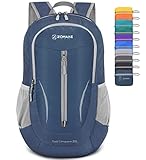
Year-round access to the Helsinki harbor islands runs on the HSL ferry network at the standard EUR 4.80 single ticket. The Turku archipelago and Åland Islands run primarily as summer destinations with full ferry frequency June through August dropping to limited service November through March. The Archipelago Trail (Saariston Rengastie) covers a 250 km bicycle-and-ferry loop around the inner Turku archipelago across 4 to 7 days. Pack a daypack, layered weather clothing, and a packable raincoat; the island weather flips between sun and rain quickly even in summer.
Planning a Finnish islands trip combining Helsinki harbor islands with the Turku Archipelago Sea and the Åland extension?
The Ultimate Europe Trip Planner sequences the islands trip in one editable document.
Recommended Finnish Islands Travel Essentials
Six items worth packing for the Finnish islands trip; the packable raincoat and the daypack are the highest-value items because island days move between sun, wind, and rain across single trips with limited shelter access on remote islands.




Recommended blogs to read:
- the Archipelago Trail
- summer in Finland
- things to do in Finland
- Finland summer packing list
- things to do in the Åland Islands
12 Best Islands in Finland for 2026
The 12 islands below cover the realistic Finnish island map across the Helsinki harbor, the Turku Archipelago Sea, the Åland Islands, and the rare northern picks. Each entry notes the location, the access method, the standout features, and the trip-shape fit.
1. Suomenlinna (UNESCO Sea Fortress)
Suomenlinna is Finland’s most-visited single island and a UNESCO World Heritage sea fortress on six connected islands at the entrance to Helsinki’s South Harbor. Built in 1748 under Swedish rule, the fortress now runs as both an active residential neighborhood (about 800 residents) and an open-air museum. Reach via 15-minute HSL ferry from Market Square (EUR 4.80 single ticket). Allow 3 to 5 hours covering the King’s Gate, the dry dock, Suomenlinna Church, the Vesikko submarine museum, and the Susisaari fortress walls. Year-round access with reduced winter ferry frequency. The single best Helsinki island day-trip and one of the most-visited sites in Finland.
Read also: UNESCO World Heritage sites in Finland for the broader UNESCO context that Suomenlinna anchors.
2. Pihlajasaari (Helsinki Beach Island)
Pihlajasaari Island sits 15 minutes by ferry south of central Helsinki’s Ruoholahti district as the city’s primary summer beach island. The island runs as a recreation area with sand-and-rock beaches, walking trails, a designated nude beach section, a beach café, and overnight cabin rentals. The summer ferry runs May through August at EUR 11 round-trip (separate from HSL standard pricing). Allow 4 to 6 hours for a beach day; the island has no overnight accommodation beyond the cabin rentals. Pihlajasaari suits travelers wanting a Helsinki-summer beach day away from the central Hietaniemi crowd; the journey itself across the harbor is part of the experience.
Read also: best beaches in Finland for the broader Finnish beach context including Pihlajasaari’s place in the Helsinki summer scene.
3. Vallisaari (Helsinki Nature Island)
Vallisaari Island sits in the Helsinki harbor adjacent to Suomenlinna with a substantially wilder and quieter character than its UNESCO neighbor. The island opened to general visitors in 2016 after long use as a Finnish military area and now runs as a Metsähallitus-managed nature site with marked hiking trails, an old fort visit, restaurant facilities, and rich birdlife (about 130 bird species recorded). Reach via 15-minute JT-Line ferry from Market Square at EUR 9 round-trip; ferry runs May through September. Allow 4 to 6 hours. Vallisaari suits travelers wanting a Helsinki island day that emphasizes nature and quiet exploration over the historic-fortress format of Suomenlinna.
Read also: national parks in Finland for the broader Finnish nature-preserve context that Vallisaari belongs to.
4. Lonna (Helsinki Small Island Restaurant)
Lonna is a tiny island in the Helsinki harbor (about the size of a city block) reached by a 10-minute JT-Line ferry from Market Square. The island holds a single high-quality restaurant (Restaurant Lonna), a sauna complex (Lonna Sauna with public sauna sessions and harbor views), small walking paths, and several historic buildings from the island’s former Finnish Navy mine-laying base use. Reach via JT-Line ferry May through September at EUR 9 round-trip. Allow 2 to 4 hours combining the sauna, a restaurant meal, and the small island walk. Lonna suits travelers wanting a refined Helsinki island half-day experience rather than the longer Suomenlinna or Vallisaari format.
Read also: best restaurants in Helsinki for the broader Helsinki dining scene that Restaurant Lonna belongs to.
5. Pargas (Turku Archipelago Gateway)
Pargas (Parainen in Finnish, Pargas in Swedish) is the largest town in the Turku archipelago and the standard starting point for the Archipelago Trail bike-and-ferry route. The town sits 30 minutes south of Turku by car or bus on the inner archipelago, with onward ferry connections to Nauvo, Korpo, Houtskär, and the smaller outer islands. The bilingual Swedish-Finnish character of the archipelago starts to emerge in Pargas; most signs and conversations run in both languages. Allow 1 to 2 days in Pargas as either a Turku day trip or as the first overnight on the broader Archipelago Trail visit. The summer ferry network operates June through August.
Read also: things to do in Turku for the Turku city anchor that gates access to the broader archipelago.
6. Nauvo (Turku Archipelago Inner Island)
Nauvo (Nagu in Swedish) is the second-largest inhabited Turku archipelago island, reached by short ferry from Pargas. The main village of Nauvo runs a small harbor with summer restaurants, a 15th-century church, and the Stallhagen brewery as the standout Finnish small-island brewery. Nauvo holds about 1,500 year-round residents that swells to 6,000 to 8,000 in summer with seasonal cottage population. The village suits travelers wanting the small-island stop on the Archipelago Trail format with substantial accommodation and restaurant options; combine with the broader Korpo and Houtskär islands further out.
Read also: Helsinki to Stockholm ferry for the Baltic-crossing context that pairs with the inner archipelago visit.
7. Korpo (Outer Archipelago Sea)
Korpo (Korppoo in Finnish) sits as the third major Turku archipelago island, reached by ferry from Nauvo. The island runs more rural and quieter than Pargas and Nauvo with about 800 year-round residents, a small village harbor, and substantial nature-and-walking access across the surrounding small islands. The Korpo main village holds a small Pär Hugo concept-store-and-café running as one of the recognized Finnish small-island design destinations. Korpo suits travelers wanting the deeper archipelago experience beyond the more-visited inner islands; the ferry transit and the substantially quieter atmosphere make Korpo the natural overnight stop on a 4 to 5-day Archipelago Trail trip.
Read also: Midsummer Juhannus in Finland for the broader Finnish summer-island cultural context that Korpo belongs to.
8. Houtskär (Outer Archipelago Sea)
Houtskär (Houtskari in Finnish) sits as the fourth major Turku archipelago island and the westernmost regular ferry stop before the Åland Islands. The island runs as a small village (about 500 residents) with the Swedish-speaking majority maintaining strong Swedish-language cultural identity. The Houtskär ferry connects west toward Åland’s Iniö and Kumlinge islands, making Houtskär the practical step toward the broader Archipelago-to-Åland trip combination. Allow 1 day; combine with Korpo for the strongest 2-day outer-archipelago visit. The summer-only ferry schedule (June through August) limits the trip timing.
Read also: Finnish phrases for travelers for the Finnish-and-Swedish bilingual context that defines the outer Archipelago Sea visit.
9. Åland Main Island (Mariehamn)
The Åland main island holds about 27,000 of the broader Åland Islands’ 30,000 residents, with the autonomous-region capital of Mariehamn as the central anchor. The island runs distinctly Swedish-speaking (Swedish is the only official language despite being part of Finland), with its own flag, postage stamps, and EU customs status. Standout visitor anchors include the Maritime Museum, the Pommern museum ship in Mariehamn harbor, the small-town wooden architecture of Mariehamn, and the surrounding beaches. Reach via Helsinki-Stockholm or Turku-Stockholm ferries (Tallink Silja, Viking Line) with the Mariehamn stop, or via the Naantali-Mariehamn fast ferry. Allow 3 to 5 days for the broader Åland visit.
Read also: Helsinki to Tallinn ferry for the broader Baltic-crossing context that pairs with the Åland Sweden-side connection.
10. Hailuoto (Lapland Coast Ice-Road Island)
Hailuoto is a 200 square kilometer island in the Gulf of Bothnia about 50 km west of Oulu, reached by ferry in summer (35 minutes) and by ice road across the frozen sea in winter (the Hailuoto ice road runs January through March, Finland’s longest official ice road at about 7 km). The island holds about 900 year-round residents, the Hailuoto Bird Observatory at Marjaniemi (one of the strongest spring migration viewing sites in Finland), small sand beaches, and substantial walking-and-cycling access. Hailuoto suits travelers wanting a less-visited Finnish island with the distinctive ice-road winter access; combine with Oulu (1-hour drive) for the broader northwestern Finland coastal trip.
Read also: things to do in Oulu for the Oulu city anchor that gates access to Hailuoto.
11. Linnansaari (Saimaa Lake Island National Park)
Linnansaari Island and the surrounding small archipelago in Lake Saimaa run as Linnansaari National Park, the strongest single base for spotting the Saimaa ringed seal (Saimaannorppa) in the wild. The park covers about 38 square kilometers across the main Linnansaari and approximately 130 smaller islands. Reach via summer water-taxi from Rantasalmi (the closest mainland village) at EUR 35 to EUR 55 round-trip. The park runs hiking trails, cabin rentals, and the Linnansaari farmstead as the main visitor anchor. Allow 1 to 2 days for the visit. Pair with the broader Saimaa Lakeland trip including Savonlinna for the strongest single multi-day Lakeland format.
Read also: lakes in Finland for the broader Saimaa Lakeland context that Linnansaari sits inside.
12. Seurasaari (Helsinki Open-Air Museum Island)
Seurasaari Island sits 5 km northwest of central Helsinki connected by a 130-meter footbridge from Meilahti. The island runs as the Seurasaari Open-Air Museum, a 1909 collection of about 87 traditional Finnish buildings (farmhouses, churches, mills, smoke saunas) relocated to the island from across Finland. The Midsummer Juhannus bonfire celebration on Seurasaari is the standard Helsinki midsummer experience for travelers unable to reach a private mökki cottage. A new 1950s Finnish summer cottage exhibit opens 2026 as the first new addition to the museum in 40 years. Adult entry EUR 12 in summer; outdoor island free year-round. Allow 3 to 5 hours.
Read also: things to do in Helsinki for the broader central Helsinki visit that builds naturally toward a Seurasaari afternoon.
Combining Helsinki harbor islands with a multi-day Archipelago Trail and Åland extension?
The Ultimate Europe Trip Planner sequences the islands trip in one editable document.
Frequently Asked Questions
How many islands does Finland have?
Finland holds about 179,000 islands, the second-highest count in the world after Sweden. The Archipelago Sea between Turku and the Åland Islands alone holds about 50,000 islands. The combination of coastal islands and inland Lakeland islands produces the broader count; most are uninhabited rocky islets rather than visitor destinations.
How do I reach Suomenlinna?
The HSL ferry runs Helsinki Market Square to Suomenlinna in 15 minutes at the standard EUR 4.80 single ticket. Ferries depart every 20 minutes through summer daytime hours, every 40 minutes evenings, and every 60 to 80 minutes in winter. The HSL day ticket (EUR 9) covers the round-trip plus city tram and metro use. Private boat operators also run faster JT-Line ferries at higher pricing.
What is the Archipelago Trail?
The Archipelago Trail (Saariston Rengastie) is a 250 km marked bicycle-and-ferry loop around the inner Turku archipelago covering Pargas, Nauvo, Korpo, Houtskär, and back via Iniö. The trail uses the year-round summer ferry network with bicycle transport on every ferry. Plan 4 to 7 days for the full loop with overnight stops in the village harbors. Bike rental available in Turku and Pargas at EUR 25 to EUR 40 per day.
Can you visit the Åland Islands as a day trip?
Possible but rushed. The Mariehamn ferry stops on Helsinki-Stockholm and Turku-Stockholm routes typically run 60 to 90 minutes ashore, enough for a quick harbor walk and the Pommern museum ship. For a proper Åland visit, allow 2 to 3 days minimum to cover Mariehamn, the surrounding island archipelago, and the broader autonomous-region cultural anchors.
When does the Hailuoto ice road open?
The Hailuoto ice road typically opens late January once the sea ice between the mainland and the island reaches the required 25-centimeter thickness and closes in late March as the thaw begins. The 7 km road is Finland’s longest official ice road and is regularly maintained by the Finnish Transport Agency. During warm winters the ice road may not open at all; check the official Finnish Transport Agency advisory before planning a winter Hailuoto trip. The summer ferry runs year-round as the alternative.
Are Finnish islands accessible in winter?
The Helsinki harbor islands (Suomenlinna, Lonna, Vallisaari) run year-round access on reduced winter ferry schedules. The Turku archipelago and Åland Islands run primarily as summer destinations with most island ferries running June through August at full frequency; some routes maintain limited winter service. Hailuoto runs ice-road access January through March. Most Lakeland islands close to general visitors November through April. For the broadest island visit options, plan summer trips.
Key Takeaways
- Finland holds about 179,000 islands, second-highest in the world after Sweden; the Archipelago Sea alone has ~50,000 islands.
- Helsinki harbor islands (Suomenlinna UNESCO, Pihlajasaari beach, Vallisaari nature, Lonna restaurant) anchor most city day-trip visits.
- Turku Archipelago Sea covers Pargas, Nauvo, Korpo, Houtskär across the 250 km Archipelago Trail bike-and-ferry loop.
- Åland Islands run autonomous Swedish-speaking with Mariehamn as the capital and substantial archipelago beyond.
- Hailuoto near Oulu offers Finland’s longest official ice road (7 km, Jan-March); Linnansaari in Saimaa is Finland’s seal-spotting anchor.
Final Thoughts
Finland’s island geography produces one of Europe’s strongest archipelago experiences across the Helsinki harbor day-trip islands, the Turku-area 50,000-island Archipelago Sea, the autonomous Swedish-speaking Åland Islands, and the rare-format islands like Hailuoto with its winter ice road and Linnansaari with its Saimaa seal habitat. Plan a Helsinki anchor with Suomenlinna and one or two other harbor islands as the city-side trip, and add a multi-day Archipelago Trail or Åland Islands extension for the deeper island experience. For the next reads, the 7-day Finland itinerary and the national parks in Finland guide connects the islands into the broader outdoor trip plan.