
Quick Answer: Finland holds about 1,100 km of coastline plus tens of thousands of lake shores, producing one of Europe’s most underrated beach scenes. The 12 best Finnish beaches cluster across three formats. The coastal sand beaches anchor on Yyteri Beach (Pori, 6 km long with sand dunes), Hanko (white-sand beaches around the regatta town), and Kalajoki Hiekkasärkät (western coast, Finland’s most-recognized sand dune system). The Helsinki city beaches cover Hietaniemi (central, the city anchor) and Sandkaj on Lauttasaari Island. The lakeside beaches across Saimaa, Päijänne, and Lapland river beaches like Ounasjoki at Rovaniemi extend the swimming season inland. Peak swimming runs late June through mid-August at 18 to 22 Celsius water temperatures.
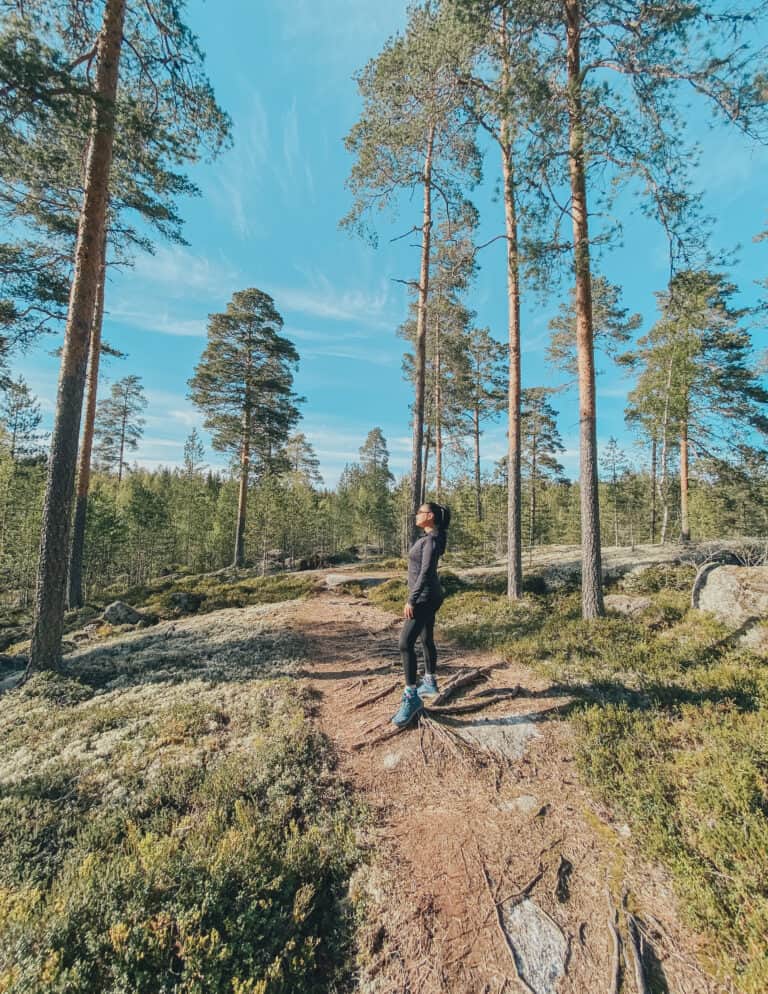
By the second weekend of July, Yyteri Beach near Pori fills with about 25,000 visitors on a sunny Saturday. The 6-kilometer sand strip with low dunes on the western Finnish coast looks more Baltic-southern than Nordic, and the surrounding pine forest meeting open beach makes Yyteri the strongest visual answer to anyone surprised that Finland has a serious beach scene.
The Finnish beach map splits into three useful formats. The coastal sand beaches concentrate on the western and southern shores: Yyteri at Pori, the Hanko peninsula with its town beaches and the surrounding regatta-area sand, Kalajoki Hiekkasärkät further north as Finland’s most-recognized dune system, and the smaller sand beaches along the Hanko-Helsinki southern coast. The Helsinki city beaches anchor on Hietaniemi as the central pick plus several smaller spots across the residential islands. The lakeside beaches extend the swimming season inland with Saimaa, Päijänne, Pielinen, and the Lapland river beaches at Rovaniemi and Salla.
Peak swimming runs late June through mid-August at 18 to 22 Celsius water temperatures, with the warmest weeks landing late July. Beach pricing is essentially free across the country with paid options for changing rooms, beach cafés, and rental loungers at the most-developed beaches. Bring a towel, sun protection, swim gear, and a packable tote. Finland’s “everyman’s right” (jokamiehenoikeus) allows shoreline access on most beaches even at private property edges; respect distance from inhabited buildings.
Planning a Finnish summer beach trip combining the western-coast Yyteri and Hanko anchors with Helsinki city beaches?
The Ultimate Europe Trip Planner sequences the beach trip in one editable document.
Recommended Finnish Beach Essentials
Six items worth packing for the Finnish beach trip; the quick-dry swimsuit and the polarized sunglasses are the highest-value items because the long summer days and clear Nordic light produce strong reflective glare even at moderate temperatures.






Recommended blogs to read:
- summer in Finland
- things to do in Finland
- Finland summer packing list
- Mökki cottage culture in Finland
- is Finland expensive
12 Best Beaches in Finland for 2026
The 12 beaches below cover the realistic Finnish summer beach map across the western coastal sand strips, the Helsinki city beaches, and the lakeside-and-river beaches inland. Each entry notes the location, the season, the standout features, and the trip-shape fit.
1. Yyteri Beach (Pori, the 6-Kilometer Sand Strip)
Yyteri Beach is Finland’s most-recognized summer beach: a 6-kilometer continuous sand strip on the western coast at Pori with low dunes, shallow water that warms quickly in summer, and an active surfing-and-windsurfing scene on windy days. The beach sits 18 km west of central Pori and reaches by local bus 11 in 30 minutes. Peak weeks fill the beach with about 25,000 visitors per sunny Saturday in July. Beach cafés, changing facilities, and rental gear (kayaks, paddleboards, beach chairs) operate from mid-June through August. The surrounding Yyteri Spa Hotel runs the standard beach-overnight option. Combine Yyteri with the Pori Jazz festival mid-July for the strongest single-trip western Finland beach experience.
Read also: things to do in Pori for the Pori city context and the Pori Jazz festival pairing with Yyteri Beach.
2. Hanko Beaches (Southernmost Finland)
Hanko sits as Finland’s southernmost town with about 30 km of sand and pebble beaches around the peninsula. The standout beaches include Hangonkylä main town beach (central, easy access, café), Plagen beach (longer sand strip west of town), Tulliniemi nature-area beach (quieter, walking-distance from the harbor), and the small sand coves along the surrounding villa district. Hanko’s reputation as the Finnish Riviera comes from the wooden-villa scene built across the 19th century when wealthy Helsinki families summered here; the beach scene runs more refined than Yyteri with smaller crowds and the surrounding villa district as the visual context. The Hanko Regatta (early July) is the peak summer week.
Read also: things to do in Hanko for the wooden-villa Old Town context and the Regatta week planning.
3. Kalajoki Hiekkasärkät (Western Sand Dunes)
Kalajoki Hiekkasärkät on the western coast (between Oulu and Vaasa, latitude 64°N) holds Finland’s largest sand dune system with a 5 km beach plus extensive forested dune areas. The Hiekkasärkät resort complex covers the beach with multiple hotels, a substantial spa (Kalajoen Hiekkasärkät Spa), a small amusement park area, and a developed beach with cafés, kayak rentals, and beach volleyball courts. The northern latitude means slightly cooler summer water temperatures (16 to 19 Celsius) but substantially longer summer daylight; in late June the white-night sun stays close to the horizon for most of the night. Kalajoki suits travelers wanting a developed family-beach experience alongside the natural dune landscape.
Read also: things to do in Oulu for the broader northwestern Finland city context that surrounds Kalajoki.
4. Hietaniemi Beach (Central Helsinki)
Hietaniemi Beach (locally “Hietsu”) is Helsinki’s central sand beach on the western edge of Töölö, 15 minutes walk from Helsinki Central Station. The beach runs about 400 meters of sand with shallow water, a beach café, volleyball courts, and the surrounding green-space park. Peak summer weekends pull about 20,000 visitors per day; the long-evening light extends beach hours past 9pm in June and July. The adjacent Hietaranta park hosts free outdoor concerts on summer weekends. Hietaniemi suits travelers wanting a Helsinki city day with beach time included; the central location makes it the natural beach extension of any summer Helsinki visit.
Read also: things to do in Helsinki for the central Helsinki summer walking context that builds naturally into a Hietaniemi afternoon.
5. Sandkaj (Lauttasaari Island, Helsinki)
Sandkaj Beach sits on the southwestern edge of Lauttasaari Island, 4 minutes by metro from central Helsinki plus a 10-minute walk. The beach runs as a smaller alternative to Hietaniemi with a more-local Helsinki resident crowd, a small wooden bathing pier extending into the bay, and the surrounding residential-park atmosphere. Sandkaj suits travelers wanting the Helsinki-side beach experience without the central-tourist crowds; the metro accessibility keeps the trip into central Helsinki under 15 minutes from the beach. Several other Lauttasaari beaches (Vattuniemi, Pajalahti) run quieter local-only options around the island perimeter.
Read also: Helsinki neighborhood guide for the Lauttasaari residential island context that surrounds Sandkaj Beach.
6. Punkaharju (Saimaa Lakeland Esker Beaches)
Punkaharju is a 7-kilometer narrow esker ridge running between Lakes Pihlajavesi and Puruvesi in the Saimaa Lakeland, with small sand-and-pebble beaches lining both sides of the ridge. The setting is among the most-photographed Finnish landscape views; the ridge top runs a marked walking-and-cycling trail with the lake on both sides at eye level. Several historic hotels (Hotel Punkaharju, Lehmonkärki resort across the lake) anchor the visitor accommodation. Combine with Savonlinna (45 minutes by train) for the strongest Saimaa Lakeland summer trip including the Olavinlinna Opera Festival. Punkaharju suits travelers wanting the inland-Finnish lakeside beach format rather than the coastal beaches.
Read also: things to do in Savonlinna for the Saimaa Lakeland base that anchors most Punkaharju trips.
7. Pielinen Lake Beaches (Koli Area)
Lake Pielinen in eastern Finland holds Finland’s fourth-largest lake at 894 square kilometers with extensive sandy shoreline beaches around the Koli National Park area. Standout beaches include Hattusaari, Loma-Koli beach (resort-based, family-friendly), and several smaller sand coves around the lake perimeter. The Koli National Park hilltop view across Lake Pielinen is one of Finland’s most-recognized landscape vistas; the surrounding beach access extends the visit from a 4-hour summit walk into a multi-day Lakeland trip. Combine with Joensuu (1 hour drive south) for the broader Karelian Finland summer trip including the city dining and museum scene.
Read also: things to do in Joensuu for the Karelian Finland city context that surrounds the Pielinen beach trip.
8. Ounasjoki River Beach (Rovaniemi)
Ounasjoki River runs through central Rovaniemi with sand-and-pebble beaches along its banks reachable on foot from central Lapland-capital hotels. The summer river-beach experience runs differently from the southern coastal beaches: the water stays cold (10 to 16 Celsius even in July) but the surrounding boreal forest and the midnight-sun light makes the beach a primarily aesthetic-and-relaxation destination rather than a long-swim destination. The standout beach access points sit downstream from the Lordi Square area, walking-distance from central Rovaniemi. Combine with Arktikum Museum and the broader Rovaniemi summer visit including the Santa Claus Village (which operates year-round but runs quieter and substantially cheaper in summer).
Read also: things to do in Rovaniemi for the broader Lapland-capital visit context including the Arktikum and Santa Claus Village.
9. Aland Islands Beaches (Mariehamn Area)
The Åland Islands (autonomous Swedish-speaking Finnish archipelago) holds extensive small sand-and-rock beaches across the main island and the surrounding archipelago. Mariehamn’s Lilla Holmen city beach runs as the main accessible option; the surrounding islands (Geta in the north, Föglö to the south, Lemland just east of Mariehamn) hold quieter natural beaches reachable by car-plus-ferry. The Åland summer holds the longest reliable warm-water swim season in Finland (mid-June through late August at 17 to 21 Celsius), reflecting the southern Baltic latitude. Reach Åland via the Helsinki-Stockholm or Turku-Stockholm ferries (Mariehamn stop) or via the Naantali-Mariehamn fast ferry.
Read also: things to do in the Åland Islands for the deeper archipelago trip planning.
10. Allas Sea Pool (Helsinki Central Heated Pool)
Allas Sea Pool is not a traditional beach but functions as Helsinki’s most-accessible swimming destination: a public swimming-pool complex on the South Harbor directly adjacent to the Esplanadi central walking area. The complex runs three pools (heated saltwater 25-meter swimming pool at about 25 Celsius year-round, heated children’s pool, unheated Baltic-water cold pool for ice-and-summer swimming), three saunas, and a harbor-side restaurant. Allas works as the rainy-day Helsinki swimming alternative and the year-round option for travelers wanting reliable warm-water swimming in any season. Adult entry EUR 18 to EUR 24 depending on day. Allow 2 to 3 hours.
Read also: Finnish sauna etiquette for the Finnish public sauna context that pairs with the Allas swimming complex.
11. Kuopio Beach Area (Kallavesi Lake)
Kuopio sits on the shores of Lake Kallavesi in the central Finnish Lakeland with multiple beach access points across the city’s lakeside neighborhoods. Standout beaches include Väinölänniemi central city beach (10 minutes walk from Kuopio Market Square), Rauhalahti beach near the Rauhalahti Holiday Centre, and the smaller sand coves around the Puijo hill area. Kuopio runs as the Lakeland’s largest city and the natural base for the broader Saimaa-Lakeland summer trip with the city sauna culture, the Kuopio Market Hall, and the Puijo Tower hill walk pairing with the beach time. Combine with the Saimaa ferry to Savonlinna for the strongest single multi-day Lakeland summer trip.
Read also: Kuopio Lakeland guide for the deeper Kuopio city and Lakeland trip planning.
12. Mökki Cottage Beach Days
The most-distinctive Finnish summer beach experience is not a named public beach but the private lakeside beach attached to a rented mökki summer cottage. Most Finnish mökki properties include 10 to 50 meters of shoreline access with the cottage’s own small sandy beach, a wooden swimming pier, and a lakeside wood-burning sauna. The mökki-beach combination delivers the standard Finnish summer day: morning swim, sauna session, lakeside picnic, evening swim under the white-night light. Rentals across the Saimaa, Päijänne, Mikkeli, and Jyväskylä lakeland regions run EUR 100 to EUR 300 per night through Lomarengas and Nettimökki booking platforms.
Read also: Midsummer Juhannus in Finland for the broader Finnish summer-cottage cultural anchor that the mökki-beach experience belongs to.
Building a Finnish beach trip combining coastal anchors with a Lakeland mökki extension?
The Ultimate Europe Trip Planner sequences the beach trip in one editable document.
Frequently Asked Questions
Does Finland have good beaches?
Yes. Finland’s western coast holds substantial sand beaches with Yyteri (6 km strip at Pori), Kalajoki Hiekkasärkät (large dune system), and Hanko’s surrounding sand beaches as the anchors. The Helsinki city beaches at Hietaniemi and Sandkaj on Lauttasaari run as central walkable options. Lakeside beaches across Saimaa, Päijänne, Pielinen, and the Lapland rivers extend the swimming season inland. The combination of coastal sand and lakeside swimming makes Finland one of Europe’s most-underrated beach destinations.
When is beach season in Finland?
Peak beach season runs late June through mid-August at 18 to 22 Celsius water temperatures. The warmest weeks land late July with water temperatures peaking 20 to 22 Celsius in southern Finland and 16 to 19 Celsius in northern Finland and Lapland. Early June and late August run as shoulder weeks with cooler water (15 to 18 Celsius) and fewer crowds. Mid-June through mid-July offers the longest summer daylight (white nights or near-white-nights across the country).
What is the best beach in Finland?
Yyteri Beach near Pori on the western coast is the most-recognized Finnish beach with a 6-kilometer sand strip, low dunes, and active summer-resort infrastructure. For the Helsinki-anchored trip, Hietaniemi Beach is the central pick. For the small-town Finnish Riviera atmosphere, Hanko’s town beaches anchor on the wooden-villa Old Town. For the developed family resort, Kalajoki Hiekkasärkät runs the largest dune system. For the Lakeland beach experience, Punkaharju or Kuopio Kallavesi work best.
Can you swim in Finnish lakes?
Yes, widely. Finnish lakes warm to 18 to 22 Celsius in July and August in the southern half of the country with most lakes running safe and clean for swimming. The Saimaa, Päijänne, Pielinen, and Kallavesi lakes hold substantial swimming culture with public beaches and mökki private beach access. Lapland lakes stay cooler (12 to 18 Celsius) but remain swimmable. Everyman’s right allows shoreline access on most lake beaches even at private-property edges; respect distance from inhabited buildings.
Are there nude beaches in Finland?
Finland has a small number of designated nude beaches (officially clothing-optional). The most-recognized is Pihlajasaari Island near Helsinki (15-minute ferry from the harbor) with a designated nude beach section. Yyteri Beach holds a small designated section at its quieter southern end. The broader Finnish sauna culture maintains social nudity in same-gender sauna contexts but the public-beach default is swimwear; check signage for clothing-optional designation before assuming.
How do I reach Yyteri Beach from Helsinki?
Helsinki to Pori runs 3 hours by VR train (EUR 18 to EUR 35 advance). From Pori central, take local bus 11 to Yyteri Beach (30 minutes, EUR 4 single ticket). The total trip runs about 4 hours each way; plan an overnight stay rather than a day trip. Yyteri Spa Hotel runs as the standard beach-overnight option at EUR 110 to EUR 220 per night. The Pori Jazz festival mid-July is the peak weekend; book accommodation 4 to 6 weeks ahead.
Key Takeaways
- Yyteri Beach near Pori is Finland’s flagship sand beach with a 6-kilometer strip and active summer-resort infrastructure.
- Hanko peninsula holds ~30 km of sand and pebble beaches around the wooden-villa town; Hanko Regatta early July is the peak.
- Kalajoki Hiekkasärkät runs Finland’s largest sand dune system; Hietaniemi anchors central Helsinki swimming.
- Lakeside beaches across Saimaa, Päijänne, Pielinen, and Kallavesi extend the season inland; mökki cottages include private lakeside beaches.
- Peak swimming late June through mid-August at 18 to 22 Celsius; Aland Islands hold the longest warm-water swim season.
Final Thoughts
Finland’s beach scene runs more substantially than most international visitors expect: the western coastal sand beaches at Yyteri, Hanko, and Kalajoki anchor the coastal experience, the Helsinki city beaches at Hietaniemi and Sandkaj cover the urban summer day, and the lakeside beaches across Saimaa, Päijänne, Pielinen, and Lapland extend the swimming season inland. The mökki cottage with private lakeside beach completes the Finnish summer beach trip in the format most-loved by domestic Finnish residents. For the next reads, the 7-day Finland itinerary and the best time to visit Finland connect the beach trip into the broader Finland summer plan.