
Quick Answer: The 25 best things to do in Helsinki, Finland span three layers of the city: the iconic Senate Square and Helsinki Cathedral, the Suomenlinna UNESCO sea fortress, Temppeliaukio Church, Uspenski Cathedral, the Oodi central library, and Market Square form the must-see core. The Design District around Punavuori, the public saunas at Löyly and Allas Sea Pool, and the Ateneum + Kiasma + Amos Rex art trio give the cultural depth. Wider Helsinki adds Kallio nightlife, the Töölö art-nouveau quarter, Sibelius Park, the scenic tram 4 loop, Porvoo and Tallinn day trips, and Nuuksio National Park in Espoo. Note: the National Museum is closed for renovation until spring 2027.
Helsinki is the easiest northern-European capital to fall for in 48 hours. It is small enough that you can walk between the major sights, the public transport is genuinely good for the rest, and the city’s design culture is the most concentrated part of any northern capital. The harbor sits right at the edge of the city center, so you can be on a ferry to Suomenlinna in 15 minutes from Market Square, or in the Baltic itself from a public sauna on the waterfront before lunch.
The thing that surprises most first-time visitors is how non-touristy the city feels in the everyday sense. The cafes are full of locals. The saunas are public infrastructure, not Instagram backdrops. The Design District is twenty-five streets of working shops and studios, not a marketing label. Even peak summer the city does not feel overrun. That is partly the latitude (you are 1,400 km north of Berlin) and partly the Finnish temperament. The result: a capital that rewards slowing down rather than rushing.
2026 is a strong year to visit. The city has fresh hotel openings around the harbor, the new Helsinki Central Library Oodi is hitting its stride as a community space, and the broader Finland tourism push (Lonely Planet’s Best in Travel list, the solar-maximum aurora year, Oulu European Capital of Culture) is bringing more international visitors. This guide walks through 25 things to do in Helsinki, grouped into three H2 sections by neighborhood and theme so you can build the right 2-to-5-day itinerary for your trip.
Building a Helsinki itinerary and trying to fit the must-sees, the design walk, and a Tallinn day trip into 3 days without it feeling rushed?
The Ultimate Europe Trip Planner sequences each Helsinki day with travel time, opening hours, and ferry windows built in, so the itinerary you book matches the trip you have in your head.
Recommended Helsinki Travel Gear
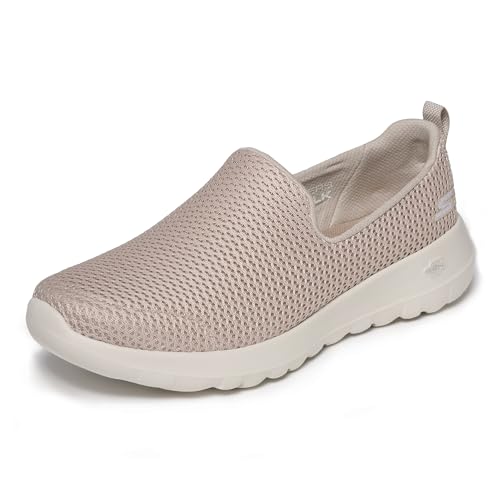
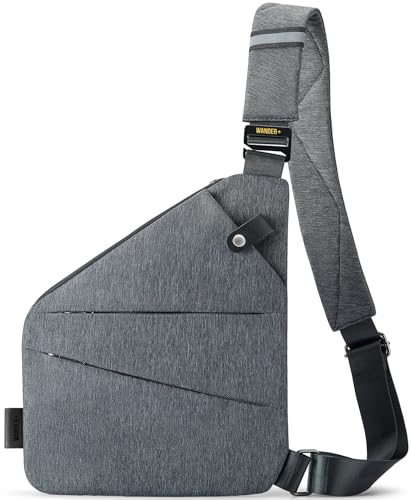
Six things worth packing for a Helsinki trip, whether you are visiting in winter dark or the long summer daylight.





Recommended blogs to read:
- the wider Finland things to do guide
- things to do in Lapland for the Arctic leg
- the 10 best Finland holiday destinations
- the best time to visit Finland
- traditional Finnish food to try in Helsinki
Iconic Helsinki Sights (Things 1 to 9)
The non-negotiable Helsinki list. These nine sights anchor any first visit, all within a 30-minute walk or one tram ride of each other, and they sit at the top of every Helsinki itinerary for a reason.
1. Senate Square and Helsinki Cathedral
Senate Square is the postcard image of Helsinki, an open neoclassical plaza dominated by the white-and-green Helsinki Cathedral standing at the top of a wide flight of steps. The square dates to the 1820s and was designed by Carl Ludvig Engel as the symbolic heart of the Russian-era capital, framed by the Government Palace on one side and the University of Helsinki on the other. Climb the cathedral steps for the panorama over the city and the harbor, walk inside (free entry) for the spare Lutheran interior, and stop at the small Crypt Cafe under the cathedral for a coffee in the original 19th-century vaults. The square hosts free summer concerts and the city’s main Christmas market in December. Most visitors take 45 minutes; the Crypt Cafe adds another 30. Trams 2, 4, 5, and 7 stop within two blocks.
2. Suomenlinna Sea Fortress (UNESCO)
Suomenlinna is the 18th-century sea fortress built across six interconnected islands at the entrance to Helsinki harbor, UNESCO-listed since 1991, and the single most important sight in the city after Senate Square. The HSL public ferry leaves Market Square every 20 to 40 minutes, takes 15 minutes, and costs €5 return (included free in any Helsinki day-card). Once on the islands you have six small museums, the working WWII submarine Vesikko, the original gunpowder magazines, miles of walking paths along the stone walls, and unbeatable views back at the Helsinki skyline. The Suomenlinna Brewery in a restored 18th-century building does proper lunch and locally-made beer. Pack walking shoes, the cobblestones are uneven and the wall edges have real drops. Three to four hours is a realistic visit including the brewery. The early-morning ferry beats the cruise-ship crowds by two hours, and the last ferry back to the mainland runs around 11pm in summer.
3. Temppeliaukio Church (the Rock Church)
Temppeliaukio is the famous “Rock Church,” excavated directly into solid granite bedrock in the Töölö district and completed in 1969 by brothers Timo and Tuomo Suomalainen. The interior is the showstopper: rough granite walls, a copper-disk ceiling, and natural light pouring through a continuous skylight ring at the dome’s edge. Acoustics are extraordinary, which is why the church hosts roughly 200 concerts a year, often Sibelius and Bach. Entry is €5 for adults, free during Lutheran services on Sunday mornings. Visit takes 20 to 30 minutes. The location at Lutherinkatu 3 is a 10-minute walk from the Sibelius Monument (item 13) and 15 minutes from the central station, so it pairs well with a Töölö walking loop.
4. Uspenski Cathedral and Katajanokka
Uspenski Cathedral is the red-brick Russian Orthodox cathedral on the small Katajanokka peninsula east of Market Square, the largest Orthodox church in Western Europe by floor area and one of the strongest visual contrasts to the Lutheran Helsinki Cathedral half a kilometer away. The 1868 building sits on a rocky outcrop with green onion domes, free entry, and a quiet hilltop courtyard with views back across the harbor to the south. Combine it with a walk through Katajanokka neighborhood itself, full of art-nouveau apartment blocks, the old customs warehouse converted into design shops, and the boutique Klaus K Hotel restaurant Toca for lunch. The Allas Sea Pool (item 12) is a 5-minute walk back toward Market Square. Cathedral visit takes 15 minutes; the whole Katajanokka loop runs about 90 minutes.
5. Helsinki Central Library Oodi
Oodi is Helsinki’s central library, opened in 2018, and the building has become the most-visited “non-tourist sight” in the city. The 17,000-square-meter wooden-clad structure across from the Parliament Building hits hard on every metric: World Building of the Year 2019, named the world’s best new public library by IFLA, hosts 10,000 visitors a day, and is genuinely used by locals as a working space (not as a quiet study library). Three floors: ground for events and a cafe, second for maker spaces with 3D printers and recording studios, top floor for the actual book collection with floor-to-ceiling windows and a wide outdoor balcony overlooking Toolonlahti Bay. Free entry, no ticket needed. Stop on the top floor for the view and the cafe; allow 45 minutes. A great rainy-day option that does not feel like a tourist activity.
6. Market Square (Kauppatori) and Esplanadi
Market Square is the working waterfront at the south end of Esplanadi park, where the Suomenlinna ferry docks, fishmongers sell smoked salmon from boats, and outdoor food stalls do reindeer meatballs and salmon soup straight off the harbor. The market runs daily April through October, then moves indoors to Old Market Hall in winter. Esplanadi park itself is the green spine of central Helsinki, lined with the original 19th-century commercial buildings of the Pohjoisesplanadi and Eteläesplanadi shopping streets where the original Iittala and Marimekko flagships still operate. Walk the full park north-to-south in 20 minutes, with the Kappeli restaurant at the eastern end (a historic glass-pavilion cafe-restaurant on the park) for a long lunch or summer-evening drinks on the terrace. Pair the Market Square + Esplanadi walk with the Old Market Hall (item 7) for the obvious 90-minute food-and-shopping loop.
7. Old Market Hall (Vanha Kauppahalli)
Old Market Hall is the indoor food market built in 1889, a red-brick hall on the harbor 200 meters west of Market Square. The hall packs 30-plus small food stalls into a working market where Helsinki locals actually shop: reindeer cuts at Lihatukku, smoked fish at Suomen Kalakauppa, Karelian piirakka with egg butter at Kahvila Lautasellinen, the famous arctic-cloudberry jam at the Lapland specialist stall, and a couple of tasting counters where you can grab a hot lunch standing at the counter. Open Monday through Saturday 8am to 6pm. The hall is genuinely small (90 meters long), so a casual walk-through plus lunch takes about an hour. The pricing is fair, not tourist-trap. Try the salmon soup and the rye-bread sandwich at any of the counters; pack a small bag of cloudberry jam to take home. Old Market Hall + Esplanadi + Senate Square forms a compact 3-hour central-Helsinki loop.
8. Amos Rex (Underground Modernist Museum)
Amos Rex is the buried contemporary art museum under Lasipalatsi Square, a striking 2018 addition to Helsinki’s museum scene with the entry rotundas pushing up from the plaza like crater rims. The underground galleries hold a rotating program of major contemporary and digital-art exhibitions (recent shows have included teamLab, Yayoi Kusama, and Generation 2026), plus a smaller permanent collection of 20th-century Finnish art. The museum sits inside the 1936 Bio Rex cinema building, and the cafe in the Lasipalatsi (Glass Palace) functionalist building above the museum is one of the best modernist interiors in Helsinki for a coffee break. Admission €22, closed Tuesdays. Important 2026 note: the Finnish National Museum is closed for major renovation until spring 2027, so substitute Amos Rex, Ateneum, or HAM as your main museum stop. Amos Rex visit takes 90 minutes.
9. Sibelius Monument in Sibelius Park
The Sibelius Monument is Eila Hiltunen’s 1967 abstract sculpture honoring the composer Jean Sibelius, made of 600 steel pipes welded into a sweeping wave-like form, with a separate bust of Sibelius added a year later after public complaints that the abstract version did not represent him. The monument sits in Sibelius Park in the Töölö district, a 25-minute walk from the central station or a quick ride on tram 4. The monument itself is a 10-minute photo stop, but the park is the bigger draw, especially in summer: a green oasis on the water, with Café Regatta (item 14) a 5-minute walk along the shore, and Finlandia Hall and the Helsinki Music Centre (item 15) accessible via a 15-minute walk back toward Töölö Bay. The combined Töölö loop runs about 90 minutes at an easy pace.
Design, Sauna, and Culture (Things 10 to 17)
The second layer of Helsinki, the city that draws design pilgrims and sauna enthusiasts from around the world. This is the cultural depth most first-time visitors miss; making time for a Design District walk plus one proper sauna visit transforms the trip.
10. Walk the Helsinki Design District
The Design District covers 25 city streets and roughly 200 shops, studios, galleries, and design-forward restaurants across Punavuori, Ullanlinna, and the southern edge of the city center. The walk takes 2 to 3 hours at a casual browsing pace, longer if you stop properly at the bigger stops. Pick up the free Design District map at the Design Museum or any tourist info point and follow it counter-clockwise from the Iittala flagship on Pohjoisesplanadi: the Marimekko flagship two doors down, Artek for original Aalto furniture, Lokal for Finnish art and crafts, Common Knowledge for ceramics, Nudge for jewelry, Lasikammari for handblown glassware, and the smaller Lumi atelier for Finnish leather goods. End at the Design Museum (item 16). Most visitors do not actually buy on the walk and use it as a museum-of-shops; a few small items (a Marimekko unikko mug, an Artek bookmark) go a long way as Finnish design souvenirs.
11. Sauna at Löyly (Designer Sauna on the Sea)
Löyly is the design-forward public sauna on the waterfront 1.5 km west of the city center in Hernesaari, opened in 2016 and now one of Helsinki’s signature experiences. The building is striking: a sloped wooden envelope of cedar staves designed by Avanto Architects, with three saunas inside (one smoke sauna), a Baltic Sea dip step right out the back, and a top-tier restaurant on the upper floor. Mixed-gender, swimsuit required, two-hour session €22 advance booking. The whole point is the dip: sauna heat for 8 to 12 minutes, walk straight out the back door, drop directly into the Baltic via the wooden ladder, repeat three or four times. The on-site restaurant does serious Nordic cooking (pickled herring, smoked perch, Finnish hops beer) and is bookable separately, ideal for an early dinner after a 6pm sauna session. Walk in armed with the basic Finnish sauna etiquette and the first löyly hits at minute three.
12. Allas Sea Pool (Year-Round Saunas + Outdoor Pools)
Allas Sea Pool is the year-round sauna and outdoor-pool complex at the edge of Market Square, the easiest way to do a sauna and Baltic dip in central Helsinki without booking ahead. Three saunas (two single-gender, one mixed), a heated 27°C outdoor pool, and an unheated Baltic seawater pool open year-round. The unheated pool in February is around 1°C, which is the proper avantouinti experience. Entry €19 day pass, no advance booking required for most slots, towel rental €4. Open 7am to 9pm weekdays. The Allas Cafe upstairs has the best central-Helsinki coffee with a harbor view; the on-site restaurant Aino does a solid Finnish breakfast for a sauna-first morning. The pure central location means Allas pairs naturally with the Senate Square + Market Square + Old Market Hall morning loop, then sauna in the afternoon when energy flags.
13. Ateneum Art Museum (Finland’s National Gallery)
Ateneum is the Finnish National Gallery, housed in an 1887 neoclassical building directly across from the central station. With the National Museum closed until spring 2027, Ateneum becomes the must-do museum of any Helsinki visit. The collection traces Finnish art from the 1840s forward, with the strongest holdings in the late-19th-century Golden Age painters: Akseli Gallen-Kallela (whose Kalevala-themed canvases anchor the collection), Albert Edelfelt, Helene Schjerfbeck, and Hugo Simberg’s haunting symbolist works including The Wounded Angel and Death and the Maidens. Three floors of permanent collection plus rotating special exhibitions. Admission €22, free on the first Friday of every month. The museum cafe in the inner courtyard is a quiet lunch stop. Allow 2 hours minimum; serious art visitors will want 3.
14. Kiasma Museum of Contemporary Art
Kiasma is Helsinki’s main contemporary art museum, housed in Steven Holl’s 1998 curving silver-clad building between Mannerheim Square and the Helsinki Music Centre. The collection focuses on Finnish and Nordic contemporary art from the 1960s forward, plus a strong rotating exhibition program that has shown major international artists (Anna Tuori, Erika Verzutti, Hiroshi Sugimoto, Olafur Eliasson in recent years). The building itself is the draw for a lot of visitors: a curving five-story interior that ramps continuously upward, with natural light entering through angled skylights and the famous third-floor balcony view back toward Parliament. Admission €18, closed Mondays. Kiasma + Ateneum + Amos Rex forms the Helsinki contemporary-and-classical art trifecta, all within a 10-minute walk of each other and the central station. Allow 90 minutes; combine with Oodi (item 5) for a full art-and-architecture afternoon.
15. Helsinki Music Centre and Finlandia Hall
The Helsinki Music Centre (Musiikkitalo) and Finlandia Hall sit a few hundred meters apart on the western edge of Toolonlahti Bay, forming the city’s classical music quarter. The Music Centre is the modern 2011 home of the Helsinki Philharmonic, the Finnish Radio Symphony Orchestra, and the Sibelius Academy, with five performance halls and a public lobby that hosts free concerts, exhibitions, and a strong cafe with the bay view. Finlandia Hall next door is Alvar Aalto’s 1971 white marble masterpiece, a UNESCO-tentative listing for the architecture alone, recently refurbished and reopened with public tours. Even without a concert ticket, the architecture pilgrimage is worth 45 minutes for the Aalto exterior and Finlandia’s signature lobby. If you can time a concert at the Musiikkitalo (tickets €25 to €80 typically), the acoustics are world-class and the hall is small enough that every seat is good.
16. The Design Museum (Helsinki Design Museum)
The Design Museum at Korkeavuorenkatu 23 in the Design District is the definitive home of Finnish design history, with a permanent collection that traces the Finnish heritage from Alvar Aalto’s bent-plywood furniture forward through Iittala, Marimekko, Arabia, the Lapponia jewelry house, and Kaj Franck’s Teema dinnerware. Rotating exhibitions deep-dive on individual designers or themes (recent shows have included Kaj Franck retrospective, the Pirkka Linen Mill, and the Iittala vase project). The building itself is a 19th-century neo-Gothic merchant’s hall with a quietly excellent gift shop on the ground floor where the prices are reasonable on small items. Admission €15, free on the first Tuesday of every month. Allow 60 to 90 minutes; pairs naturally with the end of the Design District walk (item 10).
17. Iittala, Marimekko, and Artek Flagships
The three legendary Finnish design flagships sit within 200 meters of each other on Pohjoisesplanadi at the eastern end of Esplanadi park, a walking tour that doubles as a museum of contemporary Finnish design. The Iittala flagship (Pohjoisesplanadi 23) has the full glassware collection including the Aalto vase and the colorful Kastehelmi range; Marimekko (Pohjoisesplanadi 33) is a two-floor temple to the unikko poppy print and the broader bold-pattern textiles since 1951; Artek (Keskuskatu 1B, off Esplanadi) has the original Aalto furniture line plus rotating exhibitions in the back gallery. The trio works as a 90-minute walking loop. Prices in all three are roughly the same as anywhere else in the world, but the selection is broader, the shopkeepers know more, and the buildings themselves are part of the experience. Pick one item to take home and resist buying anything large; shipping a chair home rarely makes sense.
Neighborhoods, Day Trips, and Hidden Helsinki (Things 18 to 25)
The Helsinki that opens up after day two. These eight items are the difference between a checklist trip and one that actually shows you the city the locals live in plus the day-trip-distance destinations that double the trip’s range.
18. Walk the Kallio District (Helsinki’s Brooklyn)
Kallio is the rapidly-gentrifying working-class district north of the central station, the closest Helsinki comes to a Brooklyn-style neighborhood scene: independent record stores, third-wave coffee shops, natural-wine bars, vintage furniture, and an evening drinking culture that runs late by Finnish standards. The traditional Kotiharjun sauna sits on Harjutorinkatu 1, the oldest still-functioning public sauna in Helsinki (since 1928) with single-gender wood-fired heat at €15 entry, no swimsuit, towel only. Around the sauna are excellent restaurants (Bar Bruno for natural wine, Putte’s Bar for pizza, Sandro for North African breakfast), the small Helsinki English Bookshop, and the Kallio Library in a converted 1912 building. A 90-minute Kallio walk plus sauna stop runs about 3 hours total. Tram 9 from the central station reaches Kallio in 12 minutes.
19. The Töölö Loop: Sibelius Park to Café Regatta
Café Regatta is the famous tiny red wooden cabin on the Töölö Bay waterfront, serving cinnamon buns from a wood fire under a string of fairy lights, with an outdoor fire pit in winter where customers gather with mugs of glögi (Finnish mulled wine). The cabin sits 200 meters from the Sibelius Monument, so the standard Töölö loop walks Sibelius Park → Sibelius Monument → cinnamon bun at Regatta → continue south along the bay to the Helsinki Music Centre. The walk is roughly 2 kilometers at flat-easy pace, lined with art-nouveau apartment blocks (the Töölö district is one of Helsinki’s most beautiful residential neighborhoods), and ends at the Music Centre or Oodi for a longer day. Café Regatta gets busy in summer afternoons; visit mid-morning weekdays or late evening for the cabin nearly to yourself.
20. Punavuori for Coffee, Pastries, and Hidden Bookshops
Punavuori is the design-and-cafe district immediately south of the city center, bordered by the Design District to the east and the harbor to the south, with the highest concentration of independent coffee shops, small bookshops, and design boutiques in the city. Start at Johan & Nyström (Kanavaranta 7) for the original-Helsinki specialty coffee, then walk south through the district: Way Bakery for sourdough and Karelian pies, Briós at Pursimiehenkatu for natural wine and small plates, Kappeli Books on Iso Roobertinkatu for the Helsinki literary scene’s home base, and Lokal gallery at Annankatu for rotating contemporary Finnish craft and ceramics. The whole district is 600 meters across, so a Punavuori afternoon runs 2 to 3 hours of slow browsing. Most shops are closed Sundays in winter, open Sundays in summer.
21. Take the Scenic Tram 4 Loop
Tram 4 is Helsinki’s accidental city tour, a single tram line that links almost every sight in this guide in roughly the order you would visit them, for €3 single ticket or free on a Helsinki day-pass. The route runs from Munkkiniemi in the west (a quiet upper-class residential neighborhood with the Alvar Aalto house and Hvitträsk lake views), past the Helsinki Music Centre, Finlandia Hall, the central station, Senate Square, the Market Square ferry terminal, then ends at Katajanokka by Uspenski Cathedral. The full loop takes 35 minutes end-to-end, and riding the whole thing once on day one gives you a moving city orientation that walking maps cannot match. Sit on the right side outbound from the center for the best Toolonlahti Bay views around Finlandia Hall, then switch to the left side after Market Square for the harbor. The tram comes every 8 minutes weekdays.
22. Day Trip to Porvoo Old Town
Porvoo is Finland’s second-oldest town, 50 kilometers east of Helsinki along the Gulf of Finland coast, and the standard half-day trip out of Helsinki. Buses run from Kamppi station roughly every 30 minutes (€8 each way, 1 hour journey, no booking needed) and drop you 200 meters from the wooden Old Town along the Porvoonjoki river. The Old Town is the postcard image: red-painted riverside warehouses converted into restaurants and design shops, narrow cobbled lanes, a 15th-century cathedral, and small shops selling handmade chocolate (Brunberg, the local institution, founded 1871), ceramics, and the famous Runeberg tortes from the bakery that invented them. Three hours covers the Old Town comfortably with a leisurely lunch by the river; the cathedral is worth 15 minutes; the lookout at Linnamäki gives the panoramic shot back across the wooden roofs. The Old Town gets crowded on summer Saturday afternoons; weekday visits land cleaner.
23. Day Trip to Tallinn by Ferry
Tallinn sits 80 kilometers south across the Gulf of Finland and is a 2-hour ferry from Helsinki, one of the best day-trip-distance excursions in Europe. The medieval Old Town is fully preserved, prices are around 40% below Helsinki levels, the food scene punches well above its weight, and you get a second European capital out of a single Helsinki base. Four operators run the route (Tallink, Viking Line, Eckerö, and the faster MyStarLine catamaran in summer), with the morning departure giving you 6 to 7 hours in Tallinn before the afternoon return. The Helsinki to Tallinn ferry guide covers the operator comparison, terminal locations, and the morning-vs-afternoon scheduling trade-off. Bring a passport even though it is technically Schengen-internal; the occasional border check on the gangway adds a queue minute if you do not have ID. Round-trip ferries run €30 to €50 depending on operator and time of week.
24. Hike Nuuksio National Park (45 Minutes from Center)
Nuuksio National Park is the wild Finland 35 kilometers northwest of central Helsinki, the easiest way to get into proper Finnish forest, lakes, and rocky outcrops without leaving the metropolitan area. Reach the park by bus 245 from Espoo Central (which is itself a 15-minute train from Helsinki on the U or L line) or the joint Helsinki regional train plus bus combo in about an hour total. Marked trails run from short 2-kilometer loops up to the 14-kilometer Haukkalampi-Mustakorpi route through dense pine forest, six small connected lakes, and bald granite outcrops with proper wilderness silence. Pack water, a packed lunch, and real hiking shoes (not city sneakers); the trails are rocky and exposed in places. The Finnish Nature Centre Haltia at the main entrance is worth 30 minutes for the orientation exhibit on the country’s national park system. Half a day plus the transit time. The Nuuksio National Park visitor guide covers the best entry points and the day-cabin rental options.
25. Visit the Alvar Aalto House and Studio in Munkkiniemi
The Alvar Aalto House and Studio in the western suburb of Munkkiniemi is the pilgrimage stop for any visitor with even passing interest in Finnish design. The 1935 house Aalto built for his own family and the 1955 separate studio next door are both preserved as originally furnished, by guided tour only (one of the rare Helsinki sights where reservations matter, so book online a week ahead in peak season). The house is genuinely small (about 200 square meters across two floors) but every surface is by Aalto: built-in birch shelving, brick fireplace, the original 41 Paimio chairs, the studio’s huge north-facing windows for daylight drawing. Combined-ticket €30 covers both buildings and the half-hour tour. Tram 4 reaches Munkkiniemi in 25 minutes from the central station. Pairs naturally with a long Munkkiniemi loop including the Hvitträsk lake views and the Munkkiniemi shore walk.
How to Plan a Helsinki Trip Around These 25 Sights
The most common Helsinki itinerary mistake is trying to do too many museums on day one. Helsinki rewards a slower pace: pick the iconic sights for day one as a walking loop, the museum-and-design layer for day two, and Tallinn or Nuuksio for day three if you have it. Two full days is the realistic minimum to see the core; three days lets you add a day trip; five days lets you go properly slow and add a sauna visit per day.
For first-time visitors, a clean 3-day plan looks like this. Day 1: Senate Square + Cathedral, Old Market Hall lunch, walk to Suomenlinna by ferry, afternoon Allas Sea Pool sauna, dinner in Punavuori. Day 2: Ateneum or Amos Rex morning, Esplanadi flagships (Iittala, Marimekko, Artek), Design District walk, Löyly sauna in the late afternoon, dinner in Kallio. Day 3: morning ferry to Tallinn for 6 hours, evening back at Töölö loop (Sibelius Monument + Café Regatta) or a concert at Helsinki Music Centre.
Get a Helsinki Card for the public transport + museum-discount combination if you are doing 2+ days; the 48-hour version covers trams, the Suomenlinna ferry, and discounts at Ateneum, Kiasma, Amos Rex, and the Design Museum. Hotel-wise, central Helsinki is small enough that staying anywhere from Töölö to Punavuori works; Kruununhaka (the block north of Senate Square) is the most walkable base.
Pairing Helsinki with a Lapland leg or a Tallinn extension and trying to make the train and ferry timing actually fit?
The Ultimate Europe Trip Planner sequences Helsinki + Lapland + Tallinn into one trip with the Santa Claus Express sleeper-train timing and the ferry windows already built in, so the full route fits without losing days to transit.
Frequently Asked Questions
How many days do you need in Helsinki?
Two full days is the realistic minimum to cover the iconic Helsinki sights, the design and sauna layer, and Suomenlinna. Three days lets you add a day trip to Porvoo, Tallinn, or Nuuksio. Five days is the slow-pace version with multiple sauna visits and a longer time in each museum. Most visitors find three days the right balance for a first-time Helsinki visit, especially if pairing it with a Lapland leg.
What is the number-one thing to do in Helsinki?
Suomenlinna sea fortress is the single highest-impact thing to do, paired with Senate Square + Helsinki Cathedral for the iconic core. The Suomenlinna ferry runs every 20 to 40 minutes from Market Square, costs €5 round trip, and the islands fill a half-day comfortably. Pair it with a sauna visit at Löyly or Allas Sea Pool for the proper Finnish-capital experience.
Is Helsinki expensive?
Helsinki is moderately expensive on the European scale, comparable to Berlin or Amsterdam and noticeably cheaper than Stockholm or Copenhagen. Daily mid-range budgets land around €130 to €180 per person including a 3-star hotel, sit-down lunches, museum tickets, and one sauna visit. Mid-range hotels run €130 to €200 a night, dinner at a standard restaurant is €40 to €60 per person without wine, and a sauna day pass is €15 to €22.
What is the best month to visit Helsinki?
Late May through early September is the easy answer for first-time visitors: long daylight hours (up to 19 hours in June), warm enough for Baltic swimming, and the Suomenlinna ferry runs hourly. Winter Helsinki (December and January) is its own thing, Christmas markets, Senate Square decorations, and sauna culture at its peak, but the daylight drops to 6 hours so the trip is darker and the day-trip range to Porvoo and Nuuksio is limited.
Is the Finnish National Museum open to visit?
No, the Finnish National Museum is closed for a major renovation until spring 2027. For the historical-Finland angle, substitute Ateneum (the Finnish National Gallery) for the country’s art history, or visit the Helsinki City Museum at Senate Square (free entry, smaller scope, focused on the city’s history specifically) for the Helsinki-specific story.
Key Takeaways
- Helsinki breaks into three layers: the iconic sights (Senate Square, Suomenlinna, Cathedral, Oodi), the design + sauna + culture layer (Design District, Löyly, Ateneum, Marimekko), and the neighborhood + day-trip layer (Kallio, Töölö, Porvoo, Tallinn, Nuuksio).
- Three days is the right amount for a first visit, two days is the rushed minimum, five days lets you go slow with multiple sauna visits.
- The Finnish National Museum is closed until spring 2027; substitute Ateneum, Amos Rex, or Kiasma as your main museum stop.
- The tram 4 loop is the accidental city orientation that links most sights in one 35-minute ride; do it on day one.
- One proper public sauna visit (Löyly or Allas Sea Pool) plus the Suomenlinna ferry is the non-negotiable Finnish-capital combo. Skip everything else before you skip these.
Final Thoughts
Helsinki is the rare European capital that does not require you to fight the city to enjoy it. The sights are walkable, the design culture is a working part of daily life rather than a museum, and the sauna at the end of the day is an actual ritual rather than a tourist add-on. Pick the three or four items from this list that match your interests, give them proper time, and the city opens up the way locals see it.
For the broader Nordic context, the northern lights timing guide covers when to add a Lapland leg to a Helsinki base, and the winter in Finland guide handles the December-to-February version of the trip when the city is at its most magical and the days are at their shortest.
You should have mentioned the Moomins! Moomins are so important in Finland, and in Helsinki there are lots of places to find them, from Moomin Shops to the Tove Jansson’s permanent exhibition at HAM. If you don’t know who they are, you will definitely see them everywhere you go in Finland (look out for round, white creatures with a big snout).