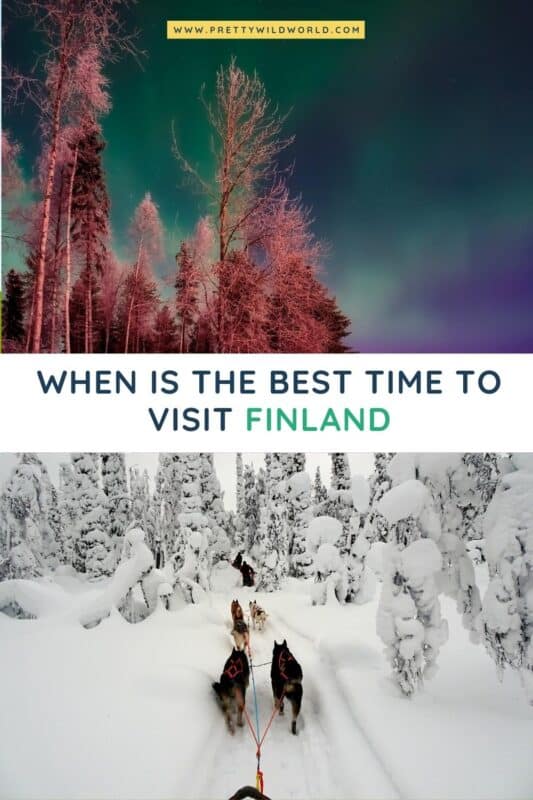
Quick Answer: The aurora viewing window in Finland runs late August through early April, with the strongest sighting rates from late September through mid-March. Lapland delivers reliable aurora visibility on 150 to 200 clear nights per year at latitudes above the Arctic Circle. The 2026 elevated Solar Cycle 25 activity keeps sighting rates high through the season. Peak months for combining cold-weather operations with high probability run December through February. Shoulder weeks late August through September and late March through April trade slightly reduced sighting frequency for substantially warmer outdoor conditions (minus 5 to plus 8 Celsius vs minus 20 to minus 35 midwinter). Plan 4 to 6 nights minimum in Lapland to absorb the cloud-cover variability.
An aurora trip is fundamentally a probability problem. Clear-sky nights are roughly half of all winter nights at Lapland latitudes. Geomagnetic activity sufficient to push aurora visible across the standard tourist zone happens often but never on a guaranteed schedule. Stack the math: 4 nights of clear sky during a 6-night Lapland visit is plausible; 6 of 6 is uncommon; 2 of 6 happens often enough that single-night aurora hopes regularly fail.
The Finnish aurora viewing window runs late August through early April. Within that window, the central question is whether you trade cold for darkness or daylight for warmth. Midwinter (December through February) delivers maximum darkness with minimum outdoor comfort: minus 20 to minus 35 Celsius nighttime, 18 to 22 hour nights, polar-night conditions in the northernmost municipalities. Shoulder windows (late August to September, late March to April) deliver substantially warmer conditions at minus 5 to plus 8 Celsius with shorter dark windows but still sufficient nighttime for aurora visibility.
The 2026 calendar runs particularly favorable for aurora viewing. Solar Cycle 25 (the current 11-year solar activity cycle) peaked in 2024 to 2025 but continues to deliver elevated activity through 2026 to 2027 in the declining phase. Aurora sighting rates remain elevated above the long-term average across the full 2026 season. The 12-month timing breakdown below covers when to visit, where to go in Lapland, and how to plan the trip around the cloud-cover constraint that finally determines whether you see the aurora at all.
Building the Lapland aurora trip with Rovaniemi, Saariselkä, or Inari as the base and 4 to 6 nights for clear-sky probability?
The Ultimate Europe Trip Planner sequences the aurora trip in one editable document.
Recommended Aurora Hunting Essentials
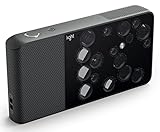
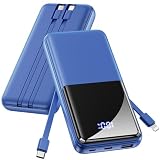
Six items worth packing for the aurora-focused Lapland trip; the camera and the cold-weather battery bank are the highest-value items because aurora photography fails fast in extreme cold without proper battery management.


Recommended blogs to read:
- best places for northern lights in Finland
- northern lights tour Rovaniemi
- aurora forecast apps for Finland
- northern lights photography settings
- Finland winter packing list
12 Things to Know About Aurora Timing in Finland
The 12 entries below cover the aurora viewing window from the season opening late August through the closing in early April, plus the practical month-by-month and probability planning detail that determines whether the trip succeeds.
1. The Aurora Season Opens Late August
The Lapland aurora season opens in late August once the midnight-sun period ends and the nights grow dark enough for aurora visibility against the sky. The first reliable aurora viewing dates run from approximately August 20 in Rovaniemi (66.5°N) onward, extending to late August in the northernmost municipalities like Utsjoki and Nuorgam. Late August trips run with mild conditions (plus 5 to plus 12 Celsius nighttime) and short dark windows (about 5 hours of sufficient darkness for aurora viewing per night). Ruska autumn foliage runs concurrent in early-to-mid September, making the dual ruska-and-aurora trip the strongest shoulder-season Lapland format.
Read also: autumn in Finland for the ruska context that pairs with the late-August-to-September aurora window.
2. September Delivers Warmth Plus Aurora
September runs as one of the strongest aurora-trip months despite shorter dark windows than midwinter. Nighttime temperatures stay at minus 5 to plus 8 Celsius in Lapland, making outdoor aurora viewing substantially more comfortable than December through February. Dark window grows from 5 hours at month start to 10 hours by month end. Sighting probability remains high on clear nights. Lapland-specific hotel pricing runs 30 to 40 percent below December-through-February peak. September trips work particularly well for first-time aurora travelers who want lower-stakes outdoor conditions before committing to a deep-winter Lapland visit.
Read also: things to do in Rovaniemi for the September Lapland-capital visit context.
3. October and November Run Quiet Pre-Christmas
October and November sit as the quietest aurora-season months between the September ruska crowds and the December Christmas-tourism peak. Lapland temperatures drop from plus 3 to minus 10 across the two months. Daylight contracts rapidly with the polar night opening at Nuorgam on November 25. Aurora viewing reaches peak frequency as nights grow longest of the year. Hotel pricing hits annual low at most Lapland properties between October 15 and December 10. The trade-off is unpredictable early-winter weather and the snow-cover transition that varies year-to-year. October and November suit budget-led aurora trips wanting maximum value plus minimal crowds.
Read also: Inari and Saariselkä combined guide for the quieter northern Lapland anchor towns that run particularly well in the October-November shoulder window.
4. December Through February Holds the Probability Peak
December through February delivers the highest aurora sighting probability of the year. Lapland nights run 18 to 22 hours of darkness, giving substantial viewing window per 24-hour cycle. Solar Cycle 25 activity remains elevated through 2026. The trade-off is severe cold (minus 20 to minus 35 Celsius typical, with cold snaps to minus 40) and short daylight (0 to 4 hours in Lapland depending on latitude). Hotel pricing runs at annual peak through Christmas week (December 22 to January 2) before dropping 30 to 50 percent through January and February. The Christmas-tourism crowds run particularly heavy at Santa Claus Village and the glass-igloo properties; book 6 to 12 months ahead for the Christmas-week dates.
Read also: winter in Finland for the broader winter activity context that pairs with the December-through-February aurora window.
5. March Runs the Strongest Spring Aurora Weeks
March holds the strongest spring aurora window with substantial sighting probability through the first 3 weeks plus rapidly extending daylight (Lapland gains about 7 minutes per day, reaching 12 hours by month end). Nighttime temperatures lift from minus 15 to plus 2 across the month. Lapland snow conditions remain firm with substantial activity availability (husky, snowmobile, cross-country skiing) at higher daylight hours than midwinter. The Equinox effect (March 20) historically delivers elevated aurora activity at the equinox window. March trips combine substantial aurora probability plus the longest-daylight outdoor experience the season offers.
Read also: spring in Finland for the broader spring-Lapland context that surrounds the late-aurora-season visit.
6. The Season Closes Through Early April
The aurora viewing season effectively closes through the first 2 weeks of April as Lapland night lengths drop below 6 hours of sufficient darkness for reliable aurora visibility. The last reliable sighting weeks run through approximately April 10 across central Lapland; northernmost Utsjoki and Nuorgam extend the visibility to about April 15 to 20 due to higher latitude. Outdoor conditions run mild (plus 2 to plus 10 Celsius typical). Snow remains firm through early April making ski activities still available. The aurora-and-spring-skiing combination is the standard format for travelers wanting the closing-window experience.
Read also: cross-country skiing in Finland for the spring-skiing context that pairs with the closing-aurora-window visit.
7. Latitude Matters More Than Calendar Date
Within the aurora season, latitude affects sighting probability substantially more than the specific calendar date. Saariselkä and Inari at 68°N hold the strongest sighting rates with aurora visible on 150 to 200 clear nights per year. Utsjoki and Nuorgam at 69 to 70°N run similar probability but with even longer winter nights. Rovaniemi at the Arctic Circle (66.5°N) runs solid sighting rates with the broader operator selection. Southern Lapland (Kemi, Tornio) holds visible aurora on the strongest geomagnetic storm nights but not the regular visible-from-anywhere pattern. Traveling 200 km further north can substantially improve sighting probability.
Read also: things to do in Finland for the broader northern Finland trip context that pairs with the latitude-and-aurora planning.
8. Cloud Cover Is the Single Biggest Variable
The aurora trip succeeds or fails on cloud cover. Lapland averages about 50 percent cloudy nights through the aurora season; the other 50 percent are clear enough for visibility. Cloud cover varies week-to-week and night-to-night with no reliable long-range forecast beyond 3 to 5 days. The practical implication: 4 to 6 nights minimum in Lapland gives the statistical probability of 2 to 3 clear nights for aurora viewing. Single-night or 2-night Lapland trips frequently fail the cloud-cover lottery. Plan the trip duration around cloud probability rather than around minimum required activities.
Read also: things to do in Rovaniemi in winter for the cloudy-night Lapland indoor alternatives that pair with the aurora trip.
9. KP Index Determines Aurora Strength
The Kp index measures geomagnetic activity on a 0 to 9 scale and indicates aurora visibility. Lapland aurora is visible from Kp 2 upward; stronger displays run Kp 4 to 6; rare extreme storms hit Kp 7 to 9 with aurora visible across all of Finland down to Helsinki latitude. Real-time Kp tracking runs through apps including My Aurora Forecast, NorthernLightsAlert, and the Finnish Meteorological Institute aurora pages. Tour operators monitor KP plus cloud cover continuously during the evening window. The 2026 Solar Cycle 25 declining phase keeps average Kp elevated above long-term baseline.
Read also: Santa Claus Village Rovaniemi for the broader Rovaniemi visitor context that surrounds the operator-level aurora tour decisions.
10. Best Hours Run 9pm to 2am Local Time
The strongest aurora viewing hours run roughly 9pm to 2am local Finnish time when the magnetic pole orientation favors aurora visibility from Lapland latitudes. Standard aurora chase tours run 8pm or 9pm departures with 4 to 5-hour outdoor windows ending around midnight or 1am. The peak photography hours sit 10pm to midnight when the auroral oval typically reaches its strongest position over northern Finland. Single late-night trips outside the standard 9-to-2 window often miss the peak visibility regardless of clear sky and elevated KP. Build the evening schedule around this hour band.
Read also: snowmobile safari in Lapland for the operator-led aurora-window evening activity that fits the 9pm-to-2am peak hours.
11. Glass Igloo Stays Boost Sighting Probability
Glass igloo properties (Kakslauttanen, Levin Iglut, Aurora Cabins, Star Arctic) substantially boost aurora sighting probability by removing the cloud-vs-warmth tradeoff. From a glass igloo you wake to check the sky whenever you naturally turn over during the night; over 6 nights this typically catches 1 to 3 aurora displays even on otherwise low-probability trips. The trade-off is substantial accommodation pricing (EUR 350 to EUR 850 per night peak) and the booking lead time (6 to 12 months ahead for Christmas weeks). Glass igloo trips work particularly well for travelers wanting one substantial aurora-related accommodation experience rather than committing to a full multi-night chase-tour format.
Read also: glass igloo stays in Finland for the 15-property comparison and booking-strategy guide.
12. 2026 Solar Cycle Conditions
Solar Cycle 25 (the current 11-year solar activity cycle that runs roughly 2019 to 2030) peaked in 2024 to 2025 but continues to deliver elevated activity through 2026 to 2027 in the declining phase. Average Kp values remain elevated above the long-term solar-minimum baseline through 2026 with substantial geomagnetic activity expected through 2027. The implication for trip planning: 2026 and 2027 remain favorable aurora-viewing years before the activity decline accelerates in 2028 to 2030. Travelers considering the Finland aurora trip should not wait beyond 2027 for the next strong viewing window.
Read also: things to do in Lapland for the broader Lapland trip context that supports the 2026-2027 aurora-window decision.
Sequencing 4 to 6 Lapland nights with a Helsinki anchor and the right glass-igloo or chase-tour combination?
The Ultimate Europe Trip Planner builds the aurora trip in one editable document.
Frequently Asked Questions
When is the best time to see Northern Lights in Finland?
Mid-December through mid-March holds the peak aurora viewing window with maximum darkness, peak Solar Cycle 25 activity, and substantial sighting frequency on clear nights. Late August through September and late March through April run as shoulder windows with substantially warmer conditions but shorter dark hours. The single strongest single month for combining cold-weather tolerance with high probability is February.
How many nights do I need in Lapland to see aurora?
Plan 4 to 6 nights minimum to absorb the cloud-cover variability. Lapland averages about 50 percent cloudy nights through the aurora season; 4 to 6 nights gives the statistical probability of 2 to 3 clear nights for aurora viewing. Single-night or 2-night Lapland trips frequently fail the cloud-cover lottery. Glass igloo stays improve the probability further since you naturally check the sky overnight.
Where in Lapland is best for aurora viewing?
Saariselkä and Inari at 68°N hold the strongest sighting rates with aurora visible on 150 to 200 clear nights per year. Utsjoki and Nuorgam at 69 to 70°N run similar probability but with even longer winter nights and substantially harder transit access. Rovaniemi at the Arctic Circle (66.5°N) runs solid sighting rates with the broader operator selection. The dedicated best places for northern lights in Finland guide covers the 12-location ranking.
What is the KP index?
The Kp index measures geomagnetic activity on a 0 to 9 scale and indicates aurora visibility. Lapland aurora is visible from Kp 2 upward; stronger displays run Kp 4 to 6; rare extreme storms hit Kp 7 to 9 with aurora visible across all of Finland down to Helsinki latitude. Track real-time Kp through apps like My Aurora Forecast, NorthernLightsAlert, and the Finnish Meteorological Institute aurora pages.
Is 2026 a good year for aurora viewing?
Yes. Solar Cycle 25 peaked in 2024 to 2025 but continues to deliver elevated activity through 2026 to 2027 in the declining phase. Average Kp values remain above the long-term solar-minimum baseline through 2026 with substantial geomagnetic activity expected through 2027. Travelers considering the Finland aurora trip should not wait beyond 2027 for the next strong viewing window.
Can you see aurora in Helsinki?
Rarely. Helsinki sits at 60°N on the southern edge of the aurora oval. Northern lights are visible from Helsinki only during particularly strong geomagnetic storms (Kp index 6 or higher), happening roughly 5 to 15 times per winter. For reliable aurora viewing, travel to Lapland (Rovaniemi at 66.5°N or further north).
Key Takeaways
- Aurora season runs late August through early April; mid-December through mid-March peak probability.
- Plan 4 to 6 nights minimum in Lapland; ~50% cloud-cover average means single-night trips frequently fail.
- Saariselkä and Inari at 68°N hold strongest sighting rates (150-200 clear nights/year); Rovaniemi runs solid with broader operator selection.
- Peak viewing hours 9pm to 2am local time; Kp 2+ delivers visible aurora in Lapland; Kp 6+ down to Helsinki rare.
- 2026 Solar Cycle 25 declining phase keeps activity elevated through 2027; do not wait beyond 2027 for the next strong window.
Final Thoughts
Aurora trip success runs on three variables: latitude (further north helps), trip length (4 to 6 nights minimum), and timing within the August-to-April window. The 2026 Solar Cycle 25 declining phase keeps probability favorable through 2027 before the next solar minimum slows activity. Shoulder months (September, late March) trade slight probability reduction for substantially warmer outdoor conditions; midwinter trades cold for maximum darkness and peak probability. For the broader best-time-to-visit calendar across all Finland trip shapes, the best time to visit Finland guide covers the month-by-month context.