
Quick Answer: Spring in Finland (kevat) runs late March through late May with the thaw progressing from south to north. Vappu (May 1) anchors the season as the biggest spring celebration with student festivities, sima fermented lemon drink, tippaleipä funnel cakes, and Kaivopuisto Park picnics. The Lapland spring-skiing window extends into May with the longer daylight. The last aurora viewings happen late March; the first cuckoo calls mark spring’s arrival in April. Birch sap (mahla) tapping season runs late April through early May. By late May daylight reaches 18+ hours in Helsinki, transitioning into the white-night summer. Pack waterproof rain boots and a layered system that handles the unpredictable thaw weather.
Most European springs arrive as a gradual softening. Finnish spring arrives as a violent thaw, with the ice on the lakes breaking up audibly in late April, the snow disappearing from Helsinki streets in 7 to 10 days, and the city’s tree canopy filling in across a single Vappu weekend.
The spring season runs as three overlapping experiences. The thaw progresses geographically from late March in Helsinki and southern Finland through late May in Lapland; trip planning depends entirely on which region the visit anchors on. Vappu (May Day, May 1) is the cultural anchor with the student festivities, the sima fermented lemon drink, and the picnics in city parks across the country. The light-and-daylight shift is dramatic with Helsinki gaining 4 to 5 hours of daylight between March and May.
The aurora season closes through late March in Lapland; by April the nights run too short for reliable aurora viewing. The Lapland spring-skiing season runs the opposite direction with the longer daylight extending the ski day into late April and early May at the top resorts (Levi, Yllas, Ruka). Birch sap (mahla) tapping is a distinctly Finnish spring tradition that runs late April through early May. The first warm Sunday triggers the seasonal migration to terraces, parks, and public saunas across the country.
Planning the Finnish spring trip with Vappu in Helsinki, Lapland spring skiing, and the aurora-and-thaw shoulder weeks?
The Ultimate Europe Trip Planner maps the spring trip across regions and weeks in one editable document.
Recommended Finnish Spring Travel Essentials
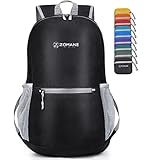
Six items worth packing for the Finnish spring trip; the waterproof rain boots and the packable raincoat are the highest-value items because the thaw weather flips between dry sun, sleet, and slush across single days.




Recommended blogs to read:
- things to do in Finland
- things to do in Lapland
- ETIAS visa guide for Finland
- is Finland expensive
- Finland currency and money guide
12 Best Things to Do in Finland in Spring for 2026
The 12 activities below cover the realistic Finnish spring trip across Vappu festivities, thaw-season activities, Lapland late-ski windows, and the cultural rhythm shift from winter to summer. Each entry notes the timing, the regional anchor, and the kind of spring day the activity suits best.
1. Vappu May Day, Student Festivities and Vappuaatto
Vappu (May 1) is the biggest Finnish spring celebration and the second-biggest annual party after Juhannus midsummer. The festivities start the evening before (Vappuaatto, April 30) with student gatherings at Havis Amanda statue in Helsinki where a white sailor cap (ylioppilaslakki) is ceremonially placed on the statue’s head. Students wear the same white caps across the entire Vappu weekend; the cap is awarded at high-school graduation and worn for life on Vappu. Parks fill with picnics; sima fermented lemon drink and tippaleipä funnel cakes appear at every gathering. Helsinki, Tampere, Turku, and Oulu run the largest student-led festivities. Allow the full day for the central Helsinki Vappu experience.
Read also: things to do in Helsinki for the central Vappu locations including Havis Amanda and Kaivopuisto Park.
2. Sima Fermented Lemon Drink and Tippaleipä Funnel Cakes
Sima is the traditional Finnish Vappu drink: lemon, sugar, and yeast fermented for 3 to 4 days into a mildly carbonated lightly alcoholic refreshment (usually 0.5 to 1 percent alcohol by volume). Most Finnish families brew sima at home in the days leading up to Vappu; supermarkets sell ready-made versions but the homemade tradition is central to the holiday. Tippaleipä is the Vappu funnel cake: thin batter piped through a funnel into hot oil, fried into a tangled lacy shape, and dusted with powdered sugar. Together the two define the Vappu picnic table alongside the herring, sausages, and decorated cakes. Visit Helsinki bakeries from late April for the seasonal tippaleipä; the Café Esplanad version is particularly recognized.
Read also: best cafes in Helsinki for the central bakeries that produce the seasonal Vappu pastries.
3. Helsinki Vappu Picnic in Kaivopuisto Park
The May 1 Vappu picnic in Kaivopuisto Park is one of the largest single-day Helsinki gatherings of the year, with tens of thousands of residents and visitors converging on the seaside park with picnic blankets, champagne, sima, tippaleipä, and elaborate Vappu food spreads. The atmosphere runs festive-and-loud rather than reserved; expect live music, costumes, and the heaviest concentration of white student sailor caps anywhere in Finland. Arrive early (10am to noon) for the best picnic spots; weather can range from sunny-and-warm to sleet-and-rain so pack a waterproof picnic blanket. The Kaivopuisto Vappu picnic is one of the strongest single Finnish cultural experiences a visitor can attend.
Read also: Helsinki neighborhood guide for the Eira and Ullanlinna area context that surrounds Kaivopuisto Park.
4. Spring Thaw Timing by Region
The Finnish spring thaw progresses geographically from south to north across roughly 6 to 8 weeks. Helsinki snow typically melts in late March (with sporadic fresh snow possible through April); central Finland (Tampere, Jyvaskyla) thaws in early-to-mid April; eastern Finland (Joensuu, Kuopio) thaws mid-April; Lapland (Rovaniemi) thaws late April through early May; far-north Lapland (Inari, Saariselka) holds snow into mid-May or later in cold years. Trip planning depends entirely on what experience the visit anchors on: the city-and-Vappu trip works late April through early May in Helsinki; the Lapland late-snow-and-spring-ski trip works April through early May in Levi, Yllas, or Ruka.
Read also: things to do in Rovaniemi for the Lapland-base context that anchors most spring-skiing trips.
5. Birch Sap Mahla Tapping Season
Mahla (birch sap) is a distinctly Finnish spring drink tapped from birch trees for 2 to 3 weeks in late April through early May when the rising sap runs strongest. The taste is mildly sweet with a faint vegetal note; Finns drink it fresh, refrigerated, or ferment it into spring beer (sahti variants). Mahla appears in supermarkets in seasonal bottles, in farmers markets across Finland, and in farm-shop locations across the countryside. The tradition belongs to the broader Finnish forest culture and connects to the same everyman’s right legal foundation as mushroom and berry foraging. Trying mahla once at a Finnish supermarket or market is a strong cultural marker for any spring Finland visit.
Read also: Mökki cottage culture in Finland for the broader Finnish forest-tradition context that mahla tapping belongs to.
6. The First Warm Sunday, Terrace and Sauna Culture
Helsinki has a near-mythical concept of “the first warm Sunday” of spring (usually mid-April through early May depending on the year), when the temperature first crosses 15 Celsius on a weekend day and the entire city migrates outdoors. Terraces that opened a week earlier finally fill; the public saunas (Loyly, Allas, Kulttuurisauna) see queues for the first time since the previous summer; Esplanadi tree-lined avenue fills with strollers; Kaivopuisto Park hosts picnics. The shift from indoor-winter Helsinki to outdoor-spring Helsinki happens essentially overnight on this day. Track the weather forecasts in late April to time the trip; the first warm Sunday is genuinely one of the best Helsinki days of the year.
Read also: Finnish sauna etiquette for the public-sauna code that the spring terrace-and-sauna culture depends on.
7. Cuckoo Arrival as Traditional Spring Marker
The first cuckoo call (kakanha kukunta) is the traditional Finnish spring marker, with the bird arriving from southern Africa in late April through early May. Finnish folklore holds that the direction from which you first hear the cuckoo in spring predicts the year: east means happiness, west means money, south means love, north means sorrow. The Finnish Bird Society tracks the first cuckoo calls across the country with an online map updated daily. While the cuckoo tradition is a folk-cultural quirk rather than a trip-planning anchor, hearing the first cuckoo during a spring Finland visit is a distinct cultural marker.
Read also: Finnish phrases for travelers for the basics that turn the cuckoo-folk-tradition conversation from spectator to participant.
8. Lapland Spring Skiing, Longer Daylight
Lapland’s top ski resorts (Levi, Yllas, Ruka, Tahko, Saariselka) extend their season through late April with some operations into early May. The spring-skiing window holds a substantial advantage over the December-to-February peak: daylight runs 14 to 17 hours rather than 2 to 6, which lets the ski day extend from 9am to 7pm rather than ending at 3pm in midwinter. Snow conditions remain reliable through April at the top resorts with the artificial-snow operations carrying through the warmer mornings. Lift-ticket pricing drops 15 to 30 percent versus February peak. The spring-skiing trip suits travelers wanting Lapland skiing without the brutal cold or the short midwinter daylight. Book ahead for Vappu weekend which sees the largest Finnish-domestic ski-resort visitor numbers.
Read also: cross-country skiing in Finland for the alternative ski format that runs at the same Lapland resorts.
9. Spring Aurora, Last Viewing Weeks Late March
The Lapland aurora season closes through late March as the nights shorten enough that the aurora becomes invisible against the lighter sky. Late-March aurora trips run with substantially warmer outdoor conditions (minus 5 to plus 5 Celsius) than the December-to-February peak, and the elevated 2026 Solar Cycle 25 activity keeps sighting rates strong. By mid-April the nights are too short across all of Lapland for reliable aurora viewing; the aurora season effectively ends. Travelers wanting both aurora and spring conditions should plan for the late-March window with Saariselka, Rovaniemi, or Inari as the base. The combined spring-skiing-and-aurora trip is a strong dual-experience late-season Lapland format.
Read also: aurora forecast apps for Finland for the daily KP-index and forecast tools that time the late-season aurora viewing windows.
10. Helsinki Spring Walks Reopening
Helsinki’s spring walks open gradually from late March as the snow melts off the central streets and parks. The Esplanadi central avenue clears first followed by Kaivopuisto Park, Suomenlinna island (the ferry runs year-round but the walking conditions improve significantly in April), and the Töölö lake-and-Sibelius-park circuit. The Helsinki Cathedral steps fill with sun-seeking residents as the temperatures hit 10 Celsius. The summer terraces at Café Regatta, Mattolaituri, and Holiday Bar open through April and May. By the first warm Sunday (mid-to-late April) the city has fully shifted from indoor-winter mode to outdoor-spring mode.
Read also: best bars in Helsinki for the seasonal waterfront bars that open through April and May.
11. Practical Packing for the Finnish Thaw
Finnish spring weather is unpredictable and pack accordingly. March and early April run 0 to 8 Celsius in Helsinki with frequent sleet and slush; pack waterproof rain boots, a packable raincoat, a fleece or light down mid-layer, and a merino base layer. Late April through May runs 5 to 18 Celsius with rapidly variable conditions; pack the same waterproof outer layers plus lighter mid-layer options. Lapland trips through April and early May need the full winter packing list with insulated boots, down parka, and warm hat for the cold mornings and evenings; daytime temperatures may run 10 Celsius warmer than the morning low. Polarized sunglasses are essential for the snow-glare ski days.
Read also: Finland winter packing list for the cold-weather essentials that extend into the spring Lapland trip.
12. When to Visit, March vs April vs May Trip Shapes
The three spring months produce three meaningfully different Finland trip shapes. March suits last-aurora-window Lapland trips with longer daylight than midwinter; Helsinki is still substantially snow-covered. April suits the Lapland spring-skiing window with reliable snow and 14+ hour daylight; Helsinki thaws gradually with unpredictable weather. May suits the Vappu festivities (May 1), the first-warm-Sunday Helsinki shift, and the early summer transition with rapidly lengthening daylight (18+ hours by month-end). The single strongest spring trip lands late April through early May covering Vappu in Helsinki plus a Lapland spring-skiing extension. May is also when accommodation pricing sits at its lowest before the summer peak begins June 1.
Read also: 7-day Finland itinerary for the trip-shape sequencing that fits the spring Finland visit.
Combining Vappu in Helsinki with a Lapland spring-skiing extension for the full spring trip?
The Ultimate Europe Trip Planner sequences the city and Lapland legs into the spring itinerary in one editable document.
Frequently Asked Questions
What is Vappu in Finland?
Vappu (May 1) is the biggest Finnish spring celebration and the second-biggest annual party after Juhannus midsummer. The festivities start the evening before (Vappuaatto, April 30) with student gatherings at Havis Amanda statue in Helsinki where a white sailor cap is ceremonially placed on the statue’s head. Students wear the same white caps across the entire Vappu weekend. Parks fill with picnics; sima fermented lemon drink and tippaleipä funnel cakes appear at every gathering.
When does the snow melt in Finland?
Helsinki snow typically melts in late March (with sporadic fresh snow possible through April). Central Finland thaws in early-to-mid April. Eastern Finland thaws mid-April. Lapland (Rovaniemi) thaws late April through early May. Far-north Lapland (Inari, Saariselka) holds snow into mid-May or later in cold years. Trip planning depends entirely on what experience the visit anchors on.
Can you ski in Finland in spring?
Yes. Lapland’s top ski resorts (Levi, Yllas, Ruka, Tahko, Saariselka) extend their season through late April with some operations into early May. Spring-skiing daylight runs 14 to 17 hours, letting the ski day extend 9am to 7pm versus the 9am-to-3pm midwinter format. Lift-ticket pricing drops 15 to 30 percent versus February peak. Book ahead for Vappu weekend which sees the largest domestic Finnish ski-resort visitor numbers.
Can you see northern lights in spring in Finland?
Yes, through late March in Lapland. Late-March aurora trips run with substantially warmer outdoor conditions (minus 5 to plus 5 Celsius) than the December-to-February peak. By mid-April the nights are too short across all of Lapland for reliable aurora viewing; the aurora season effectively ends. The combined spring-skiing-and-aurora trip is a strong dual-experience late-season Lapland format.
What is sima and tippaleipä?
Sima is the traditional Finnish Vappu drink: lemon, sugar, and yeast fermented for 3 to 4 days into a mildly carbonated lightly alcoholic refreshment (usually 0.5 to 1 percent alcohol by volume). Tippaleipä is the Vappu funnel cake: thin batter piped through a funnel into hot oil, fried into a tangled lacy shape, and dusted with powdered sugar. Both appear at every Finnish Vappu picnic table from late April.
Is spring a good time to visit Finland?
Yes, particularly late April through early May. The Vappu festivities, the first-warm-Sunday Helsinki shift, the Lapland spring-skiing window, the late-March aurora viewing, and the rapidly lengthening daylight (18+ hours by late May) combine for a distinctive trip shape. May is also when accommodation pricing sits at its lowest before the summer peak begins June 1. The trade-off is unpredictable thaw weather; pack waterproof layers.
Key Takeaways
- Vappu (May 1) is the biggest Finnish spring celebration with student festivities, sima, tippaleipä, and Kaivopuisto Park picnics.
- Thaw progresses geographically: Helsinki late March, central Finland mid-April, Lapland late April through mid-May.
- Lapland spring-skiing extends through late April with 14 to 17 hour daylight and 15-30 percent off February peak pricing.
- Last aurora-viewing window runs through late March; mahla birch sap tapping runs late April through early May.
- The strongest spring trip lands late April through early May covering Vappu in Helsinki plus a Lapland spring-skiing extension.
Final Thoughts
Finnish spring runs as a violent thaw rather than a gradual softening, with the Vappu May Day festivities as the cultural anchor, the Lapland late-snow-and-spring-ski window as the active outdoor anchor, and the first-warm-Sunday Helsinki shift as the moment the entire country trades indoor winter for outdoor spring. The 8-week spring window from late March through late May produces three distinct trip shapes (March aurora-and-late-snow, April spring-skiing-and-Helsinki-thaw, May Vappu-and-early-summer-transition) any of which works substantially better with the right regional anchor. For the next reads, the Midsummer Juhannus in Finland guide and the 10-day Finland and Lapland itinerary connect the spring trip into the early summer extension.
Easter falls within the spring shoulder season; the dedicated Easter in Finland traditions guide covers the celebrations.