Quick Answer: Mökki is the Finnish word for the traditional summer cottage that anchors Finnish summer life and one of the most-distinctively-Finnish cultural experiences available to visitors. Finland has approximately 500,000 mökki cabins for a population of 5.5 million; the cabin-to-person ratio is the highest in the world. Rentals come in three tiers: standard (€525-€1,400/week for 4-6 people, basic sauna and outdoor toilet), mid-range (€800-€2,400/week, full kitchen and indoor sauna), and premium (€2,500-€4,200/week, multiple bedrooms and waterfront private dock). The standard rental runs Saturday-to-Saturday from June through August; book through Lomarengas or Nettimokki 4 to 6 months ahead for peak July dates.
Silence broken only by a lake lapping against a wooden dock, a kettle on the cottage stove, and the rustle of birch branches against the sauna roof. This is the soundtrack of mökki life across a Finnish summer week, and the closest most travelers will get to understanding why Finns rate cabin time as their single most-essential annual ritual. The mökki is more than vacation accommodation; it is a cultural institution that shapes how Finns relate to nature, family, work, and rest across the long summer months.
For visitors, renting a mökki for a week of the trip delivers the cultural depth that no urban Helsinki experience can match. The cabin sits in a forest or lakeside location away from cell signal, schedules dissolve into sauna-and-swim rhythms, and the social pace slows to match the long midsummer daylight. Many travelers describe the mökki week as the most-restorative part of any Finland trip and the one they remember most clearly years later.
The breakdown below covers everything from understanding why mökki culture matters in Finland through the three rental tiers and what each delivers, the best regions for first-time renters, the sauna-and-lake daily rhythm, and the practical reality of cabin life including the outdoor-toilet and grocery-supply logistics. 2026 hooks include the strong post-pandemic cabin-rental market (prices stable but availability tighter than 2019) and the Oulu European Capital of Culture programming that runs strong summer events accessible from the surrounding Lakeland region.
Booking the mökki rental for the Finland summer trip and trying to align flights, the cabin dates, and the surrounding city or Lapland legs 4 to 6 months ahead?
The Ultimate Europe Trip Planner sequences the mökki rental and the broader trip in one editable document.
Mökki Week Essentials
Six items worth packing for the mökki week; the mosquito spray and the swimsuit are the two highest-impact items beyond the standard summer kit.


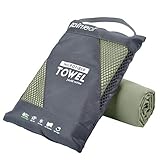
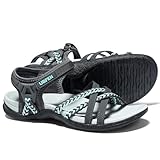
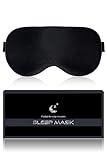

Recommended blogs to read:
- summer in Finland overview
- lakes in Finland guide
- sauna etiquette in Finland
- best time to visit Finland
- Finland summer packing list
10 Things to Know About Renting a Finnish Mökki
The 10 items below cover everything from the cultural context through the three rental tiers, the best regions for visitors, the daily rhythm, and the practical realities of mökki cabin life. The order tracks rough chronology from understanding the experience through booking through arriving at the cabin.
1. What Mökki Culture Means to Finns
Mökki is more than vacation accommodation in the Finnish cultural framework. Finland has approximately 500,000 mökki cabins for a population of 5.5 million; the cabin-to-person ratio is the highest in the world, and most Finnish families have access to a cabin (owned, inherited, or shared with extended family). The mökki week is rated by most Finns as the single most-essential annual ritual, and the social-and-work calendar bends around it. Helsinki shops and offices empty noticeably from late June through mid-August as employees take their cabin weeks. The cultural function is restorative: the cabin provides genuine separation from urban work-life rhythms, with limited cell signal, no scheduled obligations, and the sauna-and-lake daily structure that resets stress.
2. The Three Rental Tiers (Standard, Mid-Range, Premium)
Mokki rentals fall into three tiers with distinct features and pricing. Standard tier (€525 to €1,400 per week for 4 to 6 people) includes a basic wood-burning sauna, outdoor toilet (some have small indoor flush versions), wood-stove kitchen, lakeside or forest location, and bring-your-own bedding. Mid-tier (€800 to €2,400 per week) adds indoor flush toilet, electric kitchen with full appliances, modern indoor sauna, hot water, and provided bedding. Premium tier (€2,500 to €4,200 per week) adds multiple bedrooms, hot tub or jacuzzi, waterfront private dock, fully-stocked kitchen with dishwasher, WiFi, and often a boat. Pick the standard tier for the authentic cultural experience, mid-tier for the comfortable visitor balance, premium for families or groups wanting full amenities.
3. The Best Regions for First-Time Mökki Renters
Finland has three primary cabin regions: Lakeland (the area around Saimaa, Paijanne, and the lakes near Mikkeli, Savonlinna, Kuopio, and Joensuu, the heart of cabin culture), the Coastal region (the western coast around Turku, Rauma, Vaasa, and the Archipelago Sea, with sea-side rather than lake-side cabins), and Lapland (the cabins around Rovaniemi, Levi, and Inari, with strong summer-and-winter use). First-time renters should choose Lakeland for the cultural depth and the easiest logistics; Saimaa is the most-visited single region and offers the strongest standard-tier rental availability. Avoid Lapland for first mökki trips unless you specifically want the wilderness-isolation version; the cultural experience is more diluted by the year-round tourism layer.
4. Booking Platforms: Lomarengas and Nettimökki
Two major rental platforms dominate the Finnish mökki market: Lomarengas (lomarengas.fi) is the larger platform with English-language interface, professional customer service, and the strongest standard-tier inventory. Nettimokki (nettimokki.com) is the second-largest with bilingual Finnish-English interface and stronger mid-tier and premium-tier inventory. Both allow direct booking with the cabin owners through the platform. Airbnb and Vrbo have smaller Finnish mökki inventory but include some that are not on the dedicated platforms. Book by mid-February for peak July dates (the cabin market is the tightest of any Finnish accommodation type). Last-minute bookings sometimes work for late August and early September shoulder dates at 20 to 30 percent below peak pricing.
5. Sauna-and-Lake Daily Rhythm
The daily mokki rhythm centers on the sauna-and-lake-plunge cycle, repeated 2 to 4 times across the long summer evening. The traditional sequence: heat the sauna to 75 to 90C (1 to 2 hours wood-burning prep), enter the sauna for 8 to 15 minutes, exit to the cabin dock, plunge or swim in the lake for 30 to 60 seconds, return to the sauna for another round, repeat. Birch branches (vihta) are used during the sauna session for self-whipping the back for circulation; the vihta is gathered fresh each week from young birch trees and is itself a small ritual passed down through families. Most cabin rentals include vihta-making instructions in the welcome briefing for first-time renters.
6. Grocery Supply and Self-Catering Logistics
The mökki week is fundamentally self-catering. Most cabins are 5 to 15 km from the nearest village with a small K-Market or S-Market grocery store; larger supermarkets are typically 25 to 40 km away in the nearest town. Plan to stock supplies on the way to the cabin (the Saturday changeover day) and supplement with one mid-week grocery run. Useful supply items: fresh produce (Finnish strawberries in July are exceptional), local fish (smoked salmon from the K-Market deli runs €15 to €25 per kg), Karelian pies as easy breakfast, Finnish dark bread, beer and wine (buy at the K-Market grocery store; spirits require a separate trip to an Alko monopoly store, usually in the nearest town). Most cabins have a basic stove and refrigerator; check whether the kitchen has an oven before planning anything that requires baking.
7. Mosquito Reality in the Lakeland Region
The Lakeland region in July and early August has one of the strongest mosquito populations in Europe. The standard packing list (picaridin or DEET-based repellent, head net, long-sleeve UPF shirt) applies fully to the mokki week. Most cabins include mosquito screens on windows and sometimes a small mosquito-tent or screened porch for evening cooking and reading. The mosquitoes are worst at dawn and dusk; mid-day and the midnight sun period are noticeably quieter. The vihta birch branches in the sauna double as natural mosquito deterrent; the birch oil released during the sauna sessions repels mosquitoes for several hours after the session ends. This is one of the cultural functions of vihta beyond the circulation benefit.
8. The Outdoor Toilet Reality (Standard Tier)
Standard-tier mokki rentals include an outdoor toilet (puucee in Finnish, literally “wood WC”), which is a composting-style outhouse separated from the cabin by 20 to 40 meters of forest path. The cultural reality is that this is genuinely fine and not the rustic-camping hardship most first-time visitors expect; the puucee is clean, properly ventilated, and uses sawdust or bark cover to control odor. Mid-tier and premium rentals include indoor flush toilets; if the puucee feels too rustic, upgrade to the mid-tier rental rather than tolerating the standard-tier version reluctantly. The premium tier always includes indoor toilet and often a full bathroom with shower and tub.
9. Cabin Decor and the Finnish Aesthetic
Mokki interiors typically follow a distinctly Finnish aesthetic: light wood (pine and birch) for floors, walls, and ceiling; minimal furniture in natural materials (linen, wool, leather); Iittala glassware in the kitchen; Marimekko textiles for cushions and curtains in many properties; and Aalto-influenced design elements like the bent-plywood furniture or the iconic Aalto vase on a shelf. The decor reflects the broader Finnish design tradition that values function, light, and connection to nature over decoration for its own sake. For visitors interested in Finnish design, the cabin week provides a daily immersion in the aesthetic that no Helsinki design-district visit can match. Bring a small notebook for sketches and observations; many Finnish design enthusiasts find their cabin week the catalyst for redecorating at home.
10. Etiquette and the Allemansratten Principle
Finnish mökki etiquette is structured around the broader Allemansratten principle (Everyman’s Right), which gives anyone the right to walk, swim, forage, and camp on uncultivated land regardless of ownership. At the cabin specifically: leave the property in the same condition you found it, sweep the sauna after use, gather firewood at the rate the owner indicated in the welcome notes, do not chop birch branches for vihta from neighboring properties (use the cabin’s own trees), keep noise levels low after 22:00 to respect neighboring cabins, and dispose of waste in the labeled bins (Finland has strong recycling categorization; the cabin owner provides clear instructions). The cultural baseline is mutual respect across all cabin guests, including the implicit social norm of waving to passing boats on the lake.
The Finnish Cottage Decor Aesthetic You Can Bring Home
The mokki week often inspires visitors to bring elements of the Finnish cottage aesthetic into their own homes after the trip. The core elements: light wood floors and ceilings (Scandinavian pine or birch, not the darker European hardwoods), neutral linen and wool textiles in cushions and throws, the iconic Iittala drinking glasses (the Aino Aalto design from 1932 is the daily-use staple in most cottages), Marimekko cushion covers in classic patterns (the Unikko poppy and the Kivet stone pattern are the most-recognizable), the simple wood-paneled walls without paint, and the consistent emphasis on natural light through unfiltered windows. Most of these elements are available through Iittala, Marimekko, and Artek (the Aalto furniture brand) flagship stores in Helsinki for travelers wanting to make purchases.
Combining the mökki week with Helsinki city days and a Stockholm or Tallinn ferry extension and trying to align the dates across the multi-country summer trip?
The Ultimate Europe Trip Planner sequences the multi-country summer trip in one editable document.
Frequently Asked Questions
How much does a Finnish mökki cost to rent?
Three tiers: standard (€525-€1,400 per week for 4-6 people, basic sauna and outdoor toilet), mid-range (€800-€2,400 per week, full kitchen and indoor sauna), premium (€2,500-€4,200 per week, multiple bedrooms and waterfront dock). Peak July rates run at the upper end of each tier; late August and early September shoulder dates run 20-30% below peak.
When should I book a mökki for summer 2026?
By mid-February 2026 for peak July dates; by April for late August dates. The Finnish mokki market is the tightest accommodation category of the year because of the cultural-essential demand from Finnish families. Saturday-to-Saturday rentals are standard. Last-minute bookings sometimes work for September shoulder dates at 25-35% off peak pricing.
What region is best for a first mökki trip?
Lakeland (the area around Saimaa, Paijanne, and the lakes near Mikkeli, Savonlinna, Kuopio, Joensuu). Saimaa is the most-visited single region and offers the strongest standard-tier rental availability. The cultural depth is highest in Lakeland. Avoid Lapland for first mökki trips unless you specifically want the wilderness-isolation version.
Do mökki rentals include linens and towels?
Standard tier typically requires bring-your-own bedding and towels. Mid-tier includes both. Premium tier includes premium bedding, towels, and often a full toiletry kit. Most cabin owners will rent linens for €15-30 per person if you cannot bring your own. The Lomarengas listing always specifies the bedding policy under “Equipment included.”
Do I need a car to reach the mökki?
Strongly recommended for the standard and mid-tier cabins; many are 5-15 km from the nearest village without bus service. Premium cabins often have car-shuttle pickup from the nearest train station as part of the booking. Helsinki to Lakeland is 3 to 5 hours by car; train to Mikkeli or Savonlinna plus rental car at the station works as the no-Helsinki-driving alternative.
How much firewood do I need for the sauna?
Most cabins include 2 to 4 sauna sessions worth of firewood per day across the rental week. The cabin owner’s welcome notes specify the firewood storage location and the daily rate. Additional firewood can be purchased from the owner or the nearest village store at €4-8 per bundle. Plan 1 hour of wood-burning prep per sauna session to reach proper temperature.
Key Takeaways
- Finland has approximately 500,000 mokki cabins for a population of 5.5 million; the cabin-to-person ratio is the highest in the world.
- Three rental tiers: standard €525-€1,400/week (basic, authentic), mid-range €800-€2,400/week (comfortable visitor balance), premium €2,500-€4,200/week (family or group-friendly amenities).
- Book through Lomarengas (lomarengas.fi) or Nettimokki (nettimokki.com); reserve by mid-February for peak July 2026 dates.
- Lakeland (Saimaa, Paijanne, Mikkeli, Savonlinna, Kuopio, Joensuu) is the best region for first-time renters; cultural depth and standard-tier availability strongest here.
- Daily rhythm: sauna-and-lake plunge cycle 2-4 times per evening, self-catering from local K-Market grocery, light Finnish-design aesthetic that often inspires home decor changes after the trip.
Final Thoughts
The mökki week is the single most-distinctively-Finnish cultural experience available to visitors and the one travelers tend to remember most clearly years after the trip. Book early for the standard or mid-tier cabin in the Lakeland region, plan for self-catering with one mid-week supply run, lean into the sauna-and-lake daily rhythm, and accept that the slower pace is the point rather than the obstacle. The cultural depth here exceeds any urban Finnish experience and the per-night cost beats the equivalent Helsinki hotel-tier stay for a more-meaningful version of the trip.
For the broader Finland summer context, the things to do in Finland guide covers the broader activity layer that pairs with the cabin week, and the places to visit in Finland guide covers individual destinations by region.
The mökki tradition peaks at Juhannus; see the Midsummer Juhannus guide.