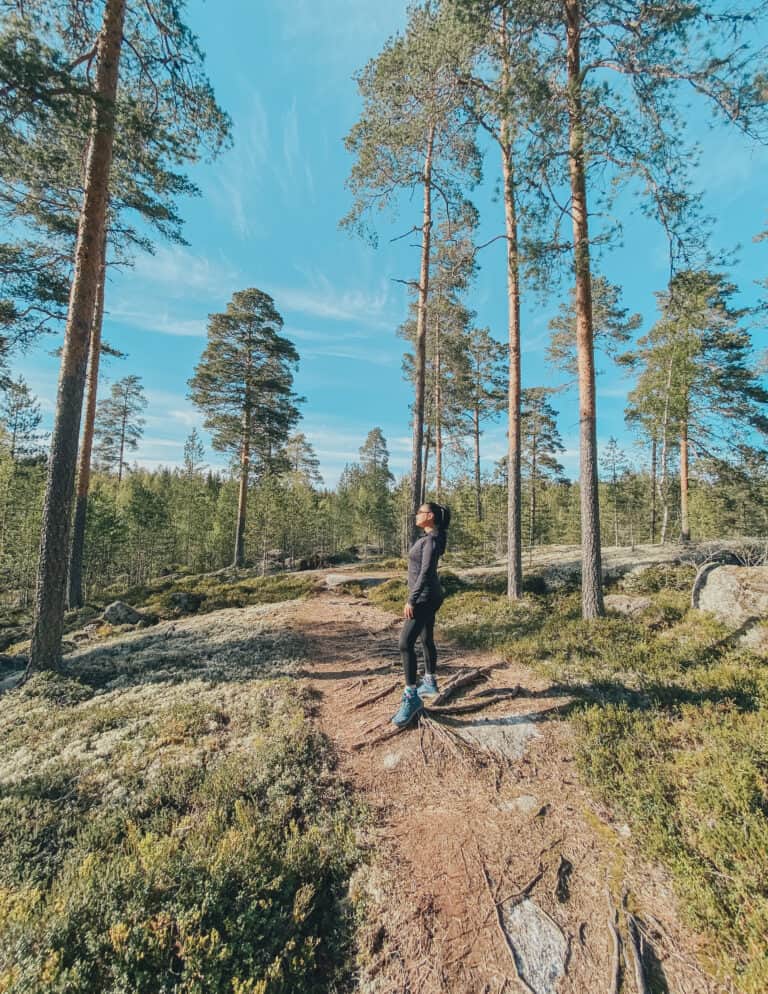
Quick Answer: A Finland summer packing list for the land of the midnight sun (June through August 2026) builds around four conditions most travelers underestimate: daytime warmth that hits 25C, evening chill that drops to 8 to 12C, frequent rain at 30 to 40 percent daily probability, and aggressive lake-region mosquitoes in July through early August. The 20 essential items split into clothing layers, sun-and-rain gear, mosquito defense, water-and-sauna kit, sleep aids (the midnight sun is real), and electronics. Budget €280 to €450 for the full kit when buying new; most travelers already own 60 to 70 percent of the items from temperate-climate summer travel.
Summer in Finland is not the summer you packed for. The Mediterranean-style packing list of shorts, T-shirts, sandals, and a light cardigan misses three of Finland’s four summer conditions: the persistent rain that turns a forest trail to a sluice in 10 minutes, the evening cold-snap that drops temperatures 15 degrees between dinner and midnight, and the mosquitoes that build up across the July lake region into a swarm a thin shirt does not stop.
The right packing list still travels lighter than the winter equivalent, but the items themselves change. The waterproof shell takes priority over the sun hat; the picaridin spray earns more pack-space than the sunscreen; the eye mask for the midnight sun matters more than the eye drops for the sauna; and the polarized sunglasses for lake glare beat the cheap drugstore pair for both UV and reduced eye strain. The 20 items below cover the realistic Finland summer trip, with notes on adapting for the Arctic-Circle midnight-sun version and the lake-cabin (mokki) version.
2026 brings a few practical updates: the EES biometric border system (live since October 2025) adds 5 to 15 minutes at first EU entry, so pack a phone charger in your carry-on. The Saimaa region is hosting expanded ferry routes through the Lakeland Loop. And Oulu is European Capital of Culture 2026, which raises festival activity across June through August and pushes hotel demand 20 to 30 percent above normal summer rates in Oulu specifically.
Planning the Finland summer trip and trying to align the lake-cabin booking dates, Archipelago Trail ferry windows, and the broader European leg around the Lakeland Loop?
The Ultimate Europe Trip Planner sequences the booking windows so the trip lands cleanly across multi-country dates.
The Essential Finland Summer Gear Bestsellers
Six items worth buying ahead at home rather than scrambling for in Helsinki (Finnish summer-gear pricing runs 20 to 35 percent above US or UK retail).



Recommended blogs to read:
- summer in Finland overview
- lakes in Finland guide
- best hikes in Finland
- Archipelago Trail Finland
- best time to visit Finland
The Finland Summer Packing List: 20 Items
The 20 items work in the order you reach for them across a typical Finland summer day: clothing layers and outer rain shell first thing in the morning, sun and bug protection mid-morning, water and snacks for the afternoon lake-and-trail block, sauna kit before evening, and sleep aids for the midnight-sun bedroom. Adapt the priority order for an Archipelago Trail trip (skip cold-evening fleece for July, add extra dry bags) or a Lapland hiking trip (raise the rain shell rating, add the heavier hiking boot).
1. Lightweight Waterproof Rain Jacket (Goretex or Similar)


The single most non-negotiable Finland summer item. Rain probability runs 30 to 40 percent on any given day across June, July, and August, and the rain itself rarely announces itself with a buildup; you get 10 minutes notice before a downpour begins. A packable Goretex or Pertex Shield jacket (Patagonia Torrentshell, Arc’teryx Beta LT, Marmot PreCip Eco) at €130 to €280 packs to the size of a small water bottle and earns its packing weight on every Finland summer trip. Avoid water-resistant DWR-treated jackets without Goretex membrane; they fail in sustained rain after 20 minutes. The jacket also doubles as a wind shell for cold evenings at the lake.
2. Light Fleece or Wool Sweater for Evening Layering


Finland summer evenings drop 12 to 18 degrees from daytime peaks. A daytime 25C afternoon turns into a 10C evening on lake docks and forest trails. Pack a midweight fleece (Patagonia R1, REI 200-weight) or a thin merino wool sweater (Smartwool Crew, Icebreaker Tech Lite) at €60 to €130 that layers under the rain jacket for cold-and-wet nights. The fleece doubles as a sauna-to-cabin transit layer and as an extra layer for early-morning boat trips on lakes when the air sits 4 to 6 degrees colder than land temperatures. Two layers of merino plus the rain shell handles the coldest realistic summer night in Lapland.
3. Long-Sleeve UPF Shirt for Sun and Mosquito Protection


The single most-valuable item for July and August lake-region travel. A long-sleeve UPF 30+ shirt (Patagonia Tropic Comfort, Columbia PFG, REI Sahara) at €40 to €90 covers two needs in one item: sun protection during the long bright daylight (Finnish summer UV is stronger than people expect, with index 6 to 8 in late June at lake regions) and mosquito coverage where bug spray alone fails. Light colors discourage mosquito attention; loose fit lets air move under the fabric. Pack 2 to 3 shirts so one can air out while another is worn, and treat one with permethrin spray before the trip for the highest-mosquito Lakeland legs.
4. Convertible or Lightweight Hiking Pants
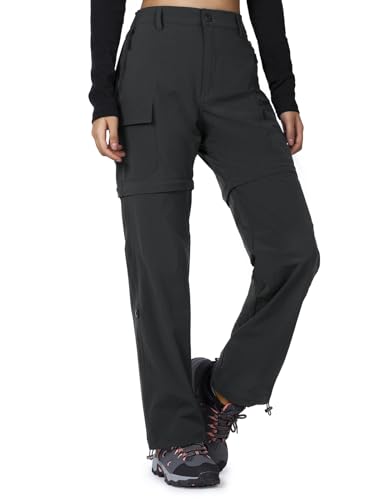

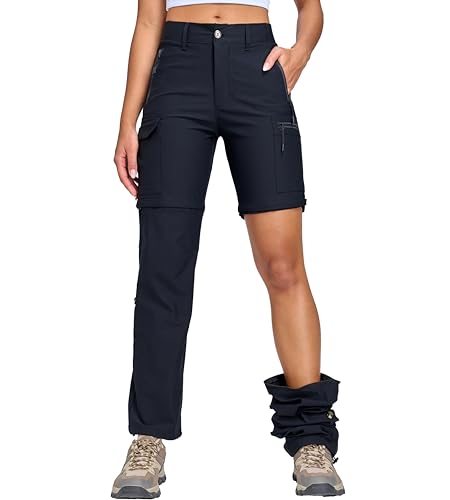
Convertible zip-off pants (Columbia Silver Ridge, Prana Stretch Zion, Marmot Arch Rock) at €60 to €120 work as full pants for cool mornings, evenings, and mosquito-heavy zones, then convert to shorts for warm afternoons. The single-pair-handles-everything calculation saves packing space and decision fatigue. Loose hiking shorts work as the alternative for travelers who hate the convertible aesthetic, paired with leggings for evening or trail-stop temperature drops. Avoid jeans for any extended outdoor time; denim retains moisture and weighs the pack down after the first surprise rain block, while taking 8 to 12 hours to dry even with a sunny afternoon to follow. The convertible option also saves space when traveling carry-on only across multi-country European summer trips.
5. Quick-Dry T-Shirts in Merino or Synthetic (3 to 4)


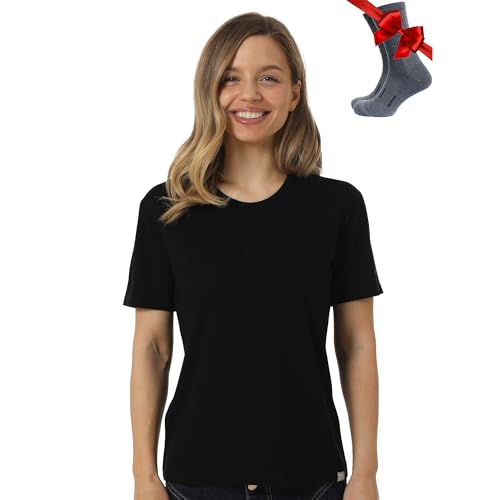
Pack 3 to 4 quick-dry T-shirts in merino blends or technical synthetics. Cotton T-shirts work for urban Helsinki days but fail on hike-and-sweat outdoor days; the cotton-soaked-in-sweat-then-evening-cool combination makes for an uncomfortable lake-cabin evening. Smartwool 150 Pattern, Patagonia Capilene Cool, and Icebreaker Tech Lite at €40 to €75 per shirt are the proven options. Pack one in light gray or light blue (mosquito-discouraging), one in dark color for visible-stain hike days, and one or two backups for the rotation across 7 to 10 days. The merino versions also handle the sauna-to-cabin transit without picking up the sweat smell that synthetic T-shirts develop after multiple wears.
6. Hiking Shoes (Waterproof) Plus Sandals


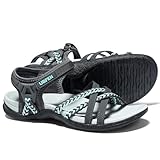
The two-shoe Finland summer system: waterproof low-cut hiking shoes (Salomon X Ultra, Merrell Moab, Keen Targhee) at €120 to €180 for forest trails, lake paths, and rain days; plus a sturdy hiking sandal (Teva Hurricane, Keen Newport, Chaco Z/Cloud) at €70 to €130 for warm-day urban walking, sauna-deck transit, and shallow lake wading. Skip the running shoes; they soak through within 30 minutes of any rain and stay wet for hours. The waterproof low-cut handles 90 percent of Finland summer activity; full hiking boots are overkill outside Lapland mountain hikes. Pack the sandals as a second pair specifically for sauna transit and cabin-to-dock walking where shoes-on-then-off becomes the daily reality.
7. Hat with Brim Plus Bandana or Buff

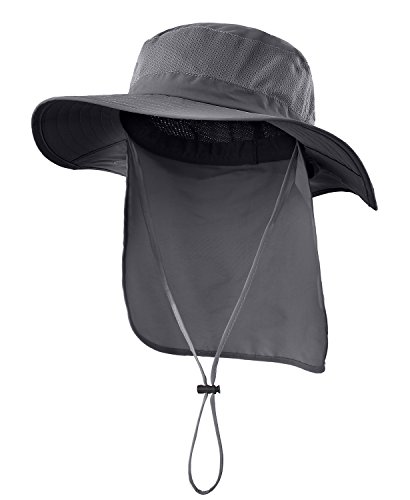

A brimmed sun hat (Outdoor Research Sun Runner, REI Sahara, Tilley LTM) at €35 to €80 protects against the sustained long-daylight UV exposure that Finnish summer delivers; a baseball cap is not enough for Lapland or lake-region long-day hiking. A bandana or Buff multifunctional headwear (Buff Original at €18 to €28) doubles as a neck-sun-cover, sweat band, mosquito barrier for the back of the neck, and emergency washcloth. Pack the hat for daytime use and the Buff for the afternoon transition when sun angle drops but bug pressure peaks. A wide-brim hat in dark navy or olive also discourages mosquito approaches to the face during the most exposed evening cookout windows.
8. Polarized Sunglasses for Lake Glare

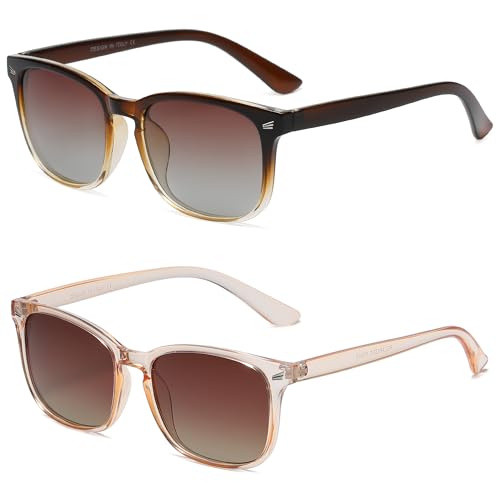
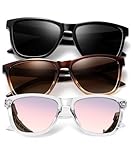
Sunglasses are non-optional for Finland summer travel because the long daylight (June sunrise 03:30, sunset 22:30 in Helsinki; effectively 24-hour daylight in Lapland) combined with lake-water reflection produces eye strain on a scale that surprises first-time visitors. Pack polarized lenses (RayBan, Smith, Maui Jim, Goodr) at €30 to €250 for both UV protection and the reduced glare that makes lake-and-forest viewing comfortable. The polarized version also helps with driving on the long sun-bright summer evenings when the low-angle sun otherwise creates dangerous glare on motorways. Pack a hard case for transport; soft cases offer minimal protection in a packed duffel and lenses scratch quickly without it.
9. Sunscreen SPF 30 or Higher


Finnish summer UV is stronger than people expect, especially at lake regions and the higher latitudes (June UV index hits 6 to 8 at Rovaniemi and 7 to 9 at Helsinki midday). Pack mineral or chemical sunscreen at SPF 30 or higher: La Roche-Posay Anthelios, Supergoop Play, Blue Lizard Sport at €15 to €35 per tube. Reapply every 2 hours during outdoor activity blocks, and pack a stick-format sunscreen for face and ear reapplication during boat trips when liquid sunscreen would smear into eyes. Lip balm with SPF earns extra value here too; cracked lips are common across the first 3 days of any summer Finland trip.
10. Mosquito Repellent with Picaridin or DEET


The single item that determines whether July and August Finland summer travel is enjoyable or miserable. Pack picaridin (Sawyer Picaridin 20%, Natrapel) at €12 to €25 per bottle for the lower-irritation alternative to DEET, or DEET (Off! Deep Woods, Repel 100) at €8 to €18 for the strongest available protection. The Finnish lake region in July through early August generates mosquito populations that defeat lightweight protection; apply every 4 to 6 hours during peak activity blocks. Permethrin spray on clothing (Sawyer Permethrin) lasts 6 to 8 weeks and adds the second layer of protection that turns July Lakeland from miserable to functional.
11. Mosquito Head Net for Lakeland July and August


Most travelers laugh at the mosquito head net until they spend 90 minutes on a July evening at a Saimaa lake-cabin and discover the bugs are not bluffing. Sea to Summit, Coghlans, and Outdoor Research all make functional head nets at €8 to €18 that pack to the size of a granola bar. The net works under a brimmed hat for evening cookouts, sauna deck sessions, and trail breaks when picaridin is wearing off and bugs are at maximum density. Pack one per traveler; sharing during a peak-pressure evening is not viable when both need the protection at the same time.
12. Bug-Bite Relief Stick (After Bite or Hydrocortisone)
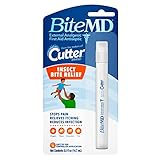
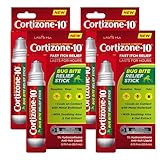
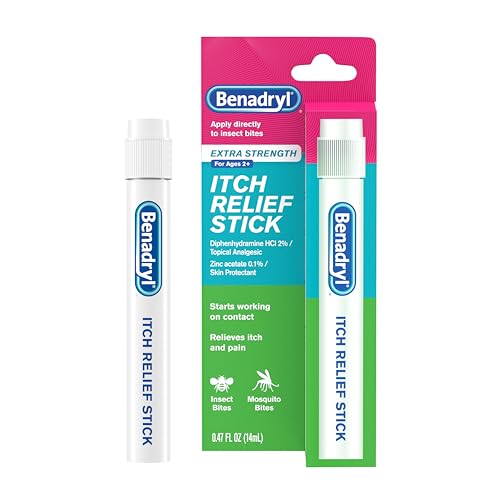
The picaridin and head net stop most bites, but the few that get through can ruin a night of sleep with itching. Pack an after-bite stick (After Bite, Sting-Eze, Tiger Balm) at €5 to €15 plus a small tube of 1% hydrocortisone cream for the larger inflammatory reactions some travelers develop to Finnish mosquito saliva. Apply within 10 minutes of the bite for the strongest reduction. Finnish pharmacies (apteekki) carry the same products at standard prices; pack a small starter supply and resupply in-country if needed across longer trips. The stick-format options also work better than creams for cabin and ferry travel where messy application is a problem.
13. Swimsuit for Sauna and Lake


Finnish summer trip = lake swimming (water hits 17 to 20C in July at Saimaa and Lakeland regions) and sauna sessions (single-gender saunas are clothing-optional, mixed-gender hours require a swimsuit). Pack one quick-dry technical swimsuit (Speedo, Arena, Patagonia) at €40 to €110 plus a pair of pool sandals or flip flops for sauna-deck transit. Avoid cotton or padded styles that stay wet for hours; the technical materials dry in 30 to 45 minutes. The swimsuit also works for the avantouinti (cold-water swim ritual) where the post-sauna lake plunge is the headline experience across most Finland summer trips. Pack at least one extra pair when the trip exceeds 7 days; quick-dry materials wear out faster than expected with daily use.
14. Quick-Dry Travel Towel
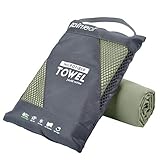


A compact microfiber travel towel (PackTowl Personal, Sea to Summit DryLite, REI Multi Towel) at €18 to €40 dries in 30 to 60 minutes after sauna or lake use. Pack one large (130x70cm) for sauna bench use and one medium (60x120cm) for general bathing. The towel doubles as a beach blanket, picnic blanket, and as an emergency rain-shelter wrap. Skip cotton towels entirely; the bulk and slow-dry combination wastes packing space across a 7 to 14-day trip. Most cabin accommodations provide bath towels; the travel towel is specifically for the in-and-out sauna and lake transit. The medium-size option also works as an emergency blanket on cool ferry decks or as a yoga mat at lake-cabin morning stretching sessions.
15. Insulated Reusable Water Bottle


Finland tap water is among the cleanest in the world (the country regularly ranks #1 globally for water quality), which means a refillable water bottle saves €50 to €80 across a 10-day trip versus buying bottled water. Pack a vacuum-insulated 0.5L to 1L bottle (Hydro Flask, Yeti Rambler, Klean Kanteen) at €30 to €55 that keeps cold water cold for the long warm afternoons. The insulation also handles hot tea or coffee for cool mornings and evenings. Wide-mouth versions accept Finnish tea bags or coffee grounds directly for the camping or cabin-side brewing version that lake-side mornings reward. The 1L size handles a full day of hiking or kayaking without refill stops where water access is intermittent.
16. Eye Mask for the Midnight Sun
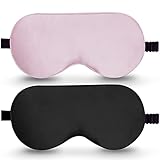
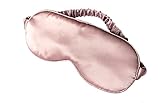

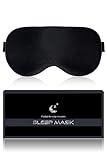
The single most-skipped item that ruins more Finland summer trips than any other small omission. Finnish summer has 19 to 24 hours of daylight (24 hours of midnight sun above the Arctic Circle in late June); without a quality eye mask, sleep quality drops 30 to 50 percent across the trip. Pack a silk or contoured eye mask (Tempur, Manta Sleep, Ostrichpillow) at €15 to €45 that blocks light fully. The Manta Sleep is the highest-spec option with adjustable eye cups that allow eye movement during REM sleep. Pair with blackout curtains where the hotel provides them; many older Finnish hotels do not.
17. Light Gloves for Cool Boat Trips and Mornings

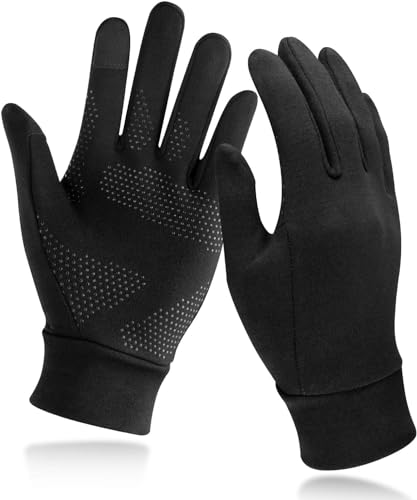

This item sounds odd for a summer packing list, but Finland summer mornings on a boat (Archipelago Trail ferries, lake fishing trips, Suomenlinna ferry crossings) regularly sit at 8 to 12C with wind. Pack a thin pair of merino wool gloves (Smartwool Liner, Icebreaker Quantum) at €15 to €35 for the early-morning chill that bare hands cannot enjoy. The gloves also double as a clean-hand layer for sandy beach picnics and as a thin sun-protection layer when the back of the hand is the highest UV-exposed skin surface during long kayak or paddleboarding sessions. Pack a single pair; this is one of the items most travelers skip and quietly wish they had not.
18. Camera with Polarizing Filter


Finland summer photography rewards a polarizing filter more than almost any other gear addition. The filter cuts lake-surface glare, deepens sky blue, and saturates forest greens by 20 to 30 percent in standard summer light. Pack a circular polarizer (Hoya HD, B+W F-Pro, Tiffen Digital HT) at €60 to €180 that fits your widest lens. The midnight-sun magic-hour light (effectively all night in late June above the Arctic Circle) is the strongest photo opportunity Finland delivers all year. Pack at least one wide-angle lens and one telephoto for the landscape-and-wildlife mix; tripods are useful but rarely essential outside long-exposure water photography. The filter weighs almost nothing and easily justifies its slot in the camera bag.
19. Travel Adapter (Type F European Plug)


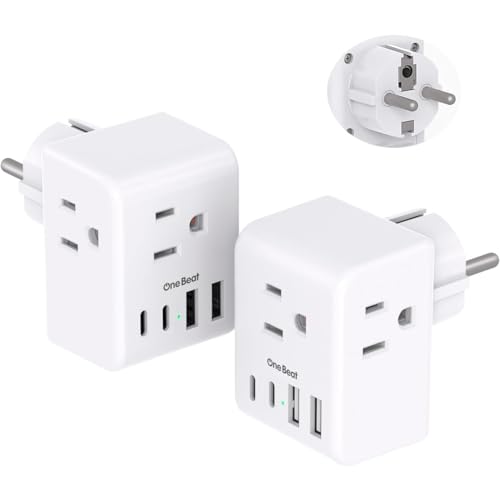
Finland uses Type F (Schuko) outlets at 230V 50Hz, the same as most of continental Europe. US, UK, Japan, and Australian travelers need an adapter (modern electronics handle the voltage automatically; no converter needed). Pack two adapters at €18 to €40 each; one stays at the bedside for overnight phone charging, the second rotates through camera batteries, the laptop, and the rechargeable USB hand-warmer or boot-heater for chilly evening boat trips. Universal adapters with built-in USB-C ports save outlet space and earn their weight across multi-country European trips beyond the Finland leg. Avoid the cheap kiosk versions at the airport; cabin and hotel outlets often grip poorly and the plug-falls-out problem ruins overnight charging.
20. Daypack 20 to 30 Liter
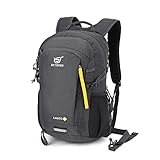
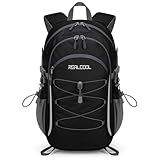
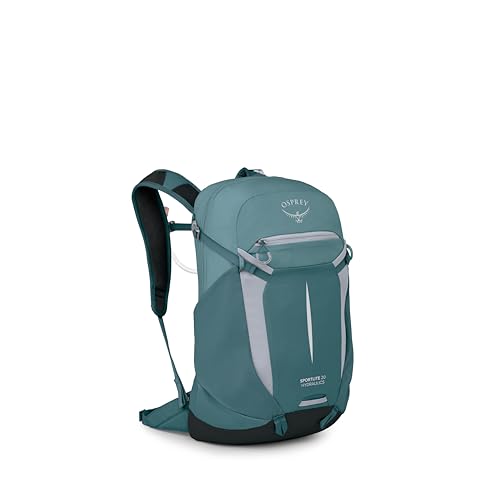
A 20 to 30 liter daypack (Osprey Daylite Plus, Cotopaxi Allpa 28, Patagonia Black Hole Pack) at €60 to €140 handles the daily-out kit: rain jacket, water bottle, snacks, camera, bug spray, sunscreen, layer, and small first-aid kit. Look for water-resistant fabric and a chest strap for trail comfort. The daypack works as a day-bag for Helsinki sightseeing, a hiking pack for trail days, and a beach bag for lake-cabin afternoons. Skip the larger 40L+ packs; they are overkill for a summer Finland day-trip and harder to carry on ferries and trains where seat space is limited. The same pack also works as a flight personal-item carry-on, which earns extra value across multi-leg European trips.
What to Skip: Items Most Lists Include That You Will Not Use
The 5 items that consistently appear on Finland summer packing lists but earn no use across most realistic trips: heavy hiking boots (waterproof low-cut shoes handle 90 percent of trail needs; full boots are Lapland-mountain-specific), a parka or heavy winter coat (the rain jacket plus fleece combination covers every realistic summer condition), beach towels (technical microfiber towels are smaller and dry faster), formal evening wear (Finnish dining is casual; a clean shirt and pants suffice for the nicest restaurants), and a large flashlight (the midnight sun makes a flashlight redundant; a small headlamp covers the rare late-August dark-evening need). Cutting these saves 4 to 6 kg of packed weight and unlocks daypack-only travel for shorter trips.
Adapting the List for Different Trip Profiles
The 20-item baseline above covers the standard Helsinki-plus-Lakeland or Helsinki-plus-Archipelago summer trip. Adapt for specific profiles: Lapland midnight-sun hiking adds a real hiking pack, trekking poles, proper hiking boots, and a heavier rain shell with taped seams (Patagonia Triolet, Arc’teryx Beta AR). Archipelago Trail self-drive adds dry bags for boat-deck weather, sea-sickness remedies, and a small portable cooler for fresh-from-harbor fish. Lake-cabin (mokki) week adds fishing gear if you plan to fish, swim goggles, beach paddle game, and a portable bluetooth speaker for cabin evenings. Family with kids adds child-sized rain jackets and hats, an extra change of clothes per day, kid-friendly insect repellent (Off! FamilyCare), and the comfort items that handle the long-flight and timezone-shift adjustment.
Combining Finland summer with Stockholm, Tallinn, or a Baltic-coast extension and trying to align the multi-country packing reality with the ferry-and-flight booking windows?
The Ultimate Europe Trip Planner handles the multi-country sequencing in one editable document.
Frequently Asked Questions
Are mosquitoes really that bad in Finland in summer?
In the Lakeland region (Saimaa, Karelia, lake-cabin country) from late June through early August, yes. Lapland is worse from mid-July through August. Helsinki, the Archipelago Trail coastal islands, and the southern coast remain manageable with light protection. The picaridin spray plus head net combination handles even the worst Lakeland evenings; without protection, July lake-cabin evenings can be genuinely miserable.
Do I need a rain jacket if I am visiting in late summer?
Yes. August is one of the wettest months of the Finnish summer, with rain probability sitting at 35 to 45 percent on any given day. The packable Goretex jacket is the single most non-negotiable summer item across all months from May through September. Skip the cheap water-resistant alternatives; only a true waterproof membrane (Goretex, eVent, Pertex Shield) handles the sustained Finnish summer rain blocks.
What is the warmest month for Finland summer travel?
July is the warmest month with average daytime highs of 21 to 24C in Helsinki and 17 to 21C in Rovaniemi. Late July to early August also delivers the warmest lake water temperatures (18 to 20C) for swimming. June has the most daylight (24-hour midnight sun above the Arctic Circle from June 6 to July 7) but slightly cooler temperatures; August has fewer crowds and lower hotel pricing.
How does the midnight sun affect sleep?
Significantly, without an eye mask. Finnish summer hotel rooms often have light-filtering curtains rather than full blackout, and the late-night sun (or sunlight reflecting off lake surfaces above the Arctic Circle) leaks in until early morning. Pack a quality silk or contoured eye mask and consider melatonin (1 to 3mg) for the first 2 to 3 nights to reset circadian rhythm. The adjustment is real; allow 2 to 3 days for sleep to normalize.
Can I drink tap water in Finland?
Yes. Finnish tap water is among the cleanest globally and consistently ranks at or near the top of EU water-quality rankings. Refill the insulated water bottle anywhere (cafes, restaurants, public fountains) without concern. The same applies to lake water in many cases (Finnish forest lakes are often clean enough to drink from), but check the specific lake with local guides before relying on this; some Lakeland regions have algal blooms in late summer.
Should I pack different gear for the Archipelago Trail versus Lapland?
Mostly the same, with two specific swaps. Archipelago Trail adds: dry bags for ferry-deck weather, polarized sunglasses with side-shields for wind, sea-sickness remedies for the longer Korpoo-Houtskar crossing. Lapland summer adds: heavier hiking boots if you plan mountain trails, trekking poles, and a slightly heavier rain shell rated for sustained downpour. The base 20-item list works for both with minor adjustments.
Key Takeaways
- Finland summer packing builds around 4 conditions: 25C daytime, 8 to 12C evenings, 30 to 40 percent daily rain probability, and aggressive lake-region mosquitoes in July through August.
- The 5 most-valuable items: waterproof Goretex rain jacket, picaridin mosquito spray, polarized sunglasses, silk eye mask for the midnight sun, and a long-sleeve UPF shirt.
- Skip: heavy hiking boots (low-cut waterproof shoes suffice), a winter parka, beach towels (use microfiber), and formal evening wear.
- Total budget €280 to €450 for the full kit when buying new; most temperate-climate summer travelers already own 60 to 70 percent.
- Adapt for trip profile: Archipelago Trail adds dry bags; Lapland hiking adds boots and trekking poles; family trips add child-sized rain protection and bug repellent.
Final Thoughts
The Finland summer packing list rewards travelers who plan for the four real conditions (warmth, evening cold, rain, and mosquitoes) rather than the Mediterranean-summer fantasy most marketing photos sell. Pack the waterproof shell, the picaridin spray, and the eye mask as the three non-negotiables; let the rest of the list flex based on whether your trip leans urban Helsinki, lake-cabin Lakeland, coastal Archipelago, or hiking Lapland. The right kit travels lighter than winter Finland and unlocks the lake-and-forest experience that the cold-season trips cannot deliver.
For the broader Finland summer context, the things to do in Finland guide pairs the gear list with activity-specific notes across regions, and the places to visit in Finland guide covers individual summer destinations in depth.