Quick Answer: A Finland winter packing list for Lapland in real cold (Feb-Mar 2026, -15C to -30C baseline) needs 25 specific items grouped into base layers, insulation, outer shell, hands-and-feet, accessories, and cold-weather electronics. The single most-skipped item is the merino base layer rated 200gsm or higher, and the single most over-spent item is the parka (a -30C rated parka is necessary for genuine Lapland; a -20C-rated jacket from a temperate-climate retailer is not enough). Budget €450 to €700 for the full kit when buying new, half that when renting outer thermal suits from tour operators (most include suits with husky and aurora tours).
Real cold is the kind of cold that makes hand warmers a daily essential, not a souvenir. The packing lists on most Finland travel blogs assume a temperate-climate baseline (winter coat, scarf, hat) that breaks the moment you step outside the Rovaniemi airport at -22C with a 15 km/h wind, walk 90 seconds across the parking lot, and discover that exposed skin starts to numb in under 4 minutes.
This list is built around three Lapland conditions that the marketing photos hide: the -25C to -30C night that happens at least 3 nights in any 7-day February stay, the wind chill on a snowmobile or sled that makes air temperature feel 10 to 15 degrees colder, and the kaamos darkness reality (Rovaniemi sees roughly 4 hours of usable light in mid-December). The 25 items in this list consistently earn their packing weight across a 5 to 10-day Finnish Lapland trip.
2026 brings two practical updates worth flagging. The new EU EES biometric entry system (live since October 2025) adds 5 to 15 minutes at Helsinki Airport for first-time visitors, so pack a phone charger in your carry-on. And the strong solar cycle through 2026 keeps aurora viewing odds high, which means your camera setup (item 19) and the cold-rated battery backup (item 17) earn extra value this season.
Putting together the full Finland winter trip alongside the packing list and trying to align flights, sleeper-train cabins, and aurora-tour dates 3 to 6 months ahead?
The Ultimate Europe Trip Planner sequences the booking windows and the gear shopping list so nothing arrives late.
The Essential Finland Winter Gear Bestsellers
Six items worth buying ahead rather than scrambling for in-country (Finnish prices on the same gear average 25 to 40 percent higher than US or UK retail).


Recommended blogs to read:
- winter in Finland overview
- best time to visit Finland
- Finnish kaamos winter darkness
- 7-day Finland itinerary
- Lapland holidays ideas
The Finland Winter Packing List: 25 Items
The 25 items work in the order you put them on each morning: base layers first, mid-layers second, outer shell third, hands and feet fourth, and accessories and electronics last. Treat the first 10 as non-negotiable for any Lapland trip in December through February; treat items 11 to 25 as situational, with sauna-related and aurora-photography items rising in priority for particular trip profiles.
1. Merino Wool Base Layer Top and Bottom (200gsm)
The single most-skipped item by first-time Finland visitors and the single biggest comfort lever once you have it. Merino wool at 200 grams per square meter or heavier is the right baseline; lighter weights (150gsm) work for shoulder-season but fail in real Lapland cold. The wool wicks moisture away from skin (cotton retains it and freezes), regulates temperature across the 30-degree range between a -25C aurora chase and a +75C sauna, and resists odor across 4-5 wears without washing. Icebreaker, Smartwool, and Minus33 are the proven brands; budget €60 to €110 for the top, €50 to €90 for the bottom.
2. Mid-Layer Fleece or Wool Sweater
The mid-layer is the insulation between your base layer and your outer shell. Patagonia R1, Arc’teryx Delta, or any heavyweight merino wool sweater works; the key is loft (the trapped air inside is what retains heat) and breathability (so sweat from physical activity escapes rather than condensing). Avoid synthetic fleece without windproof properties as a standalone layer; the wind in Lapland strips heat through it instantly. Pack 2 mid-layers for a 7-day trip so one can air out while you wear the other. Budget €60 to €140 per sweater, with brand-name pieces lasting 10-plus years and easily justifying the price across multiple cold-weather trips.
3. Insulated Parka Rated to -30C
The most-over-spent item on most Finland packing lists when bought wrong, and the most underspent item when bought right. A genuine -30C-rated parka uses down fill power 750+ or premium synthetic insulation (PrimaLoft Gold) with a windproof outer shell. Canada Goose Expedition Parka (€1,200), Fjallraven Polar Parka (€650), or Helly Hansen Arctic Patrol (€750) are the proven options. Budget travelers can rent an outer thermal suit from tour operators (most include it with husky and aurora tours), which works for a 5 to 7-day trip if 80% of your outdoor time is on guided activities. Buy your own if the trip extends beyond 7 days or if you plan independent aurora hunting.
4. Insulated Snow Pants or Salopettes
Treat snow pants the way you treat the parka: rated to -30C, with reinforced knees and bottom panels for sitting on cold ground or sled benches. Most tour operators provide outer thermal pants with their suits; your own pants matter most for the urban-Helsinki days and the in-between transit moments (walking to dinner, waiting for the bus to Santa Claus Village). Helly Hansen, Columbia OmniHeat, and Arc’teryx all make competent options at €180 to €350. Salopette-style with bib straps prevent the gap between waistband and base layer that pulls cold air in during snowmobile rides, and the bib design also keeps snow from working its way under the layers during sled-bench sitting.
5. Wool or Thermal Socks (3 to 4 Pairs)
Cold feet ruin a Lapland trip faster than any other comfort failure. Pack 3 to 4 pairs of merino wool blend socks rated for arctic temperatures: Smartwool Mountaineer, Darn Tough Hiker, or Bridgedale Summit are the field-tested options. Avoid cotton socks entirely; they retain moisture and accelerate frostbite risk. The right thickness depends on boot fit: thick socks in tight boots actually reduce warmth by restricting circulation. Test the boot-sock combination at home before the trip. Budget €18 to €28 per pair; consider 2 pairs as the layered system (thin liner + thick outer) for the coldest nights, and pack at least one fresh pair for every two days of activity rotation.
6. Insulated Waterproof Snow Boots Rated to -40C
Sorel Caribou (€175), Baffin Impact (€280), and Kamik Nation Plus (€140) are the proven options for genuine Lapland cold. The temperature rating matters less than the boot’s removable felt liner (which lets you dry the inner shell overnight after a day in the snow) and the sole’s rubber compound (some boots have soles that turn brittle below -25C and crack). Avoid leather hiking boots and any boot rated above -20C for Lapland trips. Half a size larger than your normal shoe size is the standard fit recommendation, leaving room for thick socks and air-space insulation that traps heat across the long aurora-chase nights.
7. Liner Gloves Plus Insulated Mittens
Mittens are warmer than gloves because fingers share heat in a single compartment; gloves give dexterity at a thermal cost. The two-layer approach is the working solution: thin silk or merino liner gloves (Smartwool Liner, €25) for moments when you need finger function (camera buttons, phone, zipper), and heavy-insulated mittens (Hestra Heli Mitt, Black Diamond Mercury, €140 to €240) for cold protection the rest of the time. The liner stays on when you remove the mitten; never expose bare skin to -20C for more than 30 to 60 seconds. Touchscreen-compatible liner gloves are worth the small premium because phone use becomes the most-frequent reason to remove the outer mitten on any Lapland trip with aurora photography.
8. Wool Beanie and Balaclava
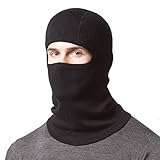
Up to 40 percent of body heat loss happens through an uncovered head, and the face is the most cold-vulnerable surface in -25C wind. Pack a thick wool beanie (Smartwool, Arc’teryx, or any merino blend at €25 to €45) for standing-around use, and a balaclava that covers the lower face and neck for active outdoor time (snowmobile rides, sled rides, aurora-chase walks). The balaclava is the item most travelers skip and most regret skipping; a basic merino balaclava costs €30 to €50 and pulls double duty as a neck gaiter when not fully deployed across the warmer Helsinki transit days.
9. Disposable and Rechargeable Hand Warmers
Hot Hands, Grabber, and HotHands Mega come in 10 to 40-packs for €15 to €40 and provide 7 to 10 hours of 35-40C heat once activated. Pack 12 to 20 disposables for a 7-day trip, plus one or two rechargeable USB hand warmers (Ocoopa, Zippo, Anker) at €25 to €45 each. The rechargeables work for repeated use and put out higher peak heat; disposables work in the moment without needing a charge. The combination is the right call: rechargeables for daily use across multi-day trips, disposables as emergency backup for the coldest nights when battery banks themselves run low after extended aurora-chase outdoor time.
10. Heated Insoles or Boot Heaters
The single most-effective comfort upgrade for travelers who already have the rest of the kit dialed in. Therm-ic, Hotronic, and Volt are the proven brands; budget €120 to €280 for rechargeable insoles that fit inside your snow boots and provide 4 to 10 hours of warmth per charge. The lower-budget alternative is Hothands toe warmers (adhesive-backed, single-use), at €1 to €2 per pair. Skip the heated insoles when you run warm and stay active during outdoor blocks; pack the heated version for travelers prone to cold feet, families with kids, or anyone planning long outdoor aurora hunts beyond the standard 21:00 to 02:00 tour window.
11. UV and Snow Sunglasses
Snow glare is real, and Lapland’s late-February sun on fresh snow produces UV levels comparable to summer skiing. Pack polarized sunglasses with full UV400 protection (Smith, Oakley, Julbo, Costa Del Mar at €120 to €250) or budget pairs with verified UV rating (RayBan, Goodr at €30 to €80). Wraparound styles block side glare better than aviators. Pack a hard case for travel; the cold turns soft cases brittle. Snow blindness is rare on the standard tourist route but real for travelers spending 6+ hours on open snow (snowmobile safaris, cross-country skiing) where reflected UV exposure compounds across the day and accumulates faster than most expect.
12. Lip Balm with SPF and Heavy Moisturizer
Dry-cold air in Lapland dehydrates skin faster than people expect. Pack a thick lip balm with SPF (Aquaphor, Carmex, or Burt’s Bees) and a heavy facial moisturizer (CeraVe Healing, Cetaphil, or Eucerin). Apply both 20 minutes before going outside and reapply 2 to 3 times daily. The combination of cold air, low humidity (often under 30%), and indoor central heating creates the most aggressive skin-dehydration environment most travelers ever experience. Budget €15 to €40 for the kit; pack travel-size duplicates in your day-bag for reapplication after every meal, sauna session, and outdoor block during the trip’s full daylight hours across each day.
13. Quick-Dry Travel Towel for Sauna
Public saunas in Finland (Loyly, Allas, Kotiharju) provide towels for an extra fee or as a rental, but bringing your own saves €5 to €10 per visit and works for the lake-cabin saunas without towel service. PackTowl, Sea to Summit, and REI all make compact microfiber towels that dry in 30-45 minutes after sauna use. Pack one large (size XL, around 130x70cm) for sitting on the sauna bench and one face-size for general use. The towels also work as picnic blankets, beach blankets, and as wraps for cold-weather lake plunges (avantouinti), earning their packing weight across multiple use cases throughout the trip.
14. Bathing Suit for Sauna Alternation
Public Finnish saunas in mixed-gender hours require a bathing suit (some hours and venues are single-gender and clothing-optional, follow the venue signage). Pack one bathing suit you do not mind getting hot, plus a pair of flip-flops or sandals for the sauna deck. The suit also covers the avantouinti (ice swimming) ritual if you do the post-sauna plunge into a hole in the lake ice. Quick-dry materials (technical nylon or polyester) are the right call; cotton suits stay wet for hours and freeze during the brief outdoor transit between sauna and changing room. Budget €30 to €80 for a dedicated sauna suit that travels purely for this use.
15. Headlamp with Red-Light Mode
Rovaniemi sees 4 hours of usable light in mid-December (sunrise 11:00, sunset 14:30 with twilight extending the window slightly). A headlamp with red-light mode preserves your night vision during aurora chases (white light kills the ability to see faint aurora for 20 to 30 minutes). Petzl Actik Core, Black Diamond Storm, and Nitecore HC65 are the proven brands at €50 to €120. Pack spare batteries (lithium AA or USB-rechargeable depending on the model). The headlamp earns extra value during indoor hotel-room reading sessions and as a backup phone-charging emergency light across the long winter evenings when daylight ends by 14:30.
16. Portable Battery Bank Rated for Cold
Lithium batteries drop 50 percent or more of their effective capacity at -20C, which kills phones and cameras during aurora photography. Pack a 10,000 to 20,000 mAh battery bank rated for cold-weather operation (Anker PowerCore, Goal Zero Flip, or Nitecore Carbo). Keep the battery bank in an inner pocket close to body heat when not in use. The same logic applies to your phone: keep it inside your jacket between shots, not in an outer pocket. Budget €30 to €80 for a quality cold-rated bank with USB-C output, and pair with a fast-charging cable that handles 60W or higher for the camera-and-phone simultaneous charging needs.
17. Travel Adapter (Type F European Plug)
Finland uses Type F (Schuko) outlets at 230V 50Hz. Travelers from the US, UK, Japan, and Australia need an adapter (not a converter, since most modern electronics handle 110-240V natively). Pack two adapters minimum; one stays at the bedside for overnight phone charging, the other rotates through camera batteries and the laptop. Universal adapters with built-in USB-C and USB-A ports save outlet space at €18 to €40. Avoid cheap unbranded adapters from airport kiosks; the contact quality is often poor and the plug-loose-from-wall problem is real in Finnish hotel rooms with older outlets that have lost their grip over decades of guest use.
18. Camera with Cold-Rated Battery and Spare
For aurora and Lapland landscape photography, a mirrorless camera with a fast lens beats any phone in 2026 even though phones close the gap each year. Sony A7 IV, Fujifilm X-T5, or Canon R6 II are the proven options; pair with a wide-aperture lens (14-24mm f/2.8 or wider). Pack 2 to 3 batteries minimum; the cold doubles battery drain. Carry spares in an inner pocket and rotate every 20 minutes. The camera itself handles -25C operation without issue (Sony and Canon both rate to -10C officially; field experience extends well below). Budget €1,800 to €3,200 for a competent kit; rent in Helsinki at Helsinki Camera Rental from €120 to €200 for a week.
19. Travel Insurance Card and Documents
EU travelers use the European Health Insurance Card (EHIC), which covers public-system care equivalent to a Finnish resident. Non-EU travelers (US, UK post-Brexit, Canada, Australia) need a private travel insurance policy covering medical evacuation, trip cancellation, and lost-baggage. World Nomads, SafetyWing, and AXA all offer Finland-inclusive plans at €5 to €15 per day. Print the policy summary card and keep it in your wallet alongside your passport; carrying digital-only copies fails when phone batteries die in the cold. The 112 emergency number works across the EU for police, ambulance, and fire response from any mobile phone, even without a SIM card or with locked screens.
20. Insulated Water Bottle
Regular plastic water bottles freeze solid within 90 minutes at -20C, which leaves you dehydrated mid-activity. Pack a vacuum-insulated stainless-steel bottle (Hydro Flask, Yeti Rambler, or Thermos King) rated to keep liquid above freezing for 12+ hours. Fill with warm water or weak black tea before heading out; the heated liquid stays drinkable for the full aurora-chase window. The same bottle works in summer for cold water on lake-trail hikes. Budget €30 to €55 for a 0.5L to 1L bottle that lasts a decade of trips and stays useful far beyond a single Finland visit. The wide-mouth versions also accept Finnish tea bags directly for the cold-mountain version of camping tea preparation.
21. Trail Mix and Energy Bars
Finnish cafes are sparse in rural Lapland and closed early in winter (most close by 19:00 outside Rovaniemi). Pack 6 to 10 energy bars or trail-mix packets in your day-bag for aurora chases, snowmobile breaks, and the unstructured periods between guided activities. Cliff Bar, RX Bar, and Trader Joe’s nut mixes work; avoid chocolate-only bars that freeze rock-hard in cold pockets. Finnish supermarkets (K-Market, S-Market, Lidl) sell competent local equivalents (Goodio, Fazer, Pirkka) at €1 to €3 per bar. Stock up on arrival rather than over-packing from home, especially for travelers with specific dietary preferences worth verifying in Finnish ingredient lists.
22. Small First-Aid Kit
Pack a compact first-aid kit with the items Lapland specifically rewards: hand-warmer-bandage combination for cold-spot injuries, ibuprofen for cold-induced headaches, anti-diarrhea medication (sudden dietary changes affect some travelers), blister-prevention strips for new snow boots, and small adhesive bandages. A pre-built REI or Adventure Medical Kit at €20 to €40 covers the baseline. Finnish pharmacies (apteekki) carry the same global brands at standard prices; emergency medication is dispensed without prescription for travelers in moderate need, and pharmacy staff are uniformly fluent in English across the major cities and tourist regions. Pack the kit in your checked luggage to avoid airport security questions about scissors or larger items, and keep a small day-bag version for tour activities.
23. Cash Backup in Small Bills
Finland is largely cashless (~99% card acceptance), but pack €50 to €100 in mixed denominations (€5, €10, €20 notes) for the rare cash-only venues: some Lapland husky-farm operators, small wilderness cabins, ferry vending at the Archipelago Trail, and tips for guides. Helsinki Airport’s Forex Bank offers fair exchange rates; avoid hotel-counter exchanges (10 to 15% markup). The €100 emergency reserve also covers situations where card readers fail in cold (yes, this happens at -25C with older terminals) and tip situations where a guide deserves direct appreciation that a card system cannot deliver. Most ATMs in Helsinki and Rovaniemi dispense from €20 minimum denominations, which is fine for top-up access once in country.
24. Mobile Data SIM or eSIM
Finnish mobile data is fast and cheap by global standards. Pick up a Telia or Elisa prepaid SIM at the Helsinki Airport arrivals hall for €15 to €25 with 20 to 50 GB and 14 to 30-day validity. Travelers with newer phones can use Airalo eSIM (Europe-wide plans starting at €5 for 1GB or €15 for 10GB) which activates instantly without swapping a physical card. Coverage in central Lapland (Rovaniemi, Saariselka, Levi) is excellent; remote areas (Inari interior, Kuhmo borderlands) drop to 3G or none. Download offline maps before leaving cellular range, and consider downloading aurora-forecast apps with offline KP-index data caching for the deepest wilderness stays.
25. Eye Mask for the Daylight Hotel Room
This one sounds counter-intuitive for a winter trip, but Lapland hotel rooms with glass-roof or large windows can be lit by late-morning sun reflecting off snow even in mid-December. The eye mask helps you sleep in after the late-night aurora chase. The midnight-sun version of this item is essential for summer Finland trips (June daylight extends 24 hours). Tempur, Ostrichpillow, and Manta all make competent options at €15 to €60. Pack in your carry-on for the long-haul flight; both legs of the trip earn the eye mask its weight, and the timezone shift from North America benefits from any sleep aid that pushes through the 7-hour jet-lag adjustment.
Renting Versus Buying: When Each Makes Sense
The rent-or-buy decision turns on trip frequency and activity mix. Travelers doing a single 5 to 7-day Lapland trip with 80% of outdoor time on guided tours (husky, aurora, snowmobile) can rent the outer thermal layer from the tour operator at zero or minimal cost, and skip buying the -30C parka and snow pants entirely. Pack the base layers, mid-layers, and accessories from home; collect the outer suit at the first guided activity and return it at the last. Total kit budget: €350 to €500.
Travelers returning to cold climates regularly (multiple Finland trips, Norway, Iceland, Canadian Rockies) or planning independent aurora hunting away from guided tours should buy the full kit. The breakeven point sits around 3 to 4 cold-weather trips total; the gear quality is unmatched at Finnish retail (Stockmann’s outdoor floor, Sokos sport, and Halti are all worth the in-country shopping detour). Total kit budget bought new: €1,400 to €2,800 depending on parka tier; secondhand via Tori.fi or Yhteishyvae cuts that by 40 to 60 percent.
Common Packing Mistakes to Avoid
The five most common packing errors for first-time Finland winter travelers: cotton anywhere in the layering system (replace with merino or synthetic), boots rated above -20C (replace with -40C-rated), missing balaclava (this one item makes the difference at -25C wind), insufficient battery and charger backup (cold-rated 20,000 mAh minimum for aurora-chase nights), and overpacking on outerwear at the expense of base layers. The right total carry-on plus checked-luggage weight for a 7 to 10-day Lapland trip lands around 18 to 24 kg per person; aim for 20 kg as the working target.
Adding Helsinki days, Stockholm, or Tallinn around the Lapland leg and trying to align the multi-country packing reality plus the sleeper-train booking windows?
The Ultimate Europe Trip Planner sequences the booking windows and packs an editable Europe-wide checklist in one document.
Frequently Asked Questions
What is the most-skipped item on a Finland winter packing list?
The merino wool 200gsm base layer. First-time visitors arrive with cotton thermals or polyester gym tops that retain moisture, freeze on the skin, and accelerate hypothermia risk on multi-hour outdoor activities. The base layer is the foundation everything else builds on; budget €110 to €200 for a full set and treat it as non-negotiable.
Can I rent winter gear in Finland instead of buying?
Yes. Most tour operators (Beyond Arctic, Bearhill Husky, Wild Nordic) provide outer thermal suits as part of their tour fee. Rovaniemi-based rental shops like Lapland Welcome and Arctic Outdoor Rental offer full kits at €40 to €70 per day. Renting works for travelers doing mostly guided activities; buyers come out ahead at 3+ cold-weather trips total or for independent travelers.
What temperature rating should my parka have for Lapland?
Minimum -30C rating for genuine Lapland winter (December to February). A -20C rated jacket from a temperate-climate retailer fails on the coldest nights and after extended outdoor time. The temperature rating reflects manufacturer testing in standard conditions; field reality runs colder once wind chill and humidity factor in. Canada Goose, Fjallraven, and Helly Hansen all make competent options at €600 to €1,500.
Do I need to pack different gear for Helsinki versus Lapland?
Helsinki is meaningfully warmer than Lapland (typical December averages -2C to -8C versus -15C to -25C). The same kit works for both, but Helsinki days run lighter: skip the heated insoles, the heaviest balaclava, and the trail-mix backup. Travelers spending only 2 days in Helsinki can move on to Lapland gear sooner. The transit day on the Santa Claus Express sleeper handles both climates without packing reconfiguration.
How does the packing list change for a family with children?
Children need the same layering system at appropriate sizes (REI Kids, Patagonia Kids, Polarn O. Pyret are the proven brands). Add: hand-warmer pouches that fit small mittens, child-sized neck gaiter (balaclavas often too large), backup spare gloves (kids lose them), and a snack stash of familiar treats from home. Limit children’s outdoor time to 90-minute blocks at -15C or colder, and budget for indoor warming-station breaks every 60 minutes.
Is wool or synthetic better for Finland winter base layers?
Wool (specifically merino) is the proven winner for Lapland conditions. Merino regulates temperature across the wide range between -25C outdoor air and +75C sauna, resists odor across multiple wears, and wicks moisture without retaining it. Synthetic base layers (polyester blends) work in shoulder-season conditions but underperform merino in genuine cold. The price difference is real (merino runs 2x to 3x synthetic) but the per-use cost across a 10-year lifespan is equivalent or better.
Key Takeaways
- The Finland winter packing list builds around 3 conditions: -25C to -30C nights, snowmobile-and-sled wind chill, and the kaamos low-daylight reality of December and January.
- The 25 items split into 10 non-negotiables (base layers, parka, boots, mittens, balaclava, hand warmers) and 15 situational items based on trip profile.
- Rent the outer thermal suit from tour operators when 80% of outdoor time is on guided activities; buy the full kit when traveling independently or returning to cold climates regularly.
- Budget €450 to €700 for renters with self-supplied base layers; €1,400 to €2,800 for the full new-kit buyer; secondhand cuts 40 to 60 percent off retail.
- The five most-skipped items: 200gsm merino base layer, -40C-rated boots, balaclava, cold-rated battery bank, and the eye mask for daylight-bright hotel rooms.
Final Thoughts
The Finland winter packing list is not about more gear, it is about the right gear in the right layers. Travelers who arrive with the merino base layer, the -30C parka, the -40C boots, and the balaclava-plus-mittens combination consistently report better comfort and longer outdoor time than travelers who arrive overpacked with the wrong kit. Build from the base layer outward, rent the outer shell when you can, and pack the cold-rated battery bank for the aurora photos the trip exists to capture.
For the broader Lapland trip context, the things to do in Lapland Finland guide pairs the gear list with activity-specific clothing notes, and the things to do in Finland guide covers the broader trip planning across regions and seasons.