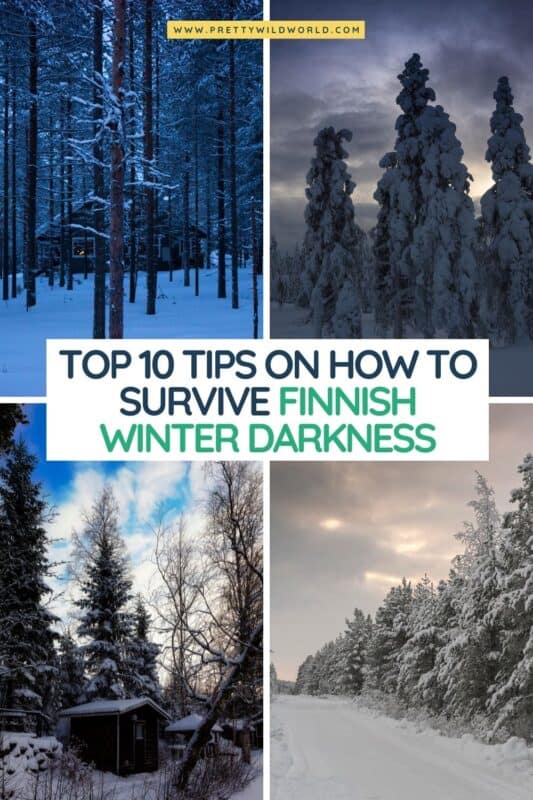
Quick Answer: Kaamos is the Finnish word for polar night, the 24-hour period when the sun stays below the horizon. In Nuorgam (Finland’s northernmost village, latitude 70°N) kaamos runs November 25 to January 17, about 51 days. Utsjoki sees similar duration; Saariselka roughly 21 days; Rovaniemi just 1 day (December 22). Kaamos is not pitch-black; the midday “blue moment” (sininen hetki) delivers 2 to 3 hours of intense blue ambient twilight. The cultural Finnish response includes candles (kynttila), vitamin D supplements (Finnish Food Authority recommends 10 µg/day in winter), bright-light lamps (kirkasvalolamput, 10,000 lux for 30-minute morning sessions), and sauna culture. Kaamosmasennus (polar-night depression) affects about 9-10 percent of Finns each winter. For winter activities and trip planning, see the dedicated winter guide.
Kaamos is the Finnish word for polar night: the 24-hour period when the sun stays below the horizon. In Nuorgam, Finland’s northernmost village, kaamos runs from November 25 to January 17. That is 51 consecutive days without a sunrise. The darkness is not absolute; the midday hours hold a strange intense blue light that Finns call sininen hetki, the blue moment.
The polar night is a function of latitude and Earth’s axial tilt. The planet tilts 23.5 degrees on its axis; during winter the northern hemisphere is angled away from the sun, and at latitudes above 66.5°N (the Arctic Circle) the sun fails to rise for at least one day of the year. The further north, the longer the polar night runs. Rovaniemi at the Arctic Circle gets exactly 1 day of polar night (December 22); Nuorgam at 70°N gets 51 days; Svalbard (Norwegian Arctic, 78°N) gets about 84 days of polar night each winter.
This guide focuses on kaamos itself as a phenomenon. The science of the darkness, the cultural Finnish response (candles, vitamin D, light therapy, sauna), the psychology including the polar-night depression rates, the blue-moment photography window, and the practical question of where to travel for the deepest kaamos experience all sit here. For the broader Finnish winter activity calendar (aurora chase tours, husky safaris, glass igloo stays, ski resorts), the dedicated winter in Finland guide is the matched read.
Planning a far-north Finland trip to experience the deepest kaamos at Utsjoki or Nuorgam plus the broader winter activity calendar?
The Ultimate Europe Trip Planner sequences the kaamos far-north extension into the broader Finnish winter trip in one editable document.
Recommended Kaamos Trip Essentials
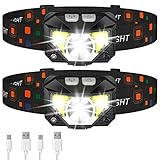
Six items worth packing for the kaamos far-north Finland trip; the light therapy lamp and the vitamin D supplement are the highest-value items because the kaamos darkness affects sleep, mood, and circadian rhythm in ways most visitors underestimate.


Recommended blogs to read:
- things to do in Lapland
- best places for northern lights in Finland
- Finland winter packing list
- is Finland expensive
- things to do in Rovaniemi
12 Things to Know About Finnish Kaamos for 2026
The 12 entries below cover the realistic kaamos understanding from the science through the psychology to the practical travel implications. Each notes the scientific or cultural anchor plus the implication for travelers visiting Finland during the polar-night season.
1. What is Kaamos, The 24-Hour-Below-Horizon Definition
Kaamos is the Finnish word for polar night, defined as the 24-hour period when the sun stays continuously below the horizon. The technical astronomical definition requires the sun to remain at least 0 degrees below the horizon for the full 24-hour day. This happens only above the Arctic Circle (latitude 66.5°N) and only during the months around the December winter solstice. At exactly 66.5°N the polar night lasts a single day (December 21 or 22); each additional degree of latitude further north adds about 9 to 12 days to the polar night duration. The kaamos phenomenon is a function of Earth’s 23.5-degree axial tilt and is the mirror opposite of the midnight sun summer season at the same latitudes.
Read also: midnight sun in Finland 12 best places for the summer mirror-opposite phenomenon at the same Lapland latitudes.
2. The Science, Earth’s 23.5-Degree Axial Tilt
Earth’s axis tilts 23.5 degrees relative to the orbital plane around the sun. As the planet orbits across the year, the northern hemisphere tilts toward the sun in summer (May to August) and away from the sun in winter (November to February). At latitudes above the Arctic Circle (66.5°N), the geometry causes the sun to remain entirely below the horizon for some part of winter. Exactly at the Arctic Circle the polar night lasts a single day; moving north, the polar night duration increases by roughly 9 to 12 days per degree of latitude. Nuorgam at 70°N (3.5 degrees north of the Arctic Circle) gets about 51 days of polar night. The same axial tilt creates 24-hour midnight sun in summer at the same latitudes.
Read also: aurora forecast apps for Finland for the related geomagnetic and solar-activity tools that help time aurora viewing during the kaamos season.
3. Duration by Latitude, Nuorgam 51 Days to Rovaniemi 1 Day
The polar night duration in Finland varies sharply by latitude. Nuorgam (70°N, Finland’s northernmost village) gets the longest kaamos at 51 days from November 25 to January 17. Utsjoki (69°30’N) gets similar duration at about 50 days. Saariselka (68°N) gets about 21 days from December 11 to January 1. Inari (68°55’N) sits between Utsjoki and Saariselka with about 38 days. Sodankylä (67°N) gets about 14 days. Rovaniemi (66.5°N, exactly on the Arctic Circle) gets just 1 day of true polar night on December 22. Helsinki at 60°N never experiences polar night; the December solstice still delivers about 6 hours of daylight in the capital.
Read also: Inari and Saariselka combined guide for the deeper kaamos-zone Lapland trip planning.
4. Not Pitch-Black, Civil Twilight and the Blue-Grey Midday
Kaamos darkness is not absolute. The sun staying below the horizon does not mean total night; the sun remains close enough to the horizon during midday hours that the sky stays illuminated as civil twilight (when the sun is 0 to 6 degrees below the horizon) for several hours each day. The civil-twilight light is blue-grey and unmistakably different from full night; outdoor activity remains practical during the midday window. The further north (and the closer to December 21 solstice), the shorter and darker the twilight midday. The classic kaamos imagery (snow-covered Lapland landscape lit by intense blue light) shows the civil twilight period rather than the actual polar-night midnight.
Read also: things to do in Helsinki in winter for the southern-Finland winter context (which does not experience polar night but gets short twilight days).
5. The Blue Moment (Sininen Hetki) Photography Window
Sininen hetki, the “blue moment,” is the 2 to 3 hour midday period during kaamos when the ambient light glows an intense saturated blue rather than the grey of a typical overcast day. The effect happens because the sun stays just below the horizon, scattering shorter blue wavelengths through the upper atmosphere while the longer red wavelengths are absorbed by the lower atmosphere. The blue moment is the kaamos photography window favored by Lapland landscape photographers; the snow-covered tundra and forest take on a strong blue cast that no other lighting condition produces. The phenomenon peaks at the deepest kaamos latitudes around the December solstice and runs roughly 11am to 2pm local time at Saariselka and Inari latitudes.
Read also: northern lights photography for the related winter-Lapland photography settings and techniques.
6. Kaamosmasennus, Polar-Night Depression in Finland
Kaamosmasennus (literally “polar-night depression”) is the Finnish term for seasonal affective disorder triggered or worsened by the long winter darkness. Finnish mental-health research estimates that 9 to 10 percent of Finns experience clinically significant seasonal depression annually, compared to 2 to 4 percent in southern Europe; the rate climbs sharply in the northernmost regions where kaamos runs longest. Symptoms include low mood, energy collapse, heavy sleep, carbohydrate cravings, social withdrawal, and difficulty concentrating; the symptoms typically lift naturally as daylight returns through February and March. Awareness of kaamosmasennus is widespread in Finnish culture; Finnish primary care openly discusses light therapy, vitamin D, and exercise as standard winter-mental-health protocols.
Read also: solo female travel in Finland for the broader wellbeing-and-safety context that applies to all Finland winter visitors.
7. Vitamin D, Finnish Food Authority 10 µg/Day Winter Recommendation
Vitamin D production in human skin requires UVB sunlight exposure; at Finnish latitudes the winter sun is too low for the skin to produce meaningful vitamin D from October through March. The Finnish Food Authority recommends a 10 microgram per day vitamin D supplement for all adults from October through March, with higher doses (20 micrograms per day) for older adults, dark-skinned residents, and pregnant women. The supplement is universally available at Finnish pharmacies and grocery stores at 5 to 15 EUR for a multi-month supply. Finnish dairy products are also fortified with vitamin D since 2003 as a public health measure. Visitors staying multiple weeks in Finnish winter should also consider vitamin D supplementation; the deficit develops within 2 to 4 weeks of arrival from sunnier climates.
Read also: Finland with kids family travel guide for the family-health winter context that the vitamin D recommendation also applies to.
8. Light Therapy Lamps, Kirkasvalolamput at 10,000 Lux
Bright-light therapy lamps (kirkasvalolamput in Finnish) are the standard medical recommendation for managing kaamosmasennus and the broader winter low-mood effects. The therapeutic dose is 30 minutes of 10,000-lux full-spectrum white-light exposure within the first hour after waking. The lamps run 50 to 200 EUR retail, widely sold at Finnish pharmacies and electronics stores; the Stockmann department store and the Verkkokauppa electronics chain both run dedicated light-therapy sections through October to March. The lamps are designed to sit at a workstation or breakfast table at 30 to 50 cm distance; the light is not blinding and the morning session integrates easily into a normal routine. The clinical effect is documented in multiple Finnish primary care studies; results appear within 7 to 14 days of consistent use.
Read also: Finland currency and money guide for the broader Finnish retail-pricing context including health-and-pharmacy categories.
9. Finnish Cultural Response, Candles, Kotoisuus, Sauna in Kaamos
Finnish cultural response to kaamos centers on three practices. Candles (kynttila) line apartment windows, restaurants, public buildings, and outdoor cemeteries from late October through February; the Finnish home-decor concept of kotoisuus (literally “homeliness,” roughly equivalent to Danish hygge) emphasizes warm low light, soft textiles, and indoor comfort against the outdoor dark. Sauna sessions intensify across kaamos with the heat-and-cold contrast meaningful against the darkness. The cultural framing treats kaamos as a season to embrace rather than endure; Finnish residents describe the long dark months as a permission to slow down, read more, sleep longer, and gather indoors with family and friends. The acceptance is genuinely cultural rather than performative; visitors who lean into the kotoisuus approach report substantially better kaamos experiences.
Read also: Finnish sauna etiquette for the deeper sauna-culture context that anchors the kaamos winter cultural response.
10. Where to Experience the Deepest Kaamos, Utsjoki, Nuorgam, Saariselka
The deepest kaamos experience requires travel to the northernmost Finnish municipalities. Utsjoki (69°30’N) and Nuorgam (70°N, Finland’s northernmost village within Utsjoki municipality) deliver the full 50 to 51-day polar-night experience; both sit roughly 450 km north of Rovaniemi and require either the long drive from Ivalo airport or chartered transfer from Inari. Saariselka (68°N) delivers a meaningful 21-day kaamos zone with the existing tourism infrastructure (Kakslauttanen Arctic Resort, Star Arctic, the broader Saariselka village). Inari (68°55’N) offers the strongest cultural-and-kaamos combined trip with the Sami cultural anchor at the Siida Museum. For most travelers wanting the kaamos experience without the extreme far-north transit, Saariselka or Inari is the practical answer; Utsjoki and Nuorgam suit only the deepest dedicated kaamos-and-Sami-cultural trips.
Read also: Sami culture in Finland for the cultural context that anchors the Utsjoki-and-Inari far-north kaamos trips.
11. Kaamos in Finnish Art, Literature, and Music
Kaamos sits as a recurring theme across Finnish art and culture. Visual artist Akseli Gallen-Kallela painted multiple Lapland kaamos landscapes around 1900. Composer Jean Sibelius wrote winter-and-darkness-themed pieces including the Valse Triste and the broader symphonic work shaped by Finnish nature. The Finnish noir crime literature tradition (Antti Tuomainen, Jari Tervo, Antti Holma) frequently sets work during kaamos with the darkness as both atmosphere and plot driver. Contemporary Finnish photographers (Konsta Punkka, Petri Saarikko) work extensively in kaamos blue-moment light. The Helsinki Noir crime literature festival (28 February to 1 March 2026) specifically programs around the end-of-kaamos cultural moment. The deeper kaamos cultural exposure rewards travelers who pair the trip with Finnish art-and-literature engagement.
Read also: art museums in Helsinki for the Finnish art-collection context including the Gallen-Kallela holdings at the Ateneum.
12. Visiting Finland During Kaamos, What to Expect, What to Pack
Practical expectations for a kaamos-zone Finland trip. The actual experience runs much warmer in the social-and-cultural dimension than visitors expect; Lapland villages stay lively through the dark season with restaurants, saunas, and tour operations all running. Outdoor activity remains practical during the 2 to 4-hour civil-twilight midday window; pack a strong headlamp for any activity outside that window. Sleep patterns shift; many visitors report sleeping 9 to 11 hours per night during the first 2 to 4 days of arrival in the kaamos zone. The vitamin D supplement plus the light-therapy lamp for stays exceeding 1 week make a noticeable difference. Mental preparation matters more than physical: travelers who arrive expecting the experience to feel oppressive often do worse than travelers who arrive expecting it to feel calming.
Read also: Santa Claus Express sleeper train for the overnight Helsinki-to-Rovaniemi transit that anchors most kaamos-trip arrivals.
Layering a kaamos far-north extension into a broader Finland winter trip with aurora-and-activity days?
The Ultimate Europe Trip Planner sequences the kaamos zone visit into the broader Finland winter itinerary in one editable document.
Frequently Asked Questions
What is kaamos?
Kaamos is the Finnish word for polar night, the 24-hour period when the sun stays continuously below the horizon. It happens only above the Arctic Circle (latitude 66.5°N) and only during the months around the December winter solstice. In Nuorgam, Finland’s northernmost village at 70°N, kaamos runs November 25 to January 17 (51 consecutive days). Rovaniemi at the Arctic Circle gets just 1 day of polar night on December 22.
Is kaamos completely dark?
No. The sun staying below the horizon does not mean total night; the sun remains close enough during midday hours that the sky stays illuminated as civil twilight for 2 to 4 hours each day. The civil-twilight light is blue-grey and unmistakably different from full night; outdoor activity remains practical during the midday window. The classic kaamos imagery shows this civil twilight period rather than the actual polar-night midnight.
What is the blue moment in Finland?
Sininen hetki, the “blue moment,” is the 2 to 3 hour midday period during kaamos when the ambient light glows an intense saturated blue. The effect happens because the sun stays just below the horizon, scattering shorter blue wavelengths through the upper atmosphere while red wavelengths are absorbed below. The blue moment is the kaamos photography window favored by Lapland landscape photographers; it peaks at deepest kaamos latitudes around the December solstice.
How do Finns cope with the polar night?
Finnish cultural response centers on candles (kynttila) in windows and public spaces, the home-decor concept of kotoisuus (warm low light, soft textiles, indoor comfort), intensified sauna sessions, vitamin D supplements (Finnish Food Authority recommends 10 µg/day in winter), and bright-light therapy lamps (kirkasvalolamput, 10,000 lux for 30-minute morning sessions). The cultural framing treats kaamos as a season to embrace rather than endure.
Where can I experience the deepest kaamos in Finland?
Utsjoki (69°30’N) and Nuorgam (70°N, Finland’s northernmost village) deliver the full 50 to 51-day polar-night experience but require long transit from Ivalo airport. Saariselka (68°N) delivers a 21-day kaamos zone with existing tourism infrastructure. Inari (68°55’N) offers the strongest combined kaamos-and-Sami-cultural trip. For most travelers wanting the kaamos experience without extreme far-north transit, Saariselka or Inari is the practical answer.
Is kaamos depression real?
Yes. Kaamosmasennus (polar-night depression) is the Finnish term for seasonal affective disorder triggered by long winter darkness. Finnish research estimates that 9 to 10 percent of Finns experience clinically significant seasonal depression annually, compared to 2 to 4 percent in southern Europe. Symptoms include low mood, energy collapse, heavy sleep, carbohydrate cravings, and difficulty concentrating; symptoms typically lift as daylight returns through February and March. Standard treatment includes light therapy, vitamin D, and exercise. This is a sensitive topic and travelers experiencing mental health symptoms should consult appropriate medical support.
Key Takeaways
- Kaamos is the Finnish word for polar night: 24-hour periods with the sun below the horizon at latitudes above the Arctic Circle.
- Nuorgam at 70°N gets 51 days of polar night (Nov 25-Jan 17); Rovaniemi at the Arctic Circle gets just 1 day on December 22.
- Kaamos is not pitch-black; the sininen hetki “blue moment” delivers 2 to 3 hours of intense blue midday twilight light.
- Kaamosmasennus (polar-night depression) affects 9-10 percent of Finns; Finnish protocol covers vitamin D supplement (10 µg/day) and 10,000-lux light therapy lamps.
- Cultural response centers on kynttila candles, kotoisuus home-comfort, and intensified sauna culture; deepest kaamos travel destinations are Utsjoki and Nuorgam.
Final Thoughts
Kaamos is one of the most distinctive Finnish natural phenomena and one of the least understood by international visitors. The 24-hour-below-horizon polar night runs from a single day at the Arctic Circle to 51 consecutive days in Nuorgam; the experience is less about pitch darkness than about the long blue twilight, the cultural response of candles and sauna and kotoisuus, and the practical health protocols (vitamin D, light therapy) that Finnish residents have refined across generations. For travelers wanting the deeper polar-night experience, plan a Saariselka or Inari trip in December and January; for the broader winter Finland activity calendar including aurora chases, husky safaris, and ski resorts, the winter in Finland guide is the matched read. The kaamos experience rewards travelers who arrive expecting calm rather than oppression.