Quick Answer: Juhannus (Finnish Midsummer) is the most-celebrated holiday in Finland, marking the longest day of the year with bonfires, lake cabins, sauna marathons, and a near-total exodus from cities. In 2026, Juhannus falls on Friday June 19 (Juhannusaatto, Midsummer Eve) and Saturday June 20 (Juhannuspäivä, Midsummer Day). Shops close at 1pm Friday; most of Finland shuts down completely Saturday through Monday. Visitors can join through public Juhannus celebrations at Seurasaari Open-Air Museum in Helsinki, the Suomenlinna fortress, or by renting a lakeside mökki cabin in the Lakeland region. The tradition rewards travelers who plan around the closures rather than against them.
The Friday before Juhannus, Finland empties. Helsinki by 4pm looks like the early hours of a snow day; shops shuttered, restaurants on reduced hours, the harbor cafes lining the empty Esplanadi park. Public transit thins. By Saturday morning, the population of Helsinki has dropped by roughly 40 percent as Finns head to lakeside cabins (mokki), summer cottages, and the rural family properties that have been in the same hands for generations. The cities go quiet so the lakes can go loud.
For travelers, Juhannus is the cultural moment that defines the Finnish summer year. Plan around the closures rather than against them: book accommodation in the Lakeland region or arrange a cabin rental rather than expecting normal city activity, accept that restaurants and museums in Helsinki will be on reduced hours or closed entirely, and join one of the public Juhannus celebrations (Seurasaari Open-Air Museum runs the most-traveler-friendly version) for the bonfire-and-folk-tradition experience without needing to know a Finnish family.
2026 Juhannus specifics: Friday June 19 is Juhannusaatto (Midsummer Eve), Saturday June 20 is Juhannuspaiva (Midsummer Day), Sunday June 21 is the Juhannus weekend roll-off. Shops close at 1pm Friday; most reopen Tuesday morning. Public transit runs reduced schedules through the weekend. Helsinki Airport stays fully operational. The midnight sun above the Arctic Circle (above 66.5°N) means 24 hours of daylight; below the Arctic Circle, the sun dips briefly below the horizon at 23:30 to 02:30 but never truly sets. The 2026 weather forecast for Juhannus weekend is expected to follow the historical average of 18 to 22C daytime, 10 to 14C overnight, with 30 to 40 percent rain probability.
Booking the Juhannus 2026 trip to Finland and trying to align cabin rentals, flights, and the closure-aware itinerary 3 to 5 months ahead?
The Ultimate Europe Trip Planner sequences the Juhannus booking windows and the closure-aware schedule in one editable document.
Juhannus Travel Essentials
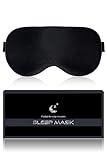
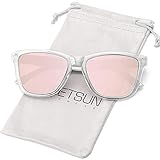
Six items worth packing for the Finland Juhannus weekend trip; the picaridin spray and the eye mask carry the most cultural-context value alongside the standard summer kit.





Recommended blogs to read:
- summer in Finland overview
- Finland summer packing list
- lakes in Finland guide
- sauna etiquette in Finland
- things to do in Helsinki
10 Things to Know About Juhannus in Finland
The 10 items below cover everything from the holiday’s historical origins to the practical closure-aware travel planning for the 2026 weekend. The order tracks rough chronology from understanding the holiday through deciding where to base your trip through joining the celebrations themselves.
1. What Juhannus Actually Celebrates
Juhannus marks the summer solstice and the longest day of the year, originally a pagan celebration that the Christian church absorbed and renamed for John the Baptist (Juhannus derives from Johannes, the Finnish version of John). The holiday is fixed to the Saturday between June 20 and 26 each year; the Friday before is Juhannusaatto (Midsummer Eve) and the day after is Juhannuspaiva (Midsummer Day). The traditions blend pre-Christian agricultural rituals (bonfires to ward off evil spirits and protect crops, birch branches in the sauna for purification) with the Christian church-blessing layer. Modern Juhannus is functionally a secular family-and-cabin holiday rather than a religious observance for most Finns.
2. The 2026 Juhannus Calendar
Juhannus 2026 falls on Friday June 19 (Juhannusaatto, the bigger celebration day with bonfires and family dinners) and Saturday June 20 (Juhannuspaiva, the quieter recovery day). Shops typically close at 1pm Friday and stay closed Saturday through Sunday or Monday depending on the chain (Stockmann, K-Citymarket, S-Market all post specific Juhannus hours by mid-May 2026). Most museums close Friday afternoon through Sunday; many restaurants close entirely. Helsinki Airport remains fully operational. The closure pattern is the strongest of any Finnish holiday; do not expect normal city activity from Friday 12pm through Tuesday morning. Plan the trip accordingly with cabin or rural lodging across the closure window.
3. The Bonfire-and-Emptying-of-Cities Tradition
The bonfire (kokko) is the central Juhannus tradition, lit at lakeside cottages and public Juhannus celebrations across the country. The fires are built tall (3 to 5 meters typical), constructed of dry birch and pine wood collected through spring, and lit between 21:00 and 23:00 on Juhannusaatto when the long-daylight evening transitions into the brief twilight. The lighting moment is the social peak of the holiday, with family and friends gathering around the bonfire for music, food, and the obligatory sauna-then-lake-plunge ritual that defines Finnish summer. The simultaneous emptying of Helsinki and other cities is the structural side-effect; the city-cabin contrast is the most-characteristic Juhannus image.
4. Where to Experience Public Juhannus in Helsinki
Seurasaari Open-Air Museum (Seurasaaren ulkomuseo) on a small island west of central Helsinki runs the largest public Juhannus celebration in the country. The 2026 event runs Friday June 19 from 18:00 to 02:00 with traditional Finnish folk music, dancing, sauna demonstrations, and the lighting of the main bonfire at 21:00. Entry is €15 adult, €5 child, free for under-7. The Suomenlinna sea fortress also runs a smaller public Juhannus event with bonfires lit at multiple harbor points across the island. Both are accessible by HSL ferry; the Suomenlinna ferry runs reduced Juhannus-day service so check schedules ahead. These two are the most-traveler-friendly options for joining the holiday without needing local family connections.
5. Renting a Mökki Lakeside Cabin for the Weekend
Renting a mokki (Finnish summer cottage) for the Juhannus weekend is the most-authentic way for visitors to experience the holiday. Lomarengas (lomarengas.fi) and Nettimokki (nettimokki.com) are the two major rental platforms, both with English-language interfaces. Standard tier cabins for 4 to 6 people run €525 to €1,400 for the Saturday-to-Saturday week (or 3-night Juhannus weekend at €350 to €700). Mid-tier cabins with full kitchens, modern saunas, and lake access run €800 to €2,400 per week. Premium tier cabins with multiple bedrooms, hot tubs, and waterfront private docks run €2,500 to €4,200 per week. Book by mid-March 2026 for Juhannus weekend availability; the cabin market is the tightest of the year for this single weekend.
6. The Juhannus Sauna and Lake Ritual
The Juhannus weekend is the most-active sauna weekend of the year for most Finnish families. The traditional sequence runs sauna (hot, with birch branches called vihta for self-whipping the back for circulation), then lake plunge or shower, then rest with a cold drink on the dock, then repeat 2 to 4 times across the long evening. The birch branches are gathered fresh that week from young birch trees; vihta-making is itself a small Juhannus ritual passed down through families. For visitors at a rented mokki, the cabin owner usually pre-gathers vihta and explains the use during the welcome briefing. For visitors at public Seurasaari, sauna demonstrations are part of the official program with traditional smoke-sauna displays.
7. Traditional Juhannus Food and Drink
Juhannus food is structured around new potatoes (uudet perunat, the season’s first harvest, served with butter and fresh dill), herring (silli, marinated in cream or mustard sauce), grilled sausages (makkara, grilled over the bonfire on long forks), strawberries (the season’s first Finnish strawberries are timed to Juhannus), and the traditional Mansikkakakku (strawberry cake). The drink layer includes beer (olut), cider (siideri), and the home-distilled traditions of sahti (a strong farmhouse ale, still made in some rural regions) and koskenkorva (a vodka-style spirit). Buy supplies before Friday 1pm closing; K-Citymarket and S-Market stock the Juhannus-specific items prominently from mid-June, with full displays of new potatoes and herring near the front of the store.
8. Lakeland Region: The Best Juhannus Destination
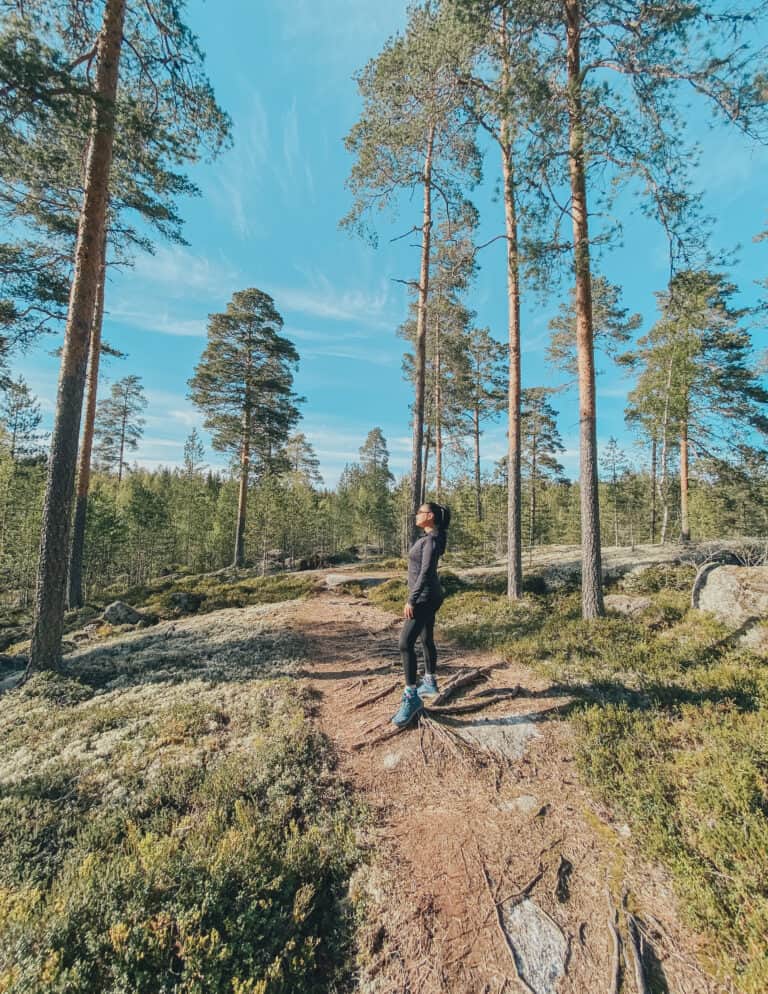
The Lakeland region (Saimaa, Paijanne, and the cluster of lakes around Mikkeli, Savonlinna, Kuopio, and Joensuu) is the heart of Finnish cabin culture and the strongest Juhannus destination for visitors. The Saimaa lake system is the largest in Europe and offers thousands of small islands and shoreline cabin sites; the area around Punkaharju and Savonlinna delivers the most-photographed Juhannus scenery. Travel to Lakeland by train from Helsinki (3 to 4 hours to Mikkeli or Savonlinna, €30 to €60 advance) or by car (4 to 5 hours direct). Local taxi services and small rural buses connect train stations to cabin areas; some cabin rentals include car-shuttle pickup as part of the booking.
9. Lapland Juhannus: 24-Hour Daylight Above the Arctic Circle
For travelers above the Arctic Circle (Rovaniemi at 66.5°N and northward), Juhannus delivers 24-hour daylight with the sun never setting from approximately June 6 through July 7. The Lapland Juhannus celebrations are smaller than the Lakeland versions but unique: bonfires lit in continuous daylight, sauna sessions at midnight under the full sun, and the surreal quality of an outdoor barbecue at 02:00 in conditions that look like late afternoon. Rovaniemi runs a small public Juhannus event at the Arctic Circle line; Inari hosts a stronger Sami-flavored Juhannus with traditional joiku singing. Pack the silk eye mask; sleep below the Arctic Circle is hard enough at Juhannus, and impossible above it without one.
10. Practical Planning Calendar for Juhannus 2026
Practical planning calendar working backward from Juhannus 2026: book cabin rental and flights by March 15 (Lakeland mokki market closes fastest); confirm train tickets by May (VR sells Juhannus tickets at fixed pricing rather than the dynamic-pricing system most other weekends use); stock grocery supplies by Wednesday June 17 noon (the Thursday rush is intense); plan the Friday afternoon Helsinki sightseeing for the morning hours only (most museums close 12:00 to 14:00 Friday); arrive at your cabin or rural base by Friday 16:00 to enjoy the bonfire-lighting evening; treat Saturday and Sunday as full sauna-and-lake recovery days with reduced expectations for shopping or restaurant activity.
What Not to Plan for Juhannus Weekend
The four travel-planning mistakes that consistently ruin Juhannus weekend visits to Finland: planning to do Helsinki sightseeing across the holiday (most museums and many restaurants close), booking only city hotels with no cabin or rural component (you miss the actual cultural moment), arriving Friday late evening without prior grocery supplies (shops are closed and you cannot stock the cabin for the weekend), and underestimating mosquito pressure in the Lakeland region (Juhannus weekend sits right at the peak of the Saimaa mosquito season, so picaridin spray and a head net are non-negotiable). Plan around these four and the weekend becomes the cultural highlight of the trip.
Combining Juhannus with the Broader Finland Trip
The cleanest 7 to 10-day Finland summer trip wrapped around Juhannus 2026: arrive Helsinki Wednesday June 17 (2 days of city before the closures), take the Wednesday evening train to Lakeland or pick up the rental car early Friday morning, base in a mokki cabin Friday June 19 through Monday June 22 for the full Juhannus weekend and recovery, then either return to Helsinki for the final Tuesday-Wednesday or continue to Lapland for a 3 to 4-day extension. The longer 10 to 14-day version adds the Aland Islands or Archipelago Trail on the back end for the post-Juhannus coastal week, which avoids the Lakeland post-holiday cleanup crowd and delivers a quieter end-of-trip flavor.
Combining Juhannus with Stockholm or Tallinn extensions and trying to align the Finland weekend with the multi-country leg around the long-daylight summer window?
The Ultimate Europe Trip Planner sequences the multi-country summer trip in one editable document.
Frequently Asked Questions
When is Juhannus 2026?
Friday June 19 (Juhannusaatto, Midsummer Eve, the bigger celebration day) and Saturday June 20 (Juhannuspaiva, Midsummer Day). The holiday is fixed to the Saturday between June 20 and 26 each year. Shops close at 1pm Friday and stay closed through Sunday or Monday depending on the chain.
Should I visit Finland during Juhannus or avoid the holiday?
Visit during Juhannus if you can structure the trip around the closures: rent a mokki cabin in the Lakeland region, join the Seurasaari public celebration in Helsinki, or experience the 24-hour daylight in Lapland. Avoid if you plan city sightseeing and restaurant-heavy days; Helsinki museums and restaurants close almost entirely Friday afternoon through Sunday.
How far ahead should I book Juhannus accommodation?
Book by mid-March 2026 minimum. The mokki cabin market is the tightest of the year for the Juhannus weekend; popular Lakeland cabins sell out 5 to 6 months ahead. Hotels in Helsinki are more flexible (most do not sell out for Juhannus since Finns are leaving the city), but rural accommodation needs early commitment.
Can I attend a Juhannus celebration without knowing Finns?
Yes. Seurasaari Open-Air Museum in Helsinki runs the most traveler-friendly public Juhannus event (€15 adult entry). Suomenlinna Sea Fortress hosts a smaller public version. Most mokki rental owners include Juhannus traditions in the welcome briefing (sauna demo, vihta birch branches, bonfire lighting tips). The cultural barrier is low; the language barrier disappears with English-fluent owners.
Are restaurants open during Juhannus?
Most are closed Friday afternoon through Sunday. The exceptions: hotel restaurants stay open (Hilton, Hotel Kamp, Scandic), a few tourist-focused harbor restaurants in Helsinki run reduced hours, and some cabin-rental areas have small lake-side cafes operating for the weekend crowd. Plan to self-cater at the cabin or eat at hotel restaurants if staying in cities.
Does public transit run during Juhannus?
Yes, but on reduced Sunday-or-holiday schedules. Helsinki HSL runs every 20 to 30 minutes instead of every 10 minutes through the weekend. VR train service runs full schedules to Lakeland and Lapland but with higher demand on Wednesday and Thursday before Juhannus. Helsinki Airport stays fully operational. The Suomenlinna ferry runs reduced Juhannus-day service; check schedules ahead.
Key Takeaways
- Juhannus 2026 = Friday June 19 (Juhannusaatto) + Saturday June 20 (Juhannuspaiva). Shops close at 1pm Friday and stay closed through Sunday or Monday.
- The bonfire-and-mokki-cabin tradition is the cultural heart of the holiday; Finland’s cities empty as families head to lakeside cottages in the Lakeland region.
- Best for visitors: rent a mokki cabin (book by mid-March), join Seurasaari Open-Air Museum’s public Juhannus event (€15 adult), or experience 24-hour daylight Juhannus in Lapland.
- Avoid planning Helsinki museum-and-restaurant days for Friday afternoon through Sunday; the closures are the strongest of any Finnish holiday.
- Traditional food and drink: new potatoes with dill, herring, grilled makkara sausages, strawberries, beer and koskenkorva. Stock supplies by Wednesday or Thursday before.
Final Thoughts
Juhannus is the most-essential Finnish summer cultural experience for visitors who plan around it rather than against it. Book the mokki cabin 5 to 6 months ahead, stock supplies before Friday closing, and accept that Helsinki on Juhannus weekend looks like a different city than the rest of the year. Join Seurasaari for the public version if a cabin rental is not possible. The trade-off between accepting the closures and experiencing the cultural moment lands strongly in favor of going during the holiday rather than skipping it.
For more on Finnish summer planning, the things to do in Finland guide covers the broader summer activity layer, and the best time to visit Finland guide covers the seasonal trade-offs across the year.