
Quick Answer: Autumn in Finland (syksy) runs from late August through late October, with ruska foliage peaking in northern Lapland early-to-mid September, central Finland late September, and southern Helsinki early-to-mid October. The season anchors three Finnish nature traditions: ruska foliage trips (Saariselka, Pallas-Yllastunturi, Koli National Park), mushroom and berry foraging under everyman’s right (jokamiehenoikeus), and the start of the aurora season (late August through April). Helsinki Design Week launches early September; Helsinki Coffee Week lands September 26, 2026. Pack layered waterproof clothing, hiking boots, a foraging basket for mushrooms, and a daypack for the long ruska walking days.
By late September the birch leaves over Lake Saimaa turn copper-gold, the smell of mushroom hunters’ baskets in Hakaniemi Market Hall changes overnight, and the long Helsinki summer terraces start to close their outdoor tables. Finnish autumn is short, brilliant, and underestimated by most international travelers who treat the country as a winter-only destination.
The autumn season runs as three overlapping experiences. Ruska (the Finnish word for autumn foliage) peaks at different times across the country, giving a roughly 6-week window for trips planned around foliage. Mushroom and berry foraging runs from late August through late October, with the legal right to forage anywhere under jokamiehenoikeus. The aurora season starts in late August in Lapland, giving early-season aurora travelers thinner crowds and warmer nighttime conditions than the December-to-February peak.
Helsinki and the southern cities run their own autumn rhythm. Helsinki Design Week typically opens early September with the Finnish design industry’s flagship gathering. Helsinki Coffee Week lands September 26, 2026 at Wanha Satama. The summer-only waterfront bars close gradually through September; the museum and cafe scenes pick up the slower-season visitors with reduced queues at Ateneum, Kiasma, and the third-wave coffee shops.
Sequencing the Finnish autumn trip across Lapland ruska, Helsinki design week, and the mushroom-and-berry foraging windows?
The Ultimate Europe Trip Planner maps the autumn trip across regions and weeks in one editable document.
Recommended Finnish Autumn Travel Essentials
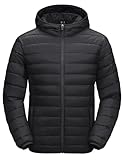
Six items worth packing for the Finnish autumn trip; the waterproof hiking boots and the packable raincoat are the highest-value items because autumn weather flips between dry sunshine and heavy rain across single days.






Recommended blogs to read:
- things to do in Finland
- things to do in Lapland
- best places for northern lights in Finland
- is Finland expensive
- Finland currency and money guide
12 Best Things to Do in Finland in Autumn for 2026
The 12 activities below cover the realistic Finnish autumn trip across ruska foliage, foraging, cultural events, and the early aurora season. Each entry notes the timing window, the regional anchor, and the kind of autumn day the activity suits best.
1. Ruska Foliage Peak Timing by Region
Ruska is the Finnish word for autumn foliage color, and timing the trip to the peak depends entirely on the region. Northern Lapland (Saariselka, Inari, Utsjoki) peaks early-to-mid September with the dwarf birches turning copper-orange across the open fells. Central Finland (Kuopio, Joensuu, Jyvaskyla) peaks late September into early October with the mixed birch-and-pine forests turning gold. Southern Finland (Helsinki, Turku, Tampere) peaks early-to-mid October with the city parks holding their color into late October in mild years. Track ruska timing on the Visit Finland weekly maps and on local Lapland tourism office reports for the most-current peak windows before booking.
Read also: things to do in Rovaniemi for the Lapland base that anchors most early-September ruska trips.
2. Best Places for Ruska Foliage
The reference ruska destinations cover three regions. Saariselka (Lapland, 250 km north of Rovaniemi) anchors the early-September Lapland ruska with the surrounding Urho Kekkonen National Park trails. Pallas-Yllastunturi National Park (western Lapland) runs the open-fell ruska terrain with the marked Hetta-Pallas hiking route (55 km, 3 to 5 days). Koli National Park in eastern Finland (4 hours from Helsinki) delivers the most-photographed central-Finnish ruska view from the Ukko-Koli summit overlooking Lake Pielinen. For travelers wanting one ruska trip, Koli is the most accessible from Helsinki; Saariselka is the most spectacular for travelers willing to fly to Ivalo.
Read also: things to do in Helsinki for the southern-city ruska context that pairs with a later-October Helsinki visit.
3. Mushroom Foraging Under Everyman’s Right
Finnish law gives anyone (including visitors) the right to forage mushrooms and berries on public and private land under jokamiehenoikeus (everyman’s right), provided you do not damage trees or disturb the property owner. Mushroom season runs late August through late October with the peak in early-to-mid September. The valuable Finnish edible mushrooms include chanterelles (kantarelli), porcini (herkkutatti), milk caps (rouskut), and the cold-tolerant funnel chanterelle (suppilovahvero) into October. The Hakaniemi Market Hall in Helsinki runs a mushroom-identification service most autumn weekends where experts verify foragers’ finds for free. Never eat a mushroom you cannot positively identify; the Finnish forest holds several toxic species that resemble edible ones.
Read also: Mökki cottage culture in Finland for the broader Finnish forest-tradition context that makes mushroom foraging a culturally central autumn activity.
4. Berry Season, Blueberries, Lingonberries, Cloudberries
The Finnish forest berry season overlaps with mushroom foraging across late summer and early autumn. Wild blueberries (mustikka, smaller and more intense than commercial blueberries) peak late July through August across the entire country. Lingonberries (puolukka) peak September into early October with the harvest sometimes running until the first heavy frost. Cloudberries (lakka) ripen in Lapland marshes early August, with the famously short window (about 2 weeks) and the precious-ingredient pricing in Helsinki restaurants. Berry-picking follows the same jokamiehenoikeus law as mushrooms. Bring a wide-mouth bucket; the standard Finnish family fills 5 to 10 liters in a productive afternoon.
Read also: Finland with kids family travel guide for the family-foraging context that makes berry-picking days work with younger travelers.
5. Lapland Early Ruska, Saariselka and Inari
The Lapland ruska window opens first in early September with the dwarf birch (vaivaiskoivu) and the bilberry shrubs turning bright orange-red across the open fells. Saariselka (the village 250 km north of Rovaniemi, latitude 68°N) sits as the standard Lapland ruska base with the surrounding Urho Kekkonen National Park (Finland’s largest national park) offering hundreds of kilometers of marked trails. Inari (90 km further north) extends the trip with Sami cultural sites including the Siida Museum. The Lapland ruska runs only 7 to 14 days at peak before the colors fade; book accommodation 4 to 6 months ahead for early-September dates. Combine with an aurora-viewing evening at Saariselka or Inari for the dual-experience trip.
Read also: Inari and Saariselka combined guide for the deeper trip-planning across the two Lapland villages.
6. Koli National Park Eastern Finland Ruska
Koli National Park in eastern Finland delivers the most-photographed central-Finnish ruska scene with the view from the Ukko-Koli summit overlooking Lake Pielinen. The summit photograph (rocky outcrop, golden-and-red mixed forest dropping down to the lake) appears on the Finnish 100 Markka banknote and on most “iconic Finnish landscape” lists. The park sits 4 hours northeast of Helsinki by train plus bus connection; the closest town is Joensuu. Koli runs the Sokos Hotel Koli on the summit with sauna and restaurant. Allow 2 to 3 days for the visit. The peak ruska window is late September into the first week of October. Combine with a Joensuu day-trip for the broader Karelian-Finland trip extension.
Read also: things to do in Joensuu for the Karelian-Finland base that anchors the Koli ruska trip.
7. Helsinki Autumn Walks, Esplanadi, Kaivopuisto, Suomenlinna
Helsinki’s autumn runs gentler than the Lapland version, with the city parks holding gold and red foliage through October. The standard autumn-walks circuit covers Esplanadi (the central tree-lined avenue), Kaivopuisto Park in Eira (sea-adjacent, with the Ursula Cafe for warm refreshment), and the Suomenlinna sea fortress (15-minute ferry, with the autumn foliage across the islands creating a substantially quieter version of the summer visit). Allow a full day for the three-park walking circuit. The autumn light in Helsinki (low-angle sun across long shadows) makes October the strongest photography month for the city outside the Lux Helsinki winter festival period.
Read also: Helsinki neighborhood guide for the broader walking-circuit context that connects the three autumn parks.
8. Helsinki Design Week, Early September
Helsinki Design Week is the Finnish design industry’s flagship annual gathering, typically running 10 days in early-to-mid September. The festival programming covers hundreds of events across central Helsinki venues including the Design Museum, the Architecture and Design Museum, the Kaapelitehdas Cable Factory, plus design-studio open houses and pop-up galleries across the Punavuori Design District. The event format suits both serious design industry visitors and casual interested travelers; most events are free or low-cost (EUR 5 to EUR 20). The design-week timing also marks the start of the strong Helsinki shoulder season with reduced queue times at the museums and reduced hotel pricing versus the summer peak.
Read also: art museums in Helsinki for the Design Museum and the Architecture and Design Museum that anchor Helsinki Design Week.
9. Autumn Aurora Season Starts Late August
The Lapland aurora season officially opens in late August as the nights grow dark enough for visible aurora viewing, with substantially warmer outdoor conditions than the December-to-February peak. Late-August through October aurora trips run with nighttime temperatures of minus 5 to plus 5 Celsius rather than the minus 20 to minus 30 of midwinter, which makes the outdoor waiting easier and the photography more comfortable. The aurora itself runs less concentrated than midwinter (fewer total visible nights per week) but the elevated 2026 Solar Cycle 25 activity raises overall sighting rates. Saariselka, Inari, and Rovaniemi all open their autumn aurora-tour operator schedules late August. The dual ruska-and-aurora trip is the strongest single-trip autumn Lapland format.
Read also: northern lights tour Rovaniemi for the operator-by-operator comparison of Rovaniemi aurora chase tours.
10. Sauna and Mökki Autumn-Shoulder Season
The Finnish mökki cottage tradition extends into autumn with the late-summer rental rates dropping noticeably from late August onward. The sauna-and-lake-swim combination works particularly well in September with the still-warm lake temperatures (15 to 18 Celsius) and the gradually colder air making the contrast meaningful. Mökki rentals in the Saimaa Lakeland and the Mikkeli area run EUR 90 to EUR 160 per night in September versus EUR 180 to EUR 300 in July peak. Public saunas in Helsinki (Loyly, Allas, Kulttuurisauna) run quieter weekday evenings through October. The sauna season is genuinely year-round in Finland but autumn delivers the strongest cold-water-swim contrast at the most-comfortable conditions for non-Finnish visitors.
Read also: Finnish sauna etiquette for the public-sauna code that the autumn-shoulder-season visit depends on.
11. Practical Packing for Finnish Autumn Weather
Finnish autumn weather flips between dry sunshine and heavy rain across single days, with temperatures typically ranging 5 to 15 Celsius across September and 0 to 8 Celsius across October. The standard layering system covers a merino wool base layer, a fleece or light down mid-layer, and a packable waterproof outer shell. Waterproof hiking boots are essential for ruska walks; the forest trails turn muddy after the first heavy autumn rains. Bring a daypack for ruska day-hikes and a foraging basket if planning to gather mushrooms. October Lapland trips require an additional warm hat and light gloves as Lapland night temperatures drop below freezing from early October.
Read also: Finland winter packing list for the broader cold-weather layering context that extends the autumn packing into the winter trip extension.
12. When to Visit, Week-by-Week Ruska Timing
The week-by-week autumn calendar runs as follows. Late August: Lapland early ruska, aurora season opens, mushroom season starts, mökki shoulder season begins. Early September: Lapland ruska peak (Saariselka, Inari, Utsjoki), Helsinki Design Week opens, berries continue. Mid-to-late September: central Finland ruska peak (Koli, Kuopio, Joensuu), Helsinki Coffee Week September 26 2026, lingonberry peak. Early-to-mid October: southern Finland ruska peak (Helsinki, Turku, Tampere), funnel chanterelles in season, museum days as outdoor weather hardens. Late October: end of the autumn season, transition into the early winter trip shape with the first snow possible in Lapland by month-end.
Read also: best cafes in Helsinki for the Helsinki Coffee Week context plus the third-wave coffee scene that anchors the autumn city-trip days.
Building the autumn trip with the Helsinki city days plus a Lapland ruska extension?
The Ultimate Europe Trip Planner sequences the city and Lapland legs into the autumn itinerary in one editable document.
Frequently Asked Questions
When does ruska peak in Finland in 2026?
Ruska peaks early-to-mid September in northern Lapland (Saariselka, Inari, Utsjoki), late September into early October in central Finland (Koli, Kuopio, Joensuu), and early-to-mid October in southern Finland (Helsinki, Turku, Tampere). The Lapland peak runs only 7 to 14 days; book accommodation 4 to 6 months ahead for early-September Saariselka or Inari trips.
Can foreigners forage for mushrooms in Finland?
Yes. Finnish law gives anyone including visitors the right to forage mushrooms and berries on public and private land under jokamiehenoikeus (everyman’s right), provided you do not damage trees or disturb the property owner. Bring a basket and a foraging knife. The Hakaniemi Market Hall in Helsinki runs a free mushroom-identification service most autumn weekends. Never eat a mushroom you cannot positively identify; the Finnish forest holds several toxic species that resemble edible ones.
Can you see northern lights in autumn in Finland?
Yes. The Lapland aurora season opens late August as the nights grow dark enough for visible aurora viewing, and runs through mid-April. Late-August through October aurora trips run with substantially warmer outdoor conditions (minus 5 to plus 5 Celsius nighttime) than the December-to-February peak (minus 20 to minus 30). The 2026 elevated Solar Cycle 25 activity raises overall sighting rates. The dual ruska-and-aurora Lapland trip is the strongest single autumn format.
What is the weather like in Finland in autumn?
Helsinki and southern Finland run 5 to 15 Celsius across September dropping to 0 to 8 Celsius across October. Lapland runs 5 to 12 Celsius in early September dropping to minus 5 to plus 5 Celsius by late October with the first snow possible by month-end. Rain is frequent across the entire country; pack waterproof outer layers and hiking boots as essentials. The daylight runs 12 to 15 hours in early September dropping to 7 to 9 hours by late October.
What is Helsinki Design Week?
Helsinki Design Week is the Finnish design industry’s flagship annual gathering, typically running 10 days in early-to-mid September. The programming covers hundreds of events across central Helsinki including the Design Museum, the Architecture and Design Museum, the Kaapelitehdas Cable Factory, design-studio open houses, and pop-up galleries across Punavuori. Most events are free or low-cost (EUR 5 to EUR 20). The week marks the start of the strong Helsinki shoulder season.
Is autumn a good time to visit Finland?
Yes. Autumn delivers ruska foliage, foraging culture, the start of aurora season, reduced summer-tourism crowds, lower accommodation pricing than peak summer or peak winter, and the unique Lapland early-season ruska that does not appear on most international-tourist Finland itineraries. The trade-off is unpredictable autumn weather and the gradually shortening daylight. For travelers wanting a less-crowded Finland trip with substantial natural and cultural anchors, September is one of the strongest months to visit.
Key Takeaways
- Ruska peaks early-to-mid September in Lapland, late September in central Finland, early-to-mid October in southern Finland.
- Best ruska destinations: Saariselka and Inari for early Lapland; Koli National Park for central Finland; Kaivopuisto and Suomenlinna for Helsinki.
- Mushroom and berry foraging legal everywhere under jokamiehenoikeus; Hakaniemi Market Hall runs free mushroom identification.
- Aurora season opens late August with warmer outdoor conditions than midwinter; 2026 Solar Cycle 25 activity raises sighting rates.
- Helsinki Design Week early September and Helsinki Coffee Week September 26 2026 anchor the city autumn cultural calendar.
Final Thoughts
Finnish autumn is short, brilliant, and underestimated by most international Finland itineraries that anchor on summer midnight sun or winter aurora. The 6-week ruska window from early September Lapland through mid-October Helsinki gives travelers a meaningfully different Finland trip shape than either peak season. Pair the ruska foliage with mushroom foraging under everyman’s right, the start of aurora season in Lapland, and the Helsinki Design Week or Coffee Week city anchors for a strong autumn trip that compresses substantial Finnish nature, culture, and food experience into the right 7 to 10 days. For the next reads, the 7-day Finland itinerary and the 10-day Finland and Lapland itinerary connect the autumn trip into the broader Finland trip plan.