Quick Answer: Finland holds 7 UNESCO World Heritage sites: Suomenlinna sea fortress at Helsinki (1991), Rauma Old Town wooden buildings (1991), Petäjävesi Old Church (1994), Verla Groundwood and Board Mill (1996), Sammallahdenmäki Bronze Age Burial Cairns (1999), the Kvarken Archipelago natural site (2006), and the Struve Geodetic Arc transboundary site with points across Finland (2005). The cultural sites cluster across south and central Finland reachable from Helsinki, Turku, and Jyväskylä. The natural Kvarken Archipelago sits on the western coast near Vaasa. Most sites run free outdoor access with paid museum visitor centres (EUR 8 to EUR 14). Allow 1 to 2 days per site for the deeper visit.
Finland holds 7 UNESCO World Heritage sites: six cultural plus one natural site. The Finnish UNESCO list runs heavier on industrial-era and architecture-era heritage than on the medieval-cathedrals format that dominates Italian, French, and German lists. The combination of Bronze Age burial cairns at Sammallahdenmäki, an 18th-century wooden church at Petäjävesi, a 19th-century paper mill at Verla, and the modern Kvarken Archipelago natural site produces an unusually broad heritage map for a small Nordic country.
The Finnish UNESCO sites split geographically. The Helsinki and southern Finland cluster covers Suomenlinna (Helsinki harbor) and Verla Groundwood Mill (90 km northeast of Helsinki). The Turku and southwestern Finland cluster covers Rauma Old Town and Sammallahdenmäki Bronze Age cairns. The central Finland sites cover Petäjävesi Old Church (35 km from Jyväskylä) and the Struve Geodetic Arc points (multiple locations including Helsinki). The Kvarken Archipelago sits on the western coast near Vaasa as the only Finnish natural UNESCO site.
The cultural sites run as combination outdoor-and-museum visits, with year-round outdoor access and museum buildings operating May through September at adult entry EUR 8 to EUR 14. The Kvarken Archipelago runs primarily as a summer destination via the Kvarken Archipelago Sea ferry from Vaasa. The Helsinki Museum Card covers most UNESCO site museum entries. For travelers wanting to visit multiple UNESCO sites, a 7-day Finland trip combining Helsinki, Jyväskylä, and Vaasa covers 5 of the 7 sites; the remaining Rauma and Sammallahdenmäki sit a Turku-area extension away.
Planning a Finnish UNESCO trip combining Helsinki Suomenlinna, central Finland sites, and the Kvarken Archipelago?
The Ultimate Europe Trip Planner sequences the UNESCO trip in one editable document.
Recommended Finnish UNESCO Travel Essentials
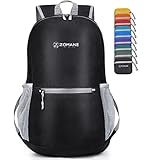
Six items worth packing for the Finnish UNESCO trip; the comfortable walking shoes and the travel camera are the highest-value items because UNESCO visits combine outdoor walking circuits with substantial photography opportunities at the wooden Old Town and the medieval fortress sites.




Recommended blogs to read:
- things to do in Finland
- castles in Finland
- islands in Finland
- things to do in Helsinki
- 7-day Finland itinerary
12 Things to Know About Finnish UNESCO World Heritage Sites
The 12 entries below cover the 7 Finnish UNESCO sites plus 5 practical context entries covering trip planning, intangible heritage, the Museum Card, the visit calendar, and the UNESCO listing process. Each entry notes the site name, the inscription year, the location, and the visit-format fit.
1. Suomenlinna Sea Fortress (Helsinki, 1991 Inscription)
Suomenlinna sea fortress is Finland’s most-visited UNESCO site, inscribed in 1991 as one of the country’s two first sites. The 18th-century fortress complex covers 6 connected islands at the entrance to Helsinki’s South Harbor, built 1748 under Swedish rule as the “Gibraltar of the North” defending against Russian naval expansion. The fortress now runs as both an active residential neighborhood (about 800 residents) and an open-air museum. Reach via 15-minute HSL ferry from Market Square (EUR 4.80 standard ticket). Free general access; some museum buildings carry separate entry fees. Allow 3 to 5 hours. The single most-accessible Finnish UNESCO visit and one of Helsinki’s flagship attractions.
Read also: Helsinki neighborhood guide for the central Helsinki context that surrounds the Suomenlinna ferry departure point.
2. Rauma Old Town (1991 Inscription)
Rauma Old Town (Vanha Rauma) is Finland’s other 1991 UNESCO inscription, a 600-house preserved Nordic wooden town center anchored on the small western coastal city of Rauma. The Old Town is the largest preserved wooden town in the Nordics, with the buildings dating primarily from the 18th and 19th centuries after fires repeatedly destroyed earlier construction. The town still functions as an active residential area; most buildings hold residents or small businesses rather than serving as museums. Free outdoor access year-round; small visitor centre operates May through September. Reach via Pori plus 40-minute drive (3.5 hours total from Helsinki). Allow 2 to 4 hours.
Read also: Rauma UNESCO Wooden Town guide for the deeper Rauma visit and accommodation planning.
3. Petäjävesi Old Church (1994 Inscription)
Petäjävesi Old Church is Finland’s third UNESCO inscription, a 1763 wooden church sitting in the small village of Petäjävesi 35 km west of Jyväskylä. The church is one of the best-preserved examples of Scandinavian wooden ecclesiastical architecture combining Northern European Lutheran traditions with the local Finnish-Karelian wooden-construction craft. The building remains in active use for occasional summer services and weddings. Open to visitors May through August at adult entry EUR 8. Reach via Jyväskylä plus 35-minute drive. Allow 1 hour for the visit. Combine with the broader Jyväskylä city visit including the Alvar Aalto architecture circuit.
Read also: things to do in Jyväskylä for the city-anchor visit that pairs with the Petäjävesi church.
4. Verla Groundwood and Board Mill (1996 Inscription)
Verla Groundwood and Board Mill is Finland’s industrial-heritage UNESCO inscription, a 1872 paper mill that operated until 1964 and now runs as a preserved industrial museum. The mill is one of the best-preserved examples of late-19th-century small-scale rural industrialization in Northern Europe; the original wooden mill buildings, water-power infrastructure, and the surrounding worker-village remain in remarkable intact preservation. Open to visitors May through August at adult entry EUR 12. Reach via private car (1.5 hours from Helsinki) or Lahti train plus bus. Allow 2 to 3 hours. The deepest single industrial-heritage visit in Finland.
Read also: top day trips from Helsinki for the Verla Mill day-trip context from the capital.
5. Sammallahdenmäki Bronze Age Burial Cairns (1999 Inscription)
Sammallahdenmäki Bronze Age Burial Cairns is Finland’s pre-historic UNESCO inscription, a complex of 36 stone burial cairns built 1500 to 500 BCE on a hilltop site near the western coastal town of Rauma. The cairns mark a substantial Bronze Age cultural presence with the standout structures including the “Kirkonlaattia” (Church Floor) cairn and the elongated “Pitkä Raunio” (Long Ruin) cairn. The site runs free outdoor access year-round with the small visitor centre operating June through August. Reach via Rauma plus 15 km drive. Allow 1 to 2 hours. The combination of Sammallahdenmäki plus Rauma Old Town as a day-trip from Turku or Pori makes a strong dual-UNESCO visit.
Read also: things to do in Pori for the city anchor that pairs with the Sammallahdenmäki visit.
6. Struve Geodetic Arc (2005 Inscription, Transboundary)
The Struve Geodetic Arc is a transboundary UNESCO site covering 34 measurement-point markers across 10 countries from Hammerfest (Norway) to Izmail (Ukraine), used by astronomer Friedrich Georg Wilhelm Struve from 1816 to 1855 to measure the size and shape of the Earth. Finland holds 6 of the 34 markers including the Alatornio Church marker near Tornio (the country’s northernmost point), the Mustaviiri marker in southeastern Finland, and the Stuorrahanoaivi marker in Lapland. The markers are generally simple stone pillars or copper-plate inscriptions; the visit is primarily symbolic rather than visually substantial. Free outdoor access year-round.
Read also: things to do in Rovaniemi for the Lapland anchor that gates the northern Struve marker visits.
7. Kvarken Archipelago (2006 Natural Inscription)
Kvarken Archipelago is Finland’s only natural UNESCO inscription (2006), a 5,600-square-kilometer Gulf of Bothnia archipelago near Vaasa demonstrating the world’s fastest ongoing land uplift from post-Ice-Age glacial rebound (the land rises about 8 mm per year). The archipelago holds about 5,600 small islands constantly emerging from the sea as the rebound continues. Visit via the Replot Bridge (Finland’s longest bridge, 1,045 meters) connecting the main Vaasa coast to the larger archipelago islands; ferry connections extend further into the smaller islands. The Kvarken World Heritage visitor centre at Replot runs full exhibitions. Free outdoor access; museum entry EUR 8.
Read also: things to do in Vaasa for the western-coast city anchor that gates Kvarken Archipelago access.
8. Intangible Heritage, Sauna Culture (UNESCO 2020)
Finnish sauna culture was inscribed on the UNESCO List of Intangible Cultural Heritage of Humanity in 2020, recognizing the centuries-old practice that runs across virtually all Finnish households and the public sauna tradition. The intangible heritage list runs differently from the World Heritage Site list; sauna culture is not a “place” you visit but a practice you participate in. The recognition formalized international understanding of the Finnish sauna as both a physical bathing practice and a deeper social-and-cultural tradition. Visit public saunas at Helsinki’s Löyly, Allas Sea Pool, Kulttuurisauna, or Yrjönkatu Swimming Hall to experience the tradition.
Read also: Finnish sauna etiquette for the deeper sauna-culture context and the public-sauna visit code.
9. The Museum Card and UNESCO Visit Economics
The Helsinki Museum Card (Museokortti, EUR 79 annual) covers the museum portions of most Finnish UNESCO sites including Suomenlinna museum buildings, Verla Mill, Petäjävesi Old Church, the Kvarken World Heritage visitor centre, and the Sammallahdenmäki visitor centre. The Rauma Old Town is free outdoor access so no card needed. For travelers planning a full UNESCO Finland trip across 4 to 7 sites, the Museum Card pays back substantially over the individual EUR 8 to EUR 14 site fees. Buy at any participating museum reception or online via Museokortti.fi.
Read also: art museums in Helsinki for the broader Museokortti context that extends beyond UNESCO sites to cover the main Helsinki museums.
10. Trip Planning, Multi-UNESCO Finland Itinerary
A 7-day Finland trip combining Helsinki, Jyväskylä, and Vaasa covers 5 of the 7 Finnish UNESCO sites: Suomenlinna in Helsinki, Verla Mill 90 km northeast of Helsinki, Petäjävesi Old Church near Jyväskylä, the Struve markers (multiple locations), and the Kvarken Archipelago near Vaasa. Add a Turku-area extension (additional 2 to 3 days) to cover Rauma Old Town and Sammallahdenmäki for the complete 7-site visit. The combined trip works strongest June through August when all sites run full visitor operations; September runs as a shoulder option with reduced visitor centre hours.
Read also: 10-day Finland and Lapland itinerary for the broader extended trip context that can absorb the UNESCO sites.
11. UNESCO Visit Season Calendar
The Finnish UNESCO visit calendar splits by site format. Suomenlinna runs year-round access via HSL ferry with reduced winter frequency. Rauma Old Town runs year-round outdoor access (the town remains active); the visitor centre runs May through September. Petäjävesi Old Church, Verla Mill, and Sammallahdenmäki visitor centres run May through August or June through August only. Kvarken Archipelago runs primarily as a summer destination with full ferry frequency June through August. Plan UNESCO Finland trips for June through August for the full visitor centre access at every site.
Read also: summer in Finland for the broader summer Finland trip context that supports the full UNESCO visit calendar.
12. The UNESCO Listing Process and Finland’s Tentative List
UNESCO World Heritage inscriptions follow a multi-year process starting with each country’s “Tentative List” of nominated sites. Finland’s current Tentative List holds about 7 nominated sites under consideration including the Saimaa Lakeland (potential natural inscription), the Hanko Wooden Villas (potential cultural inscription), the Karelian Wooden Architecture (the Kerimäki Church and surrounding sites), and the Helsinki Art Nouveau Architecture cluster. None of these currently hold inscription status; the process typically runs 5 to 15 years from initial nomination to full UNESCO designation. The Finnish UNESCO list will likely expand by 2 to 4 sites across the 2030s.
Read also: things to do in Hanko for the wooden-villa context that may eventually appear on the UNESCO list.
Building a multi-UNESCO Finland trip covering 5 to 7 sites across Helsinki, central Finland, and Vaasa?
The Ultimate Europe Trip Planner sequences the UNESCO trip in one editable document.
Frequently Asked Questions
How many UNESCO World Heritage sites are in Finland?
Finland holds 7 UNESCO World Heritage sites: 6 cultural and 1 natural. The cultural sites are Suomenlinna sea fortress (1991), Rauma Old Town (1991), Petäjävesi Old Church (1994), Verla Groundwood Mill (1996), Sammallahdenmäki Bronze Age Burial Cairns (1999), and the Struve Geodetic Arc (2005, transboundary). The natural site is the Kvarken Archipelago (2006). Sauna culture was inscribed on the UNESCO Intangible Heritage list in 2020 (different list from World Heritage).
What is the most-visited Finnish UNESCO site?
Suomenlinna sea fortress at Helsinki is by far the most-visited Finnish UNESCO site with over 1 million annual visitors, reflecting both the World Heritage status and the proximity to Helsinki (15-minute ferry from Market Square). Rauma Old Town is the second-most-visited with about 250,000 to 400,000 annual visitors. The other UNESCO sites run substantially smaller visitor numbers reflecting their more-remote locations.
Can I visit all Finnish UNESCO sites in one trip?
Yes, with a 9 to 12-day Finland trip. A 7-day base (Helsinki + Jyväskylä + Vaasa) covers 5 sites: Suomenlinna, Verla Mill, Petäjävesi Old Church, the Struve markers, and the Kvarken Archipelago. Add a 2 to 3-day Turku-area extension to cover Rauma Old Town and Sammallahdenmäki for the full 7-site visit. The Struve markers themselves are minimal visits; if you want to skip them, the visit shortens to 6 main sites.
Is Finnish sauna culture a UNESCO site?
Yes, but on a different UNESCO list. Finnish sauna culture was inscribed on the UNESCO List of Intangible Cultural Heritage of Humanity in 2020. The intangible heritage list runs separately from the World Heritage Site list; sauna culture is recognized as a practice rather than a physical place. Experience the tradition at public saunas including Helsinki’s Löyly, Allas Sea Pool, Kulttuurisauna, and the newly reopened Yrjönkatu Swimming Hall.
When is the best time to visit Finnish UNESCO sites?
June through August holds full visitor centre access at every Finnish UNESCO site. May and September run as shoulder seasons with reduced hours at most sites but lower visitor crowds. October through April runs primarily as the off-season for visitor centres; outdoor access continues year-round at Rauma Old Town, Sammallahdenmäki, and the Struve markers. Suomenlinna runs year-round access via HSL ferry. For the full UNESCO experience including museum visitor centres, plan a June through August trip.
Is the Kvarken Archipelago worth visiting?
Yes, particularly for travelers interested in geological-and-natural heritage. The Kvarken Archipelago demonstrates the world’s fastest ongoing land uplift (about 8 mm per year), producing a continuously changing landscape with new small islands emerging from the sea. The Kvarken World Heritage visitor centre at Replot runs full exhibitions on the geology. The 1,045-meter Replot Bridge (Finland’s longest) is a substantial visual anchor. Combine with the Vaasa city visit for the strongest western Finland summer trip.
Key Takeaways
- Finland holds 7 UNESCO World Heritage sites: Suomenlinna, Rauma Old Town, Petäjävesi Church, Verla Mill, Sammallahdenmäki, Struve Arc, Kvarken Archipelago.
- Suomenlinna is the most-visited (1M+ annual visitors via HSL ferry from Helsinki); Rauma is the second-most-visited.
- Sauna culture was inscribed on UNESCO Intangible Heritage list 2020; separate from the World Heritage list.
- Multi-UNESCO trip: 7-day base (Helsinki + Jyväskylä + Vaasa) covers 5 sites; add Turku-area extension for full 7-site visit.
- June through August holds full visitor centre access; Museum Card covers most UNESCO museum entries.
Final Thoughts
Finland’s 7 UNESCO World Heritage sites cover a deliberately broad heritage map from Bronze Age burial cairns to 18th-century wooden church to 19th-century industrial mill to modern natural-rebound archipelago. The Helsinki-anchored Suomenlinna runs as the easy single-site introduction; the multi-day trip combining Helsinki, central Finland, and Vaasa covers 5 of the 7 sites in a coherent 7-day visit. For travelers extending into the Turku area, Rauma Old Town and Sammallahdenmäki complete the full 7-site visit. For the broader Helsinki context including Suomenlinna and the surrounding harbor islands, the things to do in Helsinki guide is the matched read.