

Quick Answer: The Helsinki to Stockholm ferry crosses the Baltic Sea overnight in about 16 hours, with two operators (Tallink Silja and Viking Line) running one daily departure each direction. Both ships stop briefly at Mariehamn in the Åland Islands at dawn. A 4-person inside cabin runs €120 to €280 for the crossing depending on date and ship; the cheapest seat-only options run €70 to €120 per person. The ferry doubles as floating hotel: dinner and breakfast buffets, sundecks, sauna, duty-free shops, live entertainment. Boarding is 6 hours before departure (around 5pm) and arrival is the next morning around 10am. The reverse Stockholm to Helsinki ferry uses the same operators, ports, and ticket structure, just the opposite direction. Bring a passport even though it is Schengen-internal.
The Helsinki to Stockholm ferry is one of those journeys that functions as both transport and travel experience. You board the ship at 5pm in Helsinki harbor, the cabin lights come on as Tallink’s Silja Serenade or Viking Line’s Mariella pulls past Suomenlinna fortress, dinner is at 6:30 in a sit-down restaurant or a buffet, the sundeck stays open until midnight under the Nordic summer sky, and you wake up 16 hours later in Stockholm with the city spread along the eastern shore. Two countries, two capitals, one overnight crossing, all included in a single ticket.
The two-way structure of this guide handles both directions because the operations are identical in reverse: same ships, same operators, same cabin classes, same ticket structure, just whichever way you happen to be traveling. The Stockholm to Helsinki return is the same boat that arrived in Stockholm that morning, turned around for the evening departure. The route has been running continuously since the 1960s and is one of the most reliable transport links in northern Europe, even in winter when the Baltic occasionally freezes.
2026 is a good year to do the crossing. Both Tallink Silja and Viking Line refurbished their main ships in the last 18 months, the route saw the highest passenger numbers since 2019 last summer, and the seasonal Mariehamn stop in the Åland Islands has reopened all its disembarkation options after a pandemic-era restriction. This guide walks through 15 numbered things to know about the Helsinki to Stockholm ferry across four H2 sub-sections covering the operators, the practical logistics, and what to do on each side of the route.
Sequencing the Helsinki to Stockholm ferry with a Tallinn day trip and a longer Helsinki visit, and not sure how to fit the overnight crossing without breaking the trip’s flow?
The Ultimate Europe Trip Planner sequences the overnight crossing, the Mariehamn stop, and the Helsinki and Stockholm hotel slots around it into one day-by-day grid so the full route lands without losing days to transit.
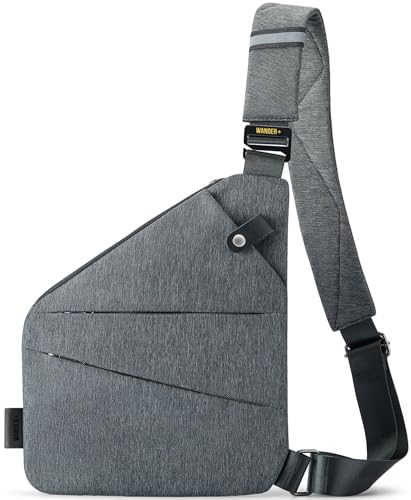
Recommended Ferry Travel Gear
Six pieces worth packing for the Helsinki Stockholm overnight crossing, where the right gear makes the difference between a comfortable cabin night and a long sleepless one.




Recommended blogs to read:
- things to do in Helsinki for the Finnish side
- the wider things to do in Finland guide
- places to visit in Sweden once you arrive in Stockholm
- where to stay in Stockholm after the ferry
- the best time to visit Finland for trip-timing context
The Two Helsinki Stockholm Ferry Operators (Things 1 to 4)
The Helsinki Stockholm route is served by exactly two operators, each running one ship in each direction daily. Both routes stop briefly at Mariehamn in the Åland Islands at dawn for the duty-free quirk that makes the route legally a “cruise” rather than a transit crossing. The differences between the two operators are about ship style, cabin design, and onboard entertainment.
1. Tallink Silja (Silja Symphony and Silja Serenade)
Tallink Silja runs two near-identical sister ships on the route, the Silja Serenade and the Silja Symphony, with each handling one direction per day. The ships are 200 meters long, hold 2,800 passengers, and recently underwent a major refurbishment in 2023 with new cabin interiors and updated restaurants. The signature feature is the indoor Promenade Deck running the full length of the ship at mid-level, with shops, cafes, and a champagne bar replacing what would be exterior deck space. Cabin classes range from inside 4-person cabins (no window, €120 to €220 per cabin total) up to Commodore Class suites with private balconies (€500 to €800 per cabin). Tallink also runs the largest sit-down restaurant on the route (Grande Buffet, €42 dinner) and the most thorough kids’ entertainment program for family travelers. The Helsinki terminal is Olympia Terminal at South Harbour (Olympiaranta 1).
2. Viking Line (Mariella and Gabriella)
Viking Line runs Mariella and Gabriella as the two operating ships on the Helsinki Stockholm route, similar size and capacity to the Tallink ships but with a noticeably different onboard vibe. Viking ships lean more “Nordic Cruise” with brighter interior design, an active sundeck for warmer months, and a stronger live-music program in the evening bars. Cabin classes are similar to Tallink (inside 4-person from €110 to €200, premium with windows €180 to €320, suites €450 to €700). Viking’s restaurants run cheaper on average than Tallink’s (€36 buffet vs €42), and the live entertainment in the Olympia Music Hall is the strongest in the Baltic ferry scene. The Helsinki terminal is Katajanokka Terminal (the same one Viking uses for its Tallinn ferry, easy if you are already familiar). Best pick for travelers who want the cruise-ship-feel experience.
3. Tallink vs Viking: How to Choose
The honest comparison: Tallink wins on food and cabin quality, Viking wins on entertainment and overall cruise atmosphere. For couples or solo travelers wanting the calmer, dinner-and-good-sleep version, pick Tallink. For families, groups of friends, or anyone who wants the live-music-and-late-bar experience, pick Viking. Prices are within €10 to €30 of each other for any given departure date so the choice is rarely about cost. Both operators allow Pets onboard (separate pet cabins, advance booking required, €30 extra). Both ships have onboard saunas (Tallink’s saunas are slightly nicer, both included with Commodore Class or available for €25 day-pass). The choice between operators matters more than the choice between specific cabin classes within each operator.
4. The Mariehamn Stop in the Åland Islands
Both Tallink Silja and Viking Line ships make a brief stop at Mariehamn, the capital of the Åland Islands, at roughly 4:30am to 5:30am during the crossing. The stop lasts 30 to 60 minutes and serves a legal purpose: technically docking outside Finnish and Swedish excise jurisdictions makes the ferries qualify as “cruises” rather than transit ferries, which is why the onboard duty-free shops exist at all. Most passengers sleep through the stop. A small number of travelers (maybe 5%) actually disembark at Mariehamn to spend 1 to 4 nights in the Åland Islands archipelago, catching the next-day ferry onward to either Helsinki or Stockholm. The Mariehamn off-ship option is worth doing if you have an extra day; the Åland archipelago is one of Europe’s most underrated quiet destinations and operates on its own Swedish-speaking culture distinct from both Finland and Sweden.
Practical Logistics: Booking, Terminals, and Onboard (Things 5 to 10)
The six logistics items that catch first-time Helsinki Stockholm travelers off-guard. Different rules apply for the overnight crossing than for the shorter Tallinn route.
5. Cabin Booking: 4 to 8 Weeks Ahead Minimum
The Helsinki Stockholm overnight ferry runs effectively as a floating hotel, which means cabin space is the constraint, not seat space. Book 4 to 8 weeks ahead minimum for the standard inside 4-person cabin at the lowest rate, 8 to 12 weeks ahead for the premium window cabins or any summer weekend date. Last-minute walk-up bookings usually require either a (much pricier) Commodore Class cabin or the seat-only deck-recliner option for the entire 16-hour crossing, neither ideal. Book direct on tallink.com or vikingline.com for the cheapest fare. Family rates (3 to 4 adults sharing a 4-berth cabin) work out at €30 to €60 per person, which is the cheapest way to do the crossing as a group. Solo travelers pay a single-supplement of €20 to €40 over the per-person rate, which is annoying but standard for cruise-format pricing.
6. Cabin Classes Explained (What to Actually Book)
Four cabin tiers across both operators. Inside (no window, 4 beds bunked) is the cheapest at €110 to €220 per cabin and is genuinely fine if you actually sleep, because the cabin is just a bed for 8 hours. Premium (window cabin, 4 beds) costs €180 to €320 and adds daylight which matters more than expected, especially the morning Stockholm arrival. Commodore Class (suite, 2 to 4 beds with sofa area and bigger bathroom) at €450 to €700 includes lounge access with breakfast, dinner reservations, and sauna. Suite cabins (€650 to €1,200) are luxury overkill for one night unless you are doing the crossing as the actual centerpiece of the trip. Best value: premium window cabin for couples, inside cabin for groups of 3 to 4 sharing.
7. Helsinki Terminals: Olympia vs Katajanokka
Helsinki has two ferry terminals for the Stockholm route, 800 meters apart but completely separate. Tallink Silja uses Olympia Terminal at South Harbour (Olympiaranta 1), reached by tram 2 in 5 minutes from Senate Square, or a 15-minute walk from the central station. Viking Line uses Katajanokka Terminal (Kanavakatu 1), 5 minutes by tram 4 or 5 from Senate Square. Both are an easy walk from central Helsinki hotels, both have luggage storage and cafes, both close their gangways 60 minutes before departure (longer than Tallinn ferries due to the cabin check-in process). The terminals are NOT interchangeable; check your operator carefully. Arriving at the wrong terminal 30 minutes before departure means you miss the sailing because the cabin-allocation system requires the right terminal.
8. Boarding Timeline: 90 Minutes Early
Arrive at the Helsinki terminal 90 minutes before departure for the Stockholm overnight ferry, longer than the Tallinn route requires. The reason: cabin check-in takes 15 to 25 minutes (the staff actually assigns you the specific cabin and hands you the key card), security screening 10 minutes, gangway boarding 5 minutes, and finding your cabin on the ship another 10 minutes. Most departures are at 5pm, so plan to be at the terminal by 3:30pm. Online check-in (available on both operators’ apps) saves 10 minutes at the terminal. Bring a passport regardless of nationality; the Stockholm side actually does run more frequent ID checks at the gangway than the Tallinn route, especially on the Friday and Sunday sailings which carry the most pickpocketing risk according to operator security briefings.
9. The Overnight Routine: Dinner, Sundeck, Sleep
The standard 16-hour Helsinki Stockholm crossing has a clear rhythm once you know it. Board by 4pm, drop bags in your cabin, walk a full lap of the ship to orient. The 5pm departure happens with the ship slowly pulling past Suomenlinna fortress, which is genuinely the best moment for sundeck photos. Dinner runs 6 to 9pm at the buffet (book a slot at boarding to avoid the queue) or à la carte in the restaurants. Live music starts in the bars around 9pm and runs to midnight or 1am. Sundeck stays open until midnight in summer. The Mariehamn stop happens during the sleep window so most passengers miss it. Breakfast runs 6:30 to 9:30am the next morning, with the Stockholm approach (sailing past the archipelago islands) starting around 8am and the arrival at 9:30 or 10am.
10. The Sundeck Approach Into Stockholm (the Real Highlight)
The Stockholm-bound approach is the single best moment of the whole crossing. The ship enters the Stockholm Archipelago around 7:30am, weaving between hundreds of small wooded islands for 90 minutes before reaching the central Stockholm harbor. The sundeck or the floor-to-ceiling windows of the Promenade Deck restaurants are both excellent vantage points. The summer version is gentle Nordic morning light on red wooden cabins scattered across pine islands; the winter version is sometimes frozen-Baltic ice rafting around the hull. Set an alarm for 7am specifically, grab a coffee from the morning cafe, and watch the archipelago. Most cruise passengers sleep through it and regret it after seeing the photos. The Helsinki-bound approach is less dramatic (open Baltic, then a quick run past Suomenlinna) but the Stockholm side is the proper showstopper.
Helsinki Side: Arriving or Departing (Things 11 to 13)
Three items specific to the Helsinki side of the Helsinki Stockholm crossing, whether heading west to Sweden or returning east from a Stockholm visit.
11. Helsinki Pre-Ferry Hotel: Stay Central
Both Helsinki ferry terminals (Olympia for Tallink, Katajanokka for Viking) are within 10 minutes of central Helsinki by tram, so any hotel in the city center works for a pre-ferry stay. The most convenient picks: Hotel Kämp on Pohjoisesplanadi (luxury, 8-minute walk to Olympia Terminal), Klaus K on Bulevardi (boutique, 10-minute walk to Olympia), Scandic Park Helsinki on Mannerheimintie (mid-range, 15 minutes), or the Original Sokos Hotel Vaakuna directly opposite the central station (best for travelers arriving from the Lapland sleeper train who want to drop bags before boarding). Budget option: Forenom Aparthotel on Lönnrotinkatu, 10 minutes walk to Olympia, kitchen access useful for a final Helsinki dinner.
12. Pre-Boarding Time in Helsinki (What to Do)
If you have a day in Helsinki before catching the 5pm Stockholm ferry, the standard pre-boarding loop fits comfortably. Morning: Senate Square + Helsinki Cathedral + Suomenlinna ferry (3 hours). Lunch: Old Market Hall at Eteläranta, 5 minutes walk to either ferry terminal. Afternoon: walk Esplanadi park, hit the Iittala and Marimekko flagships, get to the terminal by 3:30pm. For a less rushed day, the Design District walk in Punavuori (item 10 in the Helsinki guide) fits well in a 3pm slot ending right at Olympia Terminal. Drop your luggage at the terminal’s left-luggage service (€5 per bag) if you want unencumbered last-minute walking, or roll the bag with you the whole morning, the city is walkable enough that the bag is not an obstacle.
13. With a Car: Drive-On Drive-Off
Bringing a car on the Helsinki Stockholm ferry adds straightforward but specific logistics. Book the car ticket online with the operator (Tallink or Viking) along with the passenger cabin, not separately. Cost ranges €120 to €280 each way for the car plus the per-passenger cabin tickets. Arrive at the terminal 20 minutes earlier than foot passengers because the vehicle check-in queue and the loading deck process take longer. Both ships hold roughly 400 cars on the lower vehicle decks, drive-on at Helsinki and drive-off at Stockholm the next morning. The Stockholm terminal (Värtahamnen) sits 5 km from central Stockholm, with easy onward highway access to anywhere in Sweden. Worth doing if you are road-tripping through both countries; not worth it just to “have a car in Stockholm” because Stockholm public transit and the central city are walkable.
Stockholm Side: Arriving or Departing (Things 14 to 15)
Two items specific to the Stockholm side of the crossing, whether arriving as a tourist for the first time or returning to Sweden from a Helsinki visit.
14. Stockholm Terminal to City: 25 Minutes by Bus or Metro
The Stockholm ferry terminal is Värtahamnen, 5 km northeast of central Stockholm on the city’s eastern shore. Three options to reach the center: the dedicated Tallink/Viking shuttle bus to Cityterminalen central station (€10, 20 minutes, runs after each ferry arrival), the public bus 76 to Stockholm Central (€4 with SL card, 25 minutes), or the metro (Tunnelbana) from Ropsten station 800 meters from the terminal (€4 with SL card, 15 minutes to Central station with one transfer at T-Centralen). The shuttle bus is easiest with luggage; the metro is cheapest. Avoid taxis (€35 to €50 to central Stockholm). For onward travel: Stockholm Central station connects to the high-speed train to Copenhagen (5 hours), Oslo (6 hours), or domestic Swedish destinations.
15. Stockholm to Helsinki Return: The Reverse Direction
The reverse Stockholm to Helsinki overnight ferry runs the same operators (Tallink Silja and Viking Line), same Värtahamnen terminal, same 5pm departure window, and the same 16-hour crossing arriving in Helsinki around 10am. The cabin structure is identical, the Mariehamn stop is roughly the same time of night (4:30 to 5:30am), and the onboard amenities are interchangeable. The one direction-specific difference: the Helsinki approach via Suomenlinna fortress is less photographable than the Stockholm archipelago, so the “set an alarm for the dawn views” advice flips. The Stockholm-to-Helsinki version is more about sleeping properly and waking up rested for a Helsinki arrival day. Book the same way (direct on tallink.com or vikingline.com), bring a passport, arrive 90 minutes before departure.
How to Plan a Helsinki Stockholm Ferry Trip
The simplest version: pick a date in your Nordic itinerary, book a Tallink or Viking inside cabin 6 weeks ahead at the lowest rate, leave Helsinki at 5pm, sleep through the crossing, wake up in Stockholm at 10am, and you have effectively traded a hotel night for the ferry. The total cost (€110 to €220 per cabin for 2 to 4 people) usually beats a Helsinki hotel plus a Stockholm flight, especially for groups.
The smarter version: build the all-ferry Baltic loop. Helsinki for 3 nights, Helsinki to Tallinn ferry day trip, Helsinki to Stockholm overnight ferry, Stockholm for 3 nights, then optional Stockholm to Helsinki return on the back end OR fly home from Stockholm. The 7 to 10 day version hits 3 Nordic capitals, 3 ferry crossings, and one Tallinn day trip for roughly the same cost as a single flight loop. The pace is slow in a way that fits the Nordic mood.
For travelers with extra flexibility, add a Mariehamn stopover. Get off the Stockholm-bound ferry at Mariehamn around 5am, spend 1 or 2 nights in the Åland Islands, then continue to Stockholm on the next-day ferry. The Åland archipelago is one of northern Europe’s most underrated quiet destinations and the only stop on this route worth breaking the journey for.
Building the all-ferry Baltic loop with three Nordic capitals and the Mariehamn stopover, and trying to make all the cabin bookings and onward train connections fit?
The Ultimate Europe Trip Planner sequences the three ferry crossings, the Mariehamn stopover, and the hotel slots in all three capitals into one day-by-day grid that handles the booking windows together.
Frequently Asked Questions
How long is the Helsinki to Stockholm ferry?
The Helsinki to Stockholm ferry is an overnight crossing of approximately 16 hours each direction. Both operators (Tallink Silja and Viking Line) depart Helsinki at 5pm and arrive in Stockholm at 10am the next morning. The ships make a brief 30 to 60 minute stop at Mariehamn in the Åland Islands around 4:30am to 5:30am, which serves a legal purpose but most passengers sleep through.
How much does the Helsinki to Stockholm ferry cost?
Inside 4-person cabins run €110 to €220 per cabin (€30 to €60 per person if 4 are sharing). Premium window cabins are €180 to €320. Commodore Class suites €450 to €700. Add €120 to €280 each way for a car. Book direct on tallink.com or vikingline.com 4 to 8 weeks ahead for the best rates.
Do you need a cabin on the Helsinki Stockholm ferry?
A cabin is strongly recommended on the 16-hour overnight crossing. Both operators do offer seat-only deck-recliner tickets at €70 to €120 per person but the ships are designed around cabin accommodation and the seat option means 16 hours in a public lounge. The cheapest 4-person inside cabin at €30 to €60 per person sharing is better value than the seat-only option for almost any travel group.
Which Helsinki terminal does the Stockholm ferry leave from?
Tallink Silja uses Olympia Terminal at South Harbour (Olympiaranta 1), reached by tram 2 in 5 minutes from Senate Square. Viking Line uses Katajanokka Terminal (Kanavakatu 1), 5 minutes by tram 4 or 5 from Senate Square. Check your operator carefully; the two terminals are 800 meters apart but not interchangeable.
Can you do the Helsinki Stockholm ferry as a day trip?
Not as a one-day round trip; the 16-hour crossing each direction makes it a minimum 36-hour commitment. Many travelers do the ferry as a one-way (Helsinki to Stockholm or reverse) and fly the other direction, or build it into a multi-city Nordic loop with 2 to 3 nights in each capital. The reverse Stockholm to Helsinki direction uses the same operators and ticket structure.
Key Takeaways
- Two operators on the route (Tallink Silja and Viking Line), both running 16-hour overnight crossings with one daily departure each direction. Pick Tallink for food and quiet, Viking for entertainment and cruise vibe.
- Helsinki has two ferry terminals: Olympia (Tallink) and Katajanokka (Viking), 800m apart but not interchangeable. Check your operator twice.
- Book a cabin, not a seat-only ticket. The cheapest 4-person inside cabin works out at €30-60 per person sharing and is better value than the seat-only option for almost any group.
- Set an alarm for 7am the next morning for the Stockholm archipelago approach, the single best moment of the whole crossing. Most passengers sleep through it.
- The all-ferry Baltic loop (Helsinki + Tallinn day trip + Helsinki-Stockholm ferry + Stockholm) is one of the best multi-city Nordic itineraries, 7-10 days, 3 capitals, often cheaper than flying.
Final Thoughts
The Helsinki Stockholm overnight ferry is the rare transport that improves the trip by virtue of being slow. Sixteen hours on a ship sounds tedious in the abstract but unfolds as a proper Nordic micro-adventure: sundeck departure, dinner under low light, evening live music, an actual night of sleep, and a Stockholm archipelago dawn that no flight can match. Build it into the trip rather than around it.
For the shorter Baltic crossing on the same trip, the Helsinki to Tallinn ferry guide handles the day-trip-distance Estonian capital, and the lakes in Finland guide covers the Lakeland version of Finland if you have more time after returning to Helsinki.