Quick Answer: Husky sledding in Finland costs €175 to €240 for a half-day (5 to 15 km run, thermal coverall included), €600 to €900 for an overnight wilderness expedition, and €1,800 to €3,000 for a 5-to-7-day hut-to-hut multiday trip. The 12 best operators below split into working racing kennels (Bearhill Husky, Hetta Huskies, Harriniva), resort-attached kennels (Apukka, Northern Lights Village, Wilderness Hotel), and accessible photo-op operations (Husky Park at Santa Claus Village). Pick a working kennel for the proper experience, look for STF or Green Activities certification for animal welfare, and ask three direct questions before booking: how many dogs, retirement policy, and group size per tour.
Most travelers booking a husky safari in Finland are picturing the Instagram shots: smiling team of huskies running across a snowy lake, mushers standing tall on the sled bow, aurora green overhead. The reality of a Lapland morning at the kennel is colder than the marketing photos suggest, the dogs are louder than expected, and the kennel itself smells like a kennel. Half the travelers who book a husky safari come back saying it was the best thing they did in Finland; the other half come back wondering if the dogs were okay. The gap between those two reactions is almost entirely about which operator you pick.
The Finnish husky-tourism industry came under real scrutiny in 2024 after Lapin Kansa published an investigative report documenting welfare problems at one kennel. The legal grey zone around sled dogs in Finland (they are not classified as farm animals, working animals, or companion animals) means inspectors can only refer welfare concerns to police rather than fine directly. The serious operators, led by Hetta Huskies and the Finnish Sled Dog Welfare initiative (PAWWS), have spent 2025 and 2026 pushing voluntary EU standards. The result for travelers is a clearer split than ever between the kennels that publish their retirement policies and the ones that do not answer the question.
2026 is also the strongest year in a decade for pairing a husky safari with an aurora night. Finland is Lonely Planet’s #1 country in Best in Travel 2026, and the solar cycle sits near peak so aurora odds across Lapland are at their highest since 2014. The 12 operators below give you the real options, the real 2026 pricing, and the welfare checklist you should run through before clicking book.
Pairing a husky safari with a glass-igloo night and an aurora tour and trying to fit it all into a 5-night Lapland trip without losing time to transit?
The Ultimate Europe Trip Planner gives you a day-by-day grid that handles the kennel booking lead times alongside the aurora forecast windows and the glass-igloo nights so the trip lands without losing days.
Recommended Husky Safari Travel Gear
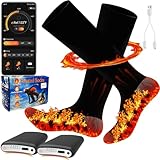
Six pieces worth packing for a husky day in Lapland, where the tour operator’s thermal coverall goes on top of your own layers and the cold reaches into anywhere the layers fail.




Recommended blogs to read:
- the wider things to do in Lapland guide
- things to do in Rovaniemi for your gateway nights
- winter in Finland overview
- the 10 best Finland holiday destinations
- unique hotels in Finland
The 12 Best Husky Sledding Operators in Finland
Twelve operators across Rovaniemi, Levi, Saariselkä, Hetta, Muonio, and the wider Lapland region, ranging from working racing kennels with multiday expedition options down to the entry-level photo-op visits at Santa Claus Village.
1. Bearhill Husky (Rovaniemi)
Bearhill Husky is a family-run kennel near Rovaniemi that has operated for over 20 years with around 100 Alaskan huskies. The 10 km Happy Trail safari runs €196 adult, €167 teen, €128 child, with a peak-season rate of €201/€172/€133 from 1 December through 11 January. The kennel works as a proper racing operation rather than a tourist-only setup, with a dedicated dog massage therapist on staff and clear published rehoming and retirement policies for retired racers. The dogs are visibly working dogs in good condition, the briefing is thorough, and the staff knows individual dogs by name. Bearhill is the standard recommendation for first-time visitors who want a genuine working-kennel experience without the multiday commitment of an expedition.
2. Hetta Huskies (Enontekiö)
Hetta Huskies is the most transparent husky operator in Finland on welfare standards, and the kennel publishes more documentation about how the dogs live than any other commercial operator in the country. Around 100 working sled dogs, multiday hut-to-hut expeditions as the signature offering at €1,800 to €3,000 per person for a 5-to-7 day trip. The shorter day-safari options run in the standard €175 to €220 range. The location in Enontekiö (a 4 hour drive northwest of Rovaniemi) is genuinely remote, which is part of the appeal: this is the wilderness version of the experience, not the resort-edge version. Hetta Huskies is also the leading voice in the Finnish Sled Dog Welfare initiative (PAWWS) pushing voluntary EU standards for the industry through 2026.
3. Apukka Resort Husky Adventure (Rovaniemi)
Apukka Resort is 15 minutes from central Rovaniemi and runs a Green Activities certified husky operation (the Nordic certification covers animal welfare alongside environmental standards). The 6 km guided safari runs around €185, with hotel transfers from Rovaniemi included. This is a resort-attached kennel rather than an independent racing operation, which means the dogs work fewer kilometers per day than the Hetta or Bearhill teams, but the welfare standards are genuinely audited. Best pick for travelers staying at Apukka itself who want a low-friction husky day without the longer transfer to Bearhill, or for families who want a slightly easier introduction to the activity. The on-property activity menu also covers reindeer, snowmobile, and aurora tours from the same booking.
4. Husky Park at Santa Claus Village (Rovaniemi)
Husky Park at Santa Claus Village is the most accessible husky operation in Finland and the right honest framing is this: it is the photo-op tier of the category, not the working-kennel experience. Entry for two adults is around €60 with a meet-and-greet and a short Jenga 500m husky ride add-on. The dogs are well-cared-for and the operation is upfront about being a tourist-facing experience rather than a working racing kennel. For families with young children, time-constrained day-trippers staying near Santa Claus Village, or travelers who want to meet huskies without the cost or commitment of a half-day safari, this is the workable entry point. If you have time and budget for a real 5-to-10 km run at Bearhill or Hetta, do that instead.
5. Lapland Welcome Husky Farm (Rovaniemi)
Lapland Welcome runs a multi-activity operation outside Rovaniemi with the 5 km half-day husky safari priced around €175. The pricing positions Lapland Welcome as the mid-tier option between the Husky Park photo-op tier and the full Bearhill or Hetta working-kennel experience, with a shorter run time than the longer Bearhill route but a real sled-driving experience rather than a passenger ride. The operator runs husky safaris alongside reindeer, snowmobile, and aurora tours from a single booking platform, which makes Lapland Welcome a good pick for travelers who want to consolidate multiple activity bookings rather than book each through a separate operator. Welfare standards are middle-of-the-pack rather than industry-leading; ask the same three questions before booking.
6. Wild About Lapland (Rovaniemi)
Wild About Lapland is the small-group specialist in the Rovaniemi husky scene, with maximum 8 participants per tour and a partnership with a single family-owned kennel rather than a rotating roster. The half-day safari runs around €199. The selling point is the slower pace and the small group size: more time at the kennel before the run, more time with individual dogs, less rushed transitions between tour components. STF certification means the welfare and sustainability standards are independently audited. Best pick for travelers who want the experience rather than the speed, photographers who need extra setup time, and small parties who want the half-day without sharing it with a tour bus group of 20.
7. Tundra Huskies (Levi)
Tundra Huskies runs about 80 huskies in a Siberian husky-focused kennel near Levi, one of the few major Finnish operators that specializes in the Siberian breed rather than the Alaskan racing-mix. The 10 km tour runs around €160. The Siberian dogs are thicker-coated and slightly slower than the Alaskan racing huskies most operators use, which gives Tundra a different visual character on the trail: more “classic husky” looking dogs, slightly mellower pace. The Levi location pairs naturally with downhill or cross-country skiing at the resort, which makes Tundra the right Levi-based husky operator if you are already staying in the Levi area and do not want the 90-minute transfer to Rovaniemi for Bearhill or Apukka.
8. Northern Lights Village Husky Safari (Levi and Saariselkä)
Northern Lights Village operates husky safaris at both the Levi and Saariselkä properties, with the 10 km tour priced around €190. This is the resort-attached version: book the tour as part of your Northern Lights Village stay and you get hotel pickup, gear at the property, and an evening pairing option with the aurora tour. The dogs work from a satellite kennel rather than the main racing kennels at Bearhill or Hetta, with welfare standards at the resort-mid-tier rather than independent-audited racing level. Best pick for travelers staying at Northern Lights Village who want the husky safari without an additional transfer day, especially the Saariselkä-based travelers who would otherwise need a 3-hour round-trip drive to reach the Rovaniemi operators.
9. Harriniva Husky Farm (Muonio)
Harriniva is one of the largest Arctic sled-dog centers in the world with over 400 huskies, located in Muonio (2.5 hours west of Rovaniemi, near the Ylläs and Levi ski areas). The 15 km Olosvuoma half-day safari runs around €175, with the multiday 5-day Pallas-Ylläs expedition at €2,400 to €2,800 per person. Harriniva’s scale is the both-sides argument: 400+ dogs means a real working operation with proper kennel infrastructure, but it also means the experience is less intimate than the smaller specialist kennels like Hetta or Bearhill. The Muonio location near Pallas-Yllästunturi National Park makes Harriniva the right pick for travelers who want to combine a husky safari with a multi-day national-park hut trip.
10. Huskypoint (Rovaniemi)
Huskypoint runs a 7 km self-drive husky safari plus a 1.5 hour on-farm experience for around €169, making it one of the more affordable options in the Rovaniemi area for a real sled-driving experience rather than a passenger ride. The shorter run distance compared to Bearhill or the longer Hetta multidays trades off some of the wilderness feel for accessibility and price, but the operation is welfare-conscious with a real working kennel. Useful for travelers on a tighter daily budget who still want to actually drive the sled rather than ride as passenger, or for groups where the per-person cost matters more than the absolute kilometers covered. Best paired with a Rovaniemi-base trip where you also book the Santa Claus Village afternoon.
11. StayLapland / Kuoksa Husky Park (Rovaniemi)
StayLapland operates Kuoksa Husky Park on Lake Kuoksajärvi outside Rovaniemi, with Delia (a vet tech) and Bent (a 15-year musher) as the family team. The private wilderness setting and small-group format (typically 4-8 participants) put StayLapland in the same premium-small-group bracket as Wild About Lapland, with the half-day safari priced around €220. The veterinary background of one of the owners means the welfare conversation is built into the experience rather than a marketing addition: ask about a dog and you get the full medical context. Best pick for travelers who want the wilderness setting and the welfare-first approach combined, and who are willing to pay a premium over the standard €175 to €199 half-day price.
12. Wilderness Hotel Husky Farms (Inari, Nellim, Muotka)
Wilderness Hotels Group operates husky farms at three deep-Lapland properties (Inari, Nellim, Muotka), all available as 2-hour safaris from around €189 with multiday expedition options at the wilderness-end of the price range. These are resort-linked kennels but operate as real working kennels rather than tourist-only setups, with the small-scale, remote-property positioning giving you a quieter version of the activity than the busier Rovaniemi or Levi kennels. The Inari kennel pairs naturally with the Sami cultural angle at Lake Inari (combine with a half-day at the Reindeer Farm Petri Mattus); the Nellim kennel works with the Russian-border wilderness setting; Muotka pairs with the darkest skies in the country for an aurora-night extension after the safari. Best for travelers already booked at a Wilderness Hotels property.
What Actually Happens on a Husky Safari Day
The 8 AM kennel transfer drops you at a property that smells distinctly of straw and dog, with the dogs barking and lunging on their travel chains at the sight of new visitors. Gear-issue is a thermal coverall worn on top of your own layers, with the operator’s mittens and snow boots if your own footwear is not rated for -15 to -25°C. The briefing covers the wooden bow at the front of the sled, the brake (a metal claw you stomp through the snow), the snow hook anchor that stops the sled when the brake is not enough, and the hand signals between the guide and the trail-end sled.
Two-person sleds are standard, with one person musher and one person passenger, swapping at the midway shelter. The first 200 meters of the run is chaos as the dogs scream to start running, then drop into complete silence the instant the brake lifts and the team finds its rhythm. The dogs run at 15 to 25 km/h on flat ground, slower up hills, faster downhill. A 5 to 10 km half-day route takes 30 to 45 minutes of actual sled time, with the rest of the half-day filling with the kennel visit, the briefing, the hot berry juice and pulla at the kota shelter, and the dog meet-and-greet afterwards.
The marketing photos of empty fells with a single sled in the distance are mostly aspirational. Most self-drive half-day routes run on groomed loops between 5 and 15 km, with several sleds spaced 30 to 60 seconds apart, and the wilderness-feel marketing is the operators’ best photography rather than the day-to-day reality. The multiday expedition versions (Hetta, Harriniva, Wilderness Hotel) are where the deep-wilderness experience actually lives: hut-to-hut runs of 30 to 50 km per day across genuinely empty national-park terrain.
The Three Questions to Ask Before Booking
The Finnish husky-tourism industry has a wide gap between the best operators (transparent welfare policies, named staff who know dogs individually, published retirement and rehoming policies, STF or Green Activities certification) and the worst (300-dog operations running hourly tours all day, dogs visibly chained in identical postures, no answer to the basic welfare questions). The three questions below filter most of the gap quickly.
One: how many dogs does the kennel have, and how many tours run per day? The math should work out: a 100-dog kennel with 20 dogs per team can run roughly 4 tours per day before the dogs are running multiple shifts. A 300-dog operation advertising “hourly safaris” is running dogs harder than the welfare-leading operators consider acceptable. The honest answer should not be a marketing pitch; it should be a concrete number.
Two: what happens to the dogs when they retire? The best operators have a published rehoming and adoption program, often with a waiting list of families who specifically want to adopt retired sled dogs. The middle-tier operators keep retired dogs at the kennel as pets or breeding stock. The worst operators do not answer the question, or give a vague answer about “rehoming partnerships” without specifics. The wrong answer to this question is the strongest signal that the operation is not what you want.
Three: what is the maximum group size per tour, and how many sleds per guide? Smaller groups mean each guide has time to actually brief travelers properly, watch the dogs through the run, and respond if a sled gets in trouble. Maximum 8 to 10 travelers per guide is the working-kennel norm; 20 or more is the volume-tourism red flag. The smaller specialist operators (Wild About Lapland, StayLapland, Hetta) cap at 8; the larger resort-attached operations (Apukka, Northern Lights Village) run 12 to 20; the photo-op tier (Husky Park) is unlimited day-passes.
Sequencing the husky safari with a glass-igloo night, a reindeer farm visit, and an aurora tour to hit the high-impact list in one trip?
The Ultimate Europe Trip Planner builds the activity sequencing into a day-by-day grid that handles kennel booking windows alongside the aurora forecast and the rest of the Lapland itinerary.
Frequently Asked Questions
How much does husky sledding in Finland cost?
Half-day husky safaris run €175 to €240 per person depending on operator and route length (5 to 15 km), with thermal coverall and hot drinks included. Overnight wilderness trips at €600 to €900 add the kennel-stay night with sauna. Multiday 5-to-7 day hut-to-hut expeditions at Hetta Huskies or Harriniva run €1,800 to €3,000 per person. The cheapest entry point is the Husky Park photo-op visit at €60 for two adults with a 500m ride.
Is husky sledding ethical in Finland?
The Finnish husky industry has a wide gap between welfare-leading operators (Hetta Huskies, Bearhill Husky, Wild About Lapland) and the volume-tourism operations. Look for STF or Green Activities certification, published retirement and rehoming policies, named staff who know dogs by name, and small group sizes (8 or fewer per guide). After the 2024 Lapin Kansa exposé documented abuse at one kennel, the Finnish Sled Dog Welfare initiative has been pushing voluntary EU standards through 2026.
How long is a typical husky safari?
A half-day husky safari runs roughly 4 hours total: 30 minutes briefing and gear, 45 to 60 minutes on the sled (covering 5 to 10 km), 30 minutes hot drinks and kennel time, plus the transfers each way. Full-day safaris extend the sled time to 15 to 20 km. Overnight wilderness trips and multiday expeditions cover 30 to 50 km per day across consecutive days with hut stays.
Do you drive the sled or just ride?
Both. Standard two-person sleds have one person as musher (standing on the runners, working the brake) and one as passenger (sitting in front under furs), with mid-tour swaps so each person drives roughly half the route. Solo drivers are uncommon for half-day tours but available on multiday expeditions. The musher position requires real concentration on the brake during downhills and around turns.
Where is the best place to do husky sledding in Finland?
Rovaniemi has the most operator options and the easiest access (Bearhill Husky, Apukka Resort, Wild About Lapland, StayLapland). Hetta in Enontekiö is the best for the wilderness multiday expedition version. Muonio (Harriniva) has the largest operation and pairs well with Pallas-Ylläs national-park trips. Levi and Saariselkä have smaller resort-attached kennels (Tundra Huskies, Northern Lights Village) that work well if you are already based there.
Key Takeaways
- 12 husky operators across Rovaniemi, Levi, Saariselkä, Hetta, and Muonio, splitting into working racing kennels, resort-attached kennels, and the photo-op tier at Santa Claus Village.
- Half-day safaris €175 to €240 (5 to 15 km run), overnight €600 to €900, multiday €1,800 to €3,000.
- Ask three questions before booking: how many dogs, retirement policy, max group size. The answers split the welfare-leading operators from the volume-tourism ones.
- Bearhill Husky and Hetta Huskies are the welfare-leading working-kennel picks. Apukka Resort is the easiest resort-attached option. Husky Park is the affordable photo-op tier.
- Pair the husky day with an aurora-tour night for the best 2026 trip: the solar maximum makes this the strongest aurora year in a decade.
Final Thoughts
The husky safari is the single Lapland activity most international visitors come for, and the gap between the operators that take the dogs seriously and the operators that take the bookings seriously is real. Pick a working kennel, ask the three questions, give the day proper time rather than squeezing it between a Santa visit and an aurora tour, and the experience delivers the version of itself the marketing photos promise.
For the wider Lapland trip context, the things to do in Finland guide covers how a husky day fits with a Helsinki stop, and the best time to visit Finland guide covers the broader timing question across seasons.