
Quick Answer: European food breaks into six regional traditions. Italian (pizza Napoletana TSG, pasta alla carbonara, risotto Milanese, tiramisu), Spanish (paella Valenciana, jamón Ibérico, tortilla, churros), French (coq au vin, bouillabaisse, croissant, tarte Tatin), Greek (moussaka, souvlaki, spanakopita), German (bratwurst, schnitzel, Reinheitsgebot beer – 510th anniversary 2026), and Eastern European (pierogi, goulash, ćevapi). Each tradition has a specific place to find the authentic version.
Last updated: May 2026 · Reinheitsgebot 510th anniversary 2026; Camembert PDO reforms tighten in 2026; Michelin Guide France adds 12 new three-stars.
Italy has 326 protected regional cheeses. France has 1,200 documented cheeses. Spain has 200 named jamón designations of origin. Greece registered the term “feta” as a PDO in 2002 and successfully sued every Danish dairy that used it for over twenty years. The European Union maintains 3,500+ Protected Designation of Origin, Protected Geographical Indication, and Traditional Specialty Guaranteed labels across food and wine. Pizza Napoletana has TSG status (which means there’s literally a legal-document specification for what counts).
The European food story is not “European food.” It’s twenty regional cuisines that happen to share a continent. The carbonara in Rome is not the carbonara in Milan, which is not the carbonara in New York. The paella in Valencia is the only paella that the Valencian government will agree is paella; everything else they consider rice with stuff in it. The Bavarian beer purity law (Reinheitsgebot) turns 510 in 2026 and still legally governs what counts as German beer.
Region by region, here’s what to track down: Italian heritage dishes (pizza Napoletana TSG, carbonara, risotto Milanese, tiramisu). Spanish staples (paella Valenciana, jamón Ibérico, tortilla, churros). French foundations (coq au vin, bouillabaisse, croissant, Camembert PDO). Greek heritage plates (moussaka, souvlaki, real feta). German anchors (bratwurst, Black Forest cake, Reinheitsgebot beer). Eastern European comfort food (pierogi, goulash, ćevapi).
Building a food-focused European trip?
The Ultimate Europe Trip Planner has food itineraries (Italian regional food trail, Spanish tapas crawl, French Loire Valley wine + cheese, Greek-island taverna circuit, German beer-and-sausage route). $17 currently.
European Food Travel Kit
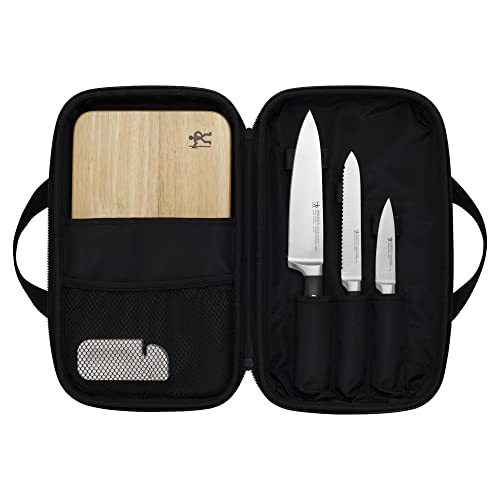
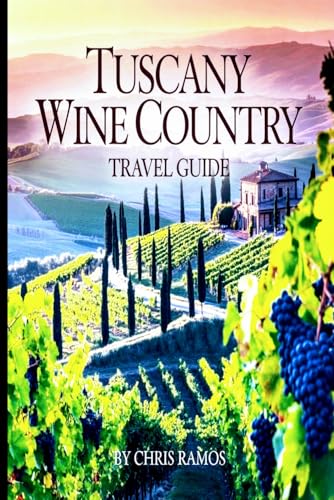
Eating well through Europe rewards a small kit. A solid European cookbook for inspiration and recreating dishes back home. A portable travel chef knife for the Airbnb kitchens. A European food travel guidebook with the regional specialties mapped. An olive oil tasting set for the Mediterranean visits. A European wine guide for the regional pairings. A phone food photography lens for the dish-on-the-table shots.





Recommended blogs to read:
- Culinary destinations in Europe
- Places to visit in Greece
- Places to visit in Germany
- Europe in October (food + wine season)
- 37 Europe travel tips
What Are the Best Italian Dishes to Try in Europe?
Italian regional cuisine is twenty separate traditions. Each region has its own pasta shapes, sauces, regional cheeses, cured meats. The four anchors below cover the heritage dishes you should track down on the road.
1. Pizza Napoletana (Naples)
Traditional Specialty Guaranteed (TSG) since 2010. The official specification mandates Mediterranean wheat flour (00 or 0 grade), San Marzano tomatoes (DOP from the Sarno valley), fior di latte mozzarella or mozzarella di bufala campana, Italian extra virgin olive oil, fresh basil. Cooking time 60-90 seconds in a wood-fired oven at 485°C. Best in Naples: Da Michele (the original from 1870, on Via Cesare Sersale), Sorbillo (Via dei Tribunali), Starita (Via Materdei). A margherita at any of these €7-€9, plus a queue.
Read also: places to visit in the Mediterranean and things to do in Naples.
2. Pasta alla Carbonara (Rome)
The four legal ingredients in carbonara: guanciale (cured pork jowl, not pancetta, not bacon), Pecorino Romano DOP, eggs (yolks only at most places), and black pepper. No cream. No onion. No garlic. Best in Rome: Roscioli (Via dei Giubbonari), Felice a Testaccio (Via Mastro Giorgio), Da Cesare al Casaletto (further out, locals’ pick). Around €14-€18. Order Cacio e Pepe (the simpler 2-ingredient cousin) at the same restaurants for the foundational Roman pasta experience.
Read also: culinary destinations in Europe and things to do in Rome.
3. Risotto alla Milanese (Milan)
The yellow-saffron risotto of Lombardy. Carnaroli or Arborio rice, beef-marrow soffritto, white wine, dry Marsala, slow-stirred chicken or beef broth, real saffron (Iran or La Mancha, not the cheap powdered turmeric substitute), Parmigiano-Reggiano, butter mantecatura at the end. Best in Milan: Trattoria del Nuovo Macello, Trattoria Masuelli San Marco, or Ratanà for the modern interpretation. €20-€30 a plate. Order with ossobuco for the classic Milanese double.
Read also: places to visit in the Mediterranean and things to do in Milan.
4. Tiramisu (Veneto)
Invented in Treviso in the early 1970s (still disputed between two specific restaurants, Le Beccherie and El Toulà). The official Tiramisù World Cup runs in Treviso every November. Real tiramisu has six ingredients: ladyfingers (savoiardi), espresso, mascarpone, eggs, sugar, cocoa powder. Treviso is 30 minutes north of Venice; Le Beccherie at Piazza Ancillotto, where the dish was invented in 1972, still serves it for €6.
Read also: beautiful islands in Europe and things to do in Venice.
Which Spanish Foods Should You Track Down?
Spanish food is regional to the point of nearly being national identity by region. Tapas in Andalusia is not tapas in the Basque Country, which is not tapas in Madrid. Four dishes anchor the Spanish cuisine traveler trip.
5. Paella Valenciana (Valencia)
The Denominació d’Origen Paella Valenciana mandates 10 ingredients: rice (Bomba or Senia), chicken, rabbit, ferraúra (flat green beans), garrofó (lima beans), tomato, olive oil, water, salt, saffron. Snails (vaquetes) optional. Seafood paella exists as paella de marisco, but is technically a different dish from paella Valenciana. Best in Valencia: Casa Carmela, La Pepica (where Hemingway ate), Bon Aire on the beach. €25-€40 for two; minimum 30-minute cooking time. Sunday afternoon is the traditional eat-paella day.
Read also: places to visit in southern Europe and things to do in Valencia.
6. Jamón Ibérico de Bellota (Extremadura, Andalusia, Salamanca)
The PDO-protected ham from acorn-fed (bellota) Iberian pigs, cured 36+ months. Four grades by label color: black label (100% Ibérico, bellota), red label (50-75% Ibérico, bellota), green (cebo de campo, mixed feed), and white (cebo, grain-fed). 100g of black-label jamón ibérico runs €30-€60 at a quality charcutería; sliced fresh by a master cortador, never machine-cut. Best regions: Jabugo (Andalusia), Guijuelo (Salamanca), Extremadura. Pair with crusty pan tumaca (bread with tomato).
Read also: culinary destinations in Europe and things to do in Madrid.
7. Tortilla Española (Nationwide, Best in Madrid and the North)
The Spanish potato omelette. Three legal ingredients: eggs, potatoes, olive oil. Onion is the disputed fourth (con cebolla yes, sin cebolla no, the country splits roughly 60-40). Cooked thick (not the thin French style), eaten warm or room-temperature, the inside should be juicy not dry. Best in Madrid: Casa Dani (Mercado de la Paz), Bar Néstor in San Sebastián (only 30 tortillas a day, served on the dot at 1 PM and 8 PM). €4-€6 for a slice, €12-€18 for a whole tortilla.
Read also: places to visit in southern Europe and things to do in Madrid.
8. Churros con Chocolate (Madrid)
The post-club Madrid breakfast at 5 AM. Fried-dough churros dipped into thick hot chocolate (closer to molten chocolate than American hot cocoa). Best in Madrid: Chocolatería San Ginés (open since 1894, open 24 hours), Chocolatería 1902 in Sol. €5-€7 for a portion of churros plus chocolate. Spanish breakfast culture isn’t really an a.m. thing; this is the post-night-out tradition that locals do at dawn.
Read also: culinary destinations in Europe and things to do in Madrid.
What Are the Iconic French Foods to Try?
French food culture is the most rigorously codified in Europe. PDO/AOP labels cover hundreds of cheeses, wines, and regional specialties. Four anchors take you across the country.
9. Coq au Vin (Burgundy)
Chicken (traditionally rooster) braised in red wine (traditionally Burgundy, ideally Chambertin) with lardons, pearl onions, mushrooms, garlic, and herbs. 3-hour minimum cook time. Best in Beaune (the wine capital of Burgundy): Ma Cuisine (Place Carnot), La Ciboulette (Boulevard Joffre). €25-€35 a plate. Pair with a glass of the same Burgundy that went into the pot.
Read also: places to visit in western Europe and Europe in October.
10. Bouillabaisse (Marseille)
The Marseille fish stew. The 1980 Marseille Charter for Authentic Bouillabaisse specifies four required Mediterranean rockfish (rascasse, vive, congre, Saint-Pierre) plus a saffron-tomato broth with potatoes, served with rouille (garlic-saffron mayonnaise) and toasted croutons. Best in Marseille: Chez Fonfon (in the small Vallon des Auffes harbor), Le Miramar (on the Vieux-Port). €70-€90 for the full traditional version; budget at least 90 minutes for the meal. Book 48 hours ahead at minimum.
Read also: places to visit in the Mediterranean and things to do in Marseille.
11. Croissant and Pain au Chocolat (Paris)
The two foundational viennoiseries. Best Paris bakeries (winners of the annual Meilleure Baguette and Meilleure Croissant competitions): Du Pain et des Idées (10th arrondissement), Cyril Lignac’s La Pâtisserie (multiple locations), Boulangerie Utopie (11th), Stohrer (the oldest pastry shop in Paris, founded 1730). €1.50-€2.20 for a croissant. Order yours “pas trop cuit” (not too brown) if you prefer the lighter buttery version.
Read also: places to visit in western Europe and things to do in Paris.
12. Camembert de Normandie PDO (Normandy)
The actual Camembert, distinct from “Camembert-style” mass-market versions. PDO since 1983, with rules requiring raw cow’s milk from Normande breed cows, hand-ladling, and a specific 21-day minimum aging. 2026 reforms tighten production rules further, including a herd-percentage requirement of 70% Normande breed minimum. Best in Camembert village itself (Calvados), at the Maison du Camembert. €15-€20 per wheel for a properly aged version.
Read also: places to visit in western Europe and things to do in Paris.
What Are the Best Greek Heritage Dishes?
Greek food is the Mediterranean tradition closest to its ancient roots. Olive oil, oregano, lemon, sheep cheese, lamb. Three dishes anchor the Greek-food traveler.
13. Moussaka (Nationwide)
Layered baked dish of eggplant, ground lamb, tomato sauce, topped with béchamel and gratinated. The Greek version differs from the Turkish and Balkan versions (which don’t typically include the béchamel). Best in Athens: Karavitis (in Pangrati neighborhood, family-run since 1934), Klimataria (in Plaka). €12-€18 a plate. Avoid moussaka in tourist-strip tavernas where it’s often a frozen reheat; look for it among the daily-specials handwritten on the wall.
Read also: places to visit in Greece and things to do in Athens.
14. Souvlaki and Gyros (Athens, Thessaloniki)
Souvlaki is the skewered grilled meat (pork, chicken, lamb); gyros is the rotisserie-spit meat shaved off in slices. Both served wrapped in pita with tomato, onion, tzatziki, and (controversially) French fries inside the wrap. Best in Athens: Kostas Souvlaki (Agia Eirini Square, four hours of queue at lunch), O Kostas in Monastiraki, Bairaktaris. €3-€5 for a wrapped souvlaki. Eat it standing up at the counter, not seated.
Read also: places to visit in Greece and things to do in Thessaloniki.
15. Greek Salad with Real Feta (Cyclades)
Choriatiki salata: tomato (large heirloom slices), cucumber, red onion, green pepper, Kalamata olives, oregano, olive oil, large block of feta on top. No lettuce. No vinaigrette. The feta has been a PDO since 2002, meaning only Greek sheep-and-goat-milk cheese made in specific regions can carry the name. Best on any Cycladic taverna terrace with the Aegean blue behind it. €8-€12 a plate. The block of feta on top is the headline; the rest is the supporting cast.
Read also: beautiful islands in Europe and places to visit in the Mediterranean.
What Are the German Heritage Dishes?
German food is regional sausages, beer, and bread. The 510th anniversary of the Reinheitsgebot (Bavarian beer purity law) hits in 2026; the law still legally governs Bavarian beer production. Four anchors define the food trip.
16. Bratwurst and Currywurst (Nationwide, Berlin)
Bratwurst varieties run by city: Nuremberg’s small finger-length grilled bratwursts (three to a bun is the local order), Thuringian rostbratwurst (larger, more peppery), Munich Weißwurst (pale veal sausage, eaten before noon, peeled never bitten). Currywurst is the Berlin invention: sliced bratwurst topped with curry-ketchup and curry powder. Best Currywurst in Berlin: Curry 36 (Mehringdamm), Konnopke’s Imbiss (Schönhauser Allee). €3-€5 for a portion.
Read also: places to visit in Germany and things to do in Berlin.
17. Schwarzwälder Kirschtorte (Black Forest)
Black Forest cake. Chocolate sponge layers, sour cherries, kirsch (cherry brandy, mandatory in the Black Forest version), whipped cream, chocolate shavings on top. The Black Forest official version requires kirsch in both the cake and the cream; without it, it’s not technically Schwarzwälder Kirschtorte. Best at Café Schäfer in Triberg, where Josef Keller’s 1915 original recipe is followed. €5-€7 a slice.
Read also: places to visit in Germany and hidden gems in Europe.
18. Bavarian Beer + Reinheitsgebot 510th Anniversary (Munich)
The 1516 Reinheitsgebot specified that Bavarian beer can contain only water, barley, and hops (yeast was added later when its role was understood). 2026 marks the 510th anniversary, with brewery-tour discounts and special anniversary beers across Bavaria. Best beer gardens in Munich: Augustiner-Keller (the oldest, founded 1812, 5,000 seats under chestnut trees), Hirschgarten (the largest, 8,000 seats), Chinesischer Turm (in the Englischer Garten). A Maß (1L glass) of Helles €11-€13.
Read also: places to visit in Germany and things to do in Munich.
19. Pretzels (Munich, Bavaria)
The Bavarian Brezel (laugenbrezel). Soft pretzel with a hard caramelized outer crust, made by dipping the raw dough in food-grade lye solution before baking. Eaten warm with Obatzda (the Bavarian cheese spread of camembert, butter, paprika, cumin, beer) and a Maß of beer. Best at any Bavarian beer garden or the Viktualienmarkt food stalls in central Munich. €1.50-€3 for a fresh-baked pretzel.
Read also: European foods and things to do in Munich.
What Eastern European and Balkan Foods Should You Try?
Eastern European cuisine is the underrated half of European food. Heavy, warming, dense in cabbage, pork, root vegetables, and dumplings. Three dishes anchor the food trip.
20. Pierogi (Poland)
Polish dumplings filled with potato and cheese (ruskie), sauerkraut and mushroom, meat, or sweet fillings (cherry, strawberry, blueberry). Best in Krakow at Pierogarnia Krakowiacy (Szewska 23) or at the Pierogi Festival in August (the world’s biggest pierogi festival, held annually in Krakow’s Małym Rynek). €4-€8 a plate of 10 dumplings.
Read also: places to visit in east Europe and things to do in Krakow.
21. Goulash (Hungary)
The Hungarian beef-and-paprika stew (gulyásleves is the soup version, pörkölt is the thicker stew). Hungarian sweet paprika (the Szegedi or Kalocsa varieties) is what makes the dish; supermarket paprika won’t get you there. Best in Budapest at Stand 25 (Hold Market food hall) or Belvárosi Disznótoros. €8-€14. Pair with Tokaji Aszú dessert wine after, the famous Hungarian noble-rot dessert wine.
Read also: places to visit in east Europe and things to do in Budapest.
22. Ćevapi (Bosnia, Serbia, Croatia)
Small grilled minced-meat sausages, usually beef or lamb-and-beef mix, served 5-10 to a plate with soft somun flatbread, raw onion, and kaymak (clotted cream). Best in Sarajevo: Petica (the institution, on the Baščaršija square) or Željo. €4-€7 a plate of 10. The Sarajevo version is hand-rolled fresh each morning; the Mostar version is slightly larger and gets more black pepper. Pair with ayran (salty yogurt drink) or the local Sarajevsko beer.
Read also: places to visit in the Balkans and cheap countries in Europe.
Want food itineraries built around regional cuisines?
The Ultimate Europe Trip Planner has food-focused itinerary templates for the Italian regional trail, Spanish tapas crawl, French Loire wine + cheese, Greek-island taverna circuit, and German Reinheitsgebot brewery route. $17.
European Foods FAQ
What is the most famous European food?
Pizza is the most globally recognized European dish, with Pizza Napoletana holding TSG protected status since 2010. Pasta dishes (carbonara, lasagna, spaghetti bolognese) and croissants are the next most-recognized. By national-dish status: paella for Spain, bouillabaisse or coq au vin for France, moussaka for Greece, bratwurst for Germany, goulash for Hungary.
Which European country has the best food?
Subjective, but France and Italy lead most Michelin Guide and global culinary rankings. France has the most Michelin three-star restaurants in Europe and the deepest cheese tradition (1,200+ documented cheeses). Italy has the most regional variety, with 20 distinct regional cuisines, and the most TSG/PDO protected products. Spain has the strongest contemporary fine-dining scene; the World’s 50 Best Restaurants list usually has 6-8 Spanish entries.
What is the national dish of each European country?
Major national dishes: Italy (pizza Napoletana, pasta), Spain (paella Valenciana), France (pot-au-feu or coq au vin), Greece (moussaka), Germany (bratwurst or sauerbraten), UK (fish and chips, Sunday roast), Ireland (Irish stew), Netherlands (stamppot), Switzerland (fondue), Austria (Wiener Schnitzel), Hungary (goulash), Poland (pierogi), Czech Republic (svíčková), Portugal (bacalhau), Sweden (köttbullar), Denmark (smørrebrød), Norway (rakfisk or lutefisk).
Where do you find authentic Italian pizza?
Naples for Pizza Napoletana TSG. The certified-AVPN restaurants (Associazione Verace Pizza Napoletana, the official trade association) display a sign confirming they meet the protected standard. Top picks in Naples: Da Michele (Via Cesare Sersale, the original from 1870), Sorbillo (Via dei Tribunali), Starita (Via Materdei), 50 Kalò di Ciro Salvo. Rome has its own style (thinner, crispier, square slices). Sicily has sfincione (thick focaccia-style with breadcrumbs). All three are legitimate Italian pizza, just different traditions.
Is Greek food healthier than Italian food?
Both qualify as Mediterranean Diet (UNESCO Intangible Cultural Heritage since 2010), with similar olive oil, vegetables, fish, and whole-grain bases. Greek food leans more heavily on lamb, sheep cheese, and olive oil; Italian food leans more on pasta, cured pork, and aged cow’s-milk cheese. Per the World Health Organization Mediterranean Diet research, both rank among the world’s healthiest cuisines.
What foods do Europeans eat for breakfast?
Highly regional. France: croissant + espresso. Italy: cornetto + cappuccino (no cappuccino after 11 AM, by Italian convention). Spain: tostada with tomato + café con leche (or churros con chocolate at 5 AM after a night out). UK and Ireland: full English/Irish breakfast. Germany and Austria: bread, cheese, cold cuts, soft-boiled egg. Greece: bougatsa (custard pastry) + Greek coffee. Scandinavia: Smørrebrød open sandwiches with cheese and herring.
Key Takeaways
- European food is twenty regional cuisines, not one. Pasta in Rome is not pasta in Milan; paella in Valencia is not paella elsewhere.
- Italian heritage: Pizza Napoletana TSG, Pasta Carbonara, Risotto Milanese, Tiramisu (Treviso 1970s).
- Spanish heritage: Paella Valenciana PDO, jamón ibérico de bellota, tortilla española, churros con chocolate.
- French heritage: Coq au Vin (Burgundy), Bouillabaisse (Marseille charter 1980), croissant + pain au chocolat, Camembert PDO.
- Greek heritage: Moussaka, souvlaki/gyros, Greek salad with PDO-protected feta.
- German heritage: Bratwurst varieties, Schwarzwälder Kirschtorte, Reinheitsgebot beer (510th anniversary 2026).
- Eastern European heritage: Polish pierogi, Hungarian goulash with sweet paprika, Bosnian ćevapi.
Final Thoughts on European Foods
European food is the most heritage-protected cuisine system in the world. The PDO, TSG, and PGI labels exist for a reason: they preserve specific regional production methods that took centuries to develop. The result for travelers is that you can taste the original of any famous dish in its actual region of origin, made by people who learned the recipe from their grandmothers. The carbonara in Trastevere. The paella on Sunday in Valencia. The Reinheitsgebot beer in a 200-year-old Munich beer garden.
If 2026 is the year, pick a region or a single ingredient and let the trip follow the food. Italian regional pasta. Spanish jamón across Extremadura. French cheese across Normandy. The trip you remember will be the meals you remember.