Quick Answer: October in Europe runs about 23-26°C in Cyprus, Malta, Sicily, and Crete; 18-22°C in southern Spain, Portugal, and mainland Greece; and 8-14°C in Central and Northern Europe. The Dolomite larches peak gold the second and third weeks of October. Tuscany vineyard color peaks the final week. Average hotel rates drop 30-45% from August prices. October is the last quiet month before ETIAS launches in Q4 2026.
Last updated: May 2026 · ETIAS launches Q4 2026; October is the last quiet month before the EU border rule changes.
October might be the most underrated month to be in Europe. The sea in Cyprus is still 25°C. The vineyards in Tuscany are turning copper-gold. Vienna’s parks shift from green to amber in the same week the Christmas market staff start putting up the wooden stalls. The summer crowds have gone home. Hotel rates have dropped a third or more.
The first time I spent a full October in Europe was a year I ended up in Bologna for a week of late vendemmia and ate the best meal of my year in a trattoria where the table next to me was passing around bowls of fresh white truffle. Outside it was about 16°C and drizzling. Inside, everyone had a jumper on and the windows were fogged up. The summer crowd was gone. The Christmas-market crowd hadn’t arrived yet. It felt like Europe had been left to the people who actually live there.
This is the month-by-month breakdown of where to be in October 2026, when the fall colors peak per region, the real shoulder-season pricing, and how to pack for the 18°C swing between Cyprus and Bavaria on the same day.
Booking your October trip and want it sequenced by week?
The Ultimate Europe Trip Planner has a fall-foliage calendar per region, the shoulder-season pricing matrix, and a packing list calibrated for the October weather swing. $17 currently before it goes back to $27.
October Europe Travel Kit
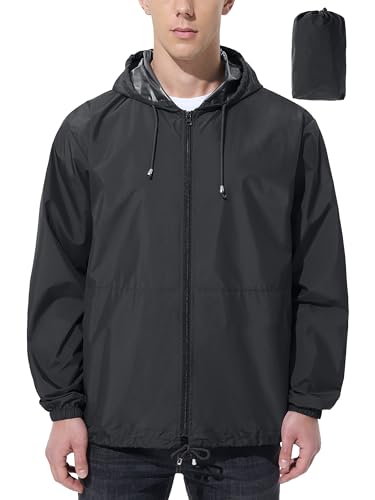
October weather across Europe ranges from beach-warm in Cyprus to scarf-and-jacket weather in Bavaria, often in the same trip. Six packing essentials make October dependable: a packable fall travel jacket, a waterproof rain shell, a lightweight wool scarf, sturdy walking shoes that handle wet cobbles, a compact wind-resistant umbrella, and a thermal base layer for the colder Alpine and Northern stops.





Recommended blogs to read:
- Autumn in Europe (full season guide)
- Europe in December
- Europe in April
- Europe fall outfits (what to pack)
- 37 Europe travel tips
Where Is the Warmest Place in Europe in October?
The Mediterranean rim holds onto summer the longest. Cyprus, Malta, Sicily, and Crete all stay swimmable through the whole month. These six destinations are warm enough that October feels like an extended summer rather than autumn.
1. Cyprus
Paphos averages 26°C high and 17°C low in October. Sea temperature 25°C all month. The beaches at Coral Bay and Lara are still day-at-the-beach material; the Akamas peninsula trail is finally walkable without melting. The Limassol wine festival winds up in early October. October flights from London, Berlin, Amsterdam run €60-€110 each way.
2. Malta
Valletta averages 24°C high and 17°C low. Sea 24°C. Comino’s Blue Lagoon is empty enough that you can swim across without dodging speedboats. Gozo’s Ramla Bay stays warm. Notte Bianca in Valletta on the first Saturday of October turns the capital into a free all-night arts festival; museums and galleries stay open until 1 AM. October flights into Luqa from anywhere in Europe €40-€90.
3. Sicily
Palermo and Catania average 23-25°C high, 15°C low. Sea 23°C the first half of the month, dropping to 21°C by month’s end. The October light on the baroque towns of Noto and Modica is the best photo light of the year. Ottobrata Zafferanese on the slopes of Etna is the local food festival every Sunday in October. Pistachios, mushrooms, chestnuts, and Etna wine.
4. Crete
Chania averages 24°C high and 16°C low. Sea 23°C. The Samaria Gorge is open through October 15, and walking the 16km descent is more comfortable in October than the August furnace. Hotels in Chania’s old Venetian harbor drop from €180-€220 in August to €90-€130 in October.
5. Southern Spain (Costa del Sol, Granada, Seville)
Seville averages 25°C high and 13°C low. Granada 22°C high, 11°C low. Marbella sea temperature 22°C. The October light on the Alhambra and Real Alcázar is the photographer’s October pilgrimage. The October weather lets you actually walk Seville and Córdoba in the middle of the day, which August absolutely doesn’t.
6. The Algarve, Portugal
Faro averages 23°C high, 14°C low. Sea 21°C. The Algarve sees a noticeable end-of-summer drop in tourist density after mid-October. Lagos cliffs and Benagil Cave boats run without queues. The October portagem of the wine harvest in the Setúbal hills is a daytrip option from Lisbon.
Where Can You See Fall Foliage in Europe?
European autumn color isn’t quite the New England spectacle, but four regions in particular put on a serious show. The timing varies by altitude: high-Alpine larches peak first, midland-vineyards last.
7. The Italian Dolomites (Mid-October Peak)
The European larch is one of the few deciduous conifers and turns molten gold the second and third week of October. Tre Cime di Lavaredo, Lago di Braies, and the Seceda ridgeline above Val Gardena are the peak photo spots. Hotels in Cortina and Selva drop 40% from August rates. Trails are open and dry; the first snow usually hits late October above 2,500m.
8. Tuscany Vineyards (Late October Peak)
The Sangiovese vineyards of Chianti, Brunello di Montalcino, and Vernaccia di San Gimignano turn copper-gold the last week of October into the first week of November. The vendemmia (harvest) wraps mid-October; agriturismo dinners feature the new wine and the just-pressed olive oil. The road from Castellina in Chianti to Greve is the postcard drive.
9. Bavarian Alps (Mid to Late October)
The Bavarian beech forests around Berchtesgaden and Garmisch-Partenkirchen turn amber and copper the second to third week of October. Schloss Neuschwanstein with the larches and beeches in fall color is the most photographed castle moment of the year. The Bavarian Palaces of Ludwig II became UNESCO sites in 2025 and tour bookings in 2026 are notably higher than 2024; book Neuschwanstein tickets at least three weeks ahead.
10. Vienna Woods and Wachau Valley (Late October)
The Wachau Danube valley west of Vienna turns gold-amber with vineyards and beech forests the final ten days of October. The Heuriger (new-wine taverns) are at peak. Sturmwein (partially fermented grape must) is the seasonal drink. Day trip by Danube boat or local train from Vienna to Krems, Dürnstein, and Spitz takes a full day and is the highlight of any late-October Vienna trip.
Which European Cities Are Best for an October Break?
Six cities work beautifully in October. Mild enough to walk all day, cooler than the summer crowds tolerate, and with the cultural calendar in full swing now that locals are back from holidays.
11. Lisbon, Portugal
Lisbon in October averages 22°C high, 14°C low. Almost no rain in the first three weeks. The yellow trams up to Alfama and Graça run without summer queues. Sintra day trips with the morning mist on Pena Palace’s parapets are the keeper photo. October also brings the Lisbon Wine Festival mid-month.
12. Athens, Greece
Athens averages 23°C high, 14°C low. The Acropolis is finally walkable in the middle of the day. The Plaka and Anafiotika quarters are quieter. Athens to Hydra or Aegina ferries still run; the islands are 21-23°C and basically yours. The Athens classical music season opens in October at the Megaron and the Stavros Niarchos Center.
13. Istanbul, Türkiye
Istanbul averages 20°C high, 13°C low. October light on the Bosphorus is photographer-grade. The Princes’ Islands day trips by ferry are pleasant rather than oppressive. October sees the Istanbul Biennial in most odd-numbered years (2027 next), but the Akbank Jazz Festival and the Istanbul Theatre Festival both run in October every year. Pomegranates and chestnuts in every street stall.
14. Rome, Italy
Rome averages 21°C high, 12°C low. The Roman summer crush has ended and the Christmas crowd doesn’t arrive until mid-December. The Vatican Museums in mid-October are actually visitable without booking three weeks ahead. Trastevere outdoor dining is still pleasant most evenings until 10 PM. The October light on the travertine of the Forum and the marble of St. Peter’s is the city at its best.
15. Porto, Portugal
Porto averages 21°C high, 12°C low. Late September and October are the vintage tasting months along the Douro. The historic Vila Nova de Gaia cellars run year-round but October vintages have just been declared. A full Douro train day trip from Porto to Régua and Pinhão hits the vineyard color peak the third week of October. Guimarães, the European Green Capital 2026, is a 50-minute train away.
16. Barcelona, Spain
Barcelona averages 22°C high, 14°C low. Beaches still warm enough for a swim the first half of the month. October is the city’s classical music high season, and Sagrada Família ticket availability is dramatically better than July-August. The October sea light on Park Güell and the Gothic Quarter is what you came for.
Where Should You Go for European Wine Country in October?
Vintage time runs September into October across Europe. Four regions stand out for the October wine traveler: each pairs the vendemmia (harvest) with the first vintages-from-the-cellar tastings.
17. Bordeaux, France
Bordeaux’s Médoc and Saint-Émilion harvests finish in early October; cellar visits with the actual winemaker are at peak in mid- to late October because they’ve finally had a moment to breathe. La Cité du Vin in Bordeaux runs an October program with sommelier tastings. Saint-Émilion’s medieval village turns burgundy-and-gold the last week of October.
18. Tuscany Wine Roads, Italy
Strada del Vino del Chianti and the Brunello road through Montalcino are at their gold-amber peak the last week of October. Truffles begin in October in San Miniato (white truffle festival the last three weekends of October and first weekend of November). Pair vineyard color with a truffle dinner.
19. Mosel Valley, Germany
The Mosel’s steep Riesling slopes around Bernkastel-Kues, Traben-Trarbach, and Cochem turn amber-gold the second and third week of October. Federweisser (partially fermented wine) sold at the cellar door is the seasonal drink. Cycling the Mosel Radweg from Trier to Koblenz is the perfect five-day October ride; flat terrain along the river, vineyard turning color on both banks.
20. Douro Valley, Portugal
The Douro vineyards turn color the third week of October. Port lodges in Vila Nova de Gaia announce the year’s vintage in early October if it’s been declared. A two-day Douro trip with one night in Pinhão at a quinta with vineyard views is the classic October trip from Porto.
How Much Cheaper Is October Travel in Europe?
Pricing differs sharply across categories. Some categories drop 40% versus August; others barely budge. Plan around the math.
21. Hotels Drop 30-45%
Coastal Mediterranean hotels see the biggest drops (often 40-45% in places like Mykonos, Santorini, Mallorca, Costa Brava). City hotels in Paris, Rome, Vienna drop 25-35%. Alpine ski-region hotels drop 50% in October because winter sports haven’t started.
22. Flights Drop 20-30%
Transatlantic flights drop notably from October 7 onward. Intra-Europe flights drop most after October 15 once school is back everywhere and family travel ebbs. Ryanair, Wizz, easyJet sales for late October weekends often surface in early August.
23. Restaurant Prices Hold
Restaurants in October mostly stay at the same menu prices as summer but the seasonal menus add value: white truffles in Italy, game in France and Austria, oysters back in season in France. Reservations easier at high-end places that were impossible to book in summer.
24. Trains Hold Mostly
Eurostar, TGV, ICE prices don’t drop much off-peak versus peak in October; what matters is booking 60-90 days ahead. Interrail Global Pass is a flat year-round price (€330 adult 2nd class for 7-day flexi). October weekend trains are noticeably emptier than July weekends, so reservations open up.
Planning an October multi-stop trip and want the pricing math worked out?
The Ultimate Europe Trip Planner has shoulder-season hotel and flight pricing per region, the fall-foliage calendar, and itinerary templates for week-long October trips. $17 currently before the price goes up.
Europe in October FAQ
Is October a good time to visit Europe?
Yes. October is widely considered one of the best shoulder-season months for Europe. Mediterranean coasts are still swimmable through mid-month, mainland cities are comfortable for walking, hotels are 30-45% cheaper than August peak, and the summer crowds have left. The trade-off is shorter days (sun sets around 6 PM by month’s end in Central Europe) and some Alpine and Greek-island hotels start closing for the season after October 20.
Where is the warmest place in Europe in October?
Cyprus is consistently Europe’s warmest October destination, averaging 26°C with sea temperatures of 25°C all month. Malta, Sicily, Crete, and the south coast of Türkiye (Antalya, Bodrum) all stay 23-25°C through October. Mainland southern Spain (Seville, Marbella) and the Algarve in Portugal hover in the low 20s°C.
What is the weather like in Europe in October?
October has Europe’s widest single-month temperature spread. Cyprus and Malta sit at 24-26°C. Spain, Italy, and southern France 18-23°C. Central Europe (Vienna, Munich, Prague) 12-16°C. UK and Northern Europe 10-14°C. Scandinavia 4-10°C. Rain probability is moderate in the south, higher in the north and west. Snow possible above 2,000m in the Alps after October 20.
Where can you see fall foliage in Europe?
The four standout fall foliage regions are the Italian Dolomites (mid-October larches), Bavarian Alps (mid to late October beeches), Tuscany and Vienna Woods (late October vineyards), and the Mosel Valley in Germany (mid to late October vineyards). The Carpathian forests in Romania and Slovakia also turn beautifully but get less coverage.
Is October cheaper to travel in Europe than summer?
Yes, substantially. Hotels in coastal Mediterranean destinations drop 40-45% from August peak. City hotels drop 25-35%. Alpine hotels drop 50%. Flights drop 20-30% from mid-October onward. Restaurants and trains hold relatively steady, but reservations are easier and seasonal menus are at their best.
What should you pack for Europe in October?
Layers, layers, layers. A packable rain shell, a warmer jacket for evenings, a lightweight wool scarf, comfortable walking shoes that handle wet cobbles, and a compact umbrella. If you’re going north of the Alps or to the Dolomites, add a thermal base layer and a beanie. If you’re heading to Cyprus or Malta, swimwear is still needed; sea temperatures stay swimmable.
Key Takeaways
- Cyprus, Malta, Sicily, Crete, and southern Spain stay 23-26°C and beach-warm through October.
- Dolomite larches peak gold the second and third weeks of October. Tuscany vineyards peak the final week.
- Hotel rates drop 30-45% from August peak; Alpine and Mediterranean coast drop the most.
- October is the last quiet month before ETIAS launches in Q4 2026.
- Notte Bianca in Valletta and the Wachau Heuriger season are the best October-only experiences.
- Pack layers: October crosses 26°C in Cyprus and 10°C in Bavaria, sometimes on the same trip.
- Restaurant reservations open up dramatically; truffle and game season hits its stride.
Final Thoughts on Europe in October
October is the month that experienced European travelers protect on their calendar. The summer-crowd-free version of every city you already wanted to visit, plus the wine country at peak, plus the Mediterranean coast still warm, plus prices that make it possible to upgrade the hotel and the dinners. The downside list is short: shorter days, some seasonal hotels closing late in the month, a small risk of unsettled Atlantic weather in the west.
If 2026 is your year, October is the smart month. Get to Cyprus or Tuscany or the Dolomites in the right week and you’ll come back wondering why anyone bothers with August.