The thing about Spain is, travelers can never run out of things to do here. The list is never-ending, from the thrilling activities to the laid-back visit to famous restaurants and the educational trip to universities and museums. For travelers accompanied by kids, there are several educational things to do in Spain that involve a lot of strolling in interactive sites and fun attractions.
Spain has a rich history and culture that spans thousands of years. It is the perfect destination for unraveling the Roman, Muslim empires and is perfect for art geeks. With numerous sites offering fantastic views, artifacts, and artworks, visitors surely can’t get enough.
For adventurous and curious travelers, Spain is the best playground to discover Spanish culture. Being exposed to the unique way of living of locals, their language, and religion cultivate respect for the differences.
Here are the 10 best educational things to do in Spain if traveling with kids.
Top 10 BEST Educational Things to do in Spain
Discover Rare Art Collections at Prado Museum
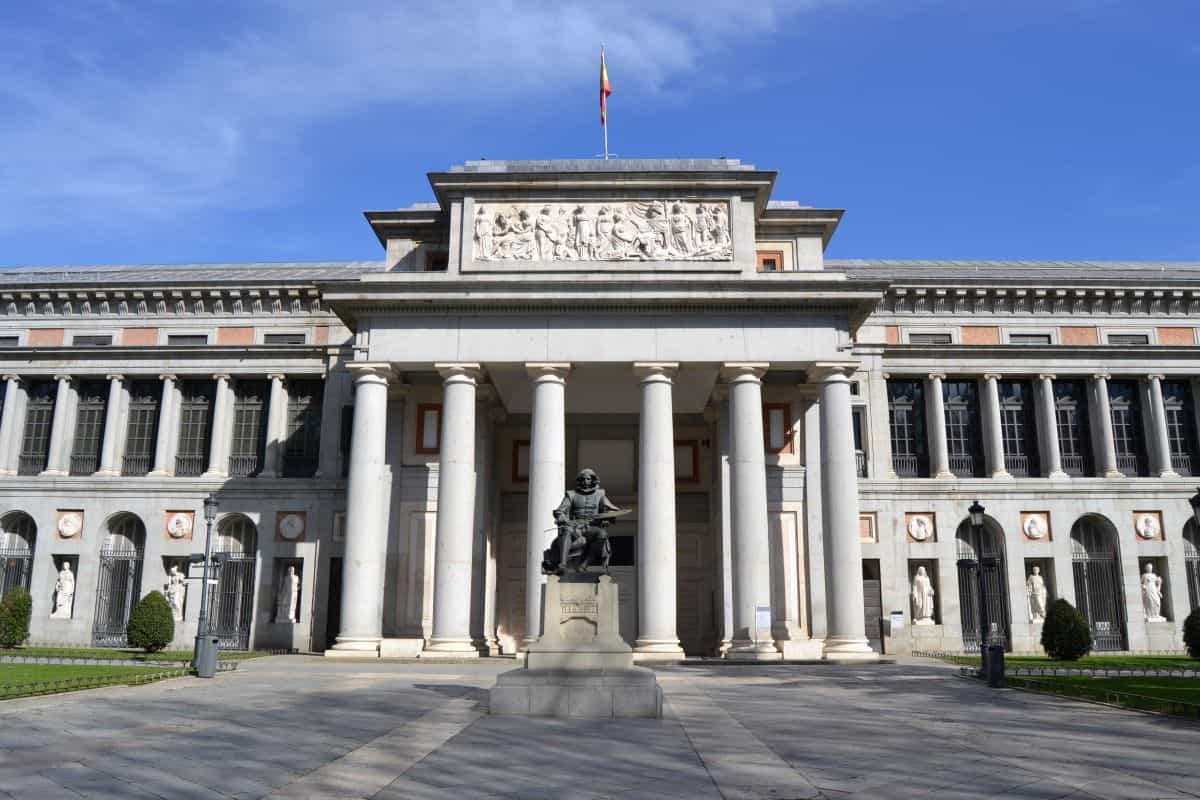
Museums are always a great destination to learn about history, culture, and art in one confined space. The Prado Museum in Madrid houses the finest art collections of Spanish and European artists. Officially known as Museo Nacional del Prado, this museum is dazzling with art displays, paintings, sculptures, and decorative arts.
With more than 8,600 paintings and 700 sculptures, visiting this museum should be part of the educational things to do in Spain. Travelers can see the works of famous artists like Velazquez, Goya, Bosch, Angelico, and Bruegel. The museum also showcases rare Italian and Flemish art, which are truly unique in the world.
Tickets to the Prado Museum are available online for €7.5 for general tickets and €16.05 for the guided tour. Travelers can also visit the museum for free every Monday to Sunday, from 6 PM to 8 PM, or Sundays and holidays, from 3 PM to 5 PM.
[irp]
Visit the UNESCO Heritage Sites

To say that Spain is brimming with UNESCO Heritage Sites is an understatement. It follows Italy for having the highest number of UNESCO-recognized and protected sites. With 48 World Heritage Sites dotted across the country, it is no wonder why millions of tourists go here yearly.
From single monuments to historical districts, and breathtaking ruins and landscapes, Spain has got it all. The remnants of several empires are still intact up to this day, standing tall for centuries.
Spain’s most visited site, Granada, features stunning Moorish architecture, an impressive royal structure, and an abandoned fortress. Several cathedrals also made it to the UNESCO heritage list, with Gaudí’s Sagrada Familia topping the list.
Visiting these landmarks provide travelers more knowledge of the history of Spain. Learning historical facts and witnessing the ruins make the trip memorable and worthy of time.
[irp posts=”2145″ name=”Top 15 BEST UNESCO World Heritage Sites in Spain”]
Learn and Taste Different Tapas

Tapas probably hits the sweet spot for unraveling Spain’s gastronomy. It is everything that defines the Spanish cuisine; signature snacks that are filling and complement main courses. The colorful and delicious tapas culture is available in almost all restaurants, which come in small plates.
Indulging the Spanish cuisine is part of the educational things to do in Spain as travelers get to learn the varieties revered by Spanish cooks. When visiting, never neglect the tapas as these are truly delectable and addictive. Getting hyped for paella is normal, but try to explore other local entries such as Spanish jamón, a variety of cheeses, olives, and calamares a la romana.
For many, tapas at Seville are popular for their unique rendition of the authentic snacks, which is the reason why they call the city’ home of tapas.
[irp posts=”2708″ name=”Spain Budget Guide: Top 10 BEST Tips to Save on Hotel, Food, and Tours”]
Step Foot at a Local Olive Oil Factory
Anyone probably heard of the signature Mediterranean diet, which consists of olive oil. Spaniards probably don’t put any food into their mouth without a drizzle of olive oil in it. Because of the abundance of olive trees in fields and gardens, Spain is considered one of the biggest sources of this healthy oil.
For travelers who want to know more about the olive oil industry, visiting a factory is the best thing to do. There are guided tours with olive oil tasting to expose tourists to the process of cultivating the oil, from harvesting down to manufacturing.
Some of the finest olive oil producers are located in the Andalucia region, particularly the Oleícola San Francisco brand in the Jaén province. It is open to visitors daily, providing a tour of the indoor and outdoor installations, basics of processing, and tasting rooms.
[irp]
Head to the Zoo Aquarium de Madrid
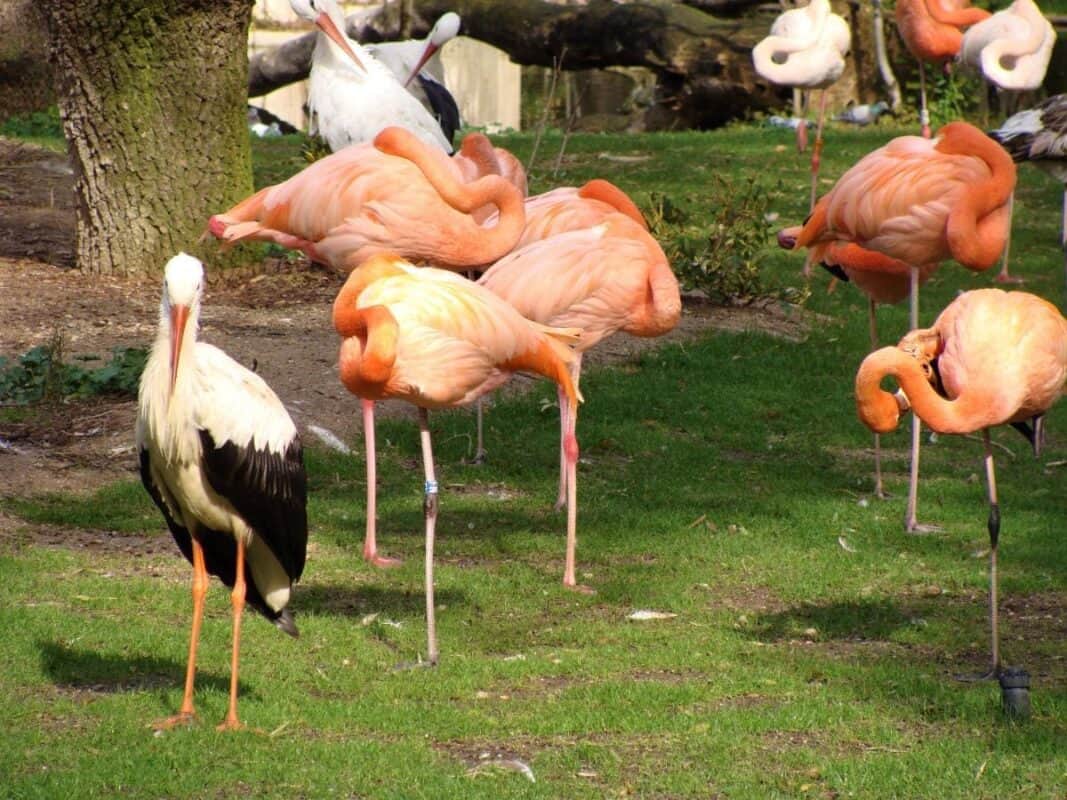
Aside from museums, visiting zoos and aquariums are the best educational things to do in Spain. The Zoo Aquarium de Madrid is a 2-hectare zoo and aquarium located in the Casa de Campo in the capital city. Established in 1770, it is considered one of the oldest zoos in the world, housing 4,000 species.
Exhibits range from mambas, Siberian tigers, celebrity pandas, flamingos, and others. The best part is seeing exotic animals brought from all over the world, including the giant panda born by artificial insemination, okapi, bongos, and others.
The general ticket to enter the park is €21.60 online and €24 through the park’s ticketing office. Kids under three years old are free.
[irp posts=”2128″ name=”Top 12 BEAUTIFUL National Parks in Spain”]
Witness Interactive Exhibits at the City of Arts and Sciences

The futuristic infrastructure and complex in Valencia is the largest ultra-modern scientific building in Europe. The City of Arts and Sciences or Ciutat de Les Arts i les Ciències is an interactive museum famous for the performing arts center, Imax cinema, Planetarium, and the Laserium.
When visiting Valencia, travelers cannot miss the attractive building surrounded by a pool of water. Seated at the end of the former riverbed of Turia River, this modern building is the highlight of the city.
The City of Arts and Sciences is a museum, cinema, performing arts center, and venue rolled into one. Pre-booking is required to score tickets, which cost €8 for the hemisferic and Science museum, €31.30 for the Oceanografic, or €38.60 for the visit to three venues in 2 to 3 days.
[irp]
Explore the Chocolate Museum in Barcelona

Another educational things to do in Spain is to visit a chocolate museum in Barcelona. The Museu de la Xocolata or Museo del Chocolate in Spanish showcases the history of the production of chocolate in Spain.
Located in Comerç del Borne street, this private museum offers unique chocolate production from the cacao bean to chocolate bars. In addition, tours offer exploration of the equipment used and see the chocolate models of the city’s most famous artworks. The best part is participating in the workshop and becoming a chocolatier for a day.
Check out the Hanging Houses in Cuenca
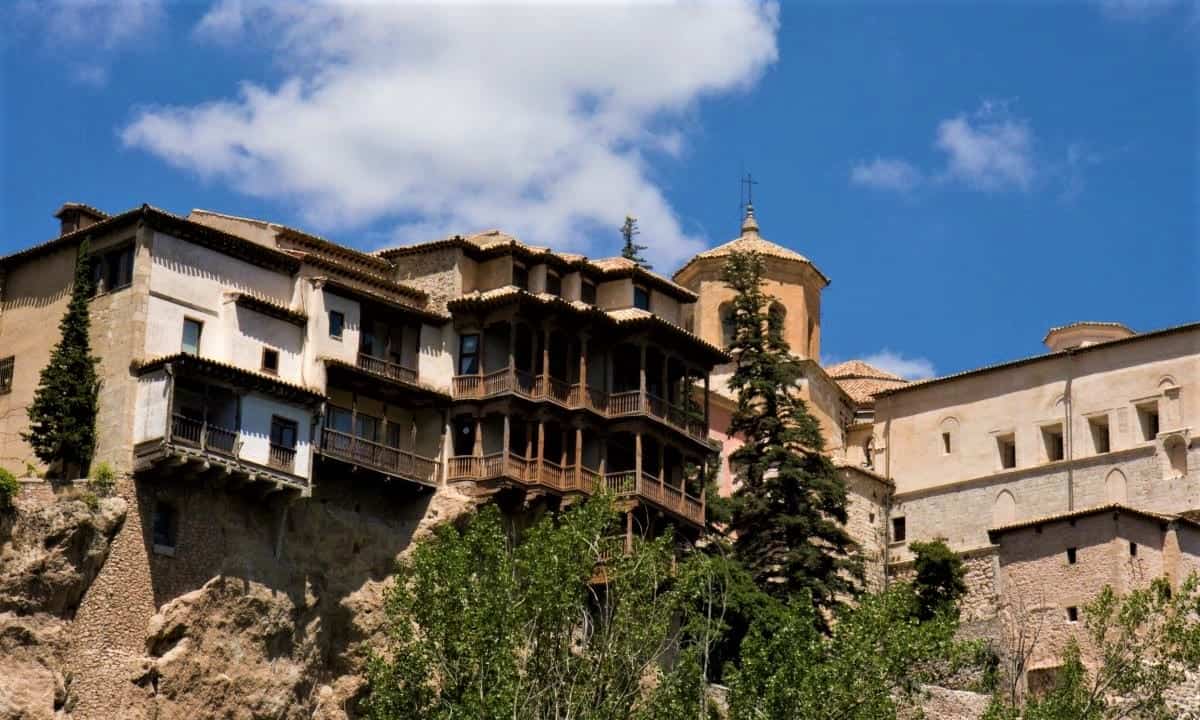
The hanging houses or Casas Colgadas are recognized by UNESCO as a World Heritage Site because of the historic architecture above the Huénca River. The complex of houses in this city are perched above the valley, which is remarkable sights.
Built-in the 15th century, these houses sit atop rocky cliffs, defining the ancient phrase of ‘living on the edge.’ Today, the remains of the unbroken string of houses serve as a museum of abstract art. Part of the educational things to do in Spain is discovering these remnants of history.
Visit a Real Fairytale Castle in Granada

Travelers from around the world go to Spain not only for the historic cathedrals but also the fairytale-like castles like Granada’s Alhambra Palace. Built by the Arab kings in the 13th century, this fortress complex is famous for the reddish walls and towers.
The origin of the name Alhambra is al-qal’ a-hamra, which means red fort or castle in Spanish. This palace is undeniably the most important surviving remnant of the Islamic rule in the Iberian Peninsula.
[irp]
Participate in Festivals

Every city, region, or pueblo have their distinct traditions and local festivals. Aside from religious festivals, there are also pop culture events that celebrate food, art, music, and the most bizarre things.
The locals celebrate the festivals on a different level, parading in streets wearing colorful costumes, giant floats, more dancing, and throwing of tomatoes during La Tomatina or The Tomato Fight. Tourists can participate in most festivals and discover the rich culture of the locals.
Part of the educational things to do in Spain is witnessing the parade and taking part in the locals’ festivities organized.
[irp posts=”2209″ name=”Top 15 BEST Festivals in Spain”]
Check out these activities in Spain