
Quick Answer: Diving in Spain is among the best in Europe, with the Medes Islands on the Costa Brava, Cabo de Palos in Murcia, the Cabrera Archipelago south of Mallorca, and the Atlantic-fed Canary Islands all sitting inside marine reserves. The main season runs May to October on the mainland and year-round in the Canaries, with water temperatures from 18 to 26 degrees Celsius (64 to 79 Fahrenheit).
Diving in Spain is one of Europe most underrated underwater experiences. The Mediterranean side delivers visibility up to 30 meters at the Medes Islands marine reserve, Atlantic-fed Canary Islands give year-round 22-degree water with volcanic underwater landscapes that look like nowhere else on the continent, and a wreck circuit around Cabo de Palos includes World War One-era ships now grown into coral reefs. The 12 dive sites below are ranked by water quality, marine life, and what makes each one worth planning a Spain trip around.
A practical note: Spain dive season splits into two windows. May through October is peak for the mainland Mediterranean (warm 22 to 26 degree water, full dive-center schedules). The Canary Islands run year-round with consistent 20 to 23 degrees. The Medes Islands marine reserve requires a permit; book the dive center 2 to 3 weeks ahead in summer. Beginners can start in Tenerife or Costa del Sol with calm bay shore dives; advanced divers head to Cabo de Palos or Cap de Creus for current and depth.
Planning a Spain dive trip?
The Ultimate Europe Trip Planner maps a multi-region dive route through Costa Brava (Medes Islands), Cabo de Palos, Cabrera Archipelago, and the Canaries with dive-center comparisons, certification requirements, and a booking timeline. Limited time, save $10 today (originally $27).
Best Hotels for Diving in Spain
Five top picks near Spain best dive sites, all within walking distance or a short drive from working dive centers.
- Hotel Les Illes (L’Estartit, Costa Brava), walking distance to the Medes Islands ferry and Calypso dive center.
- La Manga Club Resort (Murcia), 5-star resort 20 minutes from the Cabo de Palos wreck dives.
- Iberostar Selection Cala Blanca (Mallorca), south-coast base for Cabrera Archipelago boat dives.
- Hotel Punta Grande (El Hierro), the smallest hotel in the world, walking distance to La Restinga marine reserve.
- Hotel Vincci Tenerife Golf (Tenerife), Costa Adeje base for beginner Atlantic dives plus Mount Teide visits.
Top Tours for Diving in Spain
- Medes Islands Diving Day with Lunch from L’Estartit, includes permit, equipment, and 2 boat dives.
- Cabo de Palos Islas Hormigas 2-Dive Boat Trip, wreck and reef dives in the El Bajón marine reserve.
- Tenerife Costa Adeje Beginner Dive plus Lunch, no certification needed, perfect first-time dive.
- Lanzarote Puerto del Carmen Shore Dive, the famous Cathedral cavern, advanced certification required.
- Gran Canaria Mogan Boat Dive, rays and barracuda in the El Cabrón Marine Reserve.
Recommended Travel Essentials for Diving in Spain
These five travel essentials cover everything you need for a multi-region Spain dive trip without overpacking.
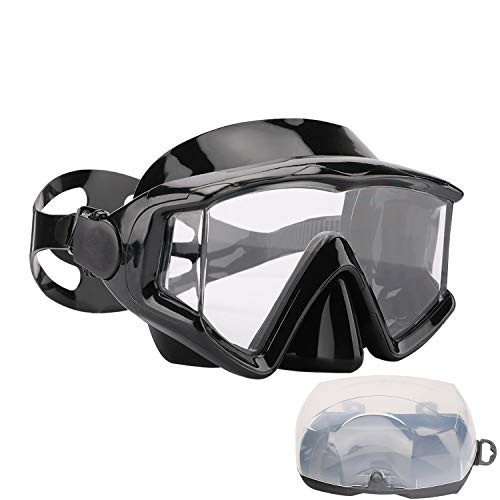
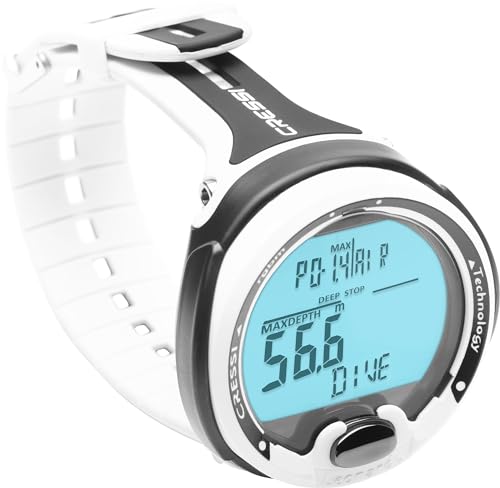


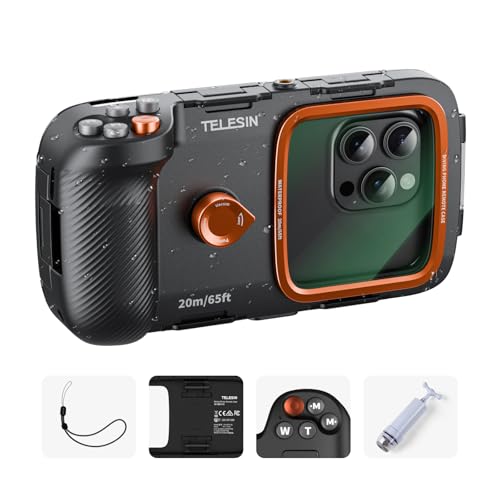

Plan your full Spain trip:
- Choose your island, best islands in Spain to visit.
- Find swim-warm beaches, best beaches in Spain.
- Costa Brava and northern dive bases, places to visit in northern Spain.
- Compare months for water temperature, our best time to visit Spain guide.
1. Medes Islands (Costa Brava)
The Medes Islands marine reserve sits 1 kilometer off L’Estartit on the Costa Brava and is the Mediterranean’s headline dive site north of Barcelona, with seven small islets surrounded by protected waters that have not been fished commercially since 1983. The biomass shows: groupers up to 30 kilograms, dense schools of barracuda, conger eels in the rock crevices, and the famous “La Vaca” cave system where dive lights pick up red coral and lobsters.
Permits are required and managed through licensed dive centers like Calypso Diving L’Estartit (two-tank boat dive around 75 euros, gear rental extra). Best months are May through October, with water temperatures 15 to 24 degrees Celsius (59 to 75 Fahrenheit), warmest in August and September. Pro tip: book the late afternoon second dive at the Carall Bernat pinnacle for the fish-cloud feeding-time scene at golden hour. Pair with a stay at Hotel Les Illes directly on L’Estartit’s harbor and dinner at the Restaurante Bahia for fresh anchovies and Empordà rosé.
2. Cabo de Palos / Islas Hormigas (Murcia)
Cabo de Palos and the adjacent Islas Hormigas marine reserve in Murcia hold Spain’s best wreck diving outside the Canaries, with the Naranjito (a 1946 Italian cargo ship sunk by a torpedo, sitting in 25 to 45 meters), the Sirius (a 1907 steamship at 28 meters), and the SS Stanfield (40 meters, technical only). The submerged seamounts of the Hormigas islets attract huge schools of barracuda, dentex, and amberjack year-round.
Dives book through Islas Hormigas Dive Center (two-tank boat dive around 80 to 90 euros). Peak season is June through October, water 18 to 26 degrees Celsius (64 to 79 Fahrenheit). Advanced certification (AOWD) is required for the deeper wrecks; the shallower Bajo de Fuera reef accepts open-water divers. Quick hack: stay at La Manga Club Resort 15 minutes from the dock and time the trip with the Bajo de la Testa pinnacle on a still summer morning for the best visibility (30+ meters). Round out the trip with seafood arroces at Restaurante La Tana in Cabo de Palos village afterwards.
3. Cabrera Archipelago (Mallorca)
The Cabrera Archipelago National Park 17 kilometers south of Mallorca offers some of the Mediterranean’s clearest diving, with Posidonia seagrass meadows, sea caves (Cova Blava is the headline cavern dive with shafts of blue light), and a near-total absence of fishing pressure. Visibility regularly exceeds 30 meters in summer, and the seagrass beds shelter octopus, John Dory, and the rare Mediterranean monk seal (occasional sightings).
Dives require a permit and a licensed operator (Skualo Adventure in Colonia de Sant Jordi runs day trips around 130 euros for two dives plus permits and lunch). Best months are May through October; water 18 to 25 degrees Celsius (64 to 77 Fahrenheit). Pro tip: book the overnight Cabrera dive trip with the basic on-island dorm (around 200 euros for the package), allowing 3 dives and night-sky stargazing with no other tourists on the island. Pair with a beach day at Es Trenc on Mallorca’s south coast on your return. Stay at Iberostar Selection Cala Blanca.
4. Sa Gleda Cave (Mallorca)
Sa Gleda is Europe’s longest underwater cave at 13.5 kilometers of mapped passages, a freshwater cenote-style system on Mallorca’s east coast near Manacor that’s reserved for full cave-certified technical divers only (no recreational dives, no AOWD-only entry, no exceptions). The crystal-clear freshwater visibility, the limestone stalactites and stalagmites preserved from when the cave was dry, and the eerie scale make it one of cave diving’s bucket-list sites globally.
Cave certification (TDI Cave Diver or equivalent) is required, and dives book through specialist operators like Buceo Mallorca Tech Diving (around 250 to 350 euros for guided dives). Open anytime, the cave temperature stays a constant 19 degrees Celsius (66 Fahrenheit). Local trick: if you’re not cave-certified, book the cave-diver training course in Mallorca and dedicate a week to step up your qualifications. Pair the trip with a stay in the east coast village of Porto Cristo and a recovery day at Cala Varques beach.
5. El Hierro / La Restinga (Canaries)
El Hierro is the smallest and westernmost Canary Island and the Atlantic biodiversity hotspot of Spain, with La Restinga marine reserve hosting cold and warm currents that bring whale sharks (rare but recorded), manta rays, hammerhead schools, and dense groupings of tuna and barracuda. The volcanic underwater landscape is dramatic, with lava arches, walls dropping to 50+ meters, and the famous “Mar de las Calmas” calm-water zone protected from Atlantic swell.
Dives book through Buceo La Restinga (two-tank boat 80 euros). Plan to come April through November, water 19 to 24 degrees Celsius (66 to 75 Fahrenheit). Reach El Hierro by 25-minute flight or 2.5-hour ferry from Tenerife. Worth knowing: time the trip for September or October when the underwater visibility peaks and migrating pelagics are most likely; stay at Hotel Punta Grande, claimed as the world’s smallest hotel (4 rooms) and perched on a volcanic point. Add a hike around the island’s rim for Atlantic sunset views.
6. Lanzarote / Puerto del Carmen (Canaries)
Puerto del Carmen on Lanzarote is the Canaries’ shore-diving capital, with a series of accessible volcanic-rock dive sites you can walk into directly from town (or boat-access for the deeper ones), making it ideal for beginners, refresher divers, and dive families with mixed certifications. The famous Cathedral cavern (a giant chamber at 30 meters) and the Blue Hole offer dramatic dives, while shallower sites like the Old Pier and Playa Chica work for open-water training.
Dives book through Manta Diving Lanzarote (single dive 35 euros, two-tank 60 euros). Open anytime, water 19 to 23 degrees Celsius (66 to 73 Fahrenheit) year-round. Local trick: combine Puerto del Carmen shore diving with a day-trip boat dive to the Museo Atlántico (Europe’s only underwater sculpture park, at 12 to 15 meters off Playa Blanca) for the unique art-meets-marine-life experience. Book Princesa Yaiza Suite Hotel in Playa Blanca or directly in Puerto del Carmen for walking access to dive shops.
7. Gran Canaria / El Cabrón Marine Reserve (Canaries)
The El Cabrón Marine Reserve on Gran Canaria’s east coast is a 1986-protected zone with shore-access dives directly from the rocky cliffs near Arinaga, dropping into a labyrinth of volcanic arches, tunnels, and walls. The shoreline-protection means the marine life has rebuilt remarkably: schooling barracuda, stingrays patrolling the sandy patches, octopus in the boulder fields, and occasional angel sharks (a Canaries specialty) in winter months.
Dives book through Davy Jones Diving (shore dive 35 euros, two-tank 65 euros). Plan to come anytime, water 19 to 23 degrees Celsius (66 to 73 Fahrenheit). The drive from Las Palmas takes 35 minutes south to the Playa de Arinaga access point. Worth knowing: book the Angel Shark Walk dive in January or February when the rays-and-sharks shoreline density peaks (Gran Canaria is one of the world’s last reliable angel shark sites). Tag on a hike up Roque Nublo on a non-diving day. Stay at Hotel Cordial Mogan Playa on Gran Canaria’s south coast.
8. Tenerife / Costa Adeje (Canaries)
Costa Adeje on Tenerife’s southwest coast is the easiest-access Canaries diving for non-specialists, with sandy bottoms, drop-offs to 25 meters, and a high probability of bullray, angel shark (winter), and turtle sightings on standard dives. The volcanic-pillow lava formations off Las Eras and the Yellow Mountain wall make for striking topography even on beginner dives.
Dives book through Diving Tenerife or Atlantik Dive Center (shore dive 30 to 40 euros, two-tank boat 65 to 75 euros). The site runs anytime, water 19 to 24 degrees Celsius (66 to 75 Fahrenheit). Insider tip: book a “discover scuba” combo trip with a snorkel-with-turtles morning at El Puertito (free shore access), then a guided refresher dive at Las Eras in the afternoon for divers reactivating after a long break. Book Hard Rock Hotel Tenerife or Royal Hideaway Corales Beach for direct dive-shop access. Add a sunset Mount Teide trip.
9. Costa del Sol / La Herradura (Granada)
La Herradura on Granada province’s Costa Tropical is the Spanish mainland’s best dive site outside Catalonia and Murcia, with the protected Maro-Cerro Gordo Natural Area’s underwater cliffs, caves, and the rare seahorse populations that make it a macro-photography destination. The shoreline drops fast to 30+ meters, and the small fishing town’s chiringuitos and Mediterranean-meets-Sierra Nevada views above water match the depths below.
Dives book through Buceo La Herradura (shore dive 35 euros, two-tank boat 65 euros). The window for visits is May through October, water 17 to 24 degrees Celsius (63 to 75 Fahrenheit). The drive from Granada takes 1 hour 15 minutes south; from Málaga 1 hour east. Smart move: dive the Punta de la Mona cliff wall on a calm morning for the best 20+ meter visibility and the seahorse hotspots in the kelp around 12 meters. Stack with a Granada night and Alhambra visit the next day. Stay at Hotel Almuñécar Playa Spa Hotel just up the coast.
10. Cies Islands (Galicia)
The Cíes Islands are Atlantic-fed and cold-water by Spanish standards, but they reward divers with surprise visibility (often 15 to 20 meters in summer), Atlantic species not found in the Mediterranean (pollock, ling, large lobsters), and a strict protection regime as part of the Atlantic Islands National Park that has kept the underwater landscape pristine. The wreck of the Pollux at 30 meters off Cíes is a less-visited highlight.
Dives book through Galiwave Vigo (two-tank boat day around 120 euros including permits). Best months are July through September, water 14 to 19 degrees Celsius (57 to 66 Fahrenheit). The park requires daily visitor permits booked through xunta.gal. Pro tip: do the Cíes dive trip on a flat-sea forecast day and combine it with the above-water Cíes beach hike (Praia de Rodas is on the same island), turning the trip into a half-and-half day of diving and Atlantic-beach swimming. Stay in Vigo’s Casco Vello and eat seafood at Restaurante Casa Vella.
11. Cap de Creus (Catalonia)
Cap de Creus on the Costa Brava’s northeastern tip is the wall-and-cave Mediterranean dive site, where the Pyrenees meet the sea in a chaos of rocky points, submerged pinnacles, and weather-exposed drop-offs that demand advanced certification and good conditions. The protected marine reserve hosts dense red coral colonies, giant scorpionfish, and the occasional sunfish in summer. The above-water Cap de Creus Natural Park looks like a Dalí painting (and inspired the artist who lived in nearby Cadaqués).
Dives book through Diving Center Cap de Creus in Cadaqués or Roses (two-tank boat 90 euros). Open June through October, water 18 to 24 degrees Celsius (64 to 75 Fahrenheit). Local trick: confirm sea state the morning of, the Tramontana wind can shut Cap de Creus dives down with little warning; have a backup at Roses or Estartit if needed. Stay in Cadaqués at Hotel Tramuntana and eat dinner at Compartir for one of Catalonia’s best post-dive meals.
12. Formentera Marine Reserve (Balearics)
Formentera’s Es Freus Marine Reserve covers the channel between Ibiza and Formentera and the southern Formentera coast, with shallow Posidonia seagrass meadows (a UNESCO-protected feature), sandy bottoms, and rocky outcrops that make it ideal for beginner and refresher divers. Visibility is regularly 25 to 30 meters and the sandy bottoms create the white-and-turquoise color palette that makes Formentera famous above water.
Dives book through Vellmari Formentera Dive Center (shore dive 35 euros, two-tank boat 75 euros). Plan to come May through October, water 19 to 26 degrees Celsius (66 to 79 Fahrenheit). Reach Formentera by 25-minute ferry from Ibiza La Savina. Worth knowing: combine the morning dive at La Pedrera (a shallow pinnacle teeming with bream and damselfish) with an afternoon at Ses Illetes beach for the dive-and-swim combo that defines a Formentera day. Book Hostal La Savina on the harbor and eat dinner at Beso Beach.
How to Choose Your Spain Dive Region
Spain three main dive regions deliver very different experiences. Use these themes to pick the right region for your trip:
Mediterranean Spain (Costa Brava, Cabo de Palos, Mallorca)
Best for warm-water summer diving (22 to 26 degrees Celsius May to October), short flight times from European cities, and well-developed dive infrastructure. Pairs well with city sightseeing in Barcelona or Murcia.
Canary Islands (Tenerife, Lanzarote, El Hierro, Gran Canaria)
Best for year-round diving with consistent 20 to 23 degree water, volcanic underwater landscapes, and the most advanced dive sites in Spain. Pairs well with island hopping or winter beach trips.
Atlantic North (Cies Islands, Asturias)
Best for cold-water adventurous divers willing to wear thicker wetsuits in exchange for surprise visibility and unique Atlantic species. Pairs well with Galicia food trips and the Camino de Santiago.
Best Season for Diving in Spain
Dive season varies by region. Match your travel month to the right coast:
Mediterranean Coast (Costa Brava, Cabo de Palos, Balearic Islands)
May through October. Peak water temperature is August at 24 to 26 degrees Celsius. May and October offer thinner crowds and 20 to 22 degree water (3mm wetsuit recommended).
Atlantic North (Galicia, Asturias)
July and August only. Water reaches 16 to 18 degrees, manageable with a 5mm wetsuit. Strong currents and weather windows mean booking flexibility helps.
Canary Islands (All 4 main islands)
Year-round. December to March water sits at 19 to 20 degrees (5mm wetsuit comfort), April to November rises to 21 to 23 (3mm). Trade winds keep surface conditions stable.
Spain Diving Certifications and Logistics
Practical details for booking your Spain dive trip vary by region and operator. The major logistics to know:
Required Certifications
Most Spain dive sites accept PADI Open Water (or equivalent SSI, BSAC, CMAS) certification for depths up to 18 meters. Advanced Open Water unlocks the Cabo de Palos wrecks and Cap de Creus walls. Try-dive sessions for non-certified visitors are available in Tenerife, Lanzarote, and Mallorca with no prior experience required.
Dive Center Booking Lead Time
Medes Islands: 2 to 3 weeks ahead in July and August, same-week in May or October. Cabo de Palos and Canary Islands: 1 week ahead in summer, walk-up in low season. Cap de Creus and El Hierro: 2 to 4 weeks ahead for the smaller operators with limited group sizes.
Equipment Rental and Costs
Full rental (BCD, regulator, wetsuit, mask, fins) runs 20 to 30 euros per day at most Spain dive centers. Single-tank boat dives cost 35 to 50 euros, two-tank packages 60 to 90 euros, multi-day packages with 6 to 10 dives 250 to 450 euros. Open Water certification courses run 350 to 500 euros over 3 to 4 days including equipment and certification fees.
Pack and prep for diving Spain.
The Ultimate Europe Trip Planner includes a packing module for warm- and cold-water dive gear, Medes Islands permit booking timing, and a budget tracker for dive packages plus accommodation. Limited time, save $10 today (originally $27).
Diving in Spain Travel Tips
Always book Medes Islands diving 2 to 3 weeks ahead in July and August; permits are limited. Bring your certification card and logbook (most dive centers require both). Water temperatures in May and October require a 3mm wetsuit minimum on the mainland Mediterranean; July and August allow a 2mm shorty for short dives. For the full official directory of Spanish marine reserves and dive operators by region, the official Spain diving guide publishes regional updates. Advanced divers should plan around current windows; check the dive center forecast tool the morning of any Cap de Creus or Islas Hormigas dive.
Read also: surfing in Spain, adventure sports in Spain, Spain’s national parks, best tapas bars in Barcelona.
Frequently Asked Questions
Is Spain good for scuba diving?
Yes. Spain is one of Europe top dive destinations with three distinct regions: the warm Mediterranean (Costa Brava, Cabo de Palos, Balearics), year-round Canary Islands, and adventurous Atlantic north. Marine reserves protect over 60 dive sites across the country.
When is the best time to dive in Spain?
May to October for mainland Mediterranean diving (water 18 to 26 degrees Celsius), year-round for the Canary Islands (consistent 20 to 23 degrees). Atlantic north dives best July and August only.
Do I need a permit to dive the Medes Islands?
Yes, but it is handled through licensed dive centers like Calypso or Unisub in L’Estartit. Book 2 to 3 weeks ahead in July and August. Daily quotas are 450 divers across the marine reserve.
Can beginners dive in Spain?
Yes. Beginner-friendly try-dive sites include Tenerife Costa Adeje, Lanzarote Playa Chica, Gran Canaria Pasito Blanco, and Mallorca Cala Mondrago. All offer open-water certification courses in 3 to 4 days.
How cold is the water for diving in Spain?
Mediterranean Spain ranges 14 to 26 degrees Celsius across the year (warmest August). Canary Islands stay 19 to 23 year-round. Atlantic north varies 13 to 18 degrees, coldest December to March.
Key Takeaways
- Spain has 12 world-class dive sites across the Mediterranean, Atlantic, and Canary Islands.
- Medes Islands (Costa Brava) and Cabo de Palos (Murcia) are the mainland headlines.
- Canary Islands offer year-round diving with 20 to 23 degree water.
- Beginner sites in Tenerife and Mallorca run try-dive packages without certification.
- Book Medes Islands 2 to 3 weeks ahead in summer; permits are limited.
Final Thoughts
Diving in Spain rewards travelers who treat it as a multi-region trip. Pair Costa Brava with Barcelona, Cabo de Palos with Murcia food, or El Hierro with a longer Canary Islands island-hop. Get your certification at one of the easier mainland or Canary Islands centers, then graduate to Cap de Creus or the Cabo de Palos wrecks once your dive count climbs. Book the marine-reserve days early, bring your logbook, and Spain delivers some of the best underwater hours in Europe.