Quick Answer: Spain adventure sports cover canyoning in the Sierra de Guara, white-water rafting on the Noguera Pallaresa, kitesurfing in Tarifa, rock climbing at El Chorro and Margalef, paragliding in the Pyrenees, via ferrata across multiple ranges, and ski touring in the Sierra Nevada and Pyrenees. Best months are May to October for most activities; ski touring runs December to April. Hiking belongs in our separate hiking guide.
Spain adventure sports scene is one of Europe most varied. The Sierra de Guara in Aragon is the canyoning capital of southern Europe, Tarifa is the kitesurfing world headquarters thanks to the Strait of Gibraltar winds, the Noguera Pallaresa river in Catalonia delivers Spain best white-water rafting, and El Chorro near Malaga is one of the worlds top rock-climbing destinations. The 12 activities below skip hiking entirely (covered in its own guide) and focus on the high-adrenaline experiences worth booking a trip around.
A practical note on adventure sports in Spain: most operators require basic fitness and proper certification for advanced activities. Canyoning, rafting, and via ferrata all run guided commercial trips for beginners with full equipment. Rock climbing and ski touring expect intermediate-to-advanced skill or hire a guide. The site runs May, June, September, and October for warm-weather activities; winter sports (ski touring, ice climbing) run December through April with the Pyrenees and Sierra Nevada offering the most reliable snow.
Planning a Spain adventure trip?
The Ultimate Europe Trip Planner routes you through Sierra de Guara canyoning, Pyrenees rafting, Tarifa kitesurfing, and El Chorro climbing with operator comparisons and gear lists. Limited time, save $10 today (originally $27).
Best Hotels for Adventure Sports in Spain
Hotels close to the major adventure-sport hubs across mainland Spain.
- Hotel Aliana (Sierra de Guara, Aragon), the classic canyoning base in Alquezar village.
- Hotel Marqués de Sales (Sort, Catalan Pyrenees), rafting base on the Noguera Pallaresa.
- Copacabana Hotel Tarifa, walking distance to the Tarifa kitesurfing beaches.
- La Garganta del Chorro (El Chorro, Malaga), climbing-focused hotel at the gates of Caminito del Rey gorge.
- Parador de Sierra Nevada (Granada), ski-touring base at 2,500m elevation.
Top Tours for Adventure Sports in Spain
- Sierra de Guara Canyoning Half-Day from Alquezar, the classic Aragon canyoning experience.
- Noguera Pallaresa Rafting from Sort, Class III-IV white-water rafting with all equipment.
- Tarifa Kitesurfing Beginner Course (3-day), includes equipment, instruction, and accommodation.
- El Chorro Climbing Day with Guide, multi-pitch sport routes near Caminito del Rey.
- Pyrenees Paragliding Tandem Flight from Castejón de Sos, 20-minute scenic flight with certified pilot.
Recommended Travel Essentials for Adventure Sports in Spain
These five travel essentials cover the gear adventure sports travelers need beyond what operators rent.
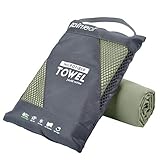
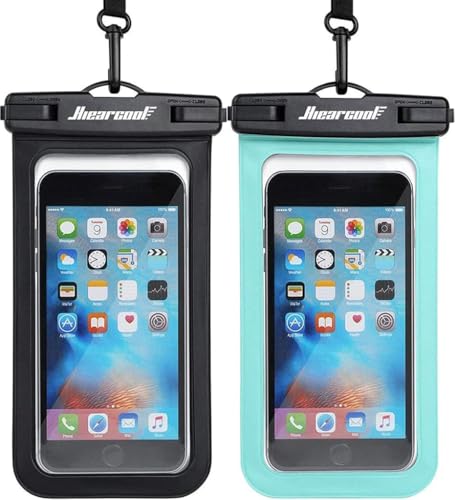
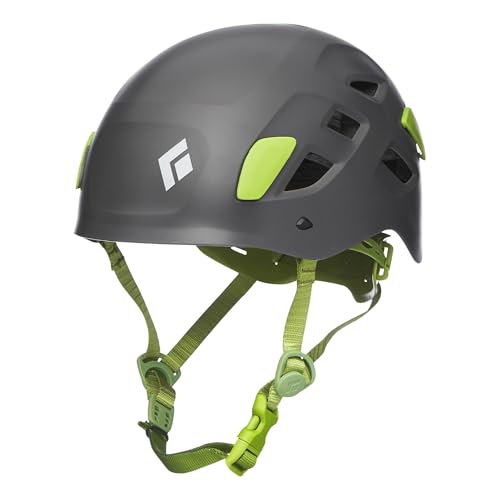
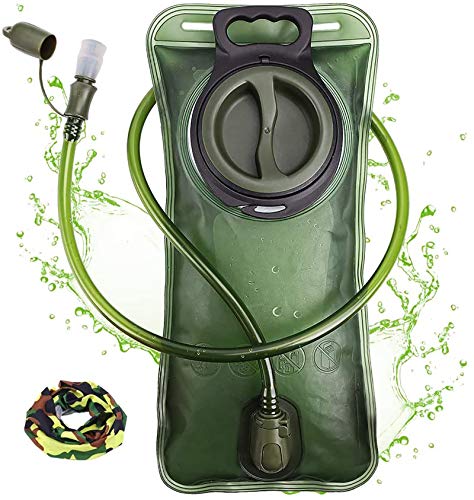


Plan your full Spain trip:
- For hiking specifically, see hiking in Spain.
- Northern Spain adventure bases, places to visit in northern Spain.
- Mountain parks plus adventure pairing, Spain national parks.
- Best months for warm-weather activities, our best time to visit Spain guide.
1. Canyoning in Sierra de Guara (Aragon)
Sierra de Guara in the Aragón Pyrenees foothills is Europe’s canyoning capital, with over 80 known canyons ranging from beginner-friendly (Barranco de Formiga, half-day, no rappels) to expert technical (Mascún Superior, full-day, 40+ meter abseils). The signature route is the Barranco de Berrós, a 4 to 5 hour descent through emerald-water pools, smooth limestone slides, and waterfall jumps up to 10 meters.
Open June through September; water temperatures 12 to 18 degrees Celsius (54 to 64 Fahrenheit) and a 3mm wetsuit is mandatory. Guided trips through Compañía de Guías de Aragón or Aragón Aventura cost 65 to 95 euros per person for full-day beginner canyons, 130 to 180 euros for technical day-long routes. Pro tip: stay in the village of Alquézar (a 16th-century clifftop white village) at Hotel Maribel or Hostal Narbona, both 5 minutes from the canyon trailheads. Pair with a Loarre Castle visit 45 minutes south and a Ordesa hiking day to the north.
2. White-Water Rafting on the Noguera Pallaresa (Catalonia)
The Noguera Pallaresa river in Lleida province is Spain’s most consistent whitewater rafting destination, with class III and IV rapids cutting through the Pyrenees from the Pallars Sobirà valley toward the Mediterranean. The classic 15-kilometer run from Llavorsí to Rialp takes 2 to 2.5 hours on the water with two beach stops; the longer 20-kilometer run extends to Ainsa for the full-day version.
Peak season is April through July (snowmelt season for biggest flows), with September a second-window for warmer water but smaller volume. Trips with RocRoi or Yeti Emotions cost 45 to 65 euros for the short Llavorsí run, 80 to 110 euros for the full-day. Insider tip: combine rafting with kayaking, canyoning, or via ferrata into a 3-day adventure-sports package (RocRoi offers packages from 250 to 450 euros). Stay at Hotel El Privilegio in Llavorsí or Casa Esteve in Rialp. Eat dinner at the riverside Casa Bringué in Llavorsí for hearty Catalan-mountain dishes.
3. Kitesurfing in Tarifa (Cadiz)
El Chorro near Málaga combines the famous Caminito del Rey cliff walk with multiple via ferrata routes on the surrounding limestone walls, ranging from beginner-friendly K1 grade (the Vía Ferrata de Atalaya, 2 hours) to expert K5 (Vía Ferrata Tajos de la Sambra, 5 hours with overhang sections). The combination of the gorge, the boardwalks, and the via ferrata routes makes El Chorro one of Spain’s most concentrated adventure destinations.
The window for visits is March through May and October through November; summer too hot on south-facing walls. Guided via ferrata trips with El Caminito del Rey Aventura cost 65 to 95 euros for half-day beginner routes, 120 to 170 euros for full-day technical. Local trick: book the Caminito del Rey walk and a via ferrata in the same trip (different days) for the full El Chorro experience. Base yourself at Hotel La Garganta in El Chorro village or Hotel TRH Mijas as a coastal base. Combine with a Ronda day trip 50 minutes west.
4. Rock Climbing at El Chorro (Malaga)
El Chorro is Spain’s leading sport-climbing destination, with more than 800 bolted routes across multiple sectors (Frontales, Makinodromo, Las Encantadas) ranging from beginner grades (4a to 5c) to expert (8b+ to 9a). The Andalusian limestone delivers single-pitch and multi-pitch options, mostly south-facing for winter climbing, with some shaded north-facing sectors for summer.
Plan to come October through April; summer heat makes south-facing walls unbearable from noon onwards. Guided trips with El Caminito del Rey Aventura cost 65 to 95 euros for beginner half-day with gear; equipment rental at climbing shops in the village 15 to 25 euros a day. Quick hack: stay at the Olive Branch (the climbers’ guesthouse run by British climbers, 30 to 50 euros a night) for shared knowledge of the best sectors for the day’s weather. Pair with a Caminito del Rey walk on a rest day and a Ronda or Antequera trip. Grab dinner at Bar Isabel in the El Chorro train station.
5. Rock Climbing at Margalef (Tarragona)
Tarifa is Europe’s kitesurfing capital, with year-round wind funneled through the Strait of Gibraltar at 15 to 35 knots, the 8-kilometer Atlantic beach of Los Lances offering flat-water and waves, and dozens of schools and rental shops handling everything from beginner courses to expert downwinders. The Levante and Poniente winds alternate throughout summer.
Best months are April through October; the wind is most consistent in summer but the water peaks at 22 degrees Celsius (72 Fahrenheit) in August. Beginner courses with Free Your Mind Tarifa or KTS Tarifa cost 200 to 350 euros for 6 to 9 hours over 3 days; equipment rental for certified kiters 90 to 130 euros a day. Smart move: book a sunset session at Valdevaqueros beach (5 kilometers north of Tarifa) for the windiest reliable spot and the dramatic Strait views with Morocco’s Rif mountains across. Book 100% Fun Hotel (the kitesurf-resort base) or Hotel Misiana in Tarifa old town.
6. Paragliding in the Pyrenees (Castejón de Sos)
Castejón de Sos in the Aragón Pyrenees is Spain’s paragliding capital, with thermals that take pilots from 1,600 to 3,000+ meters in good summer conditions and a 50-year history of competitive paragliding (the village hosts the annual Spanish Open). The Sierra Nevada near Granada offers the alternative high-mountain venue with the Mediterranean visible from the launch sites on clear days.
The site runs May through September for the strongest thermals. Tandem paragliding flights with Pyrineos Aventura (Castejón) or Paragliding Granada cost 90 to 130 euros for 20 to 40 minute flights; full pilot certification courses 1,200 to 1,800 euros over 2 to 3 weeks. Worth knowing: book the morning slot (9 to 11am) before the thermals get violent, the smoother flight is better for first-timers and the photos clearer. Sleep at Hotel Plaza in Castejón de Sos or Lodge Sierra Nevada near the Granada launch. Add hiking days in the same regions and recovery dinners in Benasque or the Albayzín.
7. Via Ferrata in Catalonia and Andalusia
Sea kayaking around Cap de Creus Natural Park on Costa Brava’s northeastern tip threads through one of the Mediterranean’s most dramatic coastlines, with hidden coves (Cala Jugadora, Cala Culip), arches, sea caves, and the Pyrenees plunging directly into the water. Half-day guided trips from Cadaqués or Llançà cover 5 to 8 kilometers of paddling with stops for swimming and snorkeling.
Open May through October; the Tramontana wind can shut sea kayaking down with little warning, so flexibility on the day matters. Guided half-days with Kayaking Costa Brava cost 55 to 75 euros per person including kayak, equipment, and a snorkel stop; full-day trips 90 to 130 euros. Pro tip: book the sunset trip from Cadaqués (3 hours, 65 to 85 euros) for golden-hour light on the cliffs and a swim at Cala Culip while the day ends; the wind usually drops late afternoon. Lodge at Hotel Llané Petit in Cadaqués and eat dinner at Compartir.
8. Ski Touring in the Sierra Nevada (Granada)
Sierra Nevada near Granada is mainland Europe’s southernmost ski resort, with 110 kilometers of pistes, peaks to 3,300 meters, and the unusual selling point of being 80 kilometers from the Mediterranean (ski-and-beach days). Baqueira Beret in the Catalan Pyrenees is Spain’s largest resort and the Spanish royal family’s chosen ski destination, with 165 kilometers of pistes and more reliable Pyrenean snow.
Peak season is December through April; the highest reliability of snow is January through March. Ski passes run 50 to 70 euros a day in Sierra Nevada, 60 to 85 euros at Baqueira; rental gear 25 to 45 euros a day. Insider tip: combine a Sierra Nevada ski morning with a Granada Alhambra and Albayzín afternoon for the unique mountains-and-Moorish-monuments day; Baqueira is better paired with the Aran Valley’s stone-built villages and Romanesque churches. Stay at the Parador de Sierra Nevada or Hotel Val de Ruda in Baqueira.
9. Mountain Biking in the Pyrenees (Catalonia)
Coasteering (the combination of cliff walking, jumping, swimming, and snorkeling along a rocky coast) along Asturias’ northern coast in places like Llanes and Cudillero delivers the Atlantic version of Mediterranean canyoning, with cliff jumps from 3 to 8 meters, cave swims, and rock scrambles along sea cliffs and through tidal pools. The cold Atlantic water (14 to 19 degrees Celsius / 57 to 66 Fahrenheit) and the wild north-coast scenery distinguish the experience from southern alternatives.
The window for visits is June through September. Half-day guided trips with operators like Asturias Naturalmente or Acciazul cost 45 to 65 euros per person with wetsuit, helmet, and snorkel; full-day adventure-package combos with cave walking 80 to 130 euros. Local trick: book in Llanes for the better cliff jumps and the more dramatic coastline than the Cudillero option; the trip often includes a stop at the cubes-of-memory installation by Basque artist Ibarrola. Base yourself at Hotel Don Paco in Llanes. Try fabada and Asturian cider at any of the village sidrerías.
10. Sea Kayaking the Costa Brava
The Cuevas del Drach on Mallorca’s east coast near Porto Cristo offer the family-friendly accessible-cave experience, with 1.2 kilometers of underground walkway, six underground lakes, and a 10-minute classical music concert performed on a small boat on the largest lake (Lake Martel). Hour-long visits with no caving skills needed.
For serious caving, the karst caves of Asturias and Cantabria (especially the Pozalagua and El Soplao caves) offer guided “active caving” trips with helmets, headlamps, and rope-assisted descents into less-developed sections. Best months for Drach are anytime (constant interior temperature); active caving trips run April through October. Drach tickets 17 euros; active caving day trips 60 to 130 euros. Quick hack: book the morning Drach session to avoid the cruise-ship tour buses that arrive after 11am, then drive 20 minutes south to swim at Cala Romántica. For Asturian caving, stay near El Soplao (Hotel del Oso or rural casas).
11. Canyoning at La Hermida (Cantabria)
Skydive Empuriabrava is one of Europe’s biggest drop zones, with year-round operations from the Empuriabrava aerodrome on the Costa Brava 90 minutes north of Barcelona. Tandem jumps from 3,500 to 4,300 meters give 45 to 60 second freefalls with views over the Costa Brava coast, the Pyrenees rising to the north, and the Cap de Creus peninsula stretching east into the Mediterranean.
Plan to come May through October for the most reliable flight weather; the drop zone operates year-round with stronger weather cancellations October through March. Tandem jumps cost 290 to 380 euros with video and photo packages 100 to 160 euros extra. Smart move: book the early-morning slot (9 to 10am) for the smoothest air and the best photo light; the afternoon thermal turbulence can make the canopy ride bumpy. Book Hotel Empuriabrava Marina or Hotel Aiguablava on the cliffs an hour south for the boutique option. Round it out with a Cap de Creus walk and a Cadaqués evening.
12. Hot Air Ballooning at Catalunya plus Andalusia
Hot air ballooning over Segovia gives the bird’s-eye view of the Roman aqueduct, the Alcázar castle, and the surrounding Castilian plain with the Sierra de Guadarrama rising to the south. The La Rioja alternative floats over Haro and Briones with the Ebro river and the autumn-tinted vineyards stretching to the Sierra de Cantabria mountains.
Best months are April through October for both destinations; September and October are most photogenic with autumn vineyard colors in La Rioja. Flights with Globos Boreal (Segovia) or Globos Arcoiris (La Rioja) cost 160 to 220 euros per person for 1-hour flights including a post-flight cava breakfast. Worth knowing: book the sunrise flight (typically 6 to 7am liftoff) for the calmest air and the best photo light; the entire experience including transfers, flight, and breakfast runs about 4 hours. Sleep at the Parador de Segovia or Hotel Marqués de Riscal in La Rioja for high-design overnight pairings. Stack with a Segovia roast-pig lunch or a La Rioja bodega tour the same afternoon.
How to Pick Your Spain Adventure Sport
Spain twelve top adventure sports fit different skill levels and travel styles. Match yours to the right activity:
For First-Time Adventurers
Beginner-friendly options include Sierra de Guara canyoning (Barranco de la Peonera route), Tarifa kitesurfing 3-day camps, Pyrenees tandem paragliding, and sea kayaking on the Costa Brava. All have professional operators that handle equipment plus instruction.
For Water-Sport Lovers
Tarifa kitesurfing (year-round wind), Noguera Pallaresa rafting (April to October), Sierra de Guara canyoning (May to September), and Costa Brava sea kayaking (April to October) cover the major water-adventure options.
For Climbers and Vertical Athletes
El Chorro (Malaga) plus Margalef (Tarragona) are world-class climbing destinations. Via ferrata routes across the Pyrenees and Andalusia let intermediate climbers tackle dramatic exposure with less technical demand.
For Winter and Snow Sports
Sierra Nevada (Granada) and the Pyrenees ski resorts (Baqueira-Beret, Cerler, Formigal) deliver lift-served skiing December to April. Ski touring works for advanced backcountry skiers across both ranges.
For Air-Based Adventures
Pyrenees paragliding (Castejón de Sos), Andalusia hot air ballooning (Antequera), and Mallorca tandem skydiving from Manacor airport all run commercial day operations year-round.
For Multi-Sport Adventure Weeks
Sierra de Guara (canyoning plus climbing), Pyrenees Aragon (canyoning plus rafting plus paragliding), and Andalusia Caminito-El Chorro plus Tarifa kitesurfing (climbing plus water sports) all let you stack 2 to 3 activities in 5 to 7 days.
Best Months for Spain Adventure Sports
Spain adventure sports calendar varies by activity. Plan your dates around the right season:
Canyoning and Rafting
May to September. Peak water flow is May to June from spring snowmelt; warmer canyon water is July and August. Avoid early spring when rivers run high and cold.
Kitesurfing in Tarifa
Year-round wind. Peak wind months are April to October. December to February can deliver the biggest swells but water temperatures drop to 14 to 16 degrees Celsius needing thicker wetsuits.
Rock Climbing (El Chorro, Margalef)
October to April for the southern climbing areas. Summer (June to August) is too hot for the south-facing limestone walls. Pyrenees climbing reverses: June to September is peak season.
Ski Touring
December to April with peak conditions in February to March. Sierra Nevada often opens earliest and closes latest thanks to glacier-style high-altitude snow. Pyrenees season runs late November to mid-April most years.
Spain Adventure Sports Operator Logistics
Practical details for booking and joining Spain adventure sport tours:
Booking Lead Times
Canyoning, rafting, paragliding: 1 to 2 weeks ahead in summer; same-week in shoulder season. Kitesurfing 3-day camps in Tarifa: 4 to 6 weeks ahead in summer. Sierra Nevada ski lessons: 2 to 4 weeks ahead in February to March peak. Multi-day climbing trips at El Chorro: 2 to 3 weeks ahead for guided programs.
Safety and Certifications
Spain has strict liability rules for guided adventure operators. Look for FEDME (mountaineering federation) certified guides for climbing and canyoning, FEDAS for diving, and IKO or VDWS certified instructors for kitesurfing. Reputable operators carry minimum 600,000 euros liability insurance per group. Always ask about insurance, group size limits, and weather cancellation policies.
What Operators Provide
Standard adventure-sport packages include all technical gear (wetsuits, helmets, harnesses, life jackets, kayaks or rafts), certified instructor or guide, brief and safety training, and transport from the meeting point. You typically bring your own swimsuit, towel, water, snacks, and proper footwear. Photos and video are often available as paid add-ons.
Pack and prep for Spain adventure trips.
The Ultimate Europe Trip Planner includes a packing module for canyoning, climbing, kitesurfing, and ski touring trips, plus operator comparison sheets and a budget tracker. Limited time, save $10 today (originally $27).
Spain Adventure Sports Travel Tips
Book canyoning, rafting, and paragliding operators 1 to 2 weeks ahead in summer. For the full official directory of Spain adventure-sport operators by region with certifications and safety records, the official Spain active tourism guide publishes regional listings. Always verify operator insurance and certifications (FEDME for hiking guides, FEDAS for diving) before booking. Spain has strict liability rules for guided adventure operators; reputable companies carry minimum 600,000 euros insurance per group.
Read also: surfing in Spain, diving in Spain, best activities in Spain.
Frequently Asked Questions
Is Spain good for adventure sports?
Yes. Spain is one of Europe top adventure-sport destinations with world-class canyoning (Sierra de Guara), kitesurfing (Tarifa), rock climbing (El Chorro, Margalef), and ski touring (Sierra Nevada and Pyrenees).
When is the best time for adventure sports in Spain?
May to October for warm-weather activities (canyoning, rafting, paragliding, sea kayaking). October to April for southern rock climbing. December to April for skiing and ski touring.
Where is the best canyoning in Spain?
Sierra de Guara in Aragon is Spain canyoning capital with over 70 canyons. Other top picks: La Hermida in Cantabria (cooler, easier routes) and the Catalan Pyrenees.
Is Tarifa good for beginner kitesurfing?
Yes. Tarifa has multiple kitesurfing schools running beginner 3-day courses. The Valdevaqueros beach has flatter water perfect for first-timers; advanced kiters head to Los Lances for the bigger swells.
How much do Spain adventure sports cost?
Half-day canyoning: 50 to 90 euros. Rafting day: 50 to 80 euros. Kitesurfing 3-day beginner course: 350 to 500 euros. El Chorro climbing day with guide: 70 to 120 euros. Sierra Nevada ski day pass: 50 to 70 euros.
Key Takeaways
- Spain 12 best adventure sports span canyoning, rafting, kitesurfing, climbing, ski touring, paragliding.
- Sierra de Guara is the canyoning capital of southern Europe.
- Tarifa is the European kitesurfing headquarters thanks to Strait of Gibraltar winds.
- El Chorro and Margalef are world-class sport climbing destinations.
- Best months May to October for most activities; December to April for ski touring.
Final Thoughts
Spain adventure sports rewards travelers willing to pair high-adrenaline activities with the country deep food and city scenes. Build a Sierra de Guara canyoning week with Zaragoza tapas evenings, a Tarifa kitesurfing trip with Costa de la Luz beach lunches, or a Sierra Nevada ski week with Granada Alhambra mornings. Book operators 1 to 2 weeks ahead, verify their certifications, and Spain delivers some of Europe most varied outdoor adventure.