Quick Answer: Surfing in Spain centers on the Atlantic-facing north coast (Basque Country, Cantabria, Asturias, Galicia) and the volcanic Canary Islands, with a softer beginner-friendly south coast in Andalusia. Best season is autumn (September to November) for consistent swell and warm water, with Mundaka legendary left and Lanzarote Famara as the bucket-list spots for advanced and beginner surfers respectively.
Surfing in Spain has quietly become one of Europe top destinations for the sport. The Atlantic-facing north coast picks up consistent year-round swell from low-pressure systems crossing the Bay of Biscay, the Canary Islands deliver year-round 20-degree water with reef-and-beach breaks, and the Basque Country (San Sebastian, Mundaka, Zarautz) sits at the cultural epicenter with surf schools, board shapers, and a dense lineup of beginner-to-advanced waves within a 30km coastline.
A practical note: Spain surf season splits into two windows. September to November is the autumn classic with consistent shoulder-high to overhead waves and water still warm enough for a 3/2 wetsuit. December to March picks up the bigger winter swells but requires a 4/3 wetsuit and booties. The Canary Islands offer year-round surfing with consistent 18 to 22 degree water and shoulder-high consistent swell. Mundaka world-class left-hander needs specific conditions and is NOT a beginner wave despite its fame.
Planning a Spain surf trip?
The Ultimate Europe Trip Planner routes you through Mundaka, Zarautz, Somo, Pantin, El Palmar, and Famara with surf-camp comparisons, wetsuit-temperature charts, and a season-by-coast booking timeline. Limited time, save $10 today (originally $27).
Best Hotels for Surfing in Spain
Five top picks near Spain best surf breaks, all walking distance to surf schools and board rental.
- Hotel Atalaya (Mundaka), classic Basque hotel walking distance to the famous river-mouth left.
- Hotel Karbier (Zarautz), beachfront hotel right on the Zarautz break, perfect Pukas Surf School base.
- Hotel Maria Cristina (San Sebastian), the Belle Epoque grande dame with La Concha and Zarautz surf within 20 minutes.
- Famara Surf House (Lanzarote), beachfront surf-school hostel on Famara peninsula.
- Hotel Convento San Diego (El Palmar, Cadiz), restored convent 5 minutes from El Palmar beach break.
Top Tours for Surfing in Spain
- Pukas Surf School Zarautz (Basque Country), multi-day surf-camp packages with all equipment.
- Famara Surf School (Lanzarote), year-round beginner Atlantic packages with board, wetsuit, and meals.
- Suay Surf Pantin (Galicia), Atlantic surf-camp with consistent autumn swells.
- 9pies Surfhouse El Palmar (Andalusia), beginner-friendly Atlantic Cadiz, includes board, lesson, and lunch.
- Hot Buttered Surf School Somo (Cantabria), the easiest North-coast beach break, ideal for first-time surfers.
Recommended Travel Essentials for Surfing in Spain
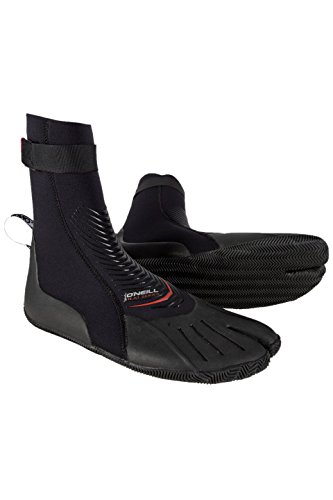
These five travel essentials cover beginner-to-intermediate Spain surf trips across the Basque, Atlantic, and Canary Islands coasts.


Plan your full Spain trip:
- Northern Spain bases, places to visit in northern Spain.
- Choose your Canary Islands base, best islands in Spain.
- Compare best months, our best time to visit Spain guide.
- Visit Cadiz Atlantic coast, our Andalusia itinerary.
1. Mundaka (Basque Country)
Mundaka holds the title of Europe’s best left-hand river-mouth wave and the only Spanish stop ever included on the WSL Championship Tour. The wave breaks at the mouth of the Urdaibai estuary, producing 2 to 4 meter barrels on autumn northwest swells, and is strictly for advanced surfers. The localism is real, the rip is dangerous, and the bottom contour shifts every winter. Beginners should stay 2 kilometers down the coast at Laga or Bakio.
Best months are September through April, with October and November the prime barrel season. Water temperature runs 12 to 19 degrees Celsius (54 to 66 Fahrenheit), so a 4/3mm wetsuit plus booties in winter. Pro tip: do not paddle out unless you’ve checked in with the locals at the Mundaka Surf Shop on the harbor; respect the lineup hierarchy or you will hear about it. Stay at Hotel Atalaya in Mundaka for walking access. Eat dinner at Restaurante Asador Bodegón for the fresh-grilled fish and Txakoli that close every Basque surf day.
2. Zarautz (Basque Country)
Zurriola is San Sebastián’s surf beach, on the east side of the Urumea river opposite La Concha. The 700-meter beach break works year-round with consistent shoulder-to-overhead waves, the lineup mixes locals and traveling surfers from the dozen city surf schools, and the post-surf scene of pintxos bars in the Gros neighborhood is part of the package. Suitable for all levels except the biggest winter swells.
Peak season is September through November and April through June for shoulder-season power and warmer water. The water runs 14 to 21 degrees Celsius (57 to 70 Fahrenheit) across the year. Surf lessons book through Pukas Surf School Zurriola (95 euros for a 2-hour group lesson with board and wetsuit included). Quick hack: surf at dawn for the cleanest peaks and the empty lineup before the surf schools roll in at 10am, then walk into Gros for a coffee and tortilla at La Bombonera. Sleep at Hotel Maria Cristina for old-world glamour or Hotel Niza directly on La Concha bay.
3. Somo (Cantabria)
Zarautz has the longest beach in the Basque Country (2.5 kilometers) and is the official beginner capital, with a sand-bottom break that works on most swells, dozens of surf schools and camps, and a gentler wave profile than Mundaka 20 minutes east. The annual Zarautz Pro is a major step on the European surf calendar, with the surf festival drawing visitors every September.
Plan to come September through November for swell consistency; June through August for warmer water (18 to 21 degrees Celsius / 64 to 70 Fahrenheit) and beginner-friendly conditions. Surf camps run 600 to 900 euros a week with shared house, board, lessons, and meals (Pukas Surf Eskola and Good People Surf both well-regarded). Worth knowing: the western end of the beach near Mollarri rocks tends to hold cleaner waves on south-west winds; the eastern end is fuller on north winds. Stay at Hotel Karbier and eat dinner at Restaurante Karlos Arguiñano (the celebrity-chef hotel-and-restaurant right on the beach).
4. Pantin (Galicia)
Bakio sits 12 kilometers west of Mundaka on the Vizcaya coast and serves as the intermediate alternative for surfers who can’t drop into Mundaka but want better waves than Zarautz. The 1-kilometer beach break works on most swells with multiple peaks, and the adjacent reef breaks (Sopelana on calm days, Bakio Reef on bigger swells) offer steps up for confident intermediates.
The site runs September through May for power; June through August for smaller mellow days. Water temperature 13 to 21 degrees Celsius (55 to 70 Fahrenheit). Insider tip: drive 5 kilometers west to the San Juan de Gaztelugatxe viewpoint (the Game of Thrones Dragonstone island) on a non-surfing morning, then time the surf for the afternoon high tide; the parking at the beach fills fast on summer weekends. Book Hotel Itxas-Gane on a cliff above Bakio or the lower-cost Hostal Iberico in the village. Order the local Txakoli wine and chuletón at Restaurante Bizio.
5. Famara (Lanzarote, Canary Islands)
Somo and Loredo form a 5-kilometer beach break on the Cantabrian coast directly across the bay from Santander, reached by a 15-minute ferry from the city center (5 euros each way). The breaks work year-round with consistent A-frame peaks up to 2 meters on autumn swells, and the lineup is more spread out than Zarautz because the beach is so long. Strong currents make a leash and a good wetsuit non-negotiable.
Peak season is September through April for power; May through August for milder days. Water 13 to 20 degrees Celsius (55 to 68 Fahrenheit). Quick hack: take the morning ferry from Santander for the dawn session, then return via Loredo for breakfast at Cocoroco; the Santander-side rentals are pricier than the Somo-side surf shops. Lodge at Hotel Bemon Playa directly on Somo beach or the Hotel Bahía in central Santander for the urban-base option. Eat rabas (calamari) at Bar La Caracola in Santander on the way back.
6. El Quemao (Lanzarote, Canary Islands)
Rodiles is the right-hander Mundaka, a 200-meter peeling right-hand point break at the mouth of the Villaviciosa estuary that is one of Europe’s longest and most consistent quality waves. The wave breaks over a sandy bottom (cleaner than reef but bottom contour still shifts seasonally), and the localism is friendlier than Mundaka but still requires respect and patience. Advanced and confident-intermediate surfers only.
Plan to come September through April; the autumn northwest swells produce the longest rides. Water 13 to 19 degrees Celsius (55 to 66 Fahrenheit). The break is 35 kilometers east of Gijón. Worth knowing: combine Rodiles with a Villaviciosa cider-house visit (Asturias produces 80 percent of Spain’s natural cider) and eat fabada asturiana at Casa Eutimio in the small village of Lastres 20 minutes east. Base yourself at Hotel Palacio de Cutre in Villaviciosa, a 16th-century converted manor 15 minutes from the wave. Pair the surf trip with hiking in the Picos de Europa 90 minutes south.
7. El Palmar (Cadiz, Andalusia)
Pantín on Galicia’s north coast hosts the Pantín Classic Pro every September, a long-running WSL Qualifying Series event and the stamp of Pantín’s place in European surfing. The 700-meter Atlantic beach break produces powerful peaks up to 3 meters on autumn swells, with the surrounding green coastline, sea cliffs, and almost-empty lineups outside contest week giving it a wilder feel than the Basque beaches.
The site runs September through November and April through May for shoulder-season power. Water 12 to 18 degrees Celsius (54 to 64 Fahrenheit). The drive from Santiago de Compostela takes 1 hour 45 minutes north; from A Coruña 1 hour. Insider tip: time the trip with the September Pantín Classic for the festival atmosphere and the chance to watch WSL pros on a beach with maybe 1,000 spectators (vs the 100,000 at major events). Sleep at Hotel Pantín Surf Camp directly behind the beach. Try percebes (Galician barnacles) at Casa Pichón in Cedeira and visit the Cabo Ortegal cliffs on a non-surfing day.
8. La Pared (Fuerteventura, Canary Islands)
Razo is Galicia’s surf-camp capital and the friendly-Atlantic-beach-break alternative to the heavier Pantín 90 minutes north. The 1.5-kilometer beach has multiple peaks, mellow shoulders for beginners, and a relaxed lineup populated mostly by surf-camp groups and a small Galician local crew. The Razo Surf Camp and Surf Camp Galicia (around 500 to 700 euros a week including board, wetsuit, lessons, accommodation, and meals) are the established operators.
Peak season is May through September for warmest water (15 to 19 degrees Celsius / 59 to 66 Fahrenheit) and beginner-friendly waves; autumn swells bigger for intermediates. The drive from A Coruña takes 50 minutes west. Quick hack: book a 5-day camp midweek, swelles are usually more consistent and the lineup quieter than weekends; combine with a day off at the Costa da Morte cliffs and the Cabo Fisterra (the historical “end of the world”). Stay at the camp itself or at Hotel Carballo for a non-camp base. Have seafood at O Forno in Carballo town.
9. Roca Puta (Asturias)
Famara on Lanzarote’s northern coast is the year-round beginner surfing mecca of Europe, with a 6-kilometer beach break, soft sand bottom, consistent waves shoulder-to-overhead, and water temperature that rarely drops below 18 degrees Celsius (64 Fahrenheit). Dozens of surf schools and surf camps operate from the village of Caleta de Famara, with weekly packages including accommodation, lessons, and gear for 500 to 800 euros.
Plan to come anytime, but October through April delivers the best waves (Atlantic swell season) and June through September the most beginner-friendly mellow conditions. Worth knowing: avoid the windward eastern end of the beach (chop and crosswinds) and surf the western end below the village; the volcanic cliff of Famara above the beach turns deep amber at sunset. Book the Famara Bungalows or rent a casa-rural in Caleta de Famara. Pair the surf with a Timanfaya National Park day and a César Manrique architectural tour on rest days.
10. Razo (Galicia)
El Quemao at La Santa on Lanzarote’s northwest coast is the Canary Islands’ Pipeline, a heavy, shallow left-hand reef break that produces hollow 2 to 4 meter barrels on winter Atlantic swells and is strictly for expert surfers with reef and big-wave experience. The break has been called the “European Pipeline” and the localism here is intense; injuries are common; don’t underestimate the wave.
The site runs November through March for the biggest swells. Water 18 to 21 degrees Celsius (64 to 70 Fahrenheit). Insider tip: watch first, surf second; the Quemao Class invitational in February brings the world’s best big-wave surfers to the spot, and even watching from the channel is an education. If you’re not in the league, La Santa has plenty of softer alternatives (Caleta del Caballo, Morro Negro) within 5 minutes. Lodge at Club La Santa for the surf-and-sports-resort base. Grab dinner in Tinajo village at Casa Mara.
11. La Zurriola (San Sebastian)
El Palmar on Cadiz’s Costa de la Luz is southern Spain’s beginner surf capital and a year-round-friendlier alternative to the cold Basque coast. The 4-kilometer Atlantic beach break works on Atlantic swells from October through May, producing gentle waves and a long crumbling shoulder ideal for first-timers and intermediates working on turns. The village is small, the chiringuitos serve fresh fish and Manzanilla sherry, and the surf-school scene is laid-back.
Peak season is October through May for consistent surf; June through September gets flatter but warm water (19 to 22 degrees Celsius / 66 to 72 Fahrenheit) and easy beginner days. Quick hack: combine with a day trip to Bolonia beach 15 kilometers south (white sand, Roman ruins) or a hike around Cabo de Trafalgar for the lighthouse and the historical naval-battle context. Base yourself at Hotel Convento San Diego in El Palmar village. Lessons book through 9 Pies Surf School or Surf Brothers (90 euros for 2-hour group lesson with gear).
12. Playa Las Americas (Tenerife, Canary Islands)
Los Lances Beach in Tarifa is Europe’s wind capital, where the Strait of Gibraltar funnels Levante and Poniente winds across an 8-kilometer Atlantic beach, making it the world’s top kitesurfing and windsurfing destination plus a credible alternative-conditions surf spot when the swell aligns. Tarifa town itself is the surf-wind-bohemian counterpoint to the Costa del Sol resort coast 90 minutes east, with whitewashed buildings, a Moorish castle, and a young international crowd.
Best months for surfing are October through April; the wind blows year-round but May through September is peak kitesurfing. Water 16 to 22 degrees Celsius (61 to 72 Fahrenheit). Surf lessons book through Tarifa Surf Camp; kite lessons through Free Your Mind Tarifa (around 350 euros for a 4-hour beginner course). Worth knowing: do a half-day whale-watching trip with FIRMM Tarifa (35 euros, 3 hours), the Strait holds resident orca pods and pilot whales. Sleep at Hotel Misiana or 100% Fun Hotel directly on the beach.
How to Pick the Right Spain Surf Coast
Spain three surf coasts offer very different experiences. Match your skill level and travel month to the right region:
Basque Country and Cantabria (North Coast)
Best for intermediate-to-advanced surfers seeking consistent autumn-winter swells and a cultural Basque base. Mundaka, Zarautz, Somo, and Sopela all sit within a 1-hour drive of San Sebastian. Cold water requires 4/3 wetsuit October to April.
Galicia and Atlantic Asturias
Best for advanced surfers seeking empty Atlantic lineups. Pantin, Razo, Roca Puta deliver consistent autumn swells with the smallest crowds in mainland Spain. Cold water (14 to 18 degrees Celsius) demands 5/4 wetsuit November to April.
Canary Islands (Year-Round)
Best for beginners (Famara, Las Americas) or winter surf escapes for any level. Year-round 18 to 22 degree water needs only a 3/2 wetsuit. Trade winds keep surface conditions cleaner than the European mainland coasts.
Andalusia (South-West Coast)
Best for beginner-to-intermediate Atlantic Cadiz beach breaks. El Palmar, Conil de la Frontera, Caños de Meca offer warm 19 to 22 degree water April to October, beginner-friendly waves, and proximity to Tarifa for kitesurfing combo trips.
Wetsuit Thickness by Region and Month
Spain wetsuit needs vary dramatically across coasts and months. Use this as a packing baseline:
Basque Country and Cantabria
June to September: 3/2mm or 2mm shorty. October to November: 3/2mm. December to April: 4/3mm with hood and booties for the coldest weeks.
Galicia and Atlantic Asturias
July and August: 3/2mm. September to November: 4/3mm. December to April: 5/4mm with hood, booties, and gloves recommended for January and February.
Canary Islands
April to November: 3/2mm or 2mm shorty. December to March: 3/2mm full or 4/3mm for early-morning sessions. Booties optional but useful for reef breaks like El Quemao.
Andalusia (Cadiz Atlantic)
May to October: 3/2mm or 2mm shorty. November to April: 4/3mm. Water is consistently 1 to 2 degrees warmer than the Basque North coast.
Spain Surf Camp Logistics
Practical details for booking your Spain surf trip vary sharply by region. The major logistics to know before reserving a camp:
Surf Camp vs Independent Travel
Spain surf-camp packages typically include accommodation, breakfast, daily 2-hour lessons, board rental, wetsuit rental, and round-trip airport transfers. Beginner packages run 400 to 700 euros for 5 to 7 days. Independent travel works better for intermediates who want freedom to follow the swell across multiple breaks; budget 50 to 80 euros per day for hostel plus board rental.
Booking Lead Time by Region
Basque Country autumn camps (September to November): book 2 to 3 months ahead. Canary Islands winter escape camps (December to March): book 6 to 8 weeks ahead. Andalusia Cadiz summer camps (June to August): book 1 to 2 months ahead. Famara surf houses in Lanzarote often have wait lists 3 months out for peak winter weeks.
Equipment Rental and Costs
Board rental: 15 to 25 euros per day, weekly rates 70 to 120 euros. Wetsuit rental: 8 to 15 euros per day, weekly rates 35 to 60 euros. Group lesson (2 hours): 30 to 45 euros. Private lesson: 60 to 90 euros. Full beginner package (3 days, 6 hours of lessons, all equipment): 130 to 180 euros at most Spain surf schools.
Pack and prep for surf Spain.
The Ultimate Europe Trip Planner includes a packing module for wetsuit thickness by month, surf-camp gear lists, and a budget tracker that compares Basque vs Canary vs Andalusia packages. Limited time, save $10 today (originally $27).
Surfing in Spain Travel Tips
Book surf-camp packages 2 to 3 months ahead for September and October (Basque autumn peak season) and December to March (Canary Islands winter escape window). For the full Spain official surfing guide with regional beach lists and federation links, the official Spain surfing guide covers federations, surf-camp directories, and seasonal forecasts. Respect the lineup hierarchy at Mundaka, El Quemao, and Roca Puta; localism is real at these reef breaks. Bring your own board for advanced sessions or rent at the surf-camp for beginner-to-intermediate days.
Read also: diving in Spain, adventure sports in Spain, best beaches in Spain.
Frequently Asked Questions
Is Spain good for surfing?
Yes. Spain is one of Europe top surf destinations with three distinct regions: the Basque-Cantabria-Galicia Atlantic north (autumn-winter peak season), the year-round Canary Islands, and the beginner-friendly Andalusia south-west coast. Mundaka and Zarautz are bucket-list waves.
When is the best time to surf in Spain?
September to November is the autumn classic with consistent waves and water still warm enough for a 3/2 wetsuit. December to March picks up the bigger winter swells (4/3 wetsuit needed). Canary Islands offer year-round surfing.
Where is the best surf in Spain for beginners?
Somo (Cantabria), Zarautz (Basque Country), Famara (Lanzarote), Playa Las Americas (Tenerife), and El Palmar (Cadiz) are the top beginner picks. Multiple surf schools at each, with rental boards and lessons starting around 40 euros for a 2-hour session.
Is Mundaka good for beginners?
No. Mundaka is a heavy, fast river-mouth left-hander that is for advanced surfers only despite its fame. Beginners should head to Zarautz, Somo, or Sopela instead in the same Basque-Cantabria region.
What wetsuit do I need to surf in Spain?
Basque-Cantabria: 3/2mm summer, 4/3mm autumn and winter. Galicia: 4/3mm autumn, 5/4mm winter. Canary Islands: 3/2mm year-round. Andalusia Atlantic: 3/2mm summer, 4/3mm winter. Booties useful for reef breaks year-round.
Key Takeaways
- Spain has 12 world-class surf spots across the Atlantic north, Canary Islands, and Andalusia.
- Mundaka is bucket-list but advanced-only; beginners head to Zarautz, Somo, or Famara.
- September to November is autumn-peak season for North coast; Canaries surf year-round.
- Wetsuit needs vary: 3/2 in summer, 4/3 in winter; Canaries 3/2 year-round.
- Book surf-camps 2 to 3 months ahead for peak autumn and winter weeks.
Final Thoughts
Surfing in Spain rewards travelers who match their skill level and dates to the right coast. Beginners should head to Zarautz or Famara, intermediates can extend the trip into the full Basque North coast circuit, and advanced surfers will find their bucket-list waves at Mundaka, El Quemao, or Roca Puta. Book surf-camp packages 2 to 3 months ahead, pack the right wetsuit for your dates, and Spain delivers some of the best wave hours in Europe.