Quick Answer: The best islands in Spain in 2026 split between the Mediterranean Balearics (Mallorca, Ibiza, Menorca, Formentera) and the Atlantic Canaries (Tenerife, Gran Canaria, Lanzarote, Fuerteventura, La Palma, La Gomera, La Graciosa). Add Galicia’s Cies Islands for a hidden Atlantic pick. Balearics are summer-only, Canaries are year-round.
Spain is one of the few countries in Europe where your island options span Mediterranean and Atlantic, summer beach scene and year-round mild weather, party islands and hiking islands, easy-access and remote ferry-only. After multiple trips for Pretty Wild World, the 12 islands below cover the full range and give you a clear idea of which Spanish island fits which kind of trip in 2026.
This guide ranks the best islands in Spain to visit, with notes on best-month-per-island and a clear answer to the classic Balearics-vs-Canaries question. For the wider Spain context, see our top places to visit in Spain overview, and for Mediterranean coast options, our best beach resorts in Spain.
Planning a Spain island trip and unsure whether to pick Balearics or Canaries for 2026?
The Ultimate Europe Trip Planner has Spanish island matchup matrices and trip templates that fit each island to your travel style. Currently just $17 before the price goes up to $27.
Best Hotels on Spain’s Islands
These five hotels each anchor a different Spanish island, so you can pick by where you base. All have strong 2026 reviews and sit in walking distance of the standout sights.
- Belmond La Residencia – cliff-edge boutique in Deia, Mallorca.
- Cap Rocat – Mallorca fortress-converted-to-hotel near Palma.
- Hotel Hacienda Na Xamena – Ibiza cliff-top boutique in the quiet north.
- Royal Hideaway Corales Beach – Tenerife adults-only beach resort.
- Hotel The Fortress – La Gomera mountain hotel inside the laurel forest.
Top Tours for Spain’s Islands
Some of the best island experiences need timed tickets or guided transport. These five are the consistent top picks for first-time island visitors in 2026.
- Mount Teide cable car plus sunset stargazing – Tenerife UNESCO peak.
- Whale and dolphin eco-yacht tour – Tenerife southern coast.
- Serra de Tramuntana day trip – Mallorca UNESCO mountain villages.
- Formentera ferry plus beach day from Ibiza – the quieter Balearic.
- Cies Islands ferry plus beach day from Vigo – Galicia’s protected archipelago.
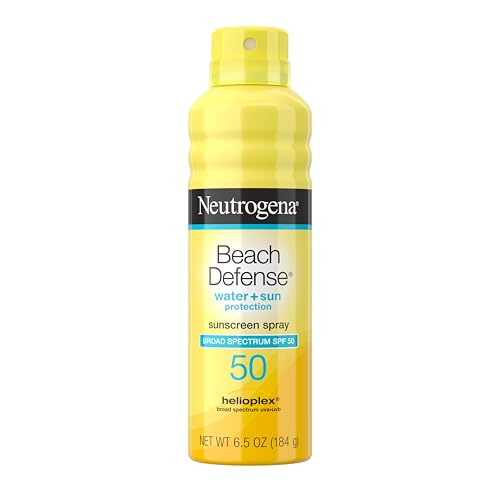
Recommended Travel Essentials for Spanish Islands
Spanish islands mean beaches, sun, salt water, and (on the Canaries) volcanic rocky shores that need real footwear. These five items keep coming on every Spanish island trip.





Recommended blogs to read:
- Best beach resorts in Spain by coast
- Best time to visit Spain month-by-month
- Top things to avoid in Spain
- Best cities in Europe to visit on your next trip
Top 12 Best Islands in Spain
1. Mallorca (Balearics)
Mallorca is the largest of the Balearic Islands and the most-loved by European travelers. Beyond the south-coast resort beaches, the real island is Palma’s Gothic Cathedral and old town, the cliff-edge Serra de Tramuntana mountain range (UNESCO), and small mountain villages like Deia, Soller, and Valldemossa. The east coast (Cala Mondrago, Cala Varques) has some of the best beaches in the Mediterranean. Mallorca rewards a longer stay with a rental car. See more in our Spain bucket list.
Practical tip: stay outside Palma. Deia, Soller, and Pollensa are all great mountain bases. Best month: May, June, September. Avoid August unless you book months ahead.
2. Tenerife (Canaries)
Tenerife is the largest Canary Island and home to Mount Teide, the highest peak in Spain (3,715 meters), a UNESCO World Heritage Site, and one of the best stargazing spots in Europe. Black-sand and golden-sand beaches, traditional north-coast villages (La Orotava, Garachico), and year-round temperatures averaging 22 to 25 °C make Tenerife the obvious winter sun escape from northern Europe. The south is resort country, the north is village country.
Practical tip: rent a car. Stay in Costa Adeje (resorts) or La Orotava (cultural). Visit Mount Teide at sunset for stargazing tours after dark. Year-round destination.
3. Ibiza (Balearics)
Ibiza is the smallest of the main Balearic Islands but the loudest in reputation, with a 30-year history as the world’s most famous nightlife island. Beyond the clubs (Pacha, Amnesia, Ushuaia, DC-10), Ibiza also has the UNESCO-listed Dalt Vila (medieval walled old town), excellent seafood at small fishing villages like Cala d’Hort, and quieter beaches on the north coast (Benirras, Cala Salada). Pair Ibiza with neighboring Formentera (30-minute ferry) for a quieter beach finish.
Practical tip: visit between mid-May and June or in late September for the sweet spot between active club season and quieter coves. Stay in the north (San Joan, Santa Eulalia) for a calmer base. Avoid August unless you specifically want the party scene.
4. Menorca (Balearics)
Menorca is the second-largest Balearic and the most laid-back of the four. UNESCO listed it as a Biosphere Reserve in 1993 (the only Balearic on the list), and the protected status keeps Menorca’s coastline (Cala Mitjana, Cala Macarella, Cala Pregonda) some of the most pristine in Spain. The Cami de Cavalls coastal path (185 km, fully walkable) circles the entire island. Menorca is family-island Spain.
Practical tip: rent a car. Stay near Mahon or Ciutadella (the two main towns). Best months: May, June, September. Walk the Cami de Cavalls in sections.
5. Gran Canaria (Canaries)
Gran Canaria is the third-largest Canary Island and the most-balanced one for travelers who want both resort access and traditional villages. Las Palmas (the capital) is a real working city with the Vegueta old town and Playa de las Canteras (one of the best urban beaches in Europe). The interior is mountainous (Roque Nublo, the iconic Gran Canaria silhouette), the south is dunes-and-resort beach country (Maspalomas), and the north has fishing villages like Agaete with traditional pottery and seafood. For more Spanish coastal options.
Practical tip: stay in Las Palmas for culture or Maspalomas for resort beach. Year-round destination. Visit the Maspalomas dunes at sunrise for empty desert photos.
6. Lanzarote (Canaries)
Lanzarote is the most architecturally distinctive Canary Island, thanks to the work of local artist Cesar Manrique who shaped the entire built environment of the island in the mid-20th century (no buildings over 4 stories, all-white houses, no billboards). Timanfaya National Park (the volcanic Mars-on-Earth terrain), the Jameos del Agua (lava-cave-turned-cultural-center), and the cliff-top Mirador del Rio give Lanzarote a totally different feel from the other Canaries.
Practical tip: visit Timanfaya National Park (geyser demonstrations). Stay in Puerto del Carmen or Costa Teguise. Year-round but windy in winter.
7. Fuerteventura (Canaries)
Fuerteventura is the second-largest Canary Island and the windsurfing/kitesurfing capital of Spain. Long sandy beaches (Sotavento, Cofete), constant trade winds, and the most undeveloped coastline of all the Canaries make Fuerteventura more about active beach days than cultural sites. Corralejo and Costa Calma are the main wind-sport bases. Pair with Lanzarote for a 2-island combo (30-minute ferry between them).
Practical tip: rent a 4×4 to access Cofete beach (the road is rough). Year-round destination but late spring (May-June) is best for kitesurfing conditions.
8. Formentera (Balearics)
Formentera is the smallest of the inhabited Balearic Islands and arguably the prettiest. Almost entirely off the radar of mass tourism, with no airport (ferry only from Ibiza, 30 minutes), turquoise water that rivals the Caribbean, and beaches like Ses Illetes and Playa de Migjorn that consistently rank in the top 10 of Europe. Formentera is the calm Mediterranean alternative to Ibiza’s nightlife. For more remote spots, see our Spain off the beaten path picks.
Practical tip: rent a scooter or bike (the island is 19 km long, perfectly cyclable). Day trips from Ibiza work, but staying overnight is the real Formentera experience. Best months: May-June, September.
9. La Palma (Canaries)
La Palma is the greenest Canary, nicknamed La Isla Bonita (the beautiful island), with the Caldera de Taburiente National Park (a 9-km-wide volcanic cirque), the Roque de los Muchachos observatory (one of the world’s best stargazing sites), and a network of laurel forests and walking trails covering most of the island. La Palma is the hiking-and-stargazing alternative to the bigger party-and-resort Canaries.
Practical tip: rent a car. Stay in Santa Cruz de la Palma. Visit the observatory after dark for stargazing tours. Best months: April-June, September-November.
10. La Gomera (Canaries)
La Gomera is the second-smallest of the main Canary Islands, accessed only by ferry from Tenerife (no airport). The island is famous for the Garajonay National Park (UNESCO laurel forest, like a tropical greenhouse at 1,000 meters elevation), the Silbo Gomero whistled language (still in active use, taught in local schools), and the cliff-top village of Agulo. La Gomera is genuinely under-touristed. For wider northern Spain options, see our regional guide.
Practical tip: take the ferry from Los Cristianos in Tenerife (50 minutes). Stay 2 to 3 nights. Hike the Garajonay laurel forest. Best months: April-June, September-November.
11. Cies Islands (Galicia)
The Cies Islands are an Atlantic archipelago off the coast of Galicia, protected as part of the Atlantic Islands of Galicia National Park. Praia de Rodas (the main beach) was famously called “the world’s best beach” by The Guardian in 2007, and even now in 2026 it remains restricted-access (only 1,800 visitors a day in summer). White sand, turquoise water, and pine forests make it the most surprising “tropical” beach in Europe. The Cies Islands are not Mediterranean or Canary, they are Atlantic Spain.
Practical tip: book the ferry from Vigo, Cangas, or Baiona well in advance for July-August (visitor permits sell out). The islands are day-only or you can camp at the official Cies Islands campsite.
12. La Graciosa (Canaries)
La Graciosa was officially declared the eighth Canary Island in 2018, after centuries as part of Lanzarote administratively. The smallest inhabited Canary, with a population of around 700, no paved roads, and almost no cars (a few authorized 4×4 taxis only). Caleta de Sebo is the main fishing village, and beaches like Las Conchas and Playa Baja are some of the most pristine in the Canaries. La Graciosa is genuinely off-grid Spanish island travel.
Practical tip: take the 25-minute ferry from Orzola in Lanzarote. Rent a bike on arrival. Stay overnight to escape the day-trip crowds. Best months: April-June, September-November.
Spanish Island Travel Tips and Best Time to Visit
The Balearics (Mallorca, Ibiza, Menorca, Formentera) are summer-only by practical standards. Most hotels and restaurants close mid-October to mid-April. Best months: late May, June, September, early October. The Canaries (Tenerife, Gran Canaria, Lanzarote, Fuerteventura, La Palma, La Gomera, La Graciosa) are year-round, with average temperatures of 18 to 25 °C even in January. The Cies Islands are summer-only (May to October) and require advance ferry permits.
For trip planning, cross-reference the Mount Teide UNESCO listing if you want to weight your route around protected places. Most island visits work well as 1-week stays, though Mallorca and Tenerife reward 10 to 14 days for proper exploration. Pair an island week with a city break (Barcelona plus Mallorca, Madrid plus Tenerife) for a full Spain trip.
Trying to map a Spanish island hop without flying through Madrid every leg?
The Ultimate Europe Trip Planner has Spanish island routing matrices that handle inter-island ferries, flight connections, and hotel pacing. Currently just $17 before the price goes up to $27.
Frequently Asked Questions
Which is the best Spanish island to visit?
Mallorca is the most-recommended Spanish island for first-time visitors, with the best mix of cultural sites (Palma, Soller, Valldemossa), mountain hiking (Serra de Tramuntana), and beaches (Cala Mondrago, Cala Varques). For year-round travel, Tenerife is the strongest pick, especially for winter sun escapes from northern Europe.
What is the prettiest island in Spain?
Formentera in the Balearics consistently ranks as the prettiest Spanish island, with turquoise water that rivals the Caribbean and almost entirely undeveloped coastline. La Gomera in the Canaries is a close runner-up, with the Garajonay UNESCO laurel forest and dramatic cliff-top villages.
Which Spanish island has the best beaches?
Formentera (Ses Illetes, Playa de Migjorn) and Menorca (Cala Mitjana, Cala Macarella) have the best Balearic beaches. Fuerteventura (Sotavento, Cofete) has the best long-sand Atlantic beaches. The Cies Islands off Galicia have the most surprising beach (Praia de Rodas, named “world’s best” in 2007 by The Guardian).
Are Balearic or Canary Islands better?
Balearics are better for summer beach holidays, Mediterranean food, and proximity to mainland Spain. Canaries are better for year-round travel, hiking and volcanic terrain, and winter sun escapes from northern Europe. Most travelers do a Balearic trip in summer (June-September) and a Canary trip in winter (November-March).
What is Spain’s hidden island?
La Graciosa (declared an official Canary Island in 2018) is Spain’s most genuinely hidden island, with a population of 700, no paved roads, and almost no cars. Formentera in the Balearics is the smaller hidden alternative, accessed only by ferry from Ibiza. The Cies Islands off Galicia are the hidden Atlantic alternative.
Key Takeaways
- The 12 best islands in Spain split between summer-only Balearics (Mallorca, Ibiza, Menorca, Formentera) and year-round Canaries.
- Mallorca is the best all-rounder; Tenerife the best year-round Canary; Formentera the best hidden Balearic.
- Best Balearics months: late May, June, September, early October. Canaries: year-round.
- The Cies Islands off Galicia are the surprise Atlantic pick. Ferry permits sell out fast in summer.
- La Graciosa, declared an official Canary Island in 2018, is Spain’s most genuinely off-grid island stay.
Final Thoughts
The 12 best islands in Spain in 2026 give you the full range, from Mediterranean party scenes to Atlantic hiking islands, from year-round winter sun to summer-only paradise. Pick by season and by trip style: Balearics for European summer, Canaries for year-round mild weather, Cies Islands for an Atlantic surprise. Save this guide for your trip planning and check our best cities in Europe for the wider European context.