Quick Answer: The best off-the-beaten-path spots in Spain include Caceres, Trujillo, and Merida in Extremadura, Albarracin and Alquezar in Aragon, the Cies Islands in Galicia, the Picos de Europa villages of Bulnes and Sotres, Cabo de Gata Natural Park in Almeria, and Las Alpujarras in Granada. Skip the tourist circuit and find the real Spain.
Spain gets framed as crowded, but the truth is that most of the country is still wonderfully quiet if you know where to look. Beyond the Madrid-Barcelona-Seville triangle, there are entire regions (Extremadura, Aragon, parts of inland Andalusia) that see fewer foreign tourists in a year than Barcelona sees in a single weekend. After multiple road trips for Pretty Wild World, the 15 spots below consistently deliver the off-the-beaten-path Spain in 2026.
This guide pulls together 15 Spain off-the-beaten-path destinations for 2026. The picks lean genuinely under-visited, no Ronda or Frigiliana (those go in our small towns of Spain guide instead). For the wider Spain context, see our top places to visit in Spain overview.
Planning a Spain trip and unsure how to escape the Barcelona-Madrid tourist circuit?
The Ultimate Europe Trip Planner has off-grid Spain road-trip routes that skip the cruise-port crowds and connect the under-visited regions. Currently just $17 before the price goes up to $27.
Best Hotels for Off-the-Beaten-Path Spain
These five hotels each anchor a different under-visited region of Spain, so you can pick by where you want to base. All have strong 2026 reviews and sit close to the standout sights of each region.
- Atrio Restaurante Hotel – Caceres Extremadura, Michelin-starred restaurant plus boutique rooms.
- Parador de Cangas de Onis – Picos de Europa monastery-converted-to-hotel.
- Hospes Maricel – Mallorca quiet-side cliff hotel.
- Hospederia Convento San Francisco – Vejer historic convent boutique.
- Hotel Real Posada de Liena – Aragonese Pyrenees small mountain hotel.
Top Tours for Off-the-Beaten-Path Spain
Some of these regions are tough to reach without local knowledge, so guided day tours are the easiest way in. These five are the consistent top picks for first-time visitors in 2026.
- Merida Roman ruins plus Caceres day trip – the Extremadura combo.
- Lagos de Covadonga tour from Oviedo – Picos de Europa glacial lakes.
- Cies Islands ferry tour from Vigo – Galicia’s protected archipelago.
- Caminito del Rey hike from Malaga – the cliff-edge boardwalk.
- Cabo de Gata Natural Park day trip – Spain’s only desert and protected coast.
Recommended Travel Essentials for Off-Grid Spain
Off-grid Spain means more hiking, more camera-worthy scenery, and weather that can change fast in the Pyrenees and Picos de Europa. These five items keep coming on every Spain road trip.


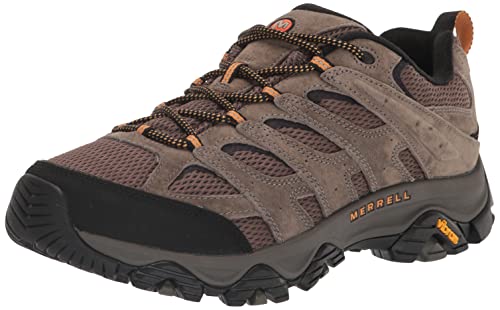
SaleBestseller No. 1



Recommended blogs to read:
- Best time to visit Spain month-by-month
- Top things to avoid in Spain
- Top places to visit in Scandinavia
- Best cities in Europe to visit on your next trip
Top 15 Spain Off-the-Beaten-Path Spots
1. Caceres, Extremadura
Caceres is a UNESCO-listed walled city in western Spain, with one of the most intact medieval old towns in Europe. The Plaza Mayor, the Casa de los Toledo-Moctezuma, and 30 medieval towers anchor the historic center. Caceres is essentially deserted by international tourism standards, fewer than 50,000 visitors a year hit the old town, compared to Toledo’s several million. For wider Spain context, see our Spain bucket list.
Practical tip: drive in (3.5h from Madrid). Stay overnight at Atrio for the Michelin restaurant. Combine with Trujillo and Merida for a 3-day Extremadura loop. Best months: May-June, September-October.
2. Trujillo, Extremadura
Trujillo is a medieval Extremadura hilltop town and the birthplace of the conquistador Francisco Pizarro. The Plaza Mayor (with its 16th-century palaces), the Castle of Trujillo on top of the hill, and the cobbled streets between them give the town a deeply atmospheric character. Trujillo also pairs perfectly with the wider Spanish small-town circuit.
Practical tip: drive in (2.5h from Madrid). Stay one night. Combine with Caceres (45 minutes) for a 2-day medieval Extremadura trip. Best base: Trujillo or Caceres.
3. Merida, Extremadura
Merida holds the most extensive Roman ruins in Spain, listed as a UNESCO World Heritage Site. The Roman Theater (still hosting summer performances), the Amphitheater, the Roman Bridge, the Aqueducto de los Milagros, and the National Museum of Roman Art make Merida the closest thing in Spain to walking through Pompeii. The town itself is small and laid-back, but the ruins are genuinely world-class.
Practical tip: drive in (3h from Madrid or 1h from Caceres). Stay one night to catch the Roman Theater festival in July-August. Visit the National Museum of Roman Art with a guide.
4. Albarracin, Aragon
Albarracin is a pink-stone medieval village in Aragon, perched on a horseshoe bend of the Guadalaviar River, with intact 13th-century walls climbing the surrounding hills. The narrow stepped streets, wooden balconies, and the cathedral and castle in the upper town give it a deeply unusual atmosphere. Spain consistently votes Albarracin one of its most beautiful small towns. See more in our small towns guide.
Practical tip: park outside the village. The streets are too narrow for cars. Stay overnight to see the empty old town at dawn. Drive 4h from Madrid or 3h from Valencia.
5. Alquezar, Aragon
Alquezar is an Aragonese Pyrenees village stacked above the Vero River canyon, with a 9th-century Moorish citadel later converted into the Collegiate Church of Santa Maria. The big draw is the Pasarelas del Vero, a 3 km cliff-edge boardwalk descending into the canyon below the village (free to walk, but check the season , closes November to mid-March). Alquezar also sits in the heart of the Sierra de Guara canyoning region.
Practical tip: drive in (3h from Barcelona or Zaragoza). Stay one night at a small village guesthouse. Combine with Ainsa for a 2-day Aragonese Pyrenees trip.
6. Ainsa, Aragonese Pyrenees
Ainsa is a perfectly preserved medieval village at the foot of the Spanish Pyrenees, with a Plaza Mayor surrounded by 12th-century arcades, a Romanesque church, and the ruins of a Moorish-then-medieval castle. Ainsa sits at the gateway to Ordesa y Monte Perdido National Park, one of the most-loved national parks in Spain among locals (and barely visited by international travelers).
Practical tip: combine Ainsa with Ordesa National Park for serious hiking (the Faja de Pelay loop is the local classic). Drive 3h from Barcelona or Zaragoza. Stay 2 nights.
7. Cies Islands, Galicia
The Cies Islands are an Atlantic archipelago off the coast of Galicia, protected as part of the Atlantic Islands of Galicia National Park. Praia de Rodas (the main beach) was famously called “the world’s best beach” by The Guardian in 2007, and even now in 2026 it remains restricted-access (only 1,800 visitors a day in summer). White sand, turquoise water, and pine forests make it the most surprising “tropical” beach in Europe. For more Green Spain spots.
Practical tip: book the ferry from Vigo, Cangas, or Baiona well in advance for July-August (visitor permits sell out). The islands are day-only or you can camp at the official Cies Islands campsite.
8. Picos de Europa Villages: Bulnes and Sotres
Bulnes is one of the only villages in Spain still without a road, accessed only by a 1.6 km hiking trail or a tiny funicular through the mountain. The village sits at 650 meters elevation in the heart of the Picos de Europa, surrounded by vertical limestone walls. Sotres (the next-closest village, accessible by road) is the highest village in Asturias and a launching point for the famous Bulnes plus Naranjo de Bulnes hikes.
Practical tip: take the funicular to Bulnes (8 minutes, runs every 30 minutes). Stay overnight at a village guesthouse. Best months: June-September. Outside that window, snow can close the funicular.
9. Cabo de Gata Natural Park, Almeria
Cabo de Gata is Spain’s only desert and one of Europe’s most dramatic protected coasts. Volcanic cliffs, isolated beaches accessed only on foot (Playa de los Genoveses, Playa de Monsul), abandoned mining villages, and the iconic Cabo de Gata lighthouse give the park a wildly different character from the Costa del Sol just 200 km west. Sergio Leone’s spaghetti westerns were filmed in the badlands here. Compare to wider southern Spain destinations.
Practical tip: drive in. Public transport is limited. Stay in San Jose or Las Negras. Best months: May-June, September. Avoid the August Almeria heat unless you can do early-morning beach visits.
10. Las Alpujarras, Granada
Las Alpujarras is a remote mountain region on the southern slopes of the Sierra Nevada, where the last Moors of Spain retreated after the Reconquista in 1492. White Berber-style villages (Pampaneira, Bubion, Capileira) cling to the mountain sides, the local food (cured ham, hams from black-foot pigs, paprika sausages) is some of the best in Andalusia, and the hiking through the Poqueira Gorge is genuinely world-class.
Practical tip: drive in (1h from Granada). Stay 2 nights in a Pampaneira-Bubion-Capileira village to do the gorge hike. Best months: April-June, September-November. Avoid August (heat) and winter (snow).
11. Olvera plus Setenil de las Bodegas, Cadiz
Olvera and Setenil are two of the lesser-known Pueblos Blancos, both in the Cadiz province sierra. Olvera has a perfect Andalusian skyline (white village climbing toward a Moorish castle and a Baroque parish church on top), while Setenil is the village built directly into and under massive sandstone overhangs. Together they make the cleanest Pueblos Blancos pairing for travelers who already know Ronda.
Practical tip: drive between the two (45 minutes). Combine with the Via Verde de la Sierra cycling trail (former railway, perfectly flat). Best base: Olvera or Ronda. For the full Andalusia itinerary.
12. Vejer de la Frontera, Cadiz
Vejer is a hilltop white town in Cadiz province, between the Atlantic coast and the Pueblos Blancos region. Cobbled lanes wind up to the historic center with the Castle of Vejer (Moorish foundations), the Convent of the Incarnation, and small plazas with arched walkways. Vejer has a quieter, less-touristy character than the Andalusian classic Pueblos Blancos, and the food scene (Costa de la Luz seafood, retinto beef) punches above its size.
Practical tip: stay overnight at Hotel La Casa del Califa or Hospederia Convento San Francisco. Combine with Bolonia beach and Tarifa for a wider Costa de la Luz day. Drive 1h45m from Seville.
13. Hervas, Extremadura
Hervas is a small mountain village in northern Extremadura, with one of the best-preserved Jewish quarters in Spain. The narrow lanes of the Juderia (15th-century half-timbered buildings, far older than most of the rebuilt-after-1492 Jewish quarters elsewhere) and the surrounding Ambroz Valley (chestnut forests, hiking trails, hot springs at Banos de Montemayor) make this a genuinely under-visited gem in the Spanish interior.
Practical tip: drive in (3h from Madrid). Visit in late October/early November for the chestnut harvest and the orange-and-red autumn forest. Stay one night in a small valley guesthouse.
14. Cudillero, Asturias
Cudillero is a horseshoe-shaped fishing village on the Asturian coast, with pastel houses stacked vertically around a tiny harbor. The sea-facing terraces of the cafes, the working fishing fleet still bringing in catch every morning, and the cliff walks east and west of the village give Cudillero a different feel from Mediterranean Spain, more Atlantic, more rugged. Galician-style seafood is the local food draw. See more in our northern Spain guide.
Practical tip: park outside the village and walk down. Visit Wednesday-Sunday for the morning fish market. Combine with Ribadesella and Llanes for the full Asturian coast day.
15. Ribadesella, Asturias
Ribadesella sits where the Sella River meets the Cantabrian Sea, in eastern Asturias. The town has the Tito Bustillo Cave (UNESCO Paleolithic rock paintings, restricted-access), a long sandy crescent beach, and the famous Sella River canoe descent every August (a 20 km kayak race that has been running since 1930). The combination of beach, river, prehistoric art, and traditional Asturian food makes Ribadesella one of the most surprising small-town stops in Spain.
Practical tip: book Tito Bustillo Cave tickets months ahead (limited daily access). The Sella canoe descent (Descenso del Sella) is the first weekend of August. Drive 1.5h from Oviedo or Santander.
Off-Beat Spain Travel Tips and Best Time to Visit
May, June, September, and the first half of October are the best months for off-the-beaten-path Spain. The weather is mild, the protected national parks (Picos de Europa, Cabo de Gata, Cies Islands) are at their best, and the inland villages are not yet packed with summer crowds. Avoid mid-July and August in inland Extremadura and Almeria. Daytime temperatures regularly hit 38 to 42 °C and walking after 11am becomes uncomfortable.
For trip planning, cross-reference the Spain UNESCO heritage sites list if you want to weight your route around protected places. Renting a car is essential. Most of these spots have minimal public transport and are best done as part of a regional road trip. For other off-grid travel ideas, check our Scandinavia guide.
Want to visit Spain in 2026 without battling crowds at every monument?
The Ultimate Europe Trip Planner has off-grid road-trip routes that connect under-visited regions with day-by-day pacing handled. Currently just $17 before the price goes up to $27.
Frequently Asked Questions
What is the most underrated place in Spain?
Extremadura (with Caceres, Trujillo, and Merida) is the most underrated region in Spain. It has UNESCO-listed medieval cities, the most extensive Roman ruins in the country, and barely any international tourism. Galicia (the Cies Islands and the rias coast) and inland Aragon (Albarracin, Alquezar) are close runners-up.
Where in Spain is not touristy?
Inland Extremadura, the Aragonese Pyrenees, the Asturian coast outside Oviedo, and the Almeria province (Cabo de Gata) all stay genuinely quiet even in peak summer. They have full tourism infrastructure but skip the cruise-port crowds and tour-bus circuits.
What is Spain’s hidden gem?
Caceres in Extremadura is the most-cited answer, a UNESCO-listed walled medieval city with fewer than 50,000 international tourists a year compared to Toledo’s several million. The Cies Islands off Galicia, with their restricted-access turquoise beaches, are a close natural-side alternative.
What is the most authentic part of Spain?
Las Alpujarras in southern Granada and the Aragonese Pyrenees both rank as the most authentic parts of Spain by traveler accounts, with traditional villages, local food culture (cured hams, paprika sausages, cheese), and minimal tourist infrastructure. Both are best visited by car, with overnight stays in family-run guesthouses.
What is the prettiest non-touristy city in Spain?
Caceres is widely considered the prettiest non-touristy city in Spain. The UNESCO-listed walled old town has 30 medieval towers, a Plaza Mayor that rivals Madrid’s, and an authentic Extremadura food scene. Salamanca and Cadiz are close runners-up but get more tourist traffic.
Key Takeaways
- Spain off-the-beaten-path means going beyond the Madrid-Barcelona-Seville triangle into Extremadura, Aragon, Asturias, and inland Andalusia.
- Caceres, Trujillo, Merida, Albarracin, and the Cies Islands top the list of genuinely under-visited spots.
- Renting a car is essential. Public transport rarely reaches these regions directly.
- Best months: May-June and September-early October for the inland regions. Avoid mid-July and August in Extremadura and Almeria.
- Pair off-grid stops with major cities (Madrid plus Extremadura, Granada plus Las Alpujarras) for an easier transport rhythm.
Final Thoughts
Off-the-beaten-path Spain is the version of the country most travelers never see. From the medieval walls of Caceres to the desert beaches of Cabo de Gata, from the carless village of Bulnes to the Atlantic islands off Galicia, each spot delivers a different version of the country. Pick three or four off-grid stops, plan a regional road trip, and aim for shoulder-season dates. Save this guide for your trip planning, and check our 7-day Andalusia itinerary for the southern Spain deep dive.