Quick Answer: The most unique things to do in Spain in 2026 are sleeping in a cave hotel in Granada, dining at the volcano-cooked El Diablo grill on Lanzarote, diving into the Museo Atlántico underwater sculpture park, ziplining from Spain to Portugal across the Guadiana River (you set your watch back as you fly), and watching the Festival of Near-Death Experiences in Galicia where survivors are paraded in open coffins. Most of these are once-in-a-lifetime experiences that only exist in Spain.
Spain has the standard bucket list (Sagrada Familia, Alhambra, Mezquita) and then it has the second bucket list, the one nobody tells you about until you have already done the first three. The second list runs through cave hotels in Granada, a restaurant in Lanzarote that grills meat over a 600-degree volcanic vent with no electricity or gas, an underwater museum off the same island with 300 cement sculptures resting 12 meters below the surface, an international zipline between Spain and Portugal where you literally set your watch back one hour mid-flight, and a Galician festival where survivors of near-death experiences are carried through town in open coffins.
The 15 picks below are filtered for travel-intent (every entry is bookable, with 2026 pricing and a “why bother” line attached) rather than encyclopedic weirdness. Atlas Obscura lists 810 oddities in Spain. We list the 15 that are worth building a trip around. Many of the dated festivals only happen once a year, so book those dates before booking flights. Cave hotels and the Lanzarote underwater dive need 2 to 4 weeks of advance planning. La Tomatina caps at 20,000 ticketed participants and sells out 1 to 3 months ahead. None of this fits the standard 7-day Madrid-and-Barcelona itinerary, which is exactly the point.
Planning a Spain bucket-list trip?
The Ultimate Europe Trip Planner maps Spain’s most unique experiences, from cave hotels in Granada to volcano dining in Lanzarote, underwater museums, and near-death festivals, with date-specific booking timing and a “weirdest week in Spain” sample itinerary. Limited time, save $10 today (originally $27).
Best Hotels for Spain’s Most Unique Experiences
Hotels that are themselves part of the unique-experience itinerary, not just a base near the action.
- Cuevas El Abanico (Granada), traditional cave-house accommodation in the Sacromonte Albayzín quarter.
- Parador de Cardona (Catalonia), sleep inside a 9th-century stone castle on a hilltop above the salt mountain.
- Hotel Aire de Bardenas (Navarra), transparent geodomes in a Mars-like semi-desert landscape.
- Hotel Convento Aracena (Andalusia), 16th-century converted convent with original frescoes and a courtyard pool.
- Hotel Marqués de Riscal (La Rioja), Frank Gehry-designed titanium hotel on the vineyard.
Top Tours for Spain’s Strangest Experiences
- Lanzarote Timanfaya National Park plus El Diablo Restaurant, volcanic-vent grill plus the geothermal demonstration.
- Museo Atlántico Diving Excursion (Lanzarote), guided dive through Europe’s first underwater sculpture museum.
- LimiteZero Zipline Spain to Portugal Day Trip from Seville, international 720-meter zipline plus transfers.
- Bardenas Reales Desert Tour from Pamplona, 4×4 tour through the Game of Thrones filming location.
- Setenil de las Bodegas Day Trip from Ronda, cliff-house village walk plus a tapas lunch.
Recommended Travel Essentials for Unique Spain Experiences
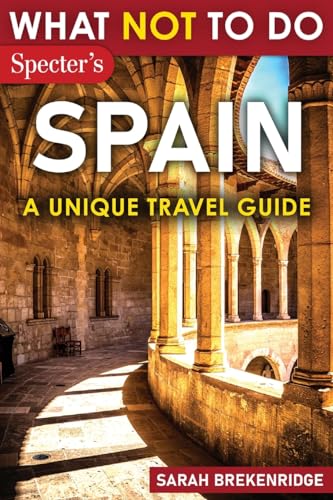
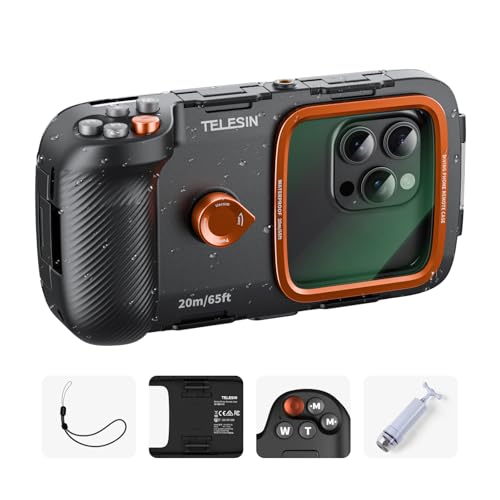
These five essentials cover the cave nights, underwater dives, desert hikes, zipline flights, and the kind of one-time experiences worth filming.



Plan your full Spain trip:
- Off-the-beaten-path destinations, Spain off the beaten path.
- Islands to base from, best islands in Spain.
- Festival calendar, festivals in Spain.
- Northern Spain detours, places to visit in northern Spain.
1. Sleep in a cave hotel (Granada)
Granada’s Sacromonte and Albayzín hillside neighborhoods are dotted with cave houses that have been continuously inhabited since Roma communities settled the slopes in the 15th and 16th centuries. Today many of those caves operate as boutique hotels, with whitewashed interiors carved directly into the soft tufa rock, vaulted ceilings, hand-glazed Andalusian tiles, and a year-round constant temperature of 18 to 20°C that needs no air conditioning in August and no heating in January. The Sacromonte caves come with a view across the Darro valley straight to the Alhambra; the Cuevas El Abanico runs the best-known boutique cluster.
Year-round, with the Alhambra-view caves selling out 4 to 8 weeks ahead in peak season. €120 to €280 per night standard, €350 to €500 for premium Alhambra-view suites. Pro tip: book the Cuevas El Abanico or Cueva Cazorla rather than the cheaper inland caves; the view-side properties cost the same and deliver an entirely different experience. Combine with our wider write-up of why Granada is worth visiting in 2026 for the full city picture. Cave hotels often have no windows in the back rooms; bring a sleep mask plus a bedside light.
2. Dine at El Diablo (Timanfaya, Lanzarote)
El Diablo is the restaurant inside Timanfaya National Park on Lanzarote, sitting directly above an active geothermal hot spot, where the meat grill is built over a 6-meter-deep volcanic vent that radiates 600°C of natural heat from the magma chamber below. No electricity, no gas: the chicken, sausages, and lamb chops are grilled purely by earth heat, the only restaurant in the world to use this technique. The César Manrique-designed circular building wraps a viewpoint window onto the lunar Timanfaya landscape, and the staff demo the geothermal heat by dropping dry brush into a hole nearby that ignites in 3 seconds.
Open year-round, lunch service 12pm to 3:30pm only. Mains €15 to €30 per person. The restaurant does not take phone reservations; access is via the official Timanfaya bus tour that loops through the park (€12 plus the entrance fee), and the bus drops you at El Diablo for the lunch hour. Insider tip: arrive at the park gate at 9:30am to get on the first 10am tour, which guarantees a lunch slot; the noon bus often hits a full restaurant. Sleep at Princesa Yaiza Suite Hotel in nearby Playa Blanca for the easiest Timanfaya base. The volcanic landscape pairs well with our roundup of the best islands in Spain.
3. Diving the Museo Atlántico (Lanzarote)
The Museo Atlántico is Europe’s first underwater sculpture museum, sitting 12 to 14 meters deep off the south coast of Lanzarote at Playa Blanca. British artist Jason deCaires Taylor sank 300 life-size human figures cast in pH-neutral marine cement between 2016 and 2017, including the Crossing of the Rubicon installation (35 figures walking toward a wall), the Raft of Lampedusa (a refugee-boat scene cast from real Lanzarote migrants), and the Anthropocene wall reflecting human impact on the oceans. The sculptures have become an artificial reef, with the figures now overgrown with coral and patrolled by barracuda and angel sharks.
Year-round access via licensed dive operators in Playa Blanca. Single dive €60 to €95 (open-water certification required); snorkel access from the surface at €25 to €40 (the deeper sculptures are not visible from snorkel depth). Smart move: book the morning dive slot before the wind picks up in the afternoon; water visibility drops 30 percent after 1pm in summer. PADI Open Water (or equivalent) is the minimum certification; the dive operator will check your card. Combine with the El Diablo lunch the same day from a Playa Blanca base; this is the Lanzarote weirdest-day-out combo and pairs well with our wider guide to the best diving in Spain.
4. Zipline from Spain to Portugal (Sanlúcar de Guadiana)
LimiteZero runs the world’s only international border zipline between two countries: a 720-meter cable strung across the Guadiana River from Sanlúcar de Guadiana on the Spanish side to Alcoutim on the Portuguese side. The flight takes 60 seconds and crosses the time-zone boundary mid-flight (Spain is one hour ahead of Portugal), so you literally set your watch back as you sail across. The cable drops 150 meters in elevation across the run, hitting top speeds of 70 to 80 km/h. The return is by river ferry (5 minutes, included in the price), since the zipline is one-way only.
Open March through October, weather-dependent. €15 per flight including the return river ferry. Local trick: book Friday afternoon or Sunday morning slots to avoid the weekend Spanish-tourist queue; summer weekends fill 1 to 2 months ahead. Day trip from Seville (1 hour drive plus 1 hour to the launch). Combine with a Sanlúcar lunch at any of the river-bank seafood restaurants. Sleep at Hotel Convento Aracena for the longer Andalusian base, or browse our wider guide to the best places to visit in southern Spain.
5. Festival of Near-Death Experiences (Las Nieves, Galicia)
The Fiesta de Santa Marta de Ribarteme runs every July 29 in the tiny village of Las Nieves in Galicia, where Spaniards who have had a near-death experience in the previous 12 months ride through the village in open coffins, carried by family members, in a procession that ends with a thanksgiving Mass at the local church. Survivors who cannot walk are laid inside the coffins; those who can walk follow alongside in white tunics. The tradition dates from the 17th century. It is one of the strangest religious festivals in Europe and runs as a serious devotional event, not a spectacle, despite the obvious tourist photography it attracts.
July 29 annually. Free to attend; no booking. Pro tip: drive in from Vigo or Pontevedra the morning of the festival (1.5 hours); the village has zero hotel infrastructure for the crowd. Bring water, a hat, and respect the seriousness of the event. The procession runs from 11am to 1pm followed by Mass. Combine with a Galicia road trip through Santiago de Compostela and the Rías Baixas wine region, both covered in our guide to the best places to visit in northern Spain.
6. Sleep in a transparent geodome (Hotel Aire de Bardenas, Navarra)
Hotel Aire de Bardenas sits at the edge of the Bardenas Reales semi-desert in Navarra, with 7 transparent geodesic dome rooms scattered across the property. Each dome is a steel-and-glass igloo on a wooden platform, with a king bed, a wood-burning stove, and a 360-degree view of the eroded sandstone monoliths that look more Martian than Spanish. The dome glass is one-way mirrored from the outside, so you can lie in bed and watch the stars without anyone seeing in. Pintxos breakfast in the main restaurant runs farm-to-table from the property’s own kitchen garden.
Open year-round, best months April through June and September through October (summer heat hits 38°C inside the domes despite the AC). €280 to €400 per night including breakfast. Insider tip: book the dome rooms 3 to 6 months ahead; the property has only 7 domes total and runs at 90 percent occupancy April through October. Combine with a Bardenas Reales 4×4 desert tour the next day, plus a Pamplona overnight if you arrive in early July for the highlights of Spain in July including San Fermín.
7. Walk through Setenil de las Bodegas (Cádiz)
Setenil de las Bodegas is the cliff-dwelling village in Cádiz province where the houses are built directly INTO the overhanging limestone cliffs above the Trejo River, with the rock forming the roof of the bars, restaurants, and shops along the main streets Calle Cuevas del Sol (Cave of the Sun) and Calle Cuevas de la Sombra (Cave of the Shadow). The village has been inhabited since the prehistoric Moorish settlements, the troglodyte architecture is still in active use, and the lower restaurants serve lunch under literal tons of rock. It is genuinely one of the strangest urban-architecture experiences in Spain.
Year-round, walkable in 1 to 2 hours. Free to walk; lunch at the cave-bars runs €15 to €30. Smart move: visit early morning (before 11am) before the tour buses arrive from Ronda; the cave streets are narrow and the post-noon crowd kills the photography. Sleep at Hotel El Almendral on the village outskirts, or use Ronda as a base (45 minutes drive) and combine with our wider guide to the best castles in Spain, since Setenil sits below a Moorish fortress.
8. La Tomatina (Buñol, Valencia province)
La Tomatina is the world’s biggest food fight, held the last Wednesday of August in the small town of Buñol 38km west of Valencia, where 20,000 ticketed participants throw 150,000 kilos of overripe tomatoes at each other for one hour from 11am to 12pm. The fight started by accident in 1945 during a youth parade and was officially organized into a ticketed event in 1980. The town locks down at 9am, the trucks roll into Plaza del Pueblo, the cannon shot starts the chaos, and the hour ends in a coordinated street-wash by the fire department. Wear closed-toe shoes, goggles, and clothes you will throw away after.
August 26, 2026. Tickets €12.50 to €20 official; bus packages from Valencia €40 to €90; hostel-plus-tickets bundles €120 to €180. Books through latomatina.info; tickets release in February and sell out 1 to 3 months ahead. Insider tip: book the bus-plus-ticket package from Valencia rather than driving (Buñol has no parking on festival day). Combine with our broader guide to visiting Spain in August for the heat and crowd context.
9. Walk the Caminito del Rey cliff path (Málaga)
The Caminito del Rey is a 7.7km one-way cliff walk hung 100 meters above the Gaitanes Gorge near Málaga. The original 1905 walkway earned the nickname “the world’s most dangerous footpath” after decades of derelict status, and the route was officially closed after multiple fatalities in 1999 and 2000. The Junta de Andalucía rebuilt it in 2015 as a controlled timed-entry hike, and the new wooden boardwalk sits 1 meter above the original rusted iron path which is still visible the entire way. Two suspension bridges plus an exposed canyon section keep the adrenaline up; the hardhat at the start is mandatory.
Open March through November. Standard €10, guided €18. Tickets for June 30 through December 6, 2026 went on sale April 8, 2026 (68 percent of yearly inventory sold within 12 hours). Pro tip: book the Saturday morning of any quarterly release or you will not get a peak-month ticket. Drive 1 hour from Málaga, ranked among our best Spanish cities for 2026, or take the El Chorro local train. Sleep at Hotel Molino del Arco in Ronda 45 minutes south.
10. Salvador Dalí Theatre-Museum (Figueres, Catalonia)
The Teatre-Museu Dalí in Figueres is the museum Salvador Dalí designed himself between 1968 and 1974, on the site of the bombed-out 19th-century town theater where he had his first exhibition at age 14. The dome roof shaped like a giant geodesic eyeball, the Mae West Room (a furnished optical illusion where viewing from a specific angle reveals the actress’s face), the Cadillac with a rain-soaked interior, and Dalí’s own tomb under the central stage make it the most autobiographical museum-as-artwork in Europe. The 1,500 works inside span Dalí’s full career, with the surrealist gardens around the building extending the visit.
Open year-round, 9:30am to 6pm peak season. €18 adult; combined ticket with the Dalí-Jewels Museum next door €23. Insider tip: book the first slot of the day (9:30am opening) to beat the bus-tour groups that pile in from Barcelona around 11am. Day trip from Barcelona via the Renfe high-speed AVE train (1 hour, €18 to €35 each way). Sleep at Hotel Duran in Figueres if you want a longer visit, or stay in Girona, the small Catalan city worth visiting, 40 minutes south.
11. Hike Bardenas Reales semi-desert (Navarra)
Bardenas Reales is a 42,500-hectare semi-desert in Navarra, formed by 11,000 years of wind and water erosion on the soft clay-and-sandstone bedrock, producing an alien landscape of pinnacles, mesas, and gullies that doubles as the Dothraki Sea in Game of Thrones (filmed extensively here for seasons 6 and 7). The headline formation is the Castildetierra, a 50-meter-tall pinnacle with a balanced rock cap that looks engineered rather than natural. Hiking trails range from 2km loops to a 30km full-park crossing. The summer heat hits 40°C plus; spring and autumn are the prime visit windows.
Best months April through June and September through October. Free park entry; 4×4 guided tours from Tudela or Arguedas €45 to €80; e-bike rentals €25 per day. Smart move: rent an e-bike for the day if you want to cover the main formations (Castildetierra, Pisquerra, Aguarales) in 4 hours; the full-park hike requires advanced desert experience. Sleep at Hotel Aire de Bardenas in a transparent geodome for the alien-landscape immersion, and pair with our broader guide to the best places to visit in northern Spain.
12. Walk the only city straddling 2 continents (Gibraltar via La Línea)
Gibraltar is a British Overseas Territory at the southern tip of Spain, technically not Spanish soil, but the experience pairs naturally with any southern-Spain itinerary because the only land entry is by foot or car across the border from La Línea de la Concepción. The cable car climbs 412 meters to the Rock summit in 6 minutes, dropping you at the Apes’ Den (Europe’s only wild monkey population, the Barbary macaques) and the Skywalk glass platform with views across the Strait of Gibraltar to Morocco. The Great Siege Tunnels and St. Michael’s Cave below the summit fill a half-day visit.
Year-round. Cable car return £19; Upper Rock Nature Reserve ticket £19; combination ticket £35. Border crossing on foot from La Línea is free and takes 10 to 15 minutes (passport required). Quick hack: park your car in La Línea (free street parking) and walk across the border; driving in Gibraltar means dealing with the runway crossing and limited parking. Combine with a Cádiz coast day before or after; see our honest verdict on whether Cádiz is worth visiting for the planning context.
13. Tabernas Desert plus Mini Hollywood (Almería)
The Tabernas Desert in Almería province is Europe’s only true desert (annual rainfall under 200mm), with a Wild West landscape that doubled as the filming location for Sergio Leone’s spaghetti-western trilogy (The Good, the Bad and the Ugly, A Fistful of Dollars, For a Few Dollars More) in the 1960s, plus 500-plus subsequent films. The original sets are preserved as three themed parks: Mini Hollywood (the most-visited, with daily gunfight reenactments), Fort Bravo, and Western Leone. The desert hikes around the parks let you walk through canyons and ravines where the films were shot, with explanatory plaques marking specific scenes.
Open year-round, parks 10am to 7:30pm summer. Mini Hollywood €23; Fort Bravo €19; Western Leone €18. Insider tip: visit in March, April, or October for the best desert hiking weather; July and August hit 42°C plus. Daily gunfight shows at noon and 5pm at Mini Hollywood; the morning show has thinner crowds. Sleep at Hotel Sercotel in central Almería and combine with the wider best places to visit in southern Spain for the Andalusian coast loop.
14. Float in the Mar Menor saltwater lagoon (Murcia)
The Mar Menor (Little Sea) in Murcia is Europe’s largest saltwater lagoon, a 135-square-kilometer body of warm shallow water separated from the Mediterranean by a 22-kilometer sandbar called La Manga. The salinity runs 1.5 times higher than the open Mediterranean, the water depth averages 4 meters maximum, and the mud-rich shoreline at Lo Pagán is famous for therapeutic mud-bath beaches where bathers cover themselves in the high-mineral black mud, dry in the sun, then rinse in the lagoon. The water is calmer than any Mediterranean swim and the salinity makes floating effortless.
Peak beach season mid-June through mid-September; mud-bath beaches free at Lo Pagán; lounger rental €5 to €10 per day. Local trick: visit Lo Pagán beach in the morning (the mud is best on undisturbed shore at 9am, before the crowds dig in); rinse in the lagoon, not the freshwater showers, to maintain the mineral effect. Sleep at any Mar Menor resort on La Manga or in nearby Cartagena; pair with our roundup of the best beaches in Spain for the wider coast picker.
15. Sleep inside a 9th-century castle (Parador de Cardona, Catalonia)
The Parador de Cardona is a 9th-century stone castle on a 600-meter hilltop in central Catalonia, 90 minutes inland from Barcelona, converted into a 54-room state-run Parador hotel without losing any of the original medieval architecture. The Gothic dining hall has 12-meter vaulted ceilings, the Sant Vicenç collegiate church inside the castle walls dates from 1040, and the rooms in the original keep have stone walls a meter thick. The castle was the home of the Dukes of Cardona for 700 years and held the most powerful Catalan family in the medieval kingdom. The nearby Cardona Salt Mountain (a 120-meter salt-rock dome) extends the visit.
Open year-round. Rooms €130 to €260 per night, premium suites €350 to €500. Pro tip: book the rooms in the original castle keep (rooms 1 to 15) rather than the modernized wing; the keep rooms have stone walls and the medieval atmosphere. The hotel restaurant runs the regional Catalan menu with foraged mushrooms and Cardona salt-cured meats. Combine with our broader guide to the best castles in Spain for the wider Spain-castle circuit.
Pack and prep for Spain’s strangest experiences.
The Ultimate Europe Trip Planner includes a packing module for cave hotels and volcano hikes and underwater dives, a date-locked unique-festival calendar, and a budget tracker for one-of-a-kind experiences. Limited time, save $10 today (originally $27).
Unique Spain Travel Tips
- Many unique festivals happen ONCE per year. Lock dates before booking flights: La Tomatina August 26 in 2026, Near-Death July 29 annually, La Tamborrada in San Sebastián January 19 to 20. Our guide to the best festivals in Spain has the full calendar.
- El Diablo Restaurant does not take phone reservations. Book the official Timanfaya National Park bus tour and arrive at the 10am opening for the first lunch slot.
- Cave hotels often have no windows in back rooms. A sleep mask plus a bedside light is non-optional.
- Museo Atlántico requires open-water dive certification minimum. Snorkel access is available at €25 to €40 but the deeper sculptures are not visible from the surface.
- LimiteZero zipline books out summer weekends 1 to 2 months ahead. Friday and Sunday afternoon slots have lighter queues.
- The Bardenas Reales semi-desert hits 40°C plus in July and August. Visit April to June or September to October for the manageable hiking window.
For a broader directory of Spanish oddities and curiosities, check the Atlas Obscura Spain directory, which lists over 800 curiosities across the country.

Frequently Asked Questions
What is the most unusual thing to do in Spain?
Dining at El Diablo Restaurant inside Lanzarote’s Timanfaya National Park is the most unusual single experience in Spain, with meat grilled directly over a 600°C volcanic vent using only earth heat (no gas, no electricity). Honorable mentions: sleeping in a transparent geodome at Hotel Aire de Bardenas in Navarra, diving through the Museo Atlántico underwater sculpture park, and ziplining from Spain to Portugal across the Guadiana River. Pair these with our wider Spain off-the-beaten-path roundup for more depth.
Can you really sleep in a cave in Spain?
Yes, cave hotels run as a serious accommodation segment in Andalusia, with the Sacromonte and Albayzín neighborhoods of Granada the densest cluster. The caves date from the 15th and 16th centuries when Roma communities settled the hillside, and many are now boutique hotels with views straight across the Darro valley to the Alhambra. Pricing runs €120 to €280 per night for standard cave rooms and €350 to €500 for premium Alhambra-view suites; combine with our guide to whether Granada is worth visiting for the city context.
Where is the underwater museum in Spain?
The Museo Atlántico is off the south coast of Lanzarote at Playa Blanca, 12 to 14 meters deep, with over 300 life-size human figures cast in pH-neutral marine cement by British artist Jason deCaires Taylor between 2016 and 2017. Access is via licensed dive operators in Playa Blanca; single dive €60 to €95 with open-water certification required. The sculptures double as an artificial reef and now host coral, barracuda, and the occasional angel shark. Lanzarote also features on our shortlist of the best islands in Spain.
Is the Festival of Near-Death Experiences real?
Yes, the Fiesta de Santa Marta de Ribarteme runs every July 29 in Las Nieves, a tiny Galician village, where Spaniards who have had a near-death experience in the previous 12 months ride through the village in open coffins carried by family members. The tradition dates from the 17th century and runs as a serious thanksgiving devotional event, not a tourist spectacle. Drive in from Vigo or Pontevedra the morning of the festival; the village has no hotel infrastructure for the crowd. Pair with our guide to the best places to visit in northern Spain for the Galicia road-trip plan.
What is Spain’s strangest festival?
La Tomatina in Buñol is the most widely known strange festival (20,000 people throw 150,000 kilos of tomatoes for one hour). The Fiesta de Santa Marta de Ribarteme (coffin parade for near-death survivors) edges out La Tomatina on the strangeness scale for travelers who want something truly off-grid. Honorable mentions include El Colacho (a baby-jumping festival in Castrillo de Murcia where adults dressed as the Devil leap over rows of newborns), and the Las Fallas in Valencia (giant satirical effigies burned at midnight). Our wider guide to the best festivals in Spain has the full calendar.

Key Takeaways
- Spain’s strangest experiences sit far past the Sagrada-Alhambra-Mezquita circuit. The headliners are cave hotels in Granada, volcano-vent grilling at El Diablo in Lanzarote, the Museo Atlántico underwater sculpture park, the Spain-to-Portugal zipline, and the Galician coffin festival.
- Many unique experiences are date-locked. La Tomatina (August 26 in 2026), the Festival of Near-Death Experiences (July 29 annually), Caminito del Rey ticket releases (quarterly Saturdays) all need calendar planning. Book those dates before booking flights.
- Cave hotels in Granada Sacromonte and Albayzín sell out 4 to 8 weeks ahead in peak season. Book the Alhambra-view properties; the inland caves cost the same but lack the view.
- The Lanzarote weirdest-day-out combo is El Diablo lunch plus Museo Atlántico dive, both from a Playa Blanca base, both bookable through licensed local operators. The volcanic island sits in our wider best islands in Spain ranking.
- For the desert-and-castle leg, the Bardenas Reales semi-desert plus the Parador de Cardona pair into a 4-day Navarra-Catalonia loop that delivers two of Spain’s strangest sleeps, plus 4×4 desert hiking and 9th-century castle dining.
Final Thoughts
Spain’s second bucket list (cave hotels, volcano dining, underwater museums, international ziplines, coffin festivals) is the trip you build AFTER the standard Madrid-Barcelona-Andalusia first visit. The 15 picks above stack into a 10 to 14-day itinerary that swings through Lanzarote, Granada, Cádiz, Navarra, and Catalonia, with the date-locked festivals (La Tomatina, Near-Death) anchoring the timing. Book the dated ones first, then the unique-sleep properties, then the flights. Spain rewards a second trip more than almost any other country in Europe because the weirdest experiences sit so far past the obvious ones.
Staying at a historic parador is among the most-distinctive Spanish experiences, covered in the paradores in Spain guide.