
Quick Answer: The best things to do in Spain with teenagers in 2026 are adventure sports (surfing in San Sebastián, canyoning in the Pyrenees), theme parks (PortAventura in Salou, Aqualandia in Benidorm), Barcelona by sidecar or e-bike, an FC Barcelona or Real Madrid match, a paella cooking class in Valencia, and flamenco in Seville. Skip the museum marathons, Spain’s outdoor and experiential side wins teen approval.
Spain is a teenage-trip jackpot. The country mixes the best adventure sports in Spain (surf, kitesurf, canyoning), the biggest theme parks in Europe (PortAventura, Aqualandia, Tibidabo), Instagram-friendly day activities (Barcelona by sidecar, paella cooking class), and the country’s broader cultural anchors (flamenco shows, Alhambra) in a way that almost every other Western European country struggles to match. The 12 picks below filter for “what teens will actually want to post on TikTok” rather than “what mom thinks is educational.” Mix one high-energy activity day with one cultural anchor (build your shortlist from our best experiences in Spain) per city, and the teens stay engaged.
A few practical notes for the parents. Spanish dinner runs 9 to 10pm, which is rough for younger teens; book hotel rooms with mini-bars or eat 7 to 8pm at tapas bars serving Spain’s most famous foods on the early end. Spanish discotecas legally allow 16-year-olds with parents in many provinces, though adult-only clubs check IDs at the door. Tickets to Real Madrid and FC Barcelona matches go on sale 2 to 4 weeks ahead; the La Liga calendar drops in June. PortAventura is huge and ideally needs 2 days if you want both parks; the on-site hotels skip the morning queue. And bring waterproof phone cases for the surf and kitesurf days because teens want to film everything.
Planning a Spain family trip with teenagers?
The Ultimate Europe Trip Planner builds teen-friendly Spain itineraries around surfing in San Sebastián, PortAventura, paella class, and Barcelona by e-bike, with hotel comparisons that handle teen rooms and a teen-budget worksheet. Limited time, save $10 today (originally $27).
Best Hotels for Spain with Teenagers
Hotels with teen-friendly rooms (mini-bars, separate spaces) and locations close to the action.
- Hotel Costa Vasca (San Sebastián), Zurriola surf-beach base with family rooms and full breakfast.
- PortAventura Hotel Mansion de Lucy, theme-park-on-site with skip-the-line park entry.
- Catalonia Plaza Mayor (Madrid), Sol central location, family rooms, walking distance to Mercado de San Miguel.
- Hotel Hesperia Barcelona Sant Just, large family rooms outside the centre with metro access.
- Iberostar Selection Anthelia (Tenerife), all-inclusive teen-friendly resort with kids’ club and pools.
Top Tours for Spain with Teenagers
- San Sebastián Zurriola Surf Lesson, 2-hour beginner group lesson with board plus wetsuit.
- Barcelona Sidecar City Tour, 2 hours hitting Sagrada, Park Güell, and the Gothic Quarter.
- Valencia Paella Cooking Class with Market Visit, 4 hours including Mercado Central walkaround.
- PortAventura World Skip-the-Line, fast-track entry to both PortAventura and Ferrari Land.
- Madrid Real Madrid Bernabéu Stadium Tour, full stadium walk including the trophy room and the pitch.
Recommended Travel Essentials for Spain with Teenagers
These five essentials cover beach days, theme-park sun, late-night dinners, and the constant phone-filming teens do on every Spain trip.
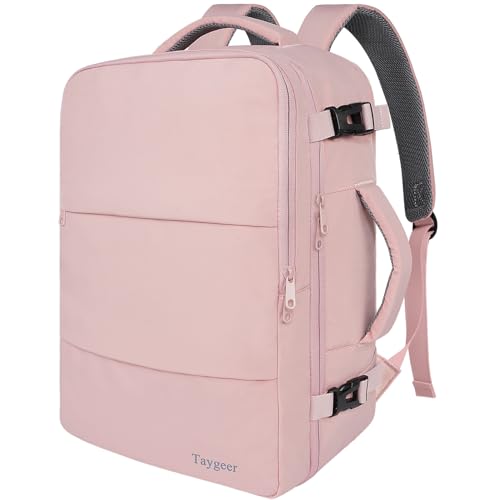


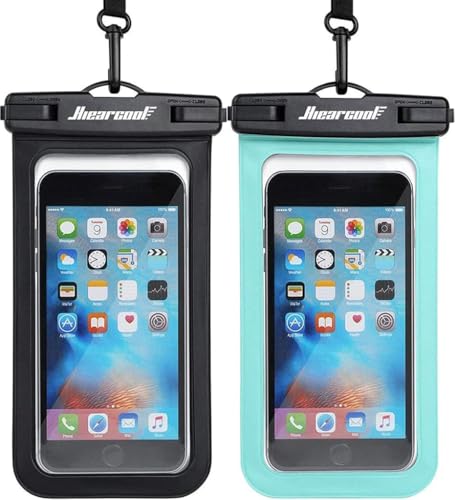

Plan your full Spain trip:
- Family hub overall, family holidays in Spain.
- Younger kids, things to do in Spain with toddlers.
- Barcelona specifics, things to do in Barcelona.
- Beach trips, best beaches in Spain.
1. Surf lesson in San Sebastián or Zarautz (Basque Country)
San Sebastián’s Zurriola beach and the longer Zarautz beach 20 minutes west are Spain’s beginner-friendly surf coast and the most teen-engaging activity on a Spain trip. Zarautz in particular runs Spain’s largest beach surf school cluster, with consistent 1 to 1.5 meter beach-break waves that work for first-timers, plus warm wetsuit conditions May through October. The 2-hour group lesson includes board rental, wetsuit, and a certified instructor. Most teens stand up by the end of the second lesson and the photos are the trip-defining ones.
Best months May through October. Group lesson €40 to €65 per person; private lesson €80 to €120. Pro tip: book the 9am or 10am morning slot before the wind picks up; afternoon waves get choppy. Several schools (Pukas, Mundaka Surf Shop, La Zurri) run multi-day packages with discounts. Sleep at Hotel Costa Vasca for the Zurriola base or Pension Bikain in Zarautz. Combine with a pintxos crawl through some of the most famous foods in Spain in San Sebastián’s Parte Vieja in the evening (the surf-and-eat pairing is the local circuit).
2. PortAventura World (Salou)
PortAventura World is Spain’s biggest theme park (and the third-most-visited in Europe), a 117-hectare complex on the the Costa Daurada, one of the family-favourite stretches on the best beaches in Spain with six themed lands (Mediterrània, Polynesia, Far West, México, China, SésamoAventura) plus the separate Ferrari Land park next door (the only Ferrari-themed park in Europe, anchored by the 112-meter Red Force coaster, the tallest in Europe). The big rides are Furius Baco (0 to 135km/h in 3.5 seconds), Dragon Khan (8 inversions), and Shambhala (the tallest hyper-coaster in Europe). Teens love it; the day routinely outranks Sagrada Familia in family-trip reviews.
Open March through October plus selected winter weekends. 1-day adult €56 to €67 (from £31 on advance sale), kids 4 to 10 €49, under 4 free. Ferrari Land add-on €15. Insider tip: book the 2-day combo plus the on-site hotel (Hotel Mansion de Lucy or Hotel PortAventura) to skip the morning queue and access the parks 1 hour before the public; the morning hour is when teens get the most rides in. Plan 1 full day for PortAventura plus a half-day for Ferrari Land.
3. Aqualandia (Benidorm)
Aqualandia is the largest and oldest water park on the the Costa Blanca, one of the family-friendly places to visit in southern Spain, sitting in the hills above Benidorm with 17 slides, 6 pools, and a 33-meter Verti-Go slide (the highest in Europe) that drops at 65 degrees. The park caters to teens specifically: most slides require a 1.2-meter minimum height (8 to 9 years old standard) and the bigger thrill slides (Big Bang, Vértigo, Zig-Zag) keep older teens engaged across a full day. The neighbouring Mundomar dolphin park combines with Aqualandia for a 2-park ticket if you want a 2-day Benidorm family base.
Open mid-May through mid-September. Tickets €31 to €38 online, €36 to €42 at the gate; kids under 6 free. Smart move: arrive at 11am opening to grab a sun-bed under the shade tarps; the post-2pm crowd peaks. Pack waterproof phone pouches; teens want to film the Verti-Go drop. Sleep at the Hotel Bali Benidorm (the tallest hotel in Spain, with rooftop pool) for the headliner experience or any Benidorm 3-star for the budget version. Combine with a Levante beach day after.
4. Barcelona by sidecar or e-bike
Barcelona by sidecar is one of those experiences that converts even the most phone-attached teen into an enthusiastic tourist for 2 hours. The Vespa-style sidecar (think 1960s Italian) seats 1 to 2 passengers plus the driver, runs a city loop covering Sagrada Familia, Park Güell viewpoint, the Bunkers del Carmel sunset viewpoint, one of the top things to do in Barcelona (sunset rooftop), Gothic Quarter, and Barceloneta beach, and the photos are the trip-defining ones. The cheaper e-bike version covers similar ground at a lower price point and works for teens who want more autonomy on the route.
Year-round, best months April through October. Sidecar 2-hour tour €100 per sidecar (1 driver plus 2 passengers); e-bike 3-hour tour €35 to €50 per person. Local trick: book the late-afternoon slot to catch the Bunkers del Carmel sunset (the city’s best free panorama); the tours always queue at the top of the bunkers and a 4pm start gives you a 7pm summer sunset there. Sleep at Hotel Mercer Barcelona or Hotel Pulitzer 5 minutes walk from the pick-up points in the Gothic Quarter.
5. FC Barcelona Camp Nou or Real Madrid Bernabéu
Spain hosts the world’s two most-watched football clubs and a match at either stadium is teen-trip gold. FC Barcelona returns to the Spotify Camp Nou in 2026 after a 3-year renovation that pushed capacity to 105,000 (currently the largest stadium in Europe). Real Madrid plays at the recently renovated Santiago Bernabéu (with a retractable roof and a retractable pitch); the post-renovation stadium tour is itself a major draw. Match ticket pricing scales by opponent (Clásico tickets clear €1,000 on resale, mid-tier league €30 to €80). Stadium tours run year-round for the non-match days.
the La Liga season kickoff in October (one of the highlights of Spain in October) August through May; Champions League nights September through June. Stadium tour Camp Nou €35 to €45, Bernabéu €30. Match tickets €30 to €500 by opponent. Quick hack: book stadium tours 2 to 3 weeks ahead via the official club websites; match tickets via the official club website or licensed marketplaces (StubHub, ViaGoGo) 4 to 6 weeks ahead. Avoid street touts. Sleep at Hotel Eurostars Madrid Tower for the Bernabéu or Hotel Princess for the Camp Nou.
6. Paella cooking class in Valencia
Valencia is the official birthplace of paella, and the the traditional Paella Valenciana, one of the most iconic traditional dishes in Spain uses chicken, rabbit, snails, green beans, and white beans, never seafood (despite what every other restaurant outside Valencia claims). Cooking classes run 4 to 5 hours including a market visit at the Mercado Central, a hands-on paella build over open flame, and a sit-down meal with wine for the parents and soft drinks for the teens. The classes typically include the chef-hat photo opportunity and a take-home printed recipe, both of which work well for teen Instagram or TikTok.
Year-round. Classes €60 to €95 standard, €120 to €180 premium (smaller group plus Albufera boat tour). Pro tip: book a class that includes the market visit; the saffron-spotting and rice-selection segment is the educational hook that keeps teens engaged. Sleep at Hotel Marqués House or Caro Hotel in central Valencia. Combine with a beach day at Malvarrosa and a horchata at Daniel’s the day after; the Albufera natural park (where the paella rice grows) is a 30-minute drive south for the longer day-trip option.
7. Caminito del Rey (Málaga province)
The Caminito del Rey is a 7.7km one-way cliff walk hung 100 meters above the Gaitanes Gorge near Málaga, and one of the most thrilling family-friendly hikes in Europe. The path was rebuilt in 2015 after decades of derelict status (the original 1905 walkway earned the nickname “the world’s most dangerous footpath”) and now runs as a controlled timed-entry hike with a hardhat at the start and a shuttle bus back to the parking at the end. The route takes 3 to 4 hours including transfers and has a minimum age of 8. Older teens love the suspension-bridge crossings.
Open March through November. Standard €10, guided €18. Tickets for June 30 through December 6, 2026 went on sale April 8, 2026 (68 percent of yearly inventory sells in 12 hours). Insider tip: book the Saturday opening morning of any quarterly release window or you will not get a peak-month ticket. Drive 1 hour from Málaga or take the El Chorro local train. Sleep at Hotel Molino del Arco in Ronda 45 minutes south.
8. Tarifa kitesurfing lesson (Andalusia)
Tarifa is the windsurfing and kitesurfing capital of Europe, sitting at the south tip of Spain where the Atlantic meets the Mediterranean and the Levante and Poniente winds along the southern Spanish coast blow 300+ days a year. The Valdevaqueros and Los Lances beaches run beginner-friendly schools with the consistent side-shore wind that works for first-timers. Most teens 14+ can do a beginner kitesurf intro (the body-drag and water-start phases) over a 2-hour group session, and the photographable factor is high (kites in the air, foam everywhere, Africa in the background across the Strait).
Best months April through October; peak wind July and August. Beginner kitesurf package €120 to €150 for 2-hour group; private 4-hour course €280 to €350. Smart move: take the windsurf intro on day 1 (easier, gentler start) then move to the kite course on day 2; the schools chain the progression naturally. Sleep at Hotel La Sacristía or Hotel Misiana in central Tarifa, both 5 minutes drive to Valdevaqueros. Combine with a ferry day to Tangier, Morocco (35 minutes across the Strait).
9. Tibidabo amusement park (Barcelona)
Tibidabo is Spain’s oldest amusement park (1899) and sits at the top of the 512-meter Tibidabo mountain north of Barcelona, with the the Sagrat Cor church next door, one of the standout examples of Spanish architecture and panoramic views across the city to the Mediterranean. The park keeps a vintage feel (the original 1928 wooden airplane ride still flies, the Atalaya rotates with views of the city) while running newer thrill rides like Muntanya Russa (steel-roller coaster) and the Talaia free-fall tower for older teens. The funicular railway from Avinguda Tibidabo up to the park is itself a teen-photographable ride.
Open weekends year-round; daily July and August. €35 adult full park, €11 for the Sky Walk only (the upper viewpoint area). Quick hack: take the Tibibus from Plaça Catalunya or the funicular from Avinguda Tibidabo combined-ticket route; do not drive (parking is awful). The 6pm to 9pm summer evening slot offers the cooler weather plus sunset over Barcelona. Sleep at any central Barcelona hotel; Tibidabo is a half-day side-trip, not a base. Combine with the Sagrat Cor church climb next door (free).
10. Flamenco show in Seville (Casa de la Memoria)
Seville is the birthplace of flamenco, and Casa de la Memoria in the Santa Cruz quarter is the most teen-friendly tablao on the Spain travel circuit: 60 seats, no microphones, a 1-hour show featuring cante (singing), baile (dance), toque (guitar), and palmas (handclap), and a short enough run time that even a 13-year-old stays engaged. The art form is UNESCO Intangible Cultural Heritage and the Seville version is the most authentic version on the Spain travel circuit. The 8pm matinée slot is the best timing for younger teens; 9:30pm or 10:30pm slots for the older crowd.
Showtimes 7:30, 9, or 10:30pm year-round. €18 standing, €25 seated. Pro tip: book the 9pm Casa de la Memoria slot 1 to 2 weeks ahead and have a late dinner after at a Santa Cruz tapa bar; skip the dinner-show packages on the tourist routes (overpriced and rushed). Sleep at Hotel Alfonso XIII or Hotel Casa 1800 Sevilla 5 minutes walk from the tablao. Combine with a 10pm walk through the lit-up Plaza de España, one of the reasons Seville is worth visiting in the evening (lit up beautifully) and a horchata or chocolate plus churros at Bar El Comercio after.
11. Hammam Al Ándalus Arab Baths
Hammam Al Ándalus runs traditional Arab-style bath complexes in Granada, Madrid, Málaga, and Córdoba, with a circuit of 4 thermal pools (cold, warm, hot, plunge) plus a steam room and an optional 15-minute kessa massage. The Granada location is the most atmospheric (closest to the actual Moorish heritage; built underground with original 11th-century brickwork visible), and a 90-minute basic circuit runs €42 to €52. Teens 8 plus are welcome at the Granada location (the others vary; check ahead). The downtime works as the recovery day after a high-energy theme-park or surf-day.
Year-round, daily 10am to midnight. Basic 90-minute circuit €42 to €52; with massage €68 to €90. Insider tip: book the early-morning slot (10am or 11am opening) for the quietest experience; the 8pm to 11pm slots are couples-heavy. Bring your own swimwear; rentals available. Sleep at Hotel Casa 1800 Granada or Hotel Palacio de Santa Paula 5 minutes walk from the Hammam. Combine with a daytime Alhambra visit in Granada for the cultural-anchor day.
12. Mercado de San Miguel food crawl (Madrid)
Mercado de San Miguel is a covered iron-and-glass gourmet market 2 minutes from Plaza Mayor, originally built in 1916 and converted to a tapa-and-pintxos hub in 2009. The 33 stalls run from oysters at La Casa del Bacalao, Iberian ham at Carrasco, croquetas at La Casa de las Croquetas, vermouth at La Hora del Vermut, and a tour of regional Spanish specialties drawn from the traditional dishes in Spain under one roof. The format works perfectly for teens: small plates, lots of variety, no need to commit to a sit-down meal, and the food-court atmosphere keeps the energy social rather than formal.
Open daily 10am to midnight Sunday through Thursday, 10am to 1am Friday and Saturday. Most pintxos €2 to €6; budget €30 to €50 for two teens to graze. Smart move: arrive at 7 to 8pm for the pre-dinner round (less crowded than 10pm); skip the wine pairings here (the by-the-glass selection is mediocre). Combine with a Plaza Mayor walk after and chocolate plus churros at San Ginés. Sleep at Hotel Casual del Teatro Madrid or Catalonia Plaza Mayor 5 minutes walk away.
Pack and prep for Spain with teens.
The Ultimate Europe Trip Planner includes a packing module for surf plus beach plus city days, a teen-friendly restaurant and late-dinner timing guide, and a budget tracker for Aqualandia, PortAventura, and match tickets. Limited time, save $10 today (originally $27).
Spain with Teenagers Travel Tips
- Spanish dinner at 9 to 10pm is rough for younger teens. Book hotels with mini-bars or eat 7 to 8pm at tapas bars and the famous food in Spain on the early end.
- PortAventura is huge. 2 days minimum if you want both parks. The on-site hotels skip the morning queue (1 hour early entry).
- 16-year-old teens are legally allowed in Spanish bars and clubs with parents in many provinces, but adult-only clubs check IDs at the door.
- Real Madrid and FC Barcelona match tickets go on sale 2 to 4 weeks ahead. The La Liga calendar drops in June.
- Bring waterproof phone cases for the surf and kitesurf days. Teens want to film everything and a wet iPhone ends the trip.
For full official guidance on Spain family travel, check the official Spain family travel guide at spain.info.

Frequently Asked Questions
What is the best part of Spain for teenagers?
The Costa Daurada (PortAventura plus Salou plus Ferrari Land), the Basque Country (San Sebastián surf plus pintxos), and Barcelona (sidecar tours, Park Güell, Camp Nou) are the three best Spain regions for teenagers. Costa Daurada is the easy theme-park win (covered in our best beaches in Spain guide), Basque Country the active-and-foodie win, and Barcelona the culture-and-photogenic win. Add Tarifa for kitesurf-curious teens and the Pyrenees for outdoor-adventure families.
What can teenagers do in Spain?
Teenagers in Spain can surf and kitesurf (San Sebastián, Zarautz, Tarifa), do theme parks (PortAventura, Aqualandia, Tibidabo), take e-bike or sidecar city tours (Barcelona), see flamenco (Seville, Madrid), attend football matches (one of the headline reasons Barcelona is worth visiting), with both Real Madrid and FC Barcelona on the schedule, do paella cooking classes (Valencia), hike Caminito del Rey (Málaga), and explore Mercado de San Miguel (Madrid). The combination of adventure plus food plus photogenic settings hits the teen sweet spot.
Is Spain good for a family trip with teens?
Yes. Spain is one of Europe’s best teen-trip destinations and a top pick on our family holidays in Spain guide because it mixes theme parks (PortAventura, Aqualandia), active adventures (surf, kitesurf, Caminito del Rey), Instagram-friendly photos (Barcelona by sidecar, paella class), and cultural anchors (flamenco, Sagrada Familia, Alhambra) without the museum overload that kills teen interest. The late dinner culture and the beach-and-resort coast also work well for teens who want some downtime.
What is there for teens in Barcelona?
Barcelona is teen-trip central. The Camp Nou tour or a match at the renovated stadium, one of the top things to do in Barcelona, the sidecar or e-bike city tour, Tibidabo amusement park, the Magic Fountain of Montjuïc light show, the Bunkers del Carmel viewpoint, Park Güell, the Aquarium Barcelona, Barceloneta beach day, the Boqueria food market, and the Sagrada Familia interior tour. A 4-day Barcelona stay covers all of these without exhausting the schedule.
What age can teenagers do PortAventura rides?
PortAventura rides have height minimums (one of the family entries on our Spain bucket list) (not age minimums): 1.2 meters for the moderate coasters, 1.4 meters for the major thrill rides (Dragon Khan, Shambhala, Furius Baco). Most teens 12 and older clear the 1.4-meter mark. The Red Force at Ferrari Land (the tallest coaster in Europe) requires 1.4 meters as well. The SésamoAventura kids’ area handles younger siblings on a family trip; the PortAventura main park works for teens 10 plus.

Key Takeaways
- Spain is a teen-trip jackpot. Surf in San Sebastián, theme parks in Salou, Barcelona by sidecar, and paella class in Valencia hit the “post-worthy” bar that other European destinations struggle to match.
- Mix high-energy activity days (surf, theme park, kitesurf, Caminito del Rey) with one cultural anchor (Sagrada Familia, Alhambra, flamenco show) per city. The reverse order kills teen interest fast.
- Book PortAventura 2 days minimum and stay on-site for the 1-hour early entry. Real Madrid plus FC Barcelona match tickets go on sale 2 to 4 weeks ahead via the official club sites.
- The late Spanish dinner clock (9 to 10pm) is rough on younger teens. Eat 7 to 8pm at tapas bars or order from hotel mini-bars on a quieter night.
- Bring waterproof phone cases. Surf, kitesurf, water park, and beach days all involve phones near water and teens will film everything.
Final Thoughts
Spain wins the teen-trip race in Western Europe because the country balances active adventure (surf, kitesurf, theme parks), photo-friendly experiences (sidecar tours, paella class, flamenco), and cultural anchors (Sagrada, Alhambra) better than France, Italy, or the UK. The 12 picks above stack into a 7 to 10-day teen-friendly itinerary mixing Barcelona, Valencia, San Sebastián, and Andalusia. Book PortAventura on-site hotels, surf lessons in advance, and match tickets through official channels, and the trip runs smoothly. Skip the museum-marathon itineraries; Spain rewards the outdoor and experiential side first.