Quick Answer: The best Spanish wines to try in 2026 are Rioja Tempranillo (Spain’s flagship red), Albariño from Rías Baixas (crisp white from Galicia), Cava from Penedès (sparkling), Priorat (powerful Catalan reds), Ribera del Duero Tempranillo, and Sherry from Jerez. Spain has two DOCa regions (Rioja and Priorat), the highest quality designation. Pair each wine with the regional food in our guide to the traditional dishes in Spain to try.
Spain has more vineyard area than any country in the world plus 70 plus DO (Denominación de Origen) regions, and 2026 is a strong year for both budget and prestige picks. The flagship is Rioja Tempranillo (€15 to €30 for Reserva, €30 to €100 plus for Gran Reserva); the rising stars are Priorat (powerful, mineral, Catalan), Ribera del Duero (bolder Tempranillo at altitude), and Albariño (crisp Galician white that pairs perfectly with seafood). The country’s two DOCa regions (the highest tier above DO) are Rioja and Priorat. Our broader places to visit in northern Spain guide covers the wine-country travel route in detail; this guide walks through the 14 wines worth trying plus the label vocabulary you need.
Two practical rules for travelers. First, the Crianza-Reserva-Gran Reserva label tier indicates aging time: Joven (under 1 year, no oak), Crianza (2 years, 1 in oak), Reserva (3 years, 1 in oak), Gran Reserva (5 years, 2 in oak, top vintages only). Second, EU airline checked-luggage caps at 5 liters of wine per traveler; pack bottles in bubble-wrap sleeves. Book bodega tours 2 to 4 weeks ahead in peak season (May to October); most close Sundays. Tastings run €15 to €35 per person and include 3 to 5 wines plus an appetizer. For the wider pre-trip framework, see our complete Spain planning guide.
Wine-tasting your way through Spain?
The Ultimate Europe Trip Planner builds a multi-region Spanish wine tour through La Rioja, Ribera del Duero, Priorat, Rías Baixas, and Jerez with bodega-by-bodega booking, hotel comparisons, and a tasting-day budget tracker. Limited time, save $10 today (originally $27).
Best Hotels for Spanish Wine Tours
Five hotels for wine-country travelers, from our wider guide to the best hotels in Spain.
- Hotel Marqués de Riscal (Elciego, La Rioja), Frank Gehry-designed wine hotel inside the Marqués de Riscal bodega, doubles from €450.
- AC Hotel La Rioja (Logroño), central base for La Rioja Alta and Calle Laurel tapas crawl, doubles from €140.
- Hotel Castillo Gorraiz (Pamplona), gateway to Navarra and La Rioja from the Pyrenees side, doubles from €160.
- Hotel Casa Camper (Barcelona), doubles from €250, day-trip base for Penedès Cava country.
- Tío Pepe Wine Hotel (Jerez de la Frontera), inside the González Byass sherry bodega, doubles from €220.
Top Spanish Wine Tours by Region
Five tours across the country’s main wine regions, from our Spain road trips guide.
- La Rioja Full-Day Wine Tour from Bilbao, includes Marqués de Riscal plus López de Heredia visits.
- Penedès Cava Wineries Day Trip from Barcelona, includes Freixenet plus Codorníu cava cellars.
- Jerez Sherry Bodegas Tour, includes Tío Pepe (González Byass) plus a flamenco show.
- Ribera del Duero Wine Tour from Madrid, includes Protos plus Vega Sicilia neighborhood with lunch.
- Rías Baixas Albariño Tour from Vigo, includes Pazo Señorans plus Martín Códax cellars with seafood pairings.
Recommended Travel Essentials for Spanish Wine Trips
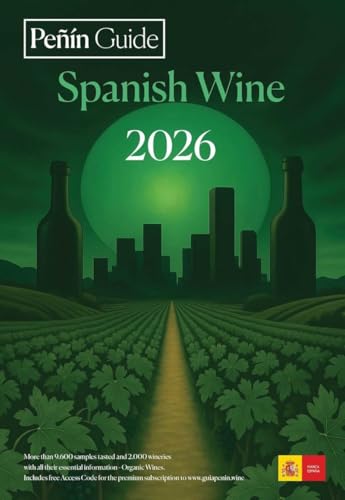
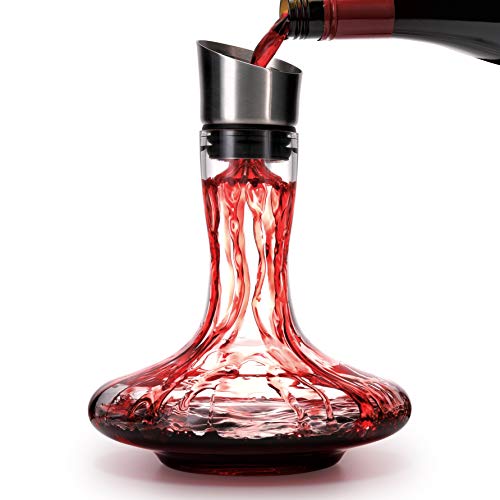
These five essentials prep you for Spanish wine country: a Spanish wine guide, a wine aerator, proper wine glasses for home, a bottle protector for the flight back, and the Oz Clarke Spanish wine reference.

![[UPGRADED PROTECTION] 4 Set (8 pcs) Reusable Wine Bags for Travel, Wine Travel...](https://m.media-amazon.com/images/I/51udmIJIgHL._SL160_.jpg)

Plan your full Spain trip:
- Northern wine route, places to visit in northern Spain.
- Food pairings, traditional dishes in Spain to try.
- Wine road trips, road trips in Spain.
- Harvest timing, best time to visit Spain.
14 Spanish Wines at a Glance (Grape, Region, Price, Pairing)
Quick-scan summary of all 14 wines covered below. DOCa is Spain’s highest tier (only Rioja and Priorat); DO is the standard quality designation.
| Wine | Grape or Style | Region (Tier) | Price | Best Pairing |
|---|---|---|---|---|
| Rioja | Tempranillo | La Rioja (DOCa) | €15 to €100+ | Lamb, aged cheese |
| Ribera del Duero | Tempranillo | Castilla y León (DO) | €25 to €70 | Beef, aged Manchego |
| Albariño | Albariño | Rías Baixas (DO) | €12 to €25 | Seafood, pulpo a la gallega |
| Verdejo | Verdejo | Rueda (DO) | €8 to €18 | Tortilla, chicken paella |
| Priorat | Garnacha plus Cariñena | Priorat (DOCa) | €40 to €150 | Game, roasted lamb |
| Mencía | Mencía | Bierzo (DO) | €15 to €60 | Charcuterie, mushrooms |
| Cava | Macabeo, Xarel-lo, Parellada | Penedès (DO) | €8 to €60 | Everything |
| Sherry | Palomino, Pedro Ximénez | Jerez (DO) | €8 to €60 | Jamón, almonds, PX with chocolate |
| Monastrell | Monastrell (Mourvèdre) | Jumilla, Yecla (DO) | €10 to €30 | Grilled lamb, BBQ |
| Txakoli | Hondarrabi Zuri | Basque Country (DO) | €10 to €20 | Pintxos, anchovies |
| Vermut Reus | Vermouth blend | Catalonia (Reus) | €8 to €25 | Patatas bravas, olives (aperitif) |
| Godello | Godello | Valdeorras (DO) | €15 to €40 | Grilled fish, Galician cheese |
| Albillo or Madrid | Albillo Real, Garnacha | Vinos de Madrid (DO) | €25 to €80 | Tapas, light meats |
| Rosado Navarra | Garnacha | Navarra (DO) | €6 to €18 | Paella, summer salads, ham |
1. Rioja Tempranillo
Spain’s flagship red. Region: La Rioja DOCa (one of only two DOCa regions in Spain). Look for “Reserva” (3-year aging, 1 in oak) or “Gran Reserva” (5 years, 2 in oak) for the top tiers. Bodegas worth visiting: Marqués de Riscal (Frank Gehry building, in Elciego), López de Heredia (cellar dating to 1877), La Rioja Alta. Prices: €15 to €30 for Reserva, €30 to €100 plus for Gran Reserva. The 2012 Marqués de Murrieta Castillo Ygay Gran Reserva was rated James Suckling’s #1 Spanish wine of 2023. For the broader wine country base, see our guide to places to visit in northern Spain.
2. Ribera del Duero Tempranillo
Bolder, more powerful Tempranillo than Rioja, grown at higher altitude (700 to 1,000m) in Castilla y León. Region: Ribera del Duero DO. The bodegas: Vega Sicilia (Spain’s cult winery, the Unico vintage is one of the world’s most-collected wines), Protos, Emilio Moro. Prices: €25 to €70 for typical Reserva, €350 plus for Vega Sicilia Unico. Pairs with lamb, beef, and aged Manchego. For the wider central Spain context, see our guide to the best road trips in Spain.
3. Albariño (Rías Baixas)
Crisp white from Galicia, pairs with seafood. Region: Rías Baixas DO. Bodegas: Pazo Señorans, Martín Códax (the cooperative). Prices: €12 to €25 per bottle. The wine has clean acidity, citrus and stone-fruit notes, low alcohol (12 to 13 percent), making it the perfect pulpo a la gallega pairing. For the dish pairings, see our guide to the traditional dishes in Spain to try.
4. Verdejo (Rueda)
Fresh, herbaceous white from Castilla y León. Region: Rueda DO. Bodegas: Marqués de Riscal Rueda (the Rioja powerhouse expanded into white wine in the 1970s), Bodegas Naia. Prices: €8 to €18 per bottle. The wine has lifted aromatics with anise and citrus notes, perfect for tortilla española or chicken paella. The most-poured Spanish white at Madrid tapas bars. Cross-reference with our whether Madrid is worth visiting guide.
5. Garnacha and Priorat
Powerful, mineral, dark red from Catalonia. Region: Priorat DOCa (Spain’s second-only DOCa region after Rioja). Bodegas: Clos Mogador (Alvaro Palacios led the modern Priorat revival in the 1990s), Álvaro Palacios. Prices: €40 to €150 per bottle (Priorat is small-production). The slate-and-quartz soil (“llicorella”) gives the wine its signature minerality. Pairs with game and roasted lamb. For the Catalan context, see our things to do in Barcelona guide.
6. Mencía (Bierzo)
Light, fragrant red. Spain’s answer to Pinot Noir. Region: Castilla y León (Bierzo DO). Bodegas: Descendientes de J. Palacios (Álvaro Palacios’s family Bierzo project), Casar de Burbia. Prices: €15 to €60 per bottle. Floral, red-fruit, slightly mineral. Pairs with charcuterie, game birds, and mushrooms. For the broader northern Spain context, see our guide to places to visit in northern Spain.
7. Cava
Spanish traditional-method sparkling wine. Region: Penedès DO (Catalonia, where most cava is produced). Bodegas: Freixenet, Codorníu, Recaredo (premium small-producer). Prices: €8 to €15 for everyday Brut, €25 to €60 for Gran Reserva. Made with Macabeo, Xarel-lo, and Parellada grapes using the méthode champenoise (second fermentation in the bottle). Pairs with everything. For the Penedès day-trip context from Barcelona, see our things to do in Barcelona guide.
8. Sherry from Jerez (Fino, Manzanilla, Amontillado, Oloroso, Pedro Ximénez)
Fortified Spanish wine ranging dry (Fino, Manzanilla) to sweet (Pedro Ximénez). Region: Jerez de la Frontera DO (Andalusia). The “Sherry Triangle” covers Jerez, Sanlúcar de Barrameda (Manzanilla source), and El Puerto de Santa María. Bodegas: González Byass (Tío Pepe, the most-exported sherry), Lustau (premium). Prices: €8 to €30 typical, €60 plus for aged Oloroso or Pedro Ximénez. Pairs with jamón ibérico (Fino), almonds (Manzanilla), aged cheese (Amontillado), or chocolate desserts (PX). For the wider Andalusia context, see our Andalusia itinerary guide.
9. Monastrell (Jumilla and Yecla)
Dark, smoky, age-worthy red. Region: Murcia (Jumilla DO and Yecla DO). Bodegas: Casa Castillo, Bodegas Carchelo. Prices: €10 to €30 per bottle. Monastrell (the same grape as Mourvèdre in France) thrives in the hot Murcia climate. Pairs with grilled lamb, BBQ, and aged Manchego. Best Spanish value wine for the price-to-quality ratio. Cross-reference with our guide to places to visit in southern Spain.
10. Txakoli (Basque Country)
Slightly fizzy Basque white poured from height (the traditional pour is a meter above the glass for aeration). Region: Getariako Txakolina DO. Bodegas: Gorka Izagirre, Talai-Berri. Prices: €10 to €20 per bottle. Light, crisp, low alcohol (10 to 11 percent), salty-mineral character from the Atlantic coast. Pairs with Basque pintxos, anchovies, and fresh seafood. The drink-from-height pour is part of the experience at San Sebastián’s old town bars. For the Basque context, see our case for whether Bilbao is worth visiting.
11. Vermut Reus
Not a grape wine but Spain’s classic aperitif. Region: Catalonia (Reus is the historic vermouth-making city). Brands: Yzaguirre, Miró. Prices: €8 to €25 per bottle. The Spanish vermouth tradition runs vermouth-on-tap at bars, served over ice with an olive and an orange slice. The “vermut hour” is 12 to 2pm on weekends across Spain. Pairs with patatas bravas and olives. For the cultural-codes context, see our Spain travel tips guide.
12. Godello (Valdeorras)
Galician white, fuller-bodied than Albariño. Region: Galicia (Valdeorras DO). Bodegas: Rafael Palacios (the cult Galician winemaker, brother of Álvaro Palacios of Priorat). Prices: €15 to €40 per bottle. Stone-fruit and honeyed notes with mineral acidity. Pairs with grilled fish and Galician cheese. One of Spain’s most-rewarding under-the-radar whites. Cross-reference with our guide to Spain off the beaten path.
13. Albillo and Vinos de Madrid
Underrated capital-region whites. Region: Madrid DO. Bodegas: Comando G (the cult Madrid winemakers using high-altitude Garnacha and Albillo), Bodegas Bernabeleva. Prices: €25 to €80 per bottle. Albillo Real is a low-yield, high-altitude white grape that produces remarkably fresh, mineral wines. The Vinos de Madrid DO is Spain’s underrated wine region, an easy day trip from the capital. For the Madrid context, see our whether Madrid is worth visiting guide.
14. Rosado (Navarra)
Spain’s pink rosé tradition. Region: Navarra DO. Bodegas: Bodegas Ochoa, Bodegas Príncipe de Viana. Prices: €6 to €18 per bottle. Navarra rosados are made from Garnacha, deeper-pink and more flavorful than Provençal rosé. Pairs with paella, ham, and summer salads. The Navarra wine region sits between La Rioja and the Pyrenees and works as a 2-day extension from a Bilbao or Pamplona base. For the broader San Fermín plus northern context, see our guide to places to visit in northern Spain.
Crianza vs Reserva vs Gran Reserva: What the Label Means
Spanish wine labels indicate aging time. Joven or Roble: under 1 year, no oak or light oak. Crianza: 2 years total aging, 1 in oak. Reserva: 3 years total aging, 1 in oak. Gran Reserva: 5 years total aging, 2 in oak. The Gran Reserva tier is only made in top vintages (1 in 3 years in Rioja); the label is a quality marker as much as an age marker. For the broader Rioja context, see our guide to places to visit in northern Spain.
Best Wine Regions to Visit in Spain (Wine Tourism)
Six regions reward a multi-day visit. La Rioja (base Logroño or Haro): Marqués de Riscal, López de Heredia. Ribera del Duero (base Aranda de Duero or Peñafiel): Protos, Vega Sicilia. Penedès and Cava country (Barcelona day trip): Freixenet, Codorníu. Rías Baixas (base Pontevedra or Vigo). Priorat (base Falset, the small wine-village hub). Jerez (base Jerez or Sanlúcar de Barrameda for Manzanilla). Each region has a different food pairing tradition. For the multi-region route, see our guide to road trips in Spain.
Pack and prep for wine country Spain.
The Ultimate Europe Trip Planner includes a Spanish wine vocabulary cheat sheet (Crianza, Reserva, Gran Reserva, DOCa), a tasting-room booking timeline, and a luggage-allowance guide for bringing bottles home. Limited time, save $10 today (originally $27).
Spanish Wine Travel Tips
- Book bodega tours 2 to 4 weeks ahead in peak season (May to October). Sundays are often closed. Tastings run €15 to €35 per person and include 3 to 5 wines plus an appetizer. Pre-trip framework in our complete Spain planning guide.
- Spain caps wine luggage at 5 liters total in EU checked baggage. Pack in bubble-wrapped sleeves. For souvenir-grade picks, see our souvenirs from Spain guide.
- La Rioja’s harvest fiesta (September 20 to 25 in Logroño) features wine-pouring contests, parades, and the year’s first new wine. The best time to taste. Cross-reference with our Spain in September guide.
- Pair Albariño with seafood, Rioja with lamb, Sherry with jamón ibérico, Cava with everything. Full dish-by-region context in our guide to the traditional dishes in Spain to try.
- Vinos de Madrid DO is Spain’s underrated wine region, an easy day trip from the capital. Try Comando G’s high-altitude Garnacha plus Albillo. The Madrid wine scene is in our whether Madrid is worth visiting guide.
For Spain’s official wine trade body covering all 70 plus DO regions plus the bodega directory, check the official Wines from Spain trade body.

Frequently Asked Questions
What is the most famous wine in Spain?
Rioja, especially Tempranillo Gran Reserva. Spain’s flagship red has been DOCa-graded since 1991 (the highest Spanish wine designation), and the Gran Reserva tier requires 5 years of aging with 2 in oak. The 2012 Marqués de Murrieta Castillo Ygay Gran Reserva was rated James Suckling’s #1 Spanish wine of 2023. For the wider La Rioja travel context, see our guide to places to visit in northern Spain.
What is the difference between Rioja and Ribera del Duero?
Both are Tempranillo-based reds but with different terroir. Ribera del Duero grows at higher altitude (700 to 1,000m) in Castilla y León, producing bolder, more powerful wines. Rioja sits lower in elevation and produces more elegant, structured wines. Both age beautifully. Ribera’s cult bodega is Vega Sicilia; Rioja’s is Marqués de Murrieta. For the multi-region tasting context, see our guide to the best road trips in Spain.
Is Spanish wine good?
Yes. Spain has the most vineyard area in the world plus 70 plus DO regions plus 2 DOCa regions (Rioja and Priorat, the highest tier). The country produces world-class Tempranillo (Rioja, Ribera del Duero), Garnacha (Priorat), Albariño (Rías Baixas), Verdejo (Rueda), and Sherry (Jerez). Wine quality at every price tier sits above most other Mediterranean countries. For pairings, see our guide to the traditional dishes in Spain to try.
What is Cava?
Spanish traditional-method sparkling wine, mostly from Catalonia (Penedès DO). Made with Macabeo, Xarel-lo, and Parellada grapes using the same méthode champenoise as Champagne (second fermentation in the bottle). Bodegas: Freixenet, Codorníu, Recaredo. Prices: €8 to €15 for everyday Brut, €25 to €60 for Gran Reserva. For the Penedès day-trip context from Barcelona, see our things to do in Barcelona guide.
What is the best Spanish wine region to visit?
La Rioja for variety plus accessibility. The region has 600 plus bodegas, four sub-regions (Alta, Alavesa, Oriental, Baja), and a deep tradition of wine tourism. Use Logroño or Haro as your base. Priorat is the adventurous alternative: small, mineral wines from a remote Catalan valley. For both, see our guide to the best road trips in Spain.

Key Takeaways
- Spain has the most vineyard area in the world plus 70 plus DO regions plus 2 DOCa regions (Rioja and Priorat). Start with Rioja and Albariño; level up to Priorat and Ribera del Duero. Full regional context in our places to visit in northern Spain guide.
- Label hierarchy: Joven (under 1 year), Crianza (2 years, 1 in oak), Reserva (3 years, 1 in oak), Gran Reserva (5 years, 2 in oak). The Gran Reserva tier only appears in top vintages. Wine route mapping in our guide to road trips in Spain.
- Pair Albariño with seafood, Rioja with lamb, Sherry with jamón ibérico, Cava with everything, Priorat with game. Full dish pairings in our guide to the traditional dishes in Spain to try.
- Book bodega tours 2 to 4 weeks ahead in peak season. Sundays often closed. Tastings run €15 to €35 per person. Visit Jerez for Sherry’s flor-aged magic. For the Andalusia context, see our Andalusia itinerary guide.
- EU airline rules cap wine luggage at 5 liters per traveler in checked. Pack in bubble-wrap sleeves. For souvenir-grade picks plus the Rioja Reserva bottle pick to bring home, see our souvenirs from Spain guide.
Final Thoughts
Spain produces world-class wines across 70 plus DO regions. Start with Rioja and Albariño, level up to Priorat and Ribera del Duero, and visit Jerez for Sherry’s flor-aged magic. Pair each wine with its region’s food for the full Spanish experience. The two DOCa regions (Rioja and Priorat) deserve at least a 2-day visit each; the Sherry Triangle in Andalusia rewards a 1 to 2-day base in Jerez or Sanlúcar de Barrameda. For the full food pairings that complete each bottle, our guide to the traditional dishes in Spain to try walks through the regional matches.