Quick Answer: The most authentic souvenirs from Spain are vacuum-packed jamón ibérico, hand-painted ceramics from Andalusia, Toledo damascene jewelry, embroidered flamenco fans and shawls, saffron from La Mancha, Mallorcan artificial pearls, leather goods from Ubrique, espadrilles from Castañer, and Spanish olive oil. Avoid mass-produced bullfighter trinkets and “Made in China” replicas. Pair with our complete Spain budget guide for the shopping cost math.
Spain rewards thoughtful souvenir shoppers. The country has 600 years of craft traditions (Toledo damascene since the Moors, Mallorcan pearls since 1890, Andalusian azulejo tile-making since the 12th century) plus a deep food-export culture that lets you carry home jamón ibérico, saffron, olive oil, and turrón at supermarket prices.
The catch is that mass-produced bullfighter magnets and “Made in China” Las Ramblas trinkets crowd out the real things. Our Spain travel tips guide covers the wider cultural codes; this guide names the 15 souvenirs worth bringing home plus the specific shops where authentic versions are still made.
Three customs and packing rules matter. First, the US allows commercially packaged Spanish jamón ibérico (USDA approved facilities since 2007); declare it on arrival, keep the packaging sealed. Second, olive oil in carry-on follows the 100ml liquid rule; pack 250ml plus bottles in checked luggage with bubble-wrap sleeves.
Third, EU wine luggage caps at 5 liters total in checked. Mallorcan pearls come with a certificate of authenticity from licensed Majorica dealers; keep the receipt for customs. The full pre-trip framework including the multi-region shopping circuit is in our complete Spain planning guide.
Souvenir-shopping your way through Spain?
The Ultimate Europe Trip Planner maps the best places to shop in each region (Granada Albaicín for ceramics, Toledo for damascene, Mallorca for pearls) with a souvenir budget tracker and a luggage allowance worksheet. Limited time, save $10 today (originally $27).
Best Hotels Near Spain’s Best Souvenir Shopping
Five hotel picks within walking distance of the best shopping districts, from our wider guide to the best hotels in Spain.
- Hotel URSO (Madrid), doubles from €180, walking distance to Casa de Diego (flamenco fans) and Mercado de San Miguel.
- Hotel Casa Camper (Barcelona), doubles from €250, walking distance to La Manual Alpargatera (espadrilles).
- Hotel Casa 1800 Sevilla, doubles from €200, 5-minute walk to Cerámica Santa Ana Triana.
- Hotel Casa 1800 Granada, doubles from €220, closest mid-range to Fajalauza ceramics workshops.
- Hotel Marqués House (Valencia), doubles from €150, near El Corte Inglés Gourmet Experience for jamón and saffron.
Top Souvenir-Shopping Tours in Spain
Five tours that combine sightseeing with authentic shopping stops, from our 10 days in Spain itinerary.
- Toledo Damascene Workshop Tour, includes a real workshop visit along Calle del Comercio.
- Madrid Mercado de San Miguel Food Tour, includes jamón ibérico tasting and saffron stop.
- Seville Triana Ceramics Walking Tour, includes Cerámica Santa Ana plus the Triana market.
- Mallorca Majorica Pearl Factory Tour, includes the Manacor factory plus a Palma showroom stop.
- Granada Albaicín Walking Tour with Ceramics, includes Fajalauza plus an Alhambra ceramic-tile context.
Recommended Travel Essentials for Souvenir Shopping
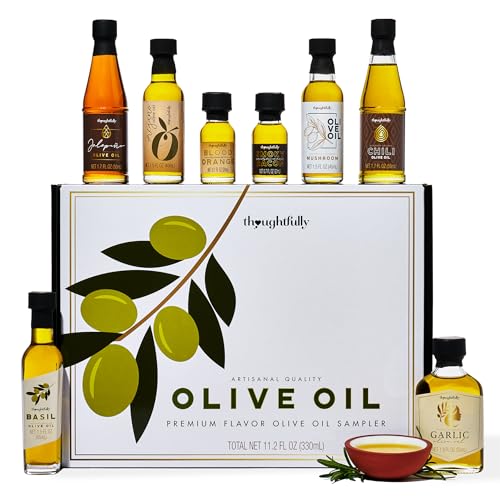
These five essentials cover the souvenir logistics: saffron storage, the olive-oil gift, the jamón ibérico packaging, ceramic protection, and the Spanish guitar carry-on.


Plan your full Spain trip:
- Wider cultural codes, Spain travel tips.
- Cities for the shopping circuit, cities in Spain to visit.
- Sightseeing balance, things to do in Spain.
- Cost calculator, Spain budget guide.
1. Jamón Ibérico (Vacuum-Sealed)
Spain’s most exported food souvenir. Look for the “bellota” grade (acorn-fed black pig), which runs €80 to €150 per kg for the top tier. Best buy: Cinco Jotas in Jabugo (Huelva) for the gold-standard producer, or Mercado de San Miguel in Madrid for vacuum-packed tasting boxes.
Customs: declare on US re-entry; pre-packaged commercial jamón from USDA-approved facilities is allowed since 2007. Opened or homemade is not. EU passengers can fly with it freely. For the wider context on Spain’s national dish, see our guide to the traditional dishes in Spain to try.
2. Spanish Ceramics (Talavera and Andalusian Azulejos)
Hand-painted plates, tiles, and bowls. Andalusian azulejos (blue-and-white glazed tiles) and Talavera de la Reina ceramics (yellow-blue patterns) are the two big traditions. Best buy: Cerámica Santa Ana in Triana (Seville) for azulejos since 1870, or Fajalauza in the Granada Albaicín for the signature green-and-blue tableware. Pack ceramics in bubble wrap inside packing cubes for the AVE plus flight home. For the Andalusian context, see our Andalusia itinerary guide.
3. Toledo Damascene (Gold-Inlaid Steel)
Gold-inlaid black steel jewelry and decorative pieces, a sword-making tradition since the Moors. Best buy: workshops along Calle del Comercio in Toledo, where you can watch the craftsmen at work. Avoid the airport replicas and the bus-tour shops; they sell stamped imports rather than real damascene.
Real pieces cost €30 to €200 depending on size and pattern detail. Best brought home as small jewelry or a decorative dagger sheath. For the wider Toledo context, see our guide to the best castles in Spain.
4. Flamenco Fans (Abanicos)
Hand-painted wooden plus lace fans. Spain’s most portable souvenir, costing €15 to €80 depending on the painting and lace detail. Best buy: Casa de Diego at Puerta del Sol in Madrid, established 1858 and still hand-painting fans. Sevilla’s flamenco district (Triana) also has workshop-grade fans.
Skip the Las Ramblas plus airport souvenir-shop versions; they are stamped prints. The full Madrid context plus the Casa de Diego location is in our case for whether Madrid is worth visiting.
5. Embroidered Shawls (Mantones de Manila)
Silk flamenco shawls with heavy embroidery and fringe. Best buy: Seville’s flamenco district (Triana) for the real workshop-grade pieces, €80 to €400 depending on size and embroidery density. The mantón de Manila is the classic Spanish gift; real ones have hand-stitched embroidery on both sides and a knotted fringe at least 15cm long. Skip airport-grade replicas. For the Sevilla context, see our case for whether Seville is worth visiting.
6. Mallorcan Pearls (Majorica)
Lab-cultured pearls made in Manacor (Mallorca) since 1890. Visually identical to natural pearls but at a fraction of the cost (€30 to €200 for necklaces, €200 to €600 for the larger sets). Best buy: the Majorica boutique in Manacor (factory) or branded stores in Palma.
Real Majorica pearls come with a certificate of authenticity; keep the receipt for customs. Skip the Las Ramblas knockoffs. For the island context, see our guide to the best islands in Spain.
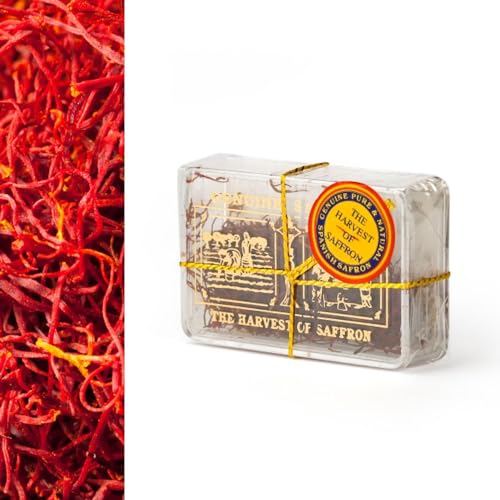
7. Saffron (Azafrán) from La Mancha
The world’s most prized saffron. Look for the DOP “Azafrán de La Mancha” stamp on the tin, which guarantees Castilla-La Mancha origin plus the deep red-orange color. A 1 to 2-gram tin runs €15 to €30 and lasts a year. Best buy: Mercado de San Miguel in Madrid for vacuum-packed tasting tins, or El Corte Inglés supermarkets for the DOP-certified versions.
Saffron is small and light, perfect last-day market buy. For the broader supermarket context, see our guide to supermarkets in Spain.
8. Spanish Olive Oil (Extra Virgin DOP)
Spain is the world’s biggest olive oil producer. Look for DOP markers: Sierra Mágina, Baena, Priego de Córdoba (all Andalusia), or Les Garrigues (Catalonia). A 500ml bottle runs €15 to €40. Best buy: La Chinata shops nationwide (specialist olive oil retailer) or El Corte Inglés Gourmet Experience for the premium DOP picks.
Pack in checked luggage with bubble-wrap sleeves; the EU allows 1 liter per traveler in checked. For the dish pairings, see our guide to the traditional dishes in Spain to try.
9. Leather Goods from Ubrique
Spain’s leather capital is the small Andalusian town of Ubrique (Cádiz), which supplies Loewe, Chanel, Hermès, and most of the major European luxury houses. Real Ubrique pieces cost €80 to €500 for handbags, €30 to €150 for wallets and small leather goods.
Best buy: small workshops in Ubrique itself for the cleanest pricing, or authorized resellers in Madrid and Barcelona. Look for “Hecho en Ubrique” (made in Ubrique) stitching. For the wider Andalusia route context, see our guide to places to visit in southern Spain.
10. Espadrilles (Alpargatas)
Catalan flat-soled canvas shoes with a jute-rope sole. Real Catalan espadrilles cost €25 to €80 per pair. Best buy: Castañer (the original brand, founded 1927 in La Rioja, now worn by Yves Saint Laurent and Loewe), or La Manual Alpargatera in Barcelona’s Gothic Quarter (custom-made-while-you-wait shop established 1941).
Skip the airport plus Las Ramblas versions; they are stamped imports. For the Barcelona context, see our things to do in Barcelona guide.
11. Turrón (Almond and Honey Nougat)
Almond plus honey nougat from Jijona (Alicante province). Two main styles: blando (soft, Jijona) and duro (hard, Alicante). Best buy: 1880 brand at any Spanish supermarket (the most-exported turrón producer) or Jijona artisan shops for the real DOP version. A 200g bar costs €5 to €15. Turrón is a Christmas tradition but available year-round in major cities. For the December market context, see our guide to Spain in December.
12. Spanish Guitar (Hand-Made)
Hand-made classical guitars from Granada or Madrid. The Spanish guitar tradition dates to the 1850s and remains the world standard for classical and flamenco performance. Best buy: Conde Hermanos in Madrid (Paco de Lucía’s luthier) or Casa Ferrer in Granada (founded 1875).
Student-grade guitars start at €400; professional flamenco guitars run €1,500 to €5,000. Small student or travel guitars are flyable as a carry-on with an in-seat fee. For the wider Madrid context, see our case for whether Madrid is worth visiting.
13. Bota de Vino (Leather Wineskin)
Leather wine flask. The traditional pour-from-height drinking flask used at Spanish festivals and pilgrimages. Real botas have a leather outer plus a sealed inner lining. Best buy: La Casa de las Botas in Pamplona (the original since 1916) or shops along Calle Laurel in Logroño (La Rioja wine country).
Sizes from 250ml (€15) to 2 liters (€60). A novelty souvenir but a useful one for picnics. For the wine context, see our guide to the best wines in Spain.
14. Spanish Wine (Rioja Reserva or Cava)
A bottle of Spanish wine is the easiest “right thing” souvenir. Pick a Rioja Reserva (3-year aging, 1-year oak, €15 to €30 per bottle) or a Cava traditional-method sparkling from Penedès (€10 to €25). Best buy: airport duty-free for the convenience or El Corte Inglés Gourmet Experience for the selected picks.
EU airline luggage allows 5 liters of wine in checked baggage. Skip the airport “sangria mix” bottles; you can mix your own at home. For the full wine context, see our guide to the best Spanish wines to try.
15. Religious Icons and Rosaries
Hand-carved religious figures and rosaries from Toledo or from Seville’s Macarena workshops. Real workshop pieces are hand-painted wood or hand-cast silver, €30 to €300. Best buy: shops near Seville Cathedral or in Toledo’s old quarter. The Virgen de la Macarena is Seville’s patron and her devotional pieces are particularly well-made. Skip plastic mass-produced icons. For the Holy Week context, see our guide to what Semana Santa is.
Heading home from Spain?
The Ultimate Europe Trip Planner includes a customs declaration checklist for jamón and saffron, a souvenir-by-region shopping map, and a packing module for fragile ceramics. Limited time, save $10 today (originally $27).
Spain Souvenir Shopping Travel Tips
- Declare jamón on US arrival forms. Pre-packaged commercial jamón from USDA-approved facilities is allowed since 2007; opened or homemade is not. Pre-trip framework in our complete Spain planning guide.
- Check airline liquid rules for olive oil. Keep bottles under 100ml for carry-on, or pack in checked with bubble-wrap sleeves. EU caps wine luggage at 5 liters total. Cost math in our Spain budget guide.
- Buy ceramics from registered workshops (Cerámica Santa Ana Triana, Fajalauza Granada, Talavera). Many “Made in Spain” pieces on Las Ramblas are imports. The Andalusia ceramics circuit is in our Andalusia itinerary guide.
- Saffron is small, light, and easily customs-cleared. The perfect last-day market buy at Mercado de San Miguel Madrid or El Corte Inglés. For grocery context including the Hacendado Mercadona route, see our guide to supermarkets in Spain.
- Mallorcan pearls come with a certificate of authenticity from licensed Majorica dealers. Keep the receipt for customs declaration. Island context in our guide to the best islands in Spain.
For the official Spanish tourism shopping guide covering regional crafts plus official duty-free rules, check the official Spain shopping guide.

Frequently Asked Questions
What is Spain famous for buying?
Jamón ibérico, hand-painted ceramics, olive oil, leather goods (from Ubrique), flamenco fans, Mallorcan pearls, Toledo damascene, espadrilles, and saffron from La Mancha. The country runs deep on craft traditions plus food-export culture. For dish-by-dish context, see our guide to the traditional dishes in Spain to try.
Can I bring Spanish ham back to the US?
Yes, if commercially packaged from USDA-approved facilities (approved since 2007) and declared on the customs form. Opened or homemade jamón is not allowed. Brands like Cinco Jotas vacuum-pack specifically for US customs. EU passengers can fly with it freely. Full pre-trip framework in our complete Spain planning guide.
Where do you buy authentic Spanish ceramics?
Seville’s Triana neighborhood (Cerámica Santa Ana since 1870), Granada’s Albaicín (Fajalauza for green-and-blue tableware), and Talavera de la Reina (Castilla-La Mancha) for the yellow-blue tradition. Avoid Las Ramblas in Barcelona; most pieces there are imports. The Andalusia circuit is in our Andalusia itinerary guide.
What is the most popular Spanish souvenir?
Jamón ibérico and Spanish ceramics top the list, followed by saffron, olive oil, and flamenco fans. Mallorcan pearls and Toledo damascene are the heritage-craft picks. The food souvenirs (jamón, saffron, olive oil) carry home easiest. For the wider city case, see our cities in Spain to visit guide.
Where is the best place to shop in Spain?
Madrid and Barcelona for variety and density of shops. Smaller cities (Toledo for damascene, Granada for ceramics, Sevilla for flamenco shawls, Manacor for pearls) for craft traditions and the source workshops. El Corte Inglés Gourmet Experience floors in Madrid and Barcelona carry the best selected food souvenir picks. For the broader shopping context, see our complete Spain budget guide.

Key Takeaways
- 15 authentic souvenirs: jamón ibérico, ceramics, Toledo damascene, flamenco fans, embroidered shawls, Mallorcan pearls, saffron, olive oil, leather, espadrilles, turrón, Spanish guitar, bota de vino, wine, religious icons. Cultural-codes context in our Spain travel tips guide.
- Skip mass-produced bullfighter trinkets and “Made in China” Las Ramblas replicas. Shop at named workshops (Casa de Diego, Cerámica Santa Ana, La Manual Alpargatera, Castañer) for the real things. Cities-to-shop in our guide to cities in Spain to visit.
- Jamón ibérico is US-customs cleared from USDA-approved facilities since 2007 if commercially packaged and declared. Mallorcan pearls come with a certificate of authenticity from licensed Majorica dealers. Both work as carry-home gifts. Full transport framework in our Spain transportation guide.
- Saffron from DOP “Azafrán de La Mancha” is the small, light, easily-customs-cleared souvenir. Olive oil needs checked luggage with bubble-wrap. Wine is allowed at 5 liters per traveler in EU checked baggage. Pre-trip framework in our complete Spain planning guide.
- Skip airport souvenir shops for the best prices. Markets (Mercado de San Miguel) plus El Corte Inglés Gourmet Experience plus named workshops beat them on both quality and cost. Supermarket logistics in our guide to supermarkets in Spain.
Final Thoughts
Spain’s best souvenirs are edible, hand-crafted, or both. Jamón ibérico, ceramics, leather, saffron, and olive oil all carry home easily, and the heritage-craft picks (Toledo damascene, Mallorcan pearls, flamenco fans, espadrilles) carry centuries of tradition behind them. Skip mass-produced trinkets and shop at named workshops or proper markets for the real thing.
The food souvenirs clear customs cleanly when commercially packaged and declared. For the cultural codes that surround Spanish shopping (the greeting before you enter the shop, the “estoy mirando” polite “just looking”), our Spain travel tips guide covers everything beyond the goods.