Quick Answer: Spain’s biggest supermarkets in 2026 are Mercadona (the market leader, famous for the Hacendado private label), Carrefour (the most flexible hours, often open Sundays), Lidl (cheapest fresh produce), Dia (smallest budget chain), and Aldi (German discount). Premium options are El Corte Inglés plus the regional cooperatives Eroski (Basque) and Consum (Mediterranean coast). Pair with our complete Spain budget guide for the daily grocery math.
Spanish supermarkets are one of Europe’s most-competed retail sectors, with 9 major chains running 9,000 plus stores across the country. Mercadona leads with around 1,600 stores and a famously well-priced private label (Hacendado), followed by Carrefour’s 1,200 hypermarkets, Lidl’s 700 discount stores, and Dia’s 2,300 small-format budget shops. For travelers self-catering an apartment, picking the right chain saves 20 to 40 percent on a week of groceries. Our Spain travel tips guide covers the wider cultural codes; this guide focuses on the chain-by-chain decision.
Two practical rules matter for any traveler. First, most Spanish supermarkets are closed Sundays by default. Carrefour and El Corte Inglés in Madrid, Barcelona, and Sevilla tourist zones are the safest “open Sunday” picks. Second, since the 2022 Ley de Residuos (Waste Law), Spain charges €0.10 to €0.20 per plastic bag at the checkout; bring your own foldable tote. The closed holidays (Jan 1, Jan 6 Three Kings, May 1, Aug 15, Oct 12, Nov 1, Dec 6, Dec 8, Dec 25) all close every chain. Plan your supermarket runs around these dates. Full pre-trip framework in our complete Spain planning guide.
Self-catering in Spain?
The Ultimate Europe Trip Planner includes a Spanish supermarket decision guide, a typical grocery budget worksheet, and an Airbnb-stocking checklist, plus full Spain itineraries. Limited time, save $10 today (originally $27).
Best Hotels Near Spain’s Main Supermarkets
Five hotel picks within walking distance of a major supermarket for self-catering travelers, from our wider guide to the best hotels in Spain.
- Hotel URSO (Madrid), doubles from €180, 5 minutes walk to Mercadona Chamberí.
- Hotel Casa Camper (Barcelona), doubles from €250, 10 minutes walk to Mercadona Raval.
- Hotel Casa 1800 Sevilla, doubles from €200, near Carrefour Express Sevilla Centro.
- Hotel Marqués House (Valencia), doubles from €150, near Consum Valencia old town.
- Parador de Granada, doubles from €350, in-Alhambra (no walking-distance supermarket, use El Corte Inglés Granada).
Top Self-Catering Tours in Spain
Five food-and-market tours that pair with self-catered stays, from our 10 days in Spain itinerary.
- Madrid Mercado de San Miguel Food Tour, includes the market plus jamón ibérico tasting.
- Barcelona La Boqueria Market Walking Tour, includes the Sant Josep market plus a Catalan picnic.
- Sevilla Triana Market plus Tapas Cooking Class, market shopping plus a meal you cook.
- Granada Free Tapa Crawl, free with drinks, supermarket-supplement for the next day.
- Valencia Mercado Central plus Paella Cooking Class, the freshest market plus paella from scratch.
Recommended Travel Essentials for Spain Self-Catering
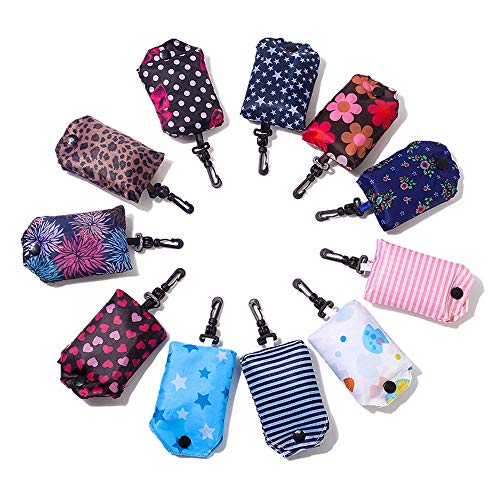
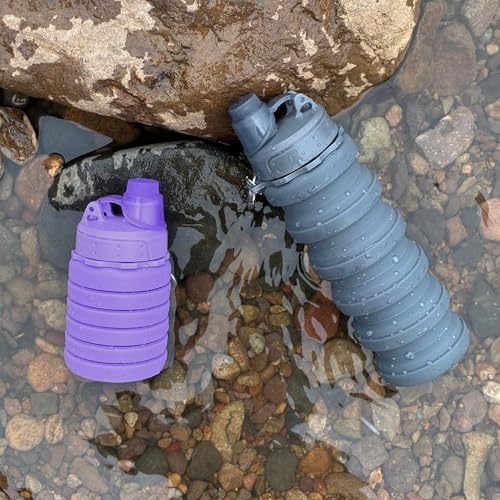
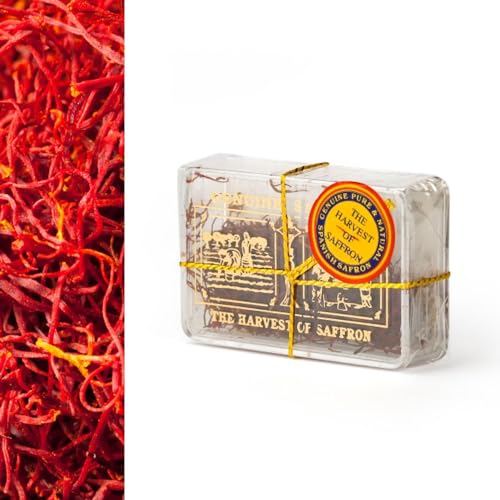
These five essentials handle the practicalities of Spanish self-catering: reusable bags, packing cubes for the AVE transfer, a refillable bottle, the travel guide, and the take-home saffron pick.



Plan your full Spain trip:
- Wider cultural codes, Spain travel tips.
- Cost calculator, Spain budget guide.
- Pre-trip framework, planning a trip to Spain.
- Dish-by-dish food context, traditional dishes in Spain to try.
9 Spanish Supermarket Chains at a Glance
Quick-scan comparison of all 9 major chains by store count, Sunday opening, and what each is best for.
| Chain | Stores | Hours | Sundays | Best For | Price Tier |
|---|---|---|---|---|---|
| Mercadona | ~1,600 | 9am to 9:30pm | Closed | Stocking up, Hacendado label | Mid |
| Lidl | ~700 | 9am to 9:30 or 10pm | Mostly closed | Fresh bread, produce, German imports | Cheapest fresh |
| Carrefour | ~1,200 | 9am to 10pm | Often open | Variety, Sunday shopping | Mid-high |
| Dia | ~2,300 | 9am to 9:30pm | Mostly closed | Emergency snacks, basics | Cheapest non-fresh |
| Aldi | ~400 | 9am to 9pm | Mostly closed | Chocolate, frozen, weekly specials | Cheapest produce |
| El Corte Inglés | ~95 floors | 10am to 10pm | Open (tourist zones) | Premium gifts, jamón, prepared meals | Premium |
| Eroski | ~1,374 | 9am to 9:30pm | Varies | Northern Spain regional sourcing | Mid |
| Consum | ~1,000+ | 9am to 9:30pm | Closed | Valencia, Murcia, Catalonia | Mid |
| Alcampo | ~504 | 9am to 10pm | Often open | Bulk family groceries, hypermarket | Mid |
1. Mercadona: Spain’s #1 Chain
Mercadona is Spain’s biggest supermarket with around 1,600 stores nationwide. Hours: typically 9am to 9:30pm, closed Sundays. Best for: stocking up an apartment, the Hacendado own-brand (great prices, decent quality across olive oil, gazpacho, snacks), household basics, and the famous Mercadona sushi counter (yes, really). Pricing sits mid-tier across the chain. Hacendado olive oil (€4 to €7 per liter) plus Hacendado gazpacho (€1.50 per liter carton) are the two iconic value buys. For souvenir context including the food gifts you can take home, see our guide to authentic souvenirs from Spain.
2. Lidl: Cheapest Fresh Plus the Famous Bakery
The German discount giant runs around 700 stores in Spain. Hours: 9am to 9:30 or 10pm, mostly closed Sundays. Best for: fresh bread (Lidl’s in-store bakery is famous and the loaves cost €0.50 to €1.50), fresh produce at the cheapest prices in Spain, German imports (mustard, pretzels, sauerkraut), and the Deluxe holiday range. The weekly produce specials (rotating each Thursday and Monday) are the budget traveler’s secret weapon. Cross-reference with our complete Spain budget guide for the €40-per-day budget routing.
3. Carrefour: The Sunday Lifeline
The French hypermarket chain runs around 1,200 stores in Spain. Hours: 9am to 10pm, often open Sundays (varies by city plus holiday). Best for: variety, electronics, school supplies, holiday-period shopping, and the safest “open Sunday” option in big cities. Pricing runs mid to mid-high. Carrefour Express (smaller, city-center) covers the convenience-store slot at a slight premium. For travelers landing on a Sunday or doing weekend self-catering, Carrefour is the default. The entry-mistake list including Sunday-closure tourist surprises is in our what to avoid in Spain guide.
4. Dia: The Smallest Budget Chain
Spain’s discount chain runs around 2,300 small stores. Hours: 9am to 9:30pm. Best for: emergency snacks, small grocery runs, the lowest prices on basics (rice, pasta, cleaning supplies). Pricing is cheapest on non-fresh items but quality of fresh produce sits below Mercadona and Lidl. Dia stores are tiny (under 500 sq m typically) so the selection is thin compared to Carrefour or Mercadona. Best as a convenience-store backup rather than a primary stop. Full transport plus shopping flow context in our Spain transportation guide.
5. Aldi: Cheapest Produce Plus German Imports
The second German discounter runs around 400 stores in Spain. Hours: 9am to 9pm, mostly closed Sundays. Best for: chocolate (Moser Roth at €1 per bar beats supermarket pricing), German imports, frozen food, and the weekly produce specials that rotate every Thursday and Saturday. Pricing matches Lidl on fresh, beats it slightly on packaged. Aldi’s “Specialbuy” Thursday plus Saturday rotation includes kitchen and outdoor gear at sharp pricing, useful for picnic-day shopping. Cross-reference with our best beaches in Spain guide for picnic-day routing.
6. El Corte Inglés (Hipercor + Supercor + Gourmet Experience)
Spain’s flagship department store, with grocery floors in around 95 locations. Hours: 10am to 10pm, open Sundays in Madrid, Barcelona, and Sevilla tourist zones. Best for: premium gifts (the Gourmet Experience floors in Madrid Castellana and Barcelona Diagonal are the best food souvenir stops in Spain), jamón ibérico (Cinco Jotas counter), imported foods, prepared meals, and late-night shopping. Pricing is premium across the board. Worth a visit for the Gourmet Experience even if you do not need groceries. For souvenir-grade picks including the saffron and olive oil DOP shelves, see our souvenirs from Spain guide.
7. Eroski: The Basque Cooperative
The Basque-owned cooperative runs around 1,374 stores. Hours: 9am to 9:30pm, varies by location. Best for: northern Spain (Basque Country, Cantabria, Asturias, Galicia), with strong local-produce sourcing (Basque cheese, Galician seafood, Cantabrian anchovies). Pricing is mid-tier. The cooperative model means staff are often part-owners, and the customer service tone is warmer than chain stores. Eroski stores are the right pick if you are based in Bilbao, San Sebastián, or anywhere on the north coast. For the wider regional context, see our places to visit in northern Spain guide.
8. Consum: The Mediterranean Cooperative
The Mediterranean-coast cooperative runs around 1,000 plus stores (reached the milestone in June 2025). Hours: 9am to 9:30pm, closed most Sundays. Best for: Valencia, Murcia, Alicante, Catalonia, with strong regional products (Valencia oranges, Castellón paella rice, Murcia vegetables, Catalan cheese). Pricing sits mid-tier. Consum is a cleaner cooperative model than Eroski with better digital integration (good app, fast self-checkout). Best pick for travelers based on the Mediterranean coast. For the Catalan context, see our things to do in Barcelona guide.
9. Alcampo: The French Hypermarket Alternative
The French Auchan-owned hypermarket chain runs around 504 stores in Spain. Hours: 9am to 10pm, often open Sundays. Best for: bulk family groceries, the hypermarket variety (full-line grocery plus electronics plus clothing under one roof), and Sunday shopping in tourist cities. Pricing matches Carrefour but the brand pull is slightly lower. Alcampo is the workhorse “everything under one roof” option for travelers staying in apartments outside city centers (where rental cars or metro access make hypermarket trips practical). Pre-trip framework including the rental car timing is in our complete Spain planning guide.
Heading to Spain for a long stay?
The Ultimate Europe Trip Planner includes a supermarket-by-supermarket breakdown, a Sunday-closures cheat sheet, and a budget tracker that catches the Lidl-versus-Mercadona savings. Limited time, save $10 today (originally $27).
Spain Supermarket Shopping Travel Tips
- Spanish supermarkets close Sundays by default. Plan ahead, especially for short stays or weekend arrivals. The Sunday-closure trap is one of the entries in our guide to what to avoid in Spain.
- Carrefour and El Corte Inglés are the safest “open Sunday” options in Madrid, Barcelona, and Sevilla tourist zones. Cross-reference with our Spain budget guide for the budget-versus-premium decision.
- Tourist apartments love Mercadona. It is the most-recommended chain for self-catering. The Hacendado private label runs olive oil, gazpacho, snacks, and household basics at competitive pricing. Souvenir context including which Hacendado pick to bring home in our souvenirs from Spain guide.
- Bring your own bags. Spain charges €0.10 to €0.20 per plastic bag since the Ley de Residuos 2022. A foldable tote (€5 at Decathlon) handles every shopping run. Full pre-trip framework in our complete Spain planning guide.
- Closed holidays: Jan 1, Jan 6 (Three Kings), May 1, Aug 15, Oct 12, Nov 1, Dec 6, Dec 8, Dec 25. Check before relying on a supermarket run. For Three Kings context, see our guide to Spain in January.
For Spain’s official grocery distribution association data plus chain-level industry context, check Spain’s grocery distribution association (AECOC).

Frequently Asked Questions
Which supermarket is the cheapest in Spain?
Dia is the cheapest for basics (rice, pasta, cleaning supplies). Lidl and Aldi are cheapest for fresh produce. Mercadona sits mid-tier but the Hacendado private label runs olive oil, snacks, and gazpacho at competitive pricing. For the broader €40-per-day budget context, see our complete Spain budget guide.
Are supermarkets in Spain open on Sundays?
Most are closed on Sundays. The exceptions are Carrefour and El Corte Inglés in Madrid, Barcelona, and Sevilla tourist zones, plus Alcampo hypermarkets in many cities. Mercadona, Lidl, Aldi, Dia, Eroski, and Consum are closed Sundays by default. For weekend self-catering pre-planning, see our complete Spain planning guide.
What is the best supermarket in Spain?
Mercadona for the best balance of price and quality, available in 1,600 plus stores nationwide. The Hacendado private label is the iconic value buy. For self-catering travelers staying in Spanish Airbnbs, Mercadona is the most-recommended chain. Premium picks: El Corte Inglés Gourmet Experience floors in Madrid plus Barcelona. Cultural codes for shopping in our Spain travel tips guide.
What is Hacendado?
Hacendado is Mercadona’s house brand, covering olive oil, gazpacho, snacks, household basics, and prepared meals. The iconic value buys are Hacendado olive oil (€4 to €7 per liter), Hacendado gazpacho (€1.50 per liter carton), and the Hacendado Christmas turrón at Spanish Christmas. For souvenir-grade picks including which Hacendado items travelers bring home, see our souvenirs from Spain guide.
Do Spanish supermarkets take credit cards?
Yes, all major Spanish supermarket chains accept Visa, Mastercard, Apple Pay, and Google Pay. Some Mercadona checkouts prefer cash for under €5 transactions, but card is universal. For the wider payment context plus the fee-free debit card recommendation, see our Spain budget guide.

Key Takeaways
- Mercadona is Spain’s everyday king (around 1,600 stores, closed Sundays). The Hacendado private label is the iconic value buy. For souvenir-grade Hacendado picks, see our souvenirs from Spain guide.
- Lidl and Aldi win on fresh produce. Carrefour and El Corte Inglés stay open Sundays in tourist cities. El Corte Inglés Gourmet Experience floors are the premium picks. Cost math in our complete Spain budget guide.
- Plan around Sunday closures plus the 9 fixed Spanish holidays (Jan 1, Jan 6, May 1, Aug 15, Oct 12, Nov 1, Dec 6, Dec 8, Dec 25). Bring foldable bags (Spain charges €0.10 to €0.20 per plastic bag since 2022). Cultural codes in our Spain travel tips guide.
- Regional cooperatives Eroski (Basque Country plus Cantabria plus Asturias plus Galicia) and Consum (Valencia plus Murcia plus Catalonia) carry stronger local-produce sourcing than the national chains. Regional context in our places to visit in northern Spain guide.
- For the dish-by-dish food shopping context (saffron, olive oil DOP, jamón ibérico Cinco Jotas counter), pair this with our guide to the traditional dishes in Spain to try.
Final Thoughts
Mercadona is Spain’s everyday supermarket king, with Hacendado private-label olive oil, gazpacho, and snacks running at competitive pricing. Lidl and Aldi win on fresh produce. Carrefour plus El Corte Inglés keep tourists supplied on Sundays. Dia is the convenience-store backup. Regional cooperatives Eroski plus Consum cover the Basque Country and Mediterranean coast with stronger local sourcing. Pack a foldable tote (Spain charges per plastic bag) and plan around the Sunday closures plus the 9 fixed Spanish holidays. For the broader cultural codes including dinner timing, dress, and tipping, our Spain travel tips guide covers everything beyond groceries.
I like Supercor Supermarket the most because one is able to get most of one’s needs including clothing. This Supermarket saves you time and energy, even if you are in a rush it is convenient to you.