Quick Answer: Culture in Spain in 2026 means late dinners (9 to 10pm), siesta-paced afternoons, four official languages (Castilian, Catalan, Basque, Galician), flamenco, La Liga football, and tapas-and-wine sobremesa that lasts hours. The festival calendar runs longer than the year itself, and the Gaudí Centenary lands in Barcelona this June. Pair with our guide to the history of Spain for the backstory behind every cultural pillar.
Spanish culture in 2026 is one of Europe’s most-layered. The country runs on its own clock, speaks four official languages across distinct regions, and treats meals as 3-hour social events rather than fuel stops. Add a year-round festival calendar plus the Gaudí Centenary in Barcelona and Spain’s cultural rhythm has never been more visible than this year.
Our broader Spain travel tips guide covers the on-the-ground tactical brief; this guide focuses on the 12 cultural pillars that define daily life. Each pillar gets a regional anchor (Andalusia, Basque Country, Catalonia, Castile) and a city you can experience it in.
Two friction-honest notes for first-timers. Late dinners take 3 to 4 days to adjust to; restaurants do not fill before 9pm and the kitchen closes at midnight. Sunday closures still surprise tourists who plan museum or supermarket runs after lunch. The cultural codes that govern both are part of this guide.
Together with our complete Spain planning guide, this gives you the full picture before you land. The 12 pillars below cover food, language, sport, religion, festivals, art, music, regional identity, and the rhythms of daily life that no SERP encyclopedia article will tell you in plain terms.
Building a culture-first Spain itinerary?
The Ultimate Europe Trip Planner maps Spain’s cultural pillars city by city, from flamenco nights in Seville to sobremesa lunches in Madrid to Basque pintxos in San Sebastián, with a 13-month booking calendar built in. Limited time, save $10 today (originally $27).
Best Hotels for a Cultural Spain Trip
Five hotels in cities anchored to specific cultural pillars, from our wider guide to the best hotels in Spain.
- Hotel Alfonso XIII (Sevilla), 1928 palace in the heart of flamenco territory, doubles from €450.
- Hotel Casa 1800 Granada, 10-minute walk to the Alhambra, doubles from €220.
- Hotel Casa Camper (Barcelona), Raval district near Gaudí Centenary venues, doubles from €250.
- Hotel URSO (Madrid), Chamberí boutique near Real Madrid plus museums, doubles from €180.
- Hotel María Cristina (San Sebastián), in the pintxos capital and Basque cultural heart, doubles from €450.
Top Cultural Experience Tours in Spain
Five tours that anchor each cultural pillar with a guided experience, from our 10 days in Spain itinerary.
- Seville Flamenco Show at Casa de la Memoria, intimate tablao venue, 8pm performance, €20.
- Madrid Tapas plus Sobremesa Walking Tour, 3-hour La Latina crawl, includes wine and 8 to 10 tapas.
- Barcelona Sagrada Familia plus Park Güell Skip-the-Line, the Gaudí Centenary essentials.
- Granada Albaicín Walking Tour, the Moorish quarter at sunset with a local guide.
- San Sebastián Pintxos Crawl Old Town, 3-hour evening through Casa Vergara plus Bar Néstor plus Borda Berri.
Recommended Travel Essentials for Cultural Spain
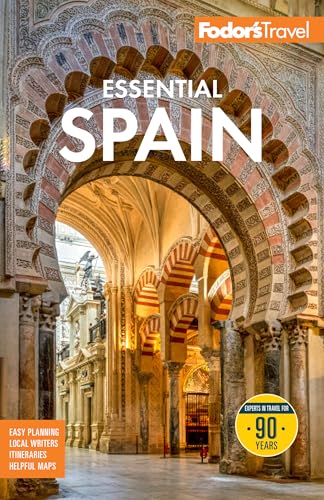
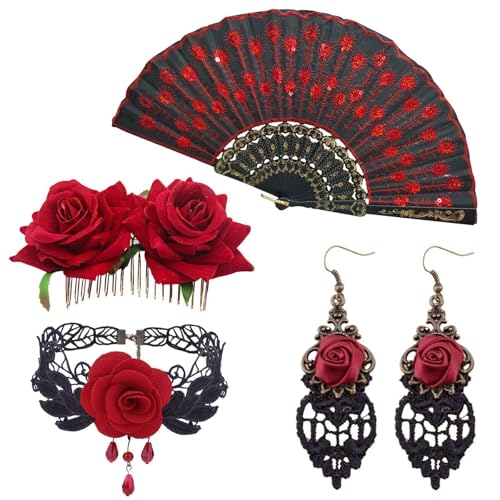
These five essentials handle the cultural-immersion logistics: a Spain travel guide, a Spanish phrasebook, a flamenco-night outfit, a Spanish cookbook for after the trip, and a crossbody anti-theft bag for tapas-bar evenings.


Plan your full Spain trip:
- History timeline, history of Spain.
- Festival calendar, festivals in Spain.
- Architecture trail, architecture in Spain.
- Food across regions, famous food in Spain.
12 Cultural Pillars at a Glance
Quick-scan summary of all 12 pillars with the regional anchor city where you can experience each in 2026.
| Pillar | Anchor Region or City | 2026 Cultural Highlight |
|---|---|---|
| Late-night eating | Madrid plus Sevilla | Dinner 9 to 11pm, lunch 2 to 4pm |
| Sobremesa | Country-wide (Sunday lunch) | 3-hour after-meal conversation |
| Flamenco | Seville (Triana) | Flamenco Biennial Dec 8, 2026 |
| Fiestas and festivals | Valencia, Pamplona, Buñol | 200+ festivals per year |
| Tapas and pintxos | Granada (free) and San Sebastián | Free tapa with €2.50 drink in Granada |
| Four official languages | Catalonia, Basque, Galicia | Castilian, Catalan, Basque, Galician |
| La Liga football | Madrid plus Barcelona | Camp Nou partial reopening late 2026 |
| Religious heritage | Sevilla (Semana Santa) | Holy Week processions Apr 5 to 12 |
| Siesta hours | Small towns plus Andalusia | 2 to 5pm shop closures |
| Modernisme plus Gaudí | Barcelona | Gaudí Centenary Jun to Dec 2026 |
| Wine and sherry | La Rioja plus Jerez | Harvest fiesta Sep 20 to 25 |
| Regional pride | Catalonia, Basque, Andalusia | Four identities under one flag |
1. Late-Night Eating Culture
Spain runs on its own clock. Lunch is the day’s main meal, served 2 to 4pm. Dinner does not start until 9pm and tables fill at 10pm.
Restaurants open at 8 or 8:30pm but mostly serve tourists in that window. By 10pm the rooms come alive with locals. The two-meal rhythm plus a late merienda (snack) at 6pm is the standard 2026 Spanish day. For more on dinner-time tactics, see our guide to things to do in Spain at night.
2. Sobremesa: The After-Meal Conversation
Sobremesa is a verb in Spanish, not a noun. It describes the conversation that happens at the table after the food is finished, often with coffee, dessert wine, or a digestif.
A proper Sunday lunch plus sobremesa runs 3 to 4 hours. Families occupy a single table from 2pm through 5pm and consider the chair time as much the point as the food. For the dishes that anchor a sobremesa, see our guide to the traditional dishes in Spain to try.
3. Flamenco
Flamenco was born in Andalusia among the Gitanos (Spanish Roma) and reached its mature form in 19th-century Sevilla and Cádiz. The tradition combines guitar, cante (vocal), and baile (dance). Triana in Sevilla is the spiritual home.
Two venue types matter: tablaos (commercial dinner shows aimed at tourists) and peñas (members-only clubs hosting the real artistic work). The 2026 Flamenco Biennial of Sevilla opens December 8 with 30 plus performances across the city. For booking and venue picks, see our guide to flamenco experiences in Spain.
4. Fiestas and Festivals
Spain runs more festivals than days in the calendar. The big four are Las Fallas in Valencia (March 15 to 19), Semana Santa in Sevilla (Holy Week), San Fermín in Pamplona (July 6 to 14), and La Tomatina in Buñol (last Wednesday of August).
Add regional patron-saint days, harvest festivals, and Easter processions, and most weeks of the year hold at least one major celebration somewhere in the country. For the full annual calendar, see our guide to festivals in Spain.
5. Tapas and Pintxos
Tapas and pintxos look similar but are distinct traditions. Tapas are small plates ordered from a menu, common in Madrid and Andalusia. Pintxos are bread-based bar-display bites pinned with a toothpick, exclusively Basque (San Sebastián and Bilbao). Paid per toothpick at the end.
The free-tapa tradition is a Granada plus León plus Almería plus parts of Jaén specialty: order any €2.50 drink and a tapa arrives with it. Four drinks equal dinner for around €10. For the wider Spanish food framework, see our guide to food in Spain.
6. Four Official Languages
Spain has four official languages: Castilian (Spanish, country-wide), Catalan (Catalonia, Valencia, Balearic Islands), Basque or Euskara (Basque Country, Navarra), and Galician (Galicia). All four appear on regional signage, school curricula, and government documents.
Castilian works everywhere; locals appreciate even a single courtesy word in the regional language. “Bon dia” in Catalan (good morning), “Egun on” in Basque, “Bo día” in Galician open doors instantly. For the full phrase lexicon, see our guide to basic Spanish phrases.
7. La Liga Football Culture
Football is the country’s social glue. La Liga (Spain’s top football league) is anchored by Real Madrid and FC Barcelona, the two most-valuable clubs in the world. El Clásico (the Real vs Barça match) twice each season is a national event.
Camp Nou (FC Barcelona’s stadium) is in the final phase of its renovation and partially reopens late 2026. Real Madrid’s Santiago Bernabéu (capacity 81,044) completed its renovation in 2024. Match tickets run €40 to €400. For the broader things-to-do context, see our guide to things to do in Spain.
8. Religious Heritage in Everyday Life
Spain is Catholic by tradition (around 60 percent identify as Catholic in 2026, though only 20 percent practice weekly). The Catholic calendar still anchors the national one: Three Kings on January 6, Holy Week in March or April, All Saints on November 1, Christmas Eve and Day, plus regional patron-saint days.
Most shops close on these dates. Semana Santa (Holy Week) is the most visually striking, with hooded brotherhood processions across major Andalusian cities, especially Sevilla. For the timing and what to expect, see our guide to Easter in Spain.
9. The Siesta (Real and Not-Real)
The siesta cliché is half true. Office workers in Madrid and Barcelona do not nap; their lunch break runs noon to 2pm or 1 to 3pm. Small-town shops, family-run restaurants, and rural businesses still close 2 to 5pm in Andalusia, Extremadura, and inland Castilla.
City pharmacies, supermarkets in tourist hubs, and chain stores stay open through the afternoon. For the full breakdown including how to plan around siesta closures, see our guide to things you should know before visiting Spain.
10. Modernisme and the Gaudí Centenary 2026
Modernisme is the Catalan branch of Art Nouveau, anchored by Antoni Gaudí (1852 to 1926). His Sagrada Familia, Park Güell, Casa Batlló, and Casa Milà define Barcelona’s architectural identity and are all UNESCO sites.
2026 marks 100 years since Gaudí’s death (he was hit by a tram in Barcelona). The Sagrada Familia’s structural topping-out is scheduled this year, with a €2 to €5 centenary surcharge added to tickets June to December. Book the main Gaudí sites 4 plus weeks ahead. For the full architectural context, see our guide to architecture in Spain.
11. Wine and Sherry Culture
Spain has the most vineyard area in the world plus 70 plus DO (Denominación de Origen) regions plus 2 DOCa regions (Rioja and Priorat, the highest tier). Rioja is the most-famous; Albariño from Rías Baixas pairs with seafood; Cava from Penedès is the traditional-method sparkling.
Sherry from Jerez (fortified wine, dry Fino to sweet Pedro Ximénez) is its own world. The La Rioja harvest fiesta (September 20 to 25 in Logroño) is the year’s biggest wine event. For the full regional breakdown, see our guide to the best wines in Spain.
12. Regional Pride and Identity
Spain is one country with four strong regional identities. Catalans (Barcelona, Costa Brava) see themselves as a nation within a state. Basques (San Sebastián, Bilbao) have their own language, cuisine, and political institutions. Andalusians are the country’s flamenco-and-sun heart. Galicians are the Atlantic-coast Celtic edge.
Travelers who acknowledge the regional identity (a courtesy word, a local dish) earn warmer service than those who treat the country as one. For the deeper heritage context, see our guide to the UNESCO World Heritage sites in Spain.
Pack and prep for cultural immersion in Spain.
The Ultimate Europe Trip Planner includes a packing module for flamenco-night outfits plus cathedral dress codes, a 9pm-dinner adjustment guide, basic Spanish phrase cards, and a regional language cheat sheet for Catalonia, Basque Country, and Galicia. Limited time, save $10 today (originally $27).
Spain Cultural Immersion Travel Tips
- Do not expect dinner before 9pm. Restaurants open at 8 or 8:30pm but fill at 10pm. Cultural codes deep dive in our Spain travel tips guide.
- Sunday lunch is sacred. Most attractions close by 3pm and the menú del día restaurants are packed. Pair with our Spain budget guide for the daily meal-cost math.
- A few words in the regional language go a long way. “Bon dia” in Catalonia, “Egun on” in Basque, “Bo día” in Galician. Full lexicon in our basic Spanish phrases guide.
- The Gaudí Centenary surcharge June to December 2026 adds €2 to €5 to Barcelona’s modernist sites. Book 4 plus weeks ahead. Full Barcelona context in our things to do in Barcelona guide.
- Cathedral dress codes apply year-round: shoulders plus knees covered. Sagrada Familia is strict. Pack a scarf or long-sleeved layer per our complete Spain packing list.
For Spain’s official culture portal with regional events plus museum calendars, check Spain’s official culture portal.

Frequently Asked Questions
What is Spain’s culture like?
Late-eating, festival-heavy, family-centered, and regionally diverse. Lunch runs 2 to 4pm, dinner 9 to 11pm, sobremesa stretches both. Four official languages (Castilian, Catalan, Basque, Galician), more festivals than days in the calendar, and strong regional pride between Catalonia, Basque Country, Andalusia, and Galicia. For the full pre-trip framework, see our complete Spain planning guide.
What are Spanish people known for?
Sobremesa (the 3-hour after-meal conversation), warm hospitality, late dinners, football tribes (Real Madrid plus FC Barcelona), and food rituals built around lunch as the main meal. Spaniards are family-centered and treat meals as social events rather than fuel stops. For the food anchor, see our guide to the traditional dishes in Spain to try.
What are the main cultural traits of Spain?
Fiesta (festival year-round), siesta (in small towns plus Andalusia), sobremesa (post-meal conversation), regional pride (Catalonia, Basque, Andalusia, Galicia), and the Catholic calendar shaping public holidays. Add flamenco, La Liga football, and Gaudí Modernisme as the iconic cultural markers. Cross-link with our guide to traditions in Spain for the calendar specifics.
Is Spain culturally diverse?
Yes, deeply. Four official languages, distinct regional cuisines (paella in Valencia, pintxos in Basque Country, gazpacho in Andalusia, pulpo in Galicia), separate political identities, and architectural styles that vary by century and region. Treat each region as its own country and you will get more out of the trip. See our cities in Spain to visit guide for the regional map.
How is Spanish culture different from American culture?
Slower meals, later hours, more public family life, smaller portions, and longer lunches. Lunch is the main meal at 2 to 4pm, dinner is light at 9 to 10pm, and the sobremesa keeps families at the table for hours. Service workers earn proper salaries so tipping is light. For the on-the-ground brief, see our Spain travel tips guide.
Key Takeaways
- Spanish culture in 2026 is built on 12 pillars: late dinners, sobremesa, flamenco, fiestas, tapas plus pintxos, four languages, La Liga, religious heritage, siesta hours, Modernisme, wine, and regional identity. Each pillar maps to a region. History backstory in our history of Spain guide.
- Show up hungry at 9pm and learn five words of the local regional language. Catalan “Bon dia,” Basque “Egun on,” Galician “Bo día.” Full lexicon in our basic Spanish phrases guide.
- The Gaudí Centenary in 2026 (Sagrada Familia topping out, €2 to €5 surcharge June to December) is the year’s biggest cultural event. Book Barcelona sights 4 plus weeks ahead per our architecture in Spain guide.
- The free-tapa cities (Granada, León, Almería) make a sub-€10 dinner realistic. Pair with our deep dive on the best tapas bars in Spain for the city-by-city map.
- Cathedral dress codes plus Sunday closures plus the 9 fixed Spanish holidays (Jan 1, Jan 6, May 1, Aug 15, Oct 12, Nov 1, Dec 6, Dec 8, Dec 25) all need pre-trip awareness. Full pre-trip framework in our complete Spain planning guide.
Final Thoughts
Spanish culture in 2026 is loud lunches that turn into 3-hour sobremesa, flamenco nights that start at 10pm, four official languages on signs, and football tribes that define cities. Show up hungry at 9pm, learn five words of the local language, and Spain opens up fast. The Gaudí Centenary in Barcelona plus the Flamenco Biennial in Sevilla make this the strongest cultural year in a decade. For the broader pre-trip framework that covers EES entry, AVE booking, and ZBE Low Emission Zones, our Spain travel tips guide covers everything beyond the cultural pillars.